Along the Transpantaneira Highway
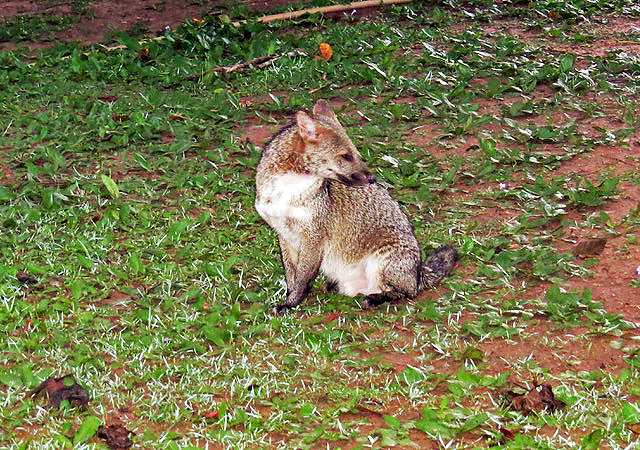
Today we were returning to the Transpantaneria Highway in the hope of finding the one target species that had eluded us, the Giant Anteater. The morning was off to a good start as before breakfast a Crab Eating Fox paid a visit to the lodge to scavenge for scraps from the kitchen. As it’s name implies the main diet for the fox is crustaceans, but this is largely in the wet season. In the dry season they will eat small mammals, reptiles and amphibians. They also eat fruit, seeds and other plant materials. The fox has a short muzzle, a truncated tail and a distinctive stripe along its back.

Back Along The Transpantaneira Highway
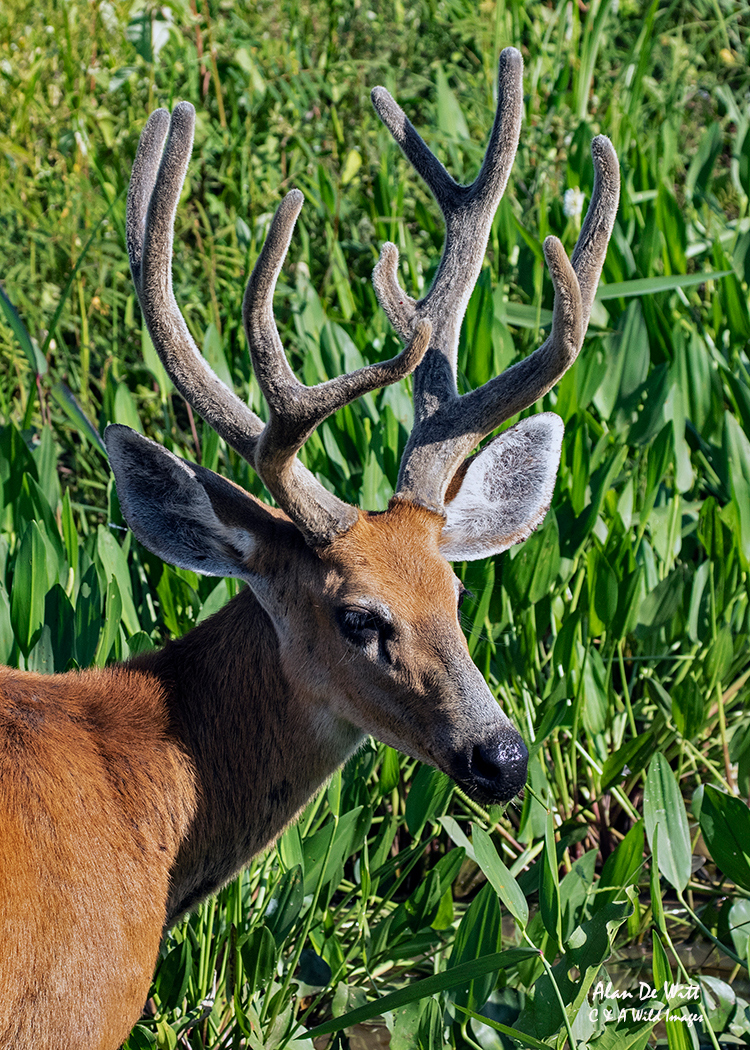
We climbed on board the safari truck and headed down the track onto the Transpantaneria Highway. Along the route we had good views of a large Marsh Deer grazing in the ditches. Also sheltering in the shaded forest area were the much smaller Brown Brocket Deer.
Along the highway as we crossed a wooden bridge there were thirteen Yacare Caiman on one side and seven on the other side lying motionless in very green water.
Birds Seen Along The Route
Two Hyacinth Macaws landed in a tree in front of the truck and gave us good views of this spectacular bird. Flocks of parakeets flew across and rested high in a tree. In the distance were a group of Rhea. Egrets, Ibis, Limpkins and Herons stood amongst the vegetation on the pond edges. Grey Necked Wood Rail hunted stealthily in the muddy water and Wattled Jacana scurried through the water hyacinths. Kingfishers sat patiently on branches watching the water. A Crimson Crested Woodpecker drummed on a nearby tree. Campo Flickers and Green barred Woodpeckers were also seen.

We returned to the lodge for lunch and some free time before we were going out at 4.00 for a boat trip.
Lodge Grounds
The lodge grounds were very good for spotting wildlife. The antics of the Capybara were interesting to observe as they clambered out of the river and sort shade under the trees. In the stump of a tree near the front of the lodge a Campo Flicker had built a nest and was busy going in and out of the hole.

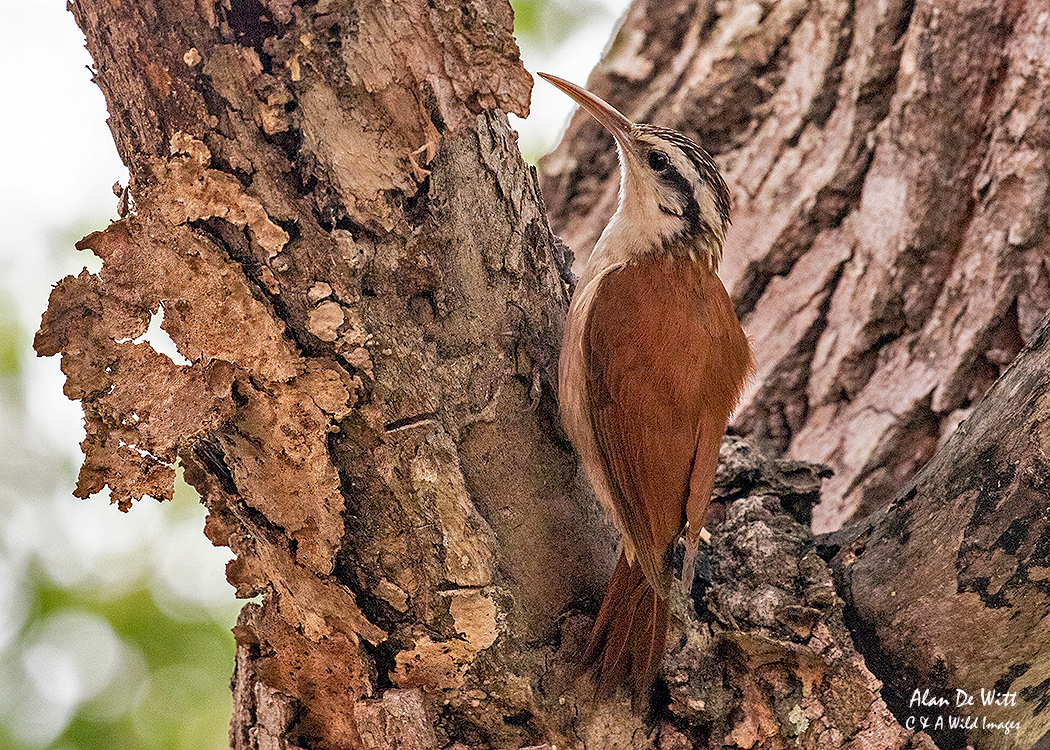
As we sat and watched a Greater Kiskadee caught and ate a moth. In front of our room a Narrow-billed Wood Creeper worked his way around a tree. Outside the dining room was a very large Common Tegu Lizard.

Caiman Lizard
Unfortunately at about 3.30 the sky darkened, thunder boomed and the rain started. During a pause in the rain we decided to head for the boats. On our way to the dock Nuan had discovered a large Caiman lizard near the river bank. These large monitor sized lizards are very powerful. They are called Caiman Lizards due to the spiny protrusions along its back and tail. Like the Tegu they have powerful legs and tails, with sharp claws for digging. They scent the air with their forked tongue.

We decided although it was still raining a little that we would go out on the river. Hoping that the rain would stop we headed out. It was to be only a short trip as the route was blocked with water hyacinth. We tried to drive our way through only to be met with a brief respite of clear water before more water hyacinths. As it was now raining heavily again we decided to head back to the lodge.
Bare Faced Curassow
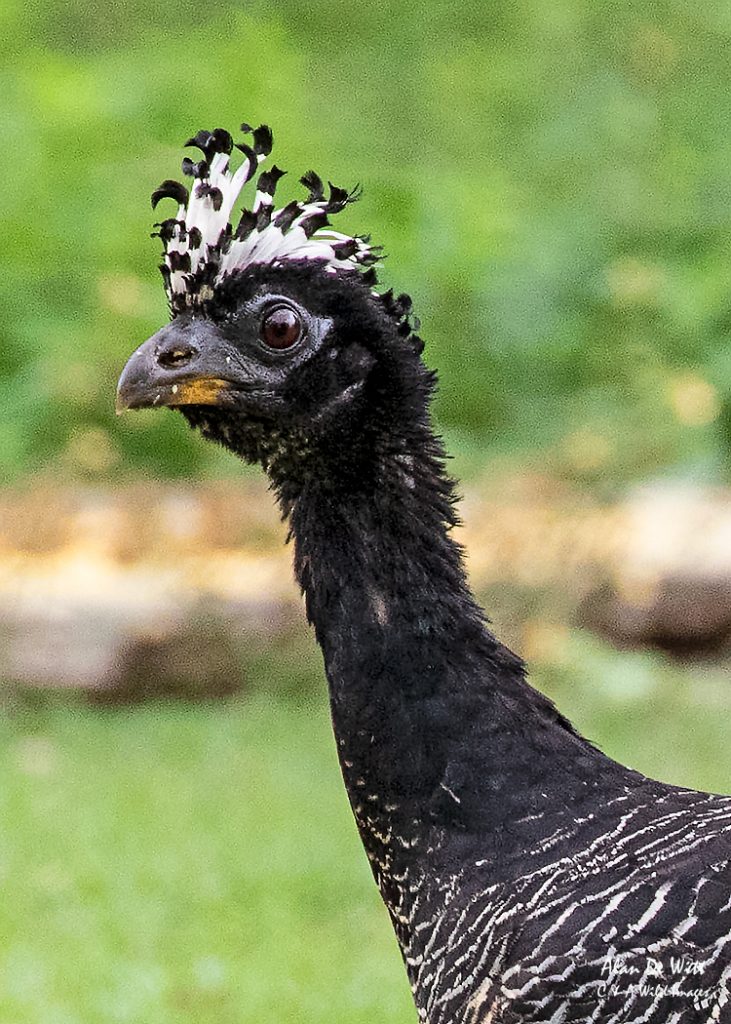
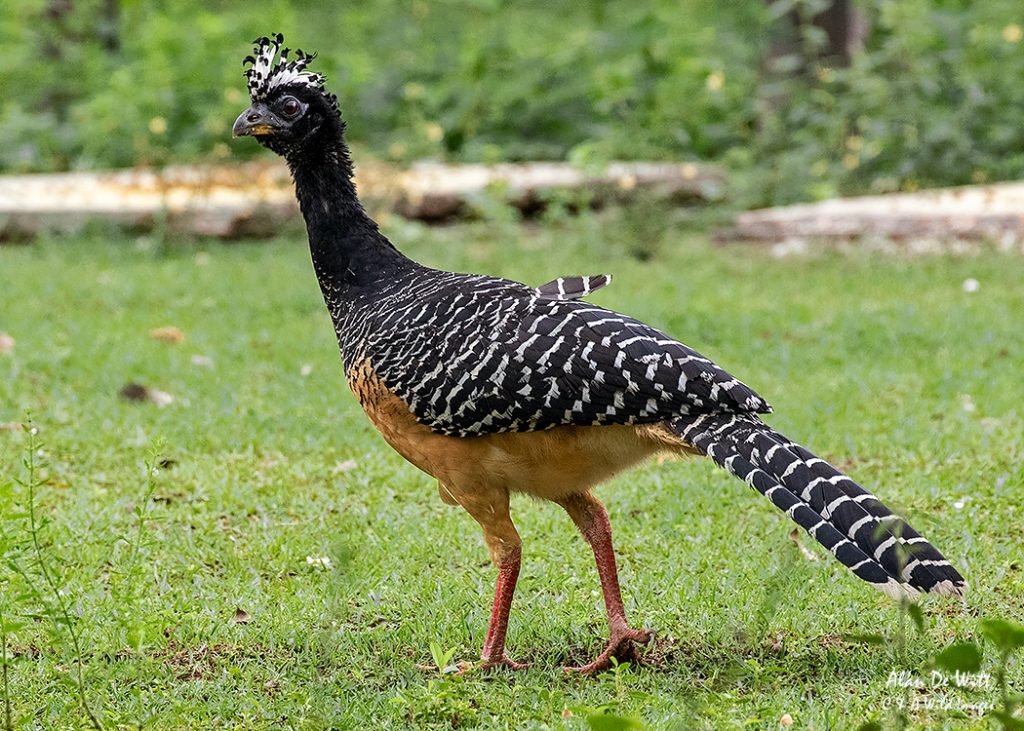
As we climbed out of the boats up the muddy bank a pair of Bare faced Curassow walked past heading for the shelter of some trees. It’s amazing how different the male and female are, they almost look like two different species. The males black plumage and curly crest provides excellent camouflage in the forest shade. Whereas the female is easier to see with her tiger striped head curls.

Before dinner we were to go again to the ocelot hide. Once again we walked along the muddy track and sat in silence in the hide. Unfortunately the ocelot did not make an appearance and by torchlight we walked back to the lodge for dinner.

Last Day In The Pantanal
Today after our last boat trip we were leaving the Pantanal and heading back to the UK. After an early breakfast at 6.30 we were on the river at 7.00 a.m.
It was a lovely morning for our last trip on the river. We headed towards the Mato Grosso Hotel. The scenery on the the river is beautiful and there were just our two boats. Once again we found our way blocked by water hyacinths, and resting amongst them were Caiman. Wattled Jacana looked as if they were walking on the water as they went from leaf to leaf. Along the edge of the bank Water Rail stirred up the shallow water hunting for food.

On the high branches Roadside and Collared hawks perched looking down on the river. A large male Capybara walked out of the water on to the shore beside a tree where Lesser Kiskadees perched. Green Rufous Kingfishers flew across the river in front of the boat. We had excellent views of a Pygmy Kingfisher sitting on a low branch above the water. On a shady river bank a Pale Legged Hornero strutted along beneath its oven domed nest.


Zigzag Heron
On the look out for an Agami heron the boat pulled in close to the shore. The dense vegetation made it difficult to see what the guide was showing us. Sitting on a branch was a very small brown heron. This was the Zigzag Heron, which is primarily nocturnal. It is predominantly an Amazonian species but has recently been found around this area of the Mato Grosso. Nearby a Striated Heron crouched rail like hunting for fish. Unfortunately the shy Agami Heron was more elusive and we did not get a good view of it.


Returning To The Lodge
The boat turned around and headed back towards the lodge. A lot of noise in the canopy of a large tree alerted us to the presence of a family of Black Howler Monkeys. We were lucky to see a Cocoi Heron successfully catch a fish and eat it. Nearby a Southern Crested Caracara watched and waited for any left overs.

On the muddy shore in front of the lodge a Jabiru caught a fish. We watched as it manoeuvred it around in its bill. As we climbed out of the boat and said goodbye to our driver the pair of Bare Faced Curassow walked in front of us in the mud.
On Our Way Home
It was time to leave Southwild Lodge. We packed our luggage and it was then loaded into an air conditioned mini bus. We retraced our route along the Transpantaneira Highway back to the airport at Cuiaba. After the flight to Sao Paulo we boarded the plane for London Heathrow and home.
This had been a fantastic holiday. Our lodge accommodation was very different, clean and a little basic on occasions, but we were there for the wildlife. Whilst the Flotel situated on the river was a special place as well as being close to the Jaguar action. All of the wildlife was superb, it was certainly a trip that will live long in our memories.
Total Species Count
Mammals = 17, Reptiles & Amphibians = 10, Birds = 171.
8 Jaguars (14 Sightings)
Day Nine / Ten :- Checklist
| Mammals | |||
| Crab-eating Fox | Black Howler Monkey | Capybara | Marsh Deer |
| Brown Brocket Deer | |||
| Reptiles & Amphibians | |||
| Yacare Caiman | Common Tegu Lizard | Caiman Lizard | |
| Birds | |||
| Greater Rhea | Neotropic Cormorant | Anhinga | Whistling Heron |
| Cocoi Heron | Great Egret | Striated Heron | Rufescent Tiger-Heron |
| Capped Heron | ZigZag Heron | Plumbeous Ibis | Buff-necked Ibis |
| Jabiru | Black Vulture | Lesser Yellow-headed Vulture | Great Black Hawk |
| Savanna Hawk | Black-collared Hawk | Roadside Hawk | Crane Hawk |
| Southern Caracara | Chaco Chachalaca | Blue–throated Piping Guan | Grey-necked Wood Rail |
| Limpkin | Pied Lapwing | Southern Lapwing | Wattled Jacana |
| Scaled Dove | Ruddy Ground-Dove | Long-tailed Dove | White-tipped Dove |
| Hyacinth Macaw | Peach-fronted Parakeet | Monk Parakeet | Yellow-chevroned Parakeet |
| Scaly-headed Parrot | Greater Ani | Smooth-billed Ani | Ringed Kingfisher |
| Amazon Kingfisher | Green Kingfisher | American Pygmy Kingfisher | Rufous-tailed Jacamar |
| Chestnut-eared Aracari | Toco Toucan | Campo Flicker | Green-barred Woodpecker |
| Crimson-crested Woodpecker | Narrow-billed Woodcreeper | Rufous Hornero | Chotoy Spinetail |
| Red-billed Scythebill | Pale-legged Hornero | Mato Grosso Antbird | White-headed Marsh Tyrant |
| Cattle Tyrant | Tropical Kingbird | Lesser Kiskadee | Greater Kiskadee |
| White-winged Swallow | Brown-chested Martin | Grey-chested Martin | Purplish Jay |
| Black-capped Donacobius | Rufous-bellied Thrush | Silver-beaked Tanager | Greyish Saltator |
| Greyish Saltator | Red-crested Cardinal | Yellow-billed Cardinal | Saffron Finch |
| Rusty-collared Seedeater | Bay-winged Cowbird | Giant Cowbird | Shiny Cowbird |
| Yellow-rumped Cacique | Orange-backed Troupial | Crested Oropendola | Unicolored Blackbird |
| Bare-faced Curassow |