Day Four in South Luangwa: Lucy’s Climbing Cubs, Lions and Carmine Bee-eaters
This is part four of our South Luangwa safari. Catch up with Return to South Luangwa, Searching for Lucy and Her Cubs and Day Three in South Luangwa.
We woke to grey skies and the sound of thunder somewhere in the distance. Thick cloud first thing is unusual here, but it has one big advantage for photographers — the light stays soft all day rather than turning harsh by mid-morning.
An early start and a lucky turn
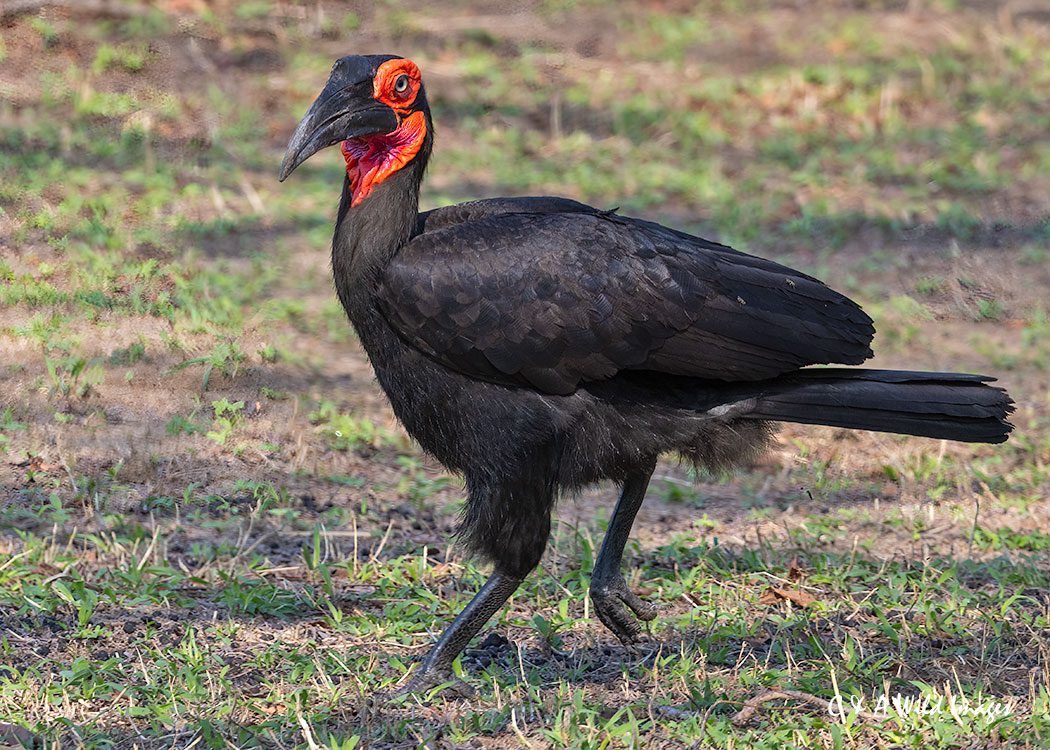
After a light breakfast we headed into the park and soon had giraffe and impala, along with our second group of southern ground hornbills of the trip. As we were the first vehicles in, we made straight for the thicket where Lucy had her kill the day before, hoping she and the cubs might still be feeding.

When we got there the carcass had gone, and so had the leopards. We worked our way around the thicket and found a woodland kingfisher sitting out in the open — this time a perfect pose. With the light still low, we were all busy adjusting our settings when our guide, Bwalya, glanced to his right and there they were: Lucy and both cubs. The kingfisher was forgotten in an instant.
Lucy and her cubs, all to ourselves
Any leopard sighting feels like a privilege, but a relaxed mother with cubs is something else altogether. For around fifteen minutes the cubs played and wandered around in front of us while Lucy kept a watchful eye on them, and despite the dull light we came away with some lovely images. Our two vehicles had the sighting to ourselves until the vehicles from Wildlife Worldwide’s art safari group joined us — so for the whole time we shared these cats with no one else.
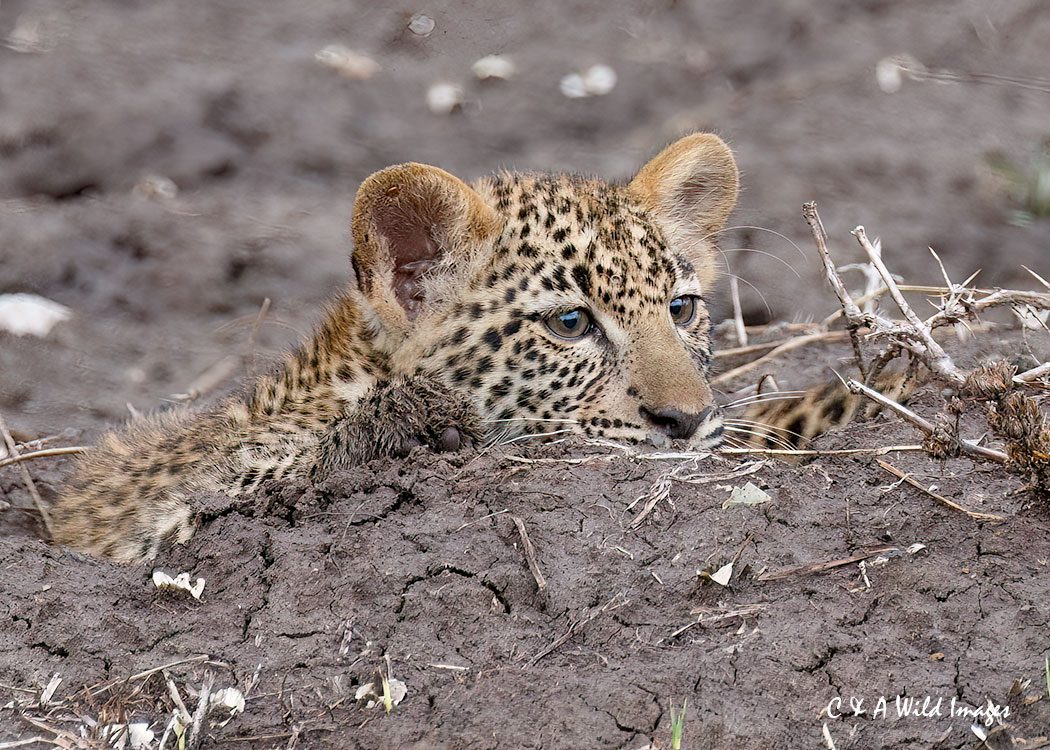
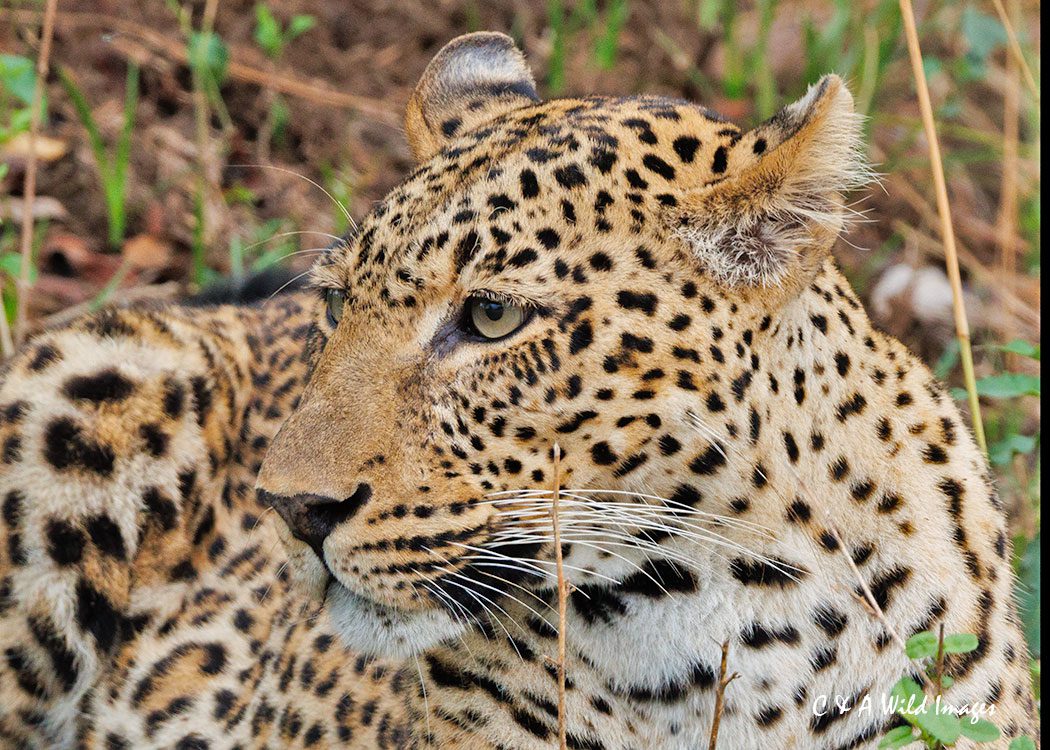
The best moment came when the cubs crossed the open ground right in front of the vehicles, stalking and pouncing on each other as they practised their hunting skills, their cheeky characters on full display. Lucy followed at her own pace, strolling past as if we weren’t there at all — a sign of just how relaxed she is around vehicles. You really can’t ask for more from a leopard.
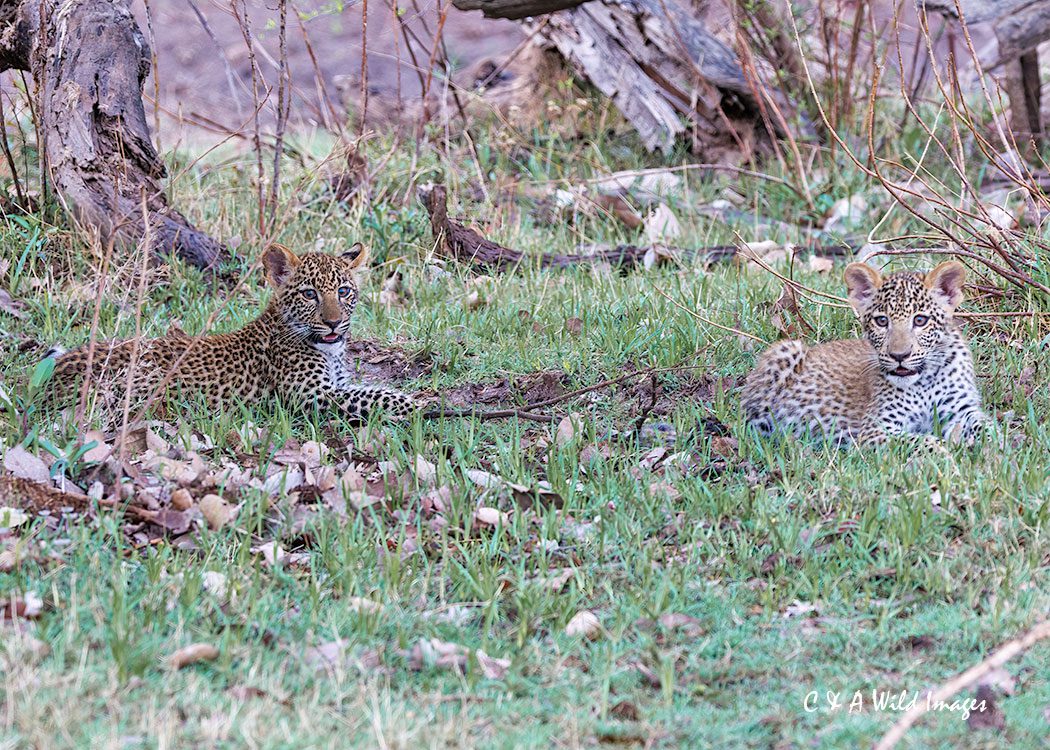
It was during this sighting that the cubs began climbing, scrambling up and down a tree under Lucy’s watchful eye, and we were able to capture it on video. You can watch the footage below, or on our YouTube channel.
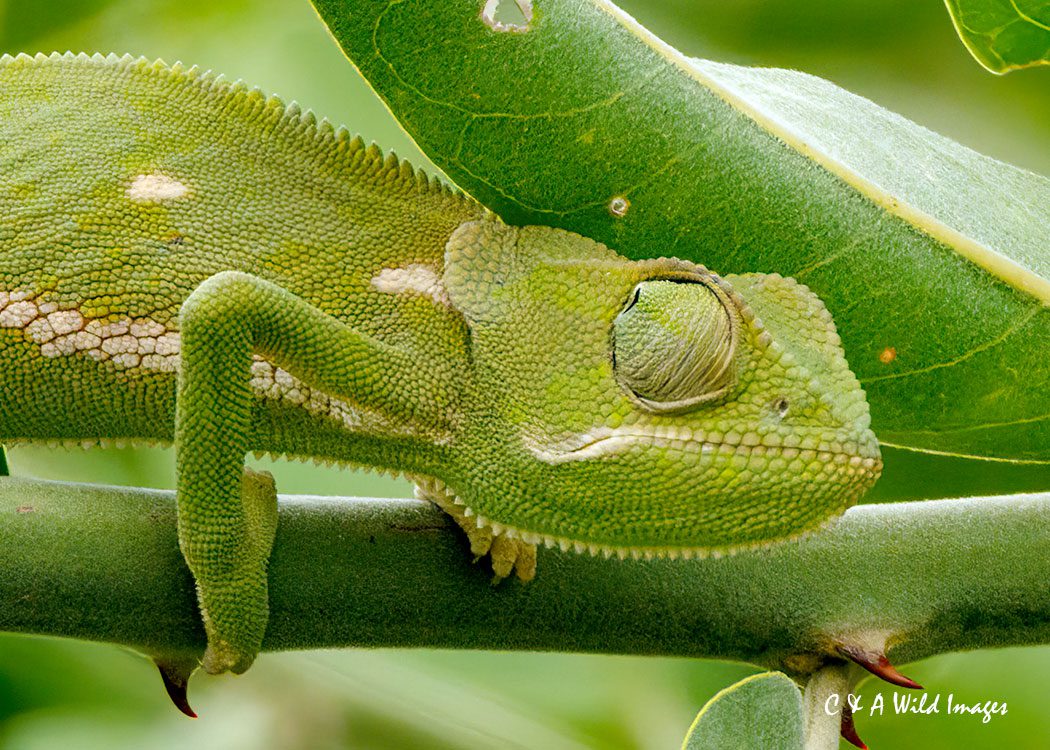
With the family heading into another thicket and more vehicles likely on the way, we left them in peace and moved on. Not far away a chameleon was hiding in plain sight in the thick scrub, beautifully camouflaged.
The Chichele pride at Wakumba
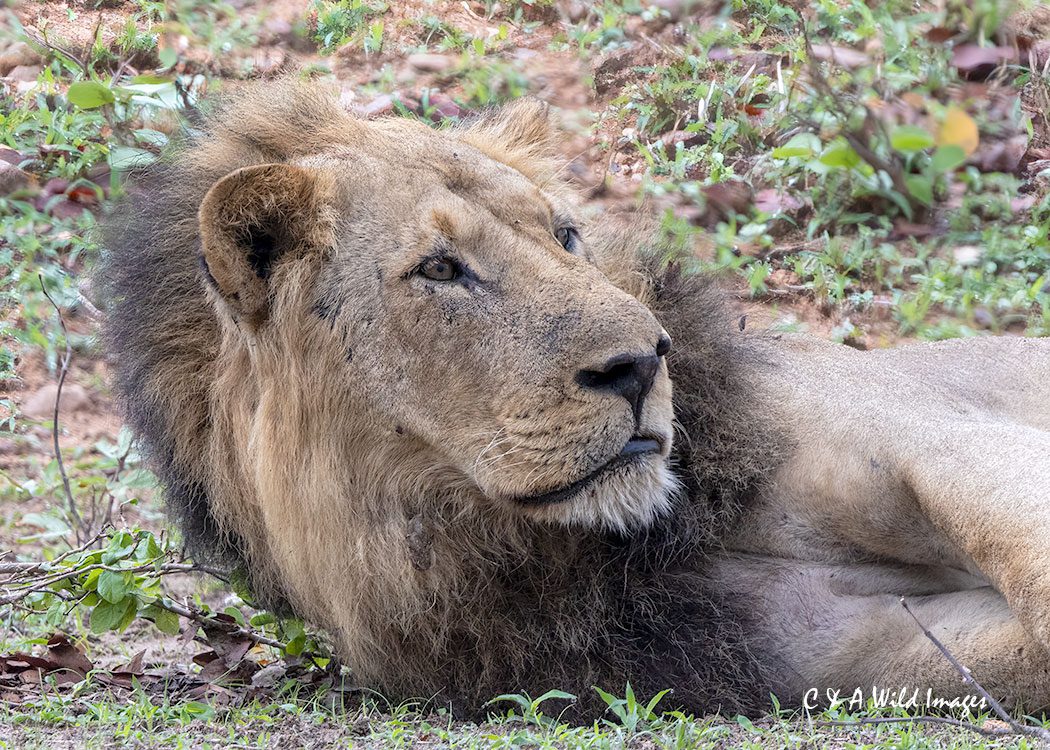
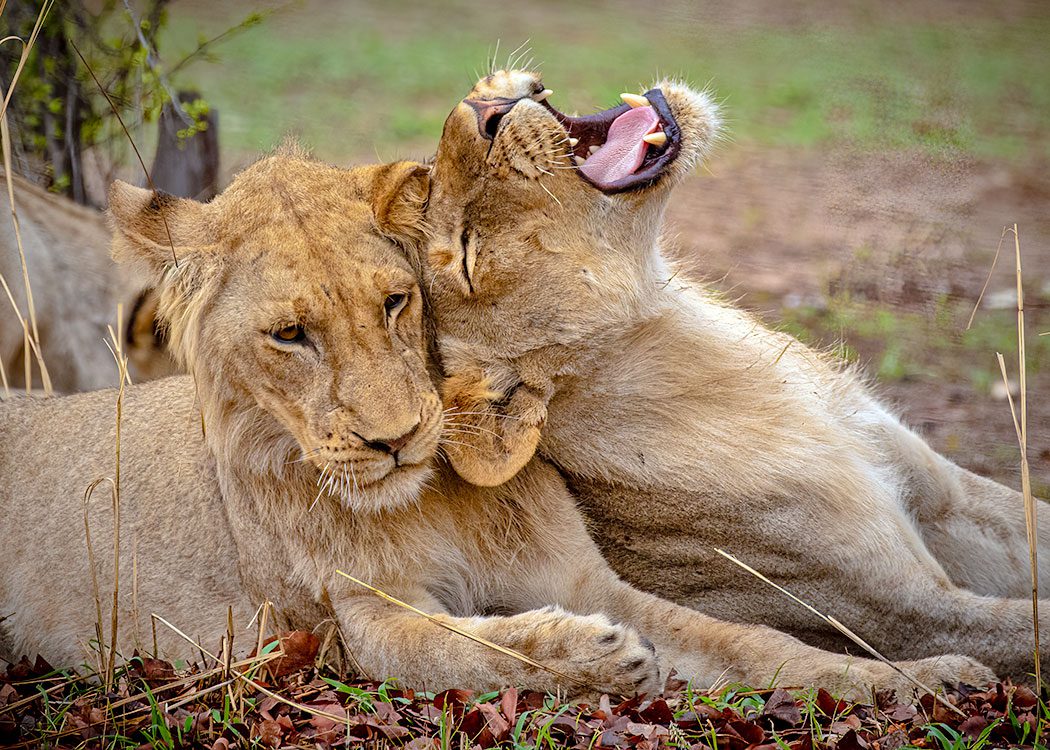
We had heard there were lions down near Wakumba, so we carried on south-west, hoping to arrive before word got round. A couple of vehicles were already there with the Chichele pride, which was resting around a patch of long grass and making the most of the cooler, cloudy weather.
Lions are famously idle during the day, and it took some patience as we moved around the pride to find the best angles. It paid off when a young male sat up in the long grass and started playing with one of the youngsters. By then it was getting busy, and after such a good morning we were happy to leave them to it.
Skimmers, a hamerkop and morning tea
We stopped for morning tea by the river, a short drive away, and were treated to a rare sight: a group of African skimmers chasing and mobbing a rather put-upon hamerkop. It gave us yet more photographs to add to the morning’s haul.
With the heat building again and our memory cards already filling up, we headed back to camp for brunch and a rest.
Afternoon at Mushroom Lagoon
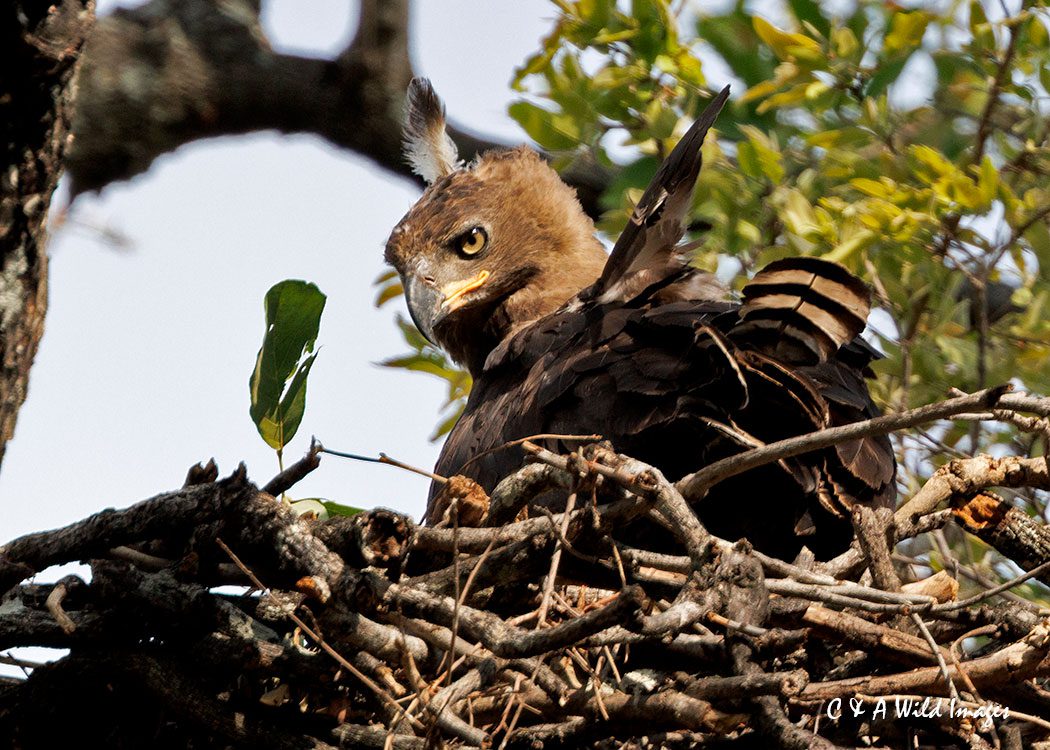
Guessing that most vehicles would head for the lions or the leopards in the afternoon, we went the other way, up through the beautiful open woodland towards Mushroom Lagoon. Our first sighting was a crowned eagle sitting on its nest high in an ebony grove. These big eagles are rarely seen in the valley, so to find one on a nest was very special. It was high in the canopy and partly hidden by the branches, but we managed a few photographs.
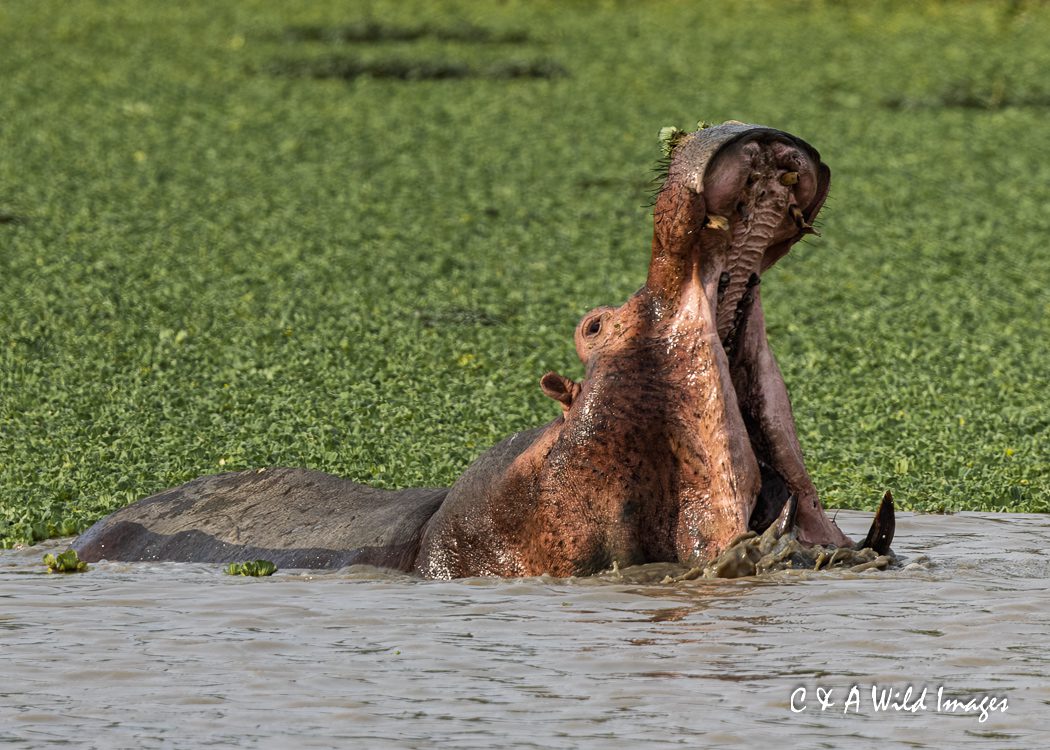
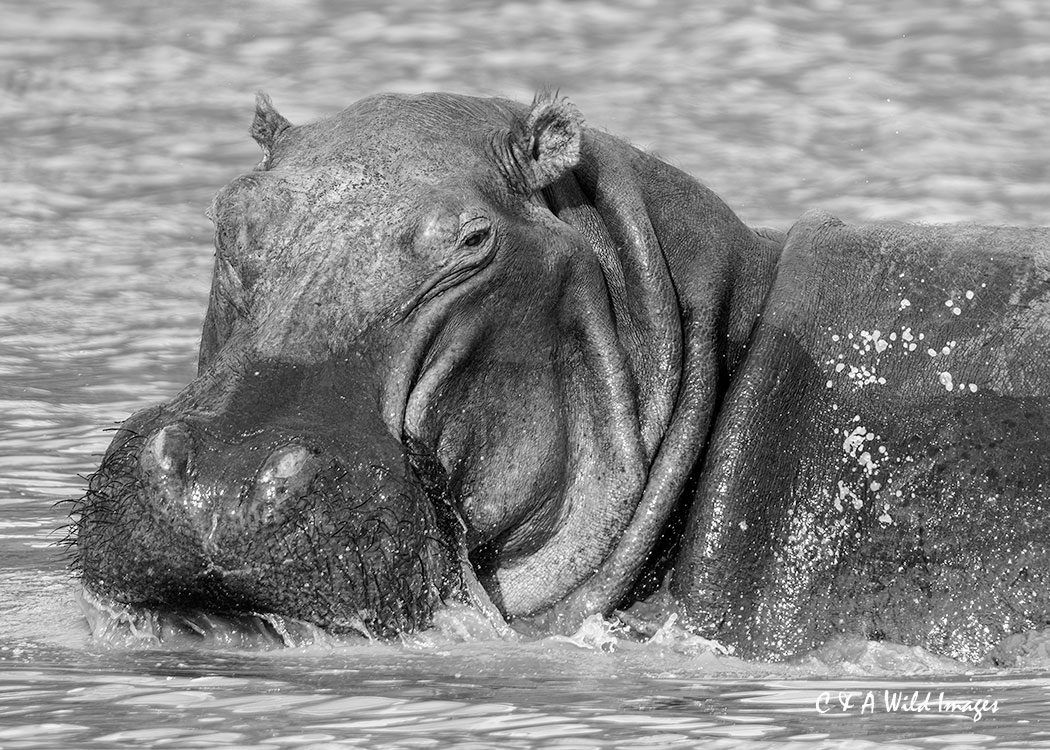
On the way to the lagoon we came across a lone female kudu, followed by yet another woodland kingfisher, this one perched on an open branch. At the lagoon itself, hippos lay resting among the Nile cabbage while African jacanas picked their way along the edge, searching the vegetation for food. Both kept our cameras busy.
Carmine bee-eaters at sunset
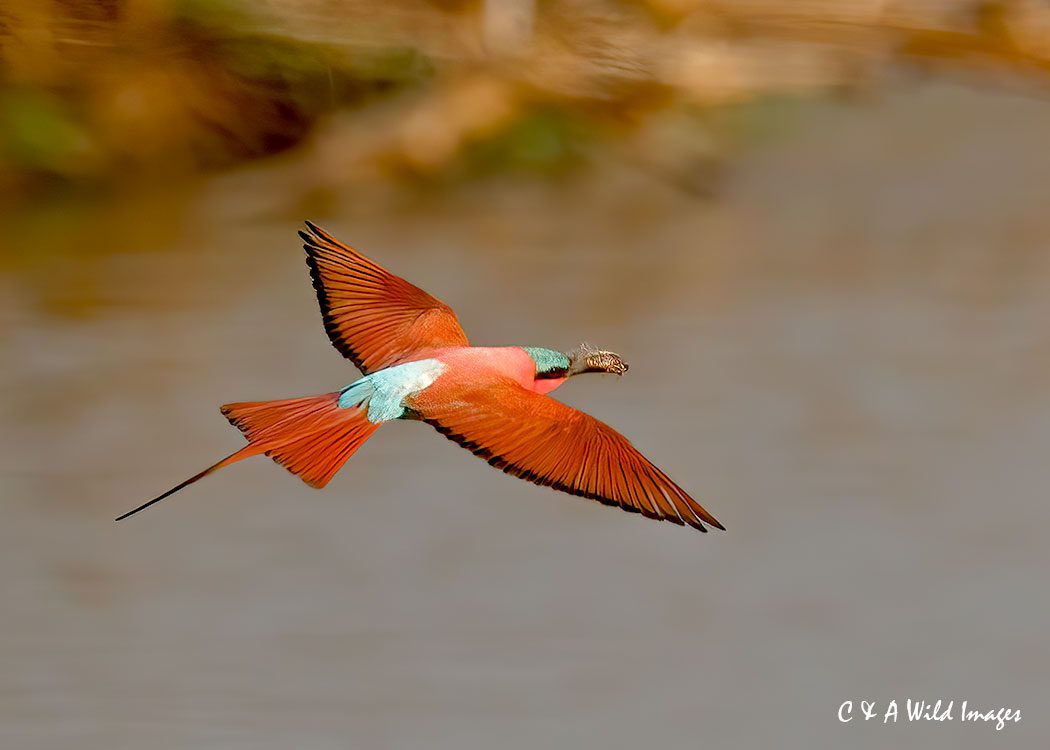
We finished the day with sundowners on the riverbank, overlooking a large colony of southern carmine bee-eaters. As the sun went down, the golden light lit up their colours, and we spent the last of it trying to catch them in flight as they dashed in to the bank with beaks full of insects for their young. Not easy, but very rewarding.
With our memory cards close to full, we made our way back to Flatdogs on a night drive. Large numbers of hippos were out grazing on the fresh grass that had sprung up after the rains, and we also saw several four-toed elephant shrews and another small chameleon close to the main road. Then it was back across the bridge and into camp for another excellent dinner.