Return to South Luangwa: Day One of Our Photo Safari
It was a long-awaited return to South Luangwa — our last visit was 27 years ago. This time, it was a dedicated photographic trip. A lot has changed in that time: from 36-exposure rolls of film to the world of digital cameras, sharper lenses, and, hopefully, a bit more experience behind the camera too!
We were two of a group of six photographers in two vehicles. We flew from Heathrow via Dubai to Mfuwe Airport — which, remarkably, has changed very little in nearly three decades. The familiar warm air, the smell of dust and rain, and the easy smiles of the people instantly reminded us why Zambia is so special.
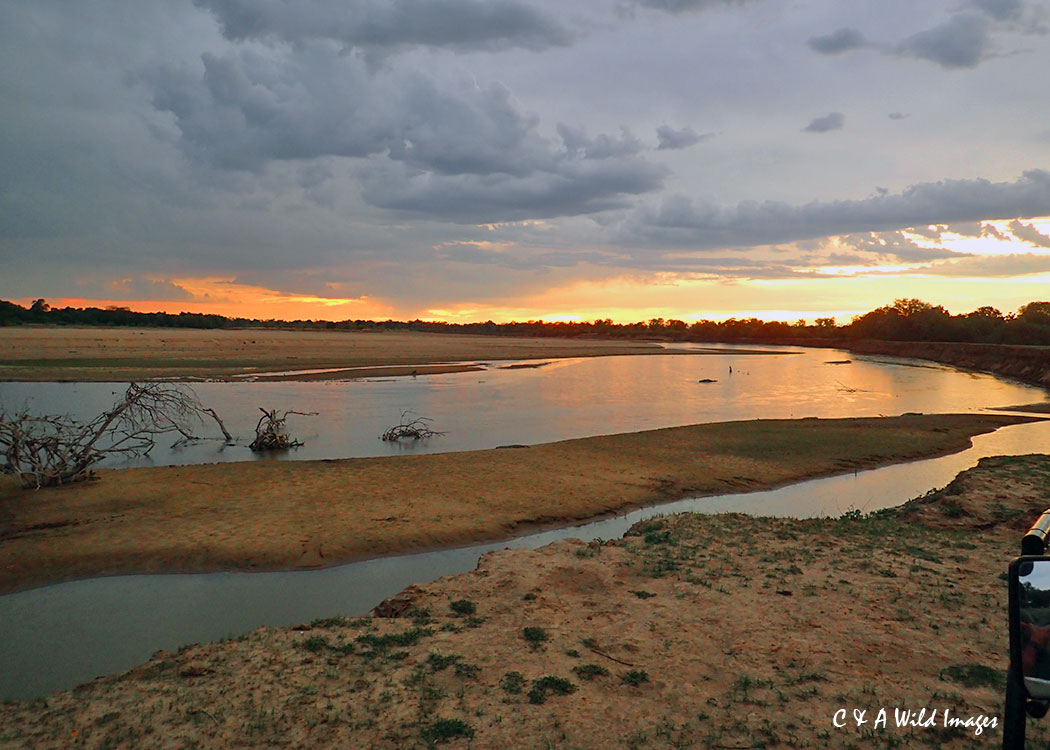
Flatdogs Camp
Our base for the week was Flatdogs Camp, just five minutes from the main park gate across the Luangwa River.
Flatdogs is relaxed and friendly, with safari tents and chalets under big trees and an open dining area by the river. Elephants and hippos wander through camp, and after dark you fall asleep to hyenas whooping, hippos grunting and, if you’re lucky, a distant lion. The food was excellent, the drinks were cold, and after a long journey it felt like home straight away.
Morning drive: searching for Lucy
Our first full morning in the park started early, with a light breakfast at 5:30 a.m. before heading out as the sun rose over the Luangwa River. The plan was to look for the local leopard, Lucy, and her two cubs — well-known in the area for their regular appearances.

At the park gate, we heard that Lucy had been seen the previous evening near the bridge with her cubs, but no one knew where she’d moved to overnight. Excitement levels were high as we crossed the bridge and made our way towards Mbangula — Lucy’s usual territory.
Lucy is something of a legend in South Luangwa. A mature, confident leopard, completely relaxed around vehicles, she often provides exceptional photographic opportunities. With that in mind, we turned off the main road and began exploring the smaller tracks that weave through her patch, pausing occasionally to listen for alarm calls that might reveal her location.
Plenty to photograph
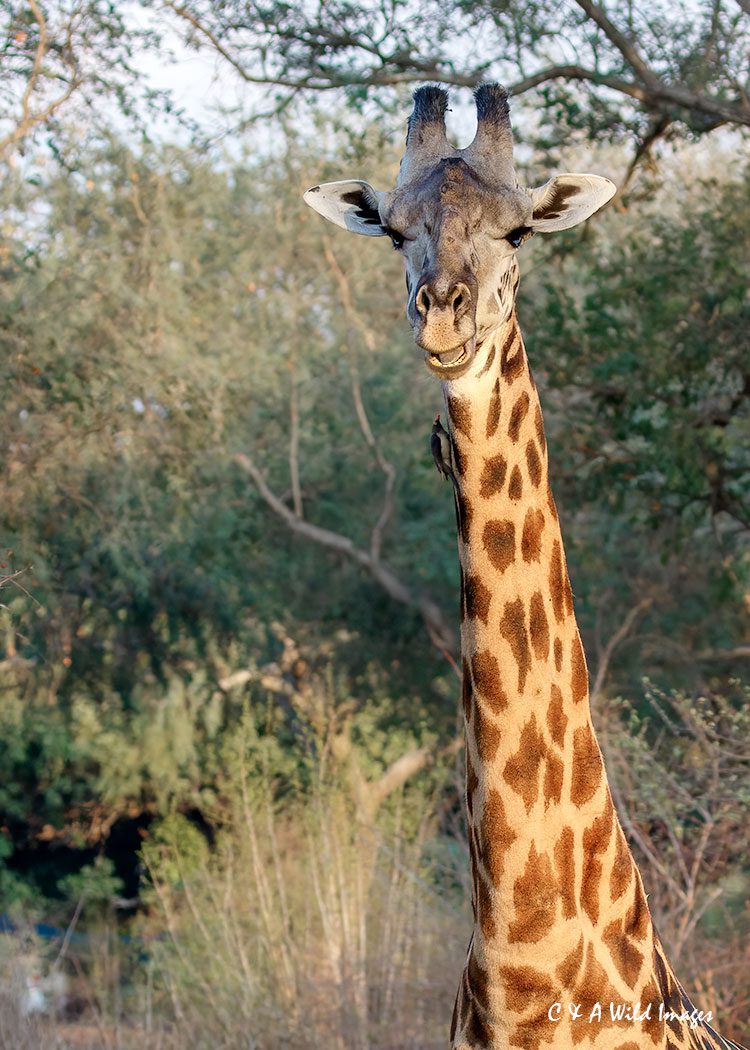
Our first sighting of the day was a Thornicroft’s giraffe posing perfectly in the shade. Nearby, an African Fish Eagle perched on a branch — a classic Luangwa scene and perfect in the soft morning light. We later stopped for tea on the banks of the river, enjoying the stillness before continuing our search.
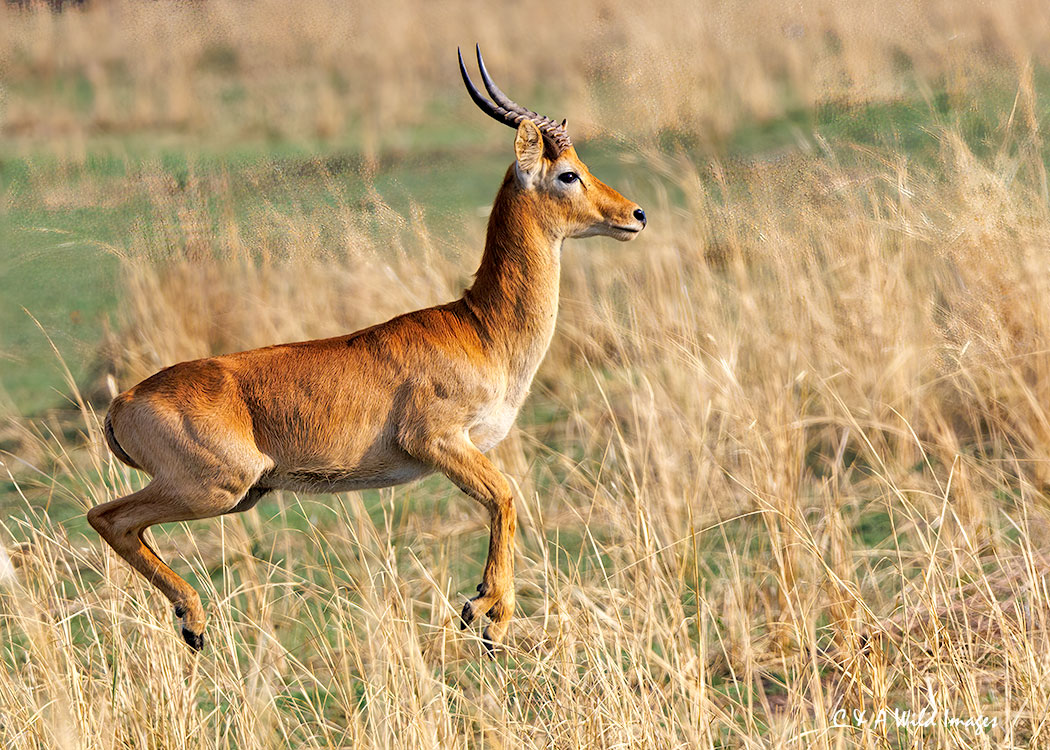
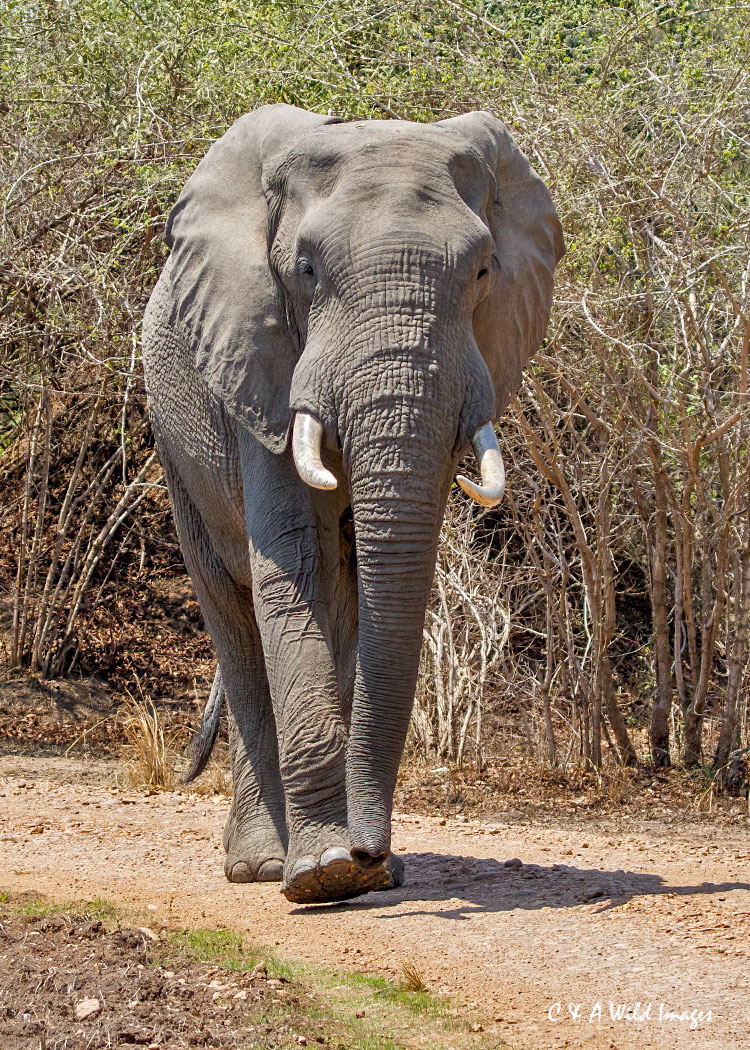
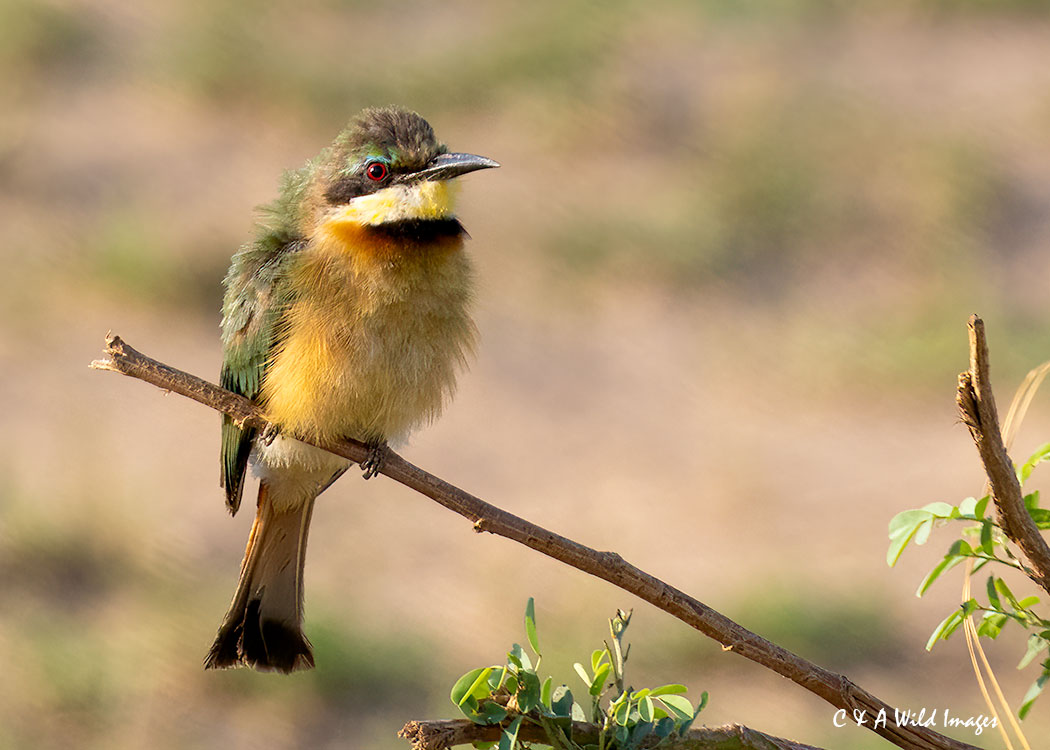
Although Lucy stayed out of sight, there was still plenty to photograph. A male puku put on a short mating display. Colourful bee-eaters flitted from perch to perch. An elephant tugged at branches in a nearby clearing. On the way back to camp, a bull elephant blocked the track — a gentle reminder that in the bush, nature always has the right of way.
We returned to camp for brunch, some shade, and a few cold drinks before getting ready for our afternoon drive.
Afternoon and night drive
In the afternoon, we headed back into the park early, hoping to find something before anyone else did. After crossing the bridge, we turned right and drove through the beautiful woodland between Mfuwe Lodge and Wafwa Lagoon. A group of elephants cooling off kept the cameras busy, and a colourful spider discovered on the back seat of the vehicle gave us a chance to try some impromptu macro photography!
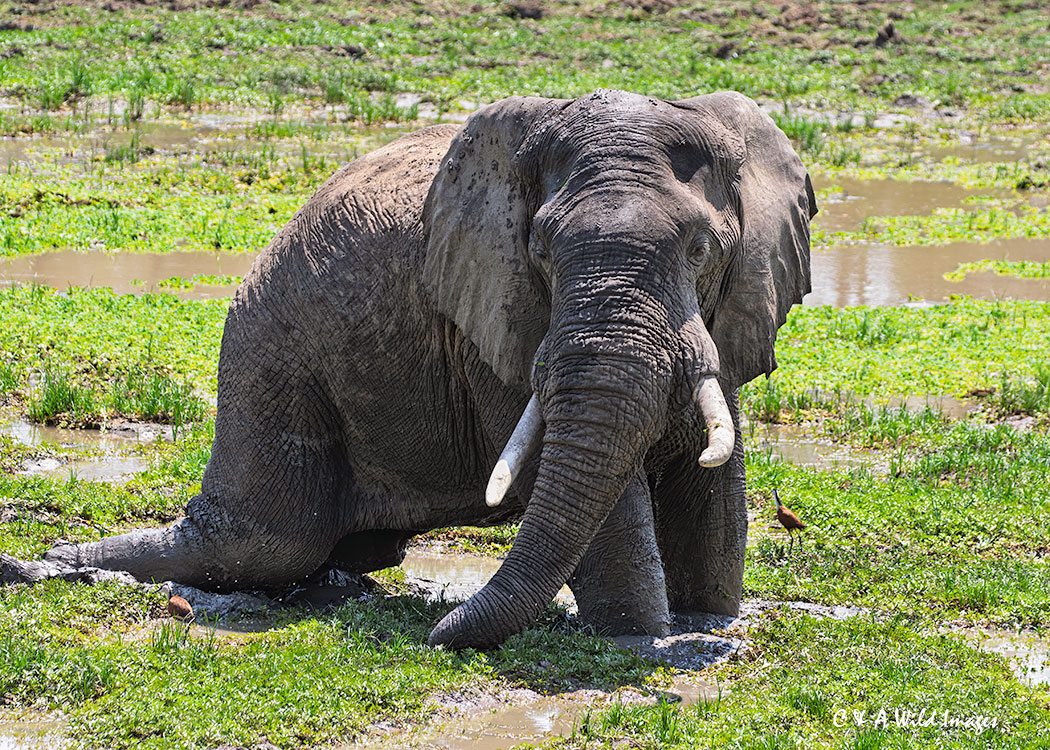

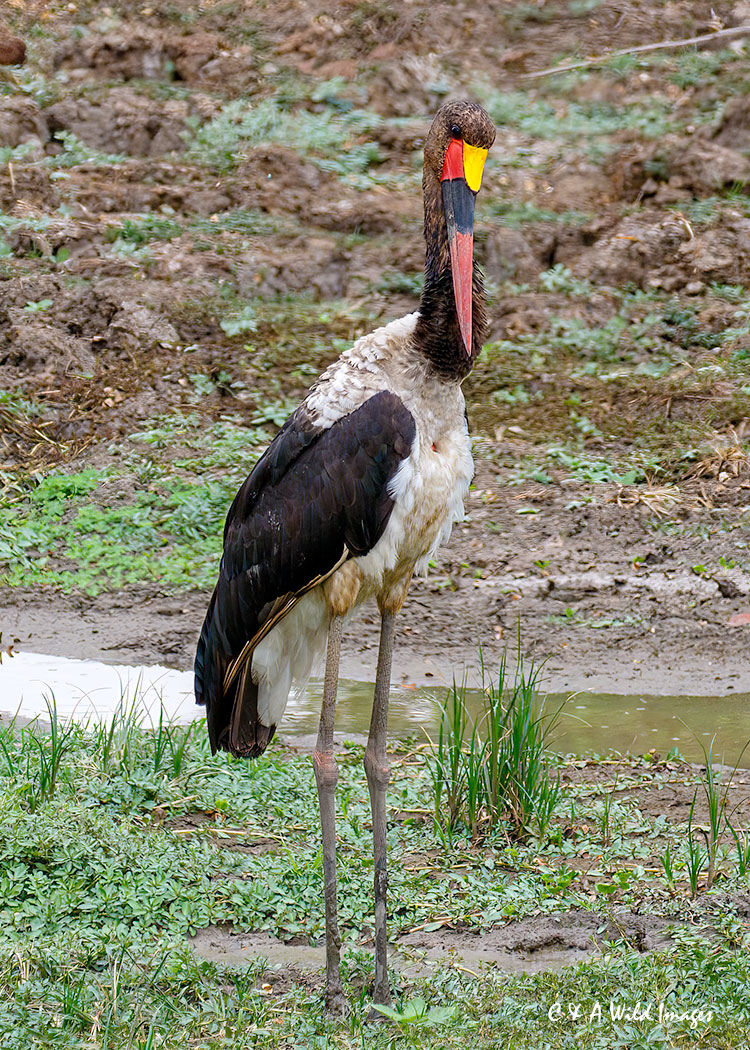
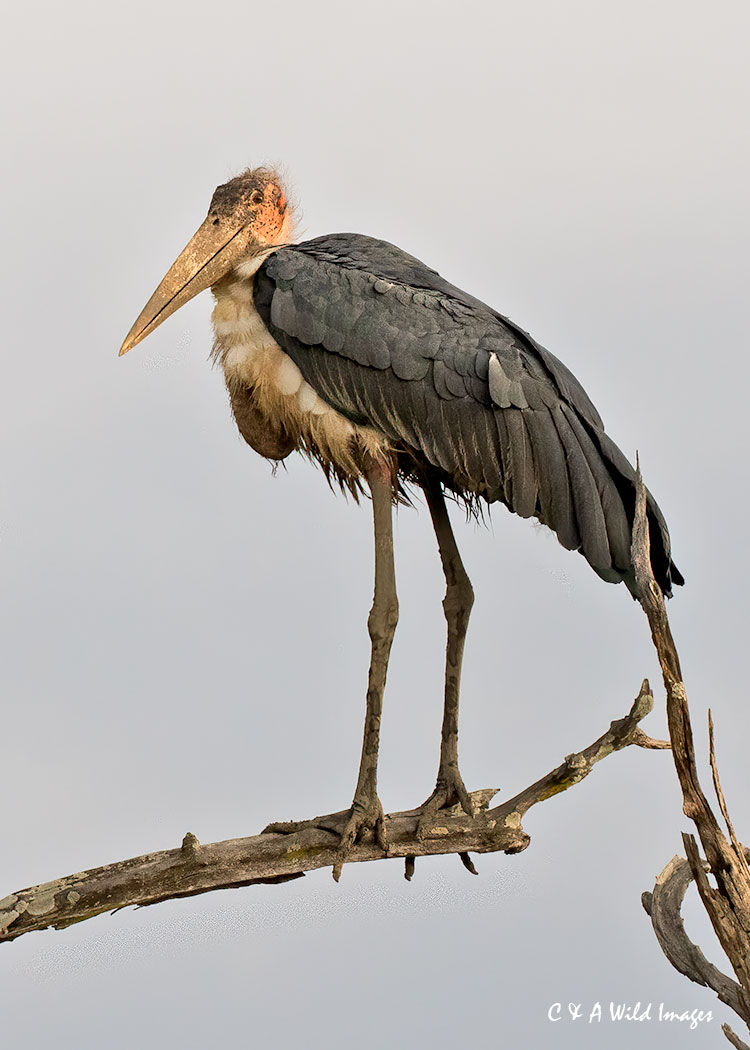
No leopards this time, but there was still plenty to enjoy. We had good views of marabou and saddle-billed storks. A mother warthog trotted by with her young. We ended the day with our first sundowners on the banks of the Luangwa River. It was one of those perfect safari moments as the sun dipped low and the sounds of the night began to build.
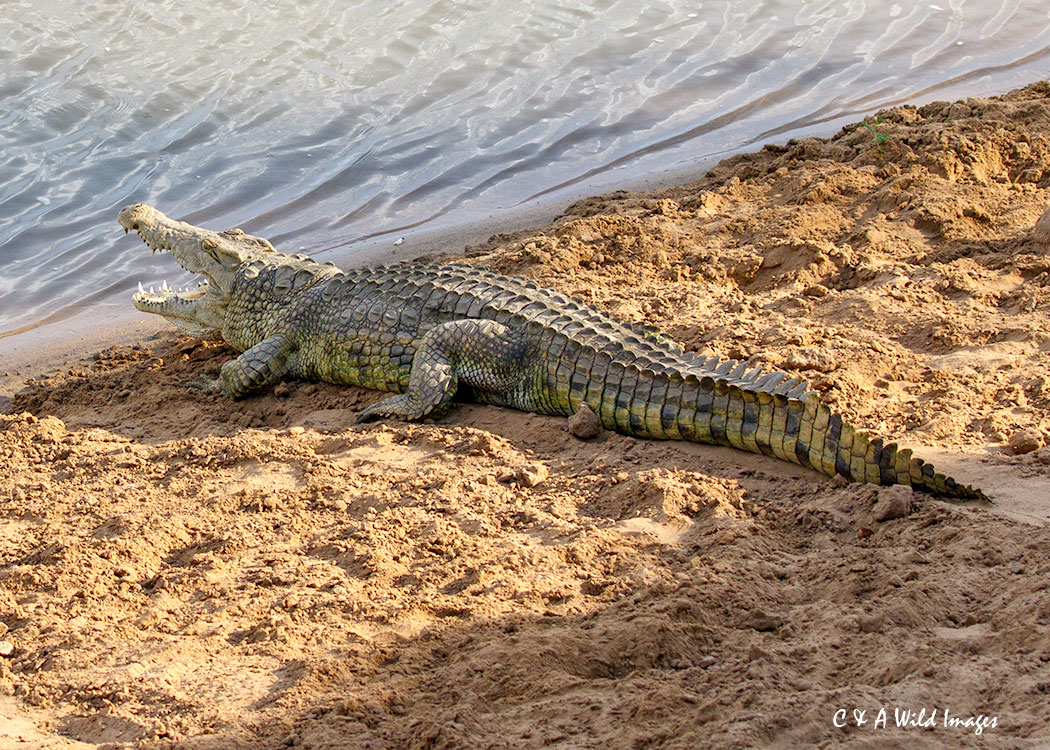
As dusk fell, we began our night drive back to camp, spotting some of the nocturnal residents that make the park come alive after dark — an elephant shrew, a genet, scrub hares, and the glinting eyes of hippos and crocodiles along the riverbank.
27 years on
Some things hadn’t changed at all. Later in the week we crossed the river to another part of the valley to track down a pride of lions that had been seen there — and found the crossing exactly as we remembered it. Our jeep drove onto a simple raft, which was then pulled across by hand by a team of local men. There are more lodges in the area now, but South Luangwa still doesn’t feel crowded.
What did feel different was the wildlife. From memory, we saw far fewer elephants on our first visit, and there seem to be more predators now too. Whether that’s a real change or just good fortune, it made the park feel even richer than we remembered.
The biggest change, though, was behind the camera. On our first visit every frame counted: with only 36 exposures on a roll of film, you took a shot, hoped for the best and waited until you got home to find out what you had. Now we could fire off a burst as the fish eagle took off or the puku leapt, check the results instantly and adjust as we went. It makes photographing wildlife a completely different experience.
It was a wonderful first day, full of sightings, good light and the unmistakable magic that makes South Luangwa one of our favourite safari destinations. But there was still no sign of Lucy and her cubs, so we hoped for better luck the next morning.
Read on: Searching for Lucy and Her Cubs — the next part of our South Luangwa trip.