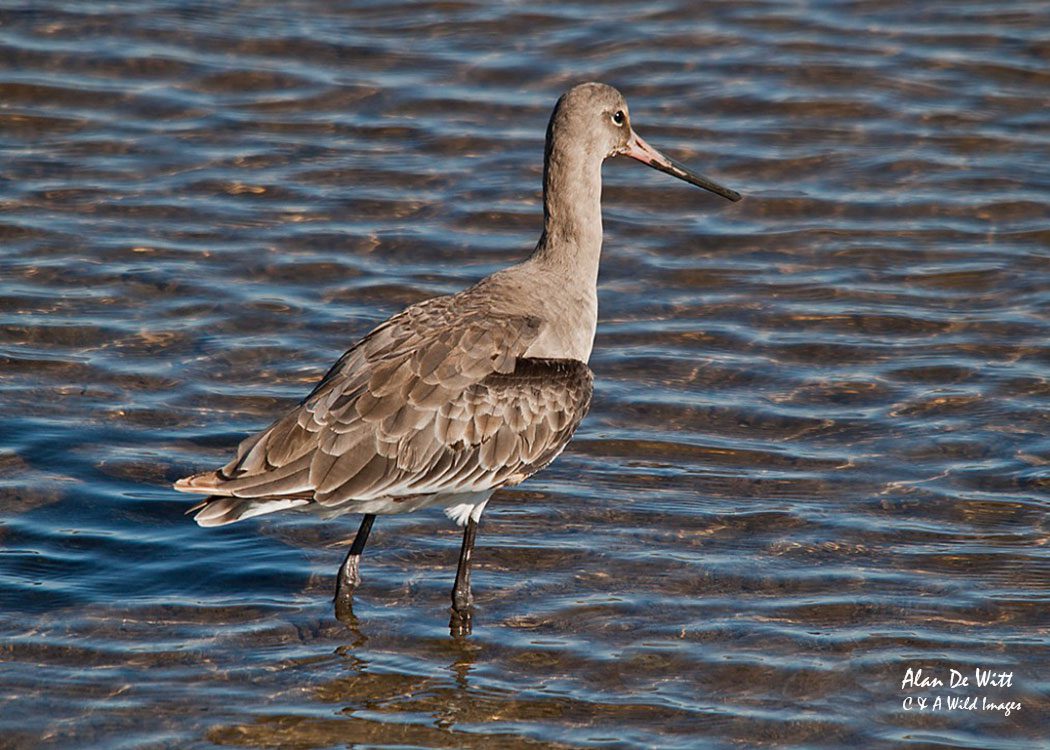
Curlew’s at Titchwell
During a recent visit to our nearby RSPB reserve at Titchwell, we encountered not only some of the waders that spend the winter in the area but also a lone Curlew remarkably close to the public footpath

During the winter you often see them at the reserve, often very close to the path way. This one began to feed along the edge of the freshwater marsh. We had only observed them feeding at a distance at other reserves, so it was fascinating to witness precisely how far they extend their beaks into the mud to find the worms.


Interesting Facts about Curlew’s
- Curlew’s are threatened mainly due to loss of moorland and grassland habitats.
- The Eurasian Curlew is the largest wading bird found in Europe
- They eat mostly worms, crabs and invertebrates,
- The females have a longer bill than the male and are slightly larger than the male
- Length: 55 cm | Wingspan: 90 cm | Weight: Male 770 g Female 1000 g
- Groups of curlews are called a “curfew” or “skein”.
- Eurasian curlew’s (Numenius arquata) name refers to the shape of its bill, as arquata is the Latin word for the archery bow.
- They used to be eaten, King James Ist often ate them at feasts. They could still be bought in UK butchers in the 1940’s.
- The UK has nearly a third of the world breeding population of Eurasian curlews.
- In Scotland the curlew is know as “Whaup”
Some other winter visitors.
During this season, the reserves along the Norfolk coasts become fantastic destinations to explore, with the overwintering bird populations increasing. In addition to capturing images of the curlew, we also succeeded in obtaining satisfactory shots of several other birds, such as the elegant Spotted Redshank and Bar-tailed Godwits.