RSPB Frampton Marsh
A casual conversation over a cup of coffee at Titchwell reserve with a fellow birder. Suggested that as RSPB Frampton Marsh coastal wetland reserve was about the same distance from our base it might be worth a visit at this time of the year. Well the distance was right only 10 mins more according to the sat-nav but that hadn’t accounted from the A17’s traffic which added another 30 minutes.

Out on the Marsh
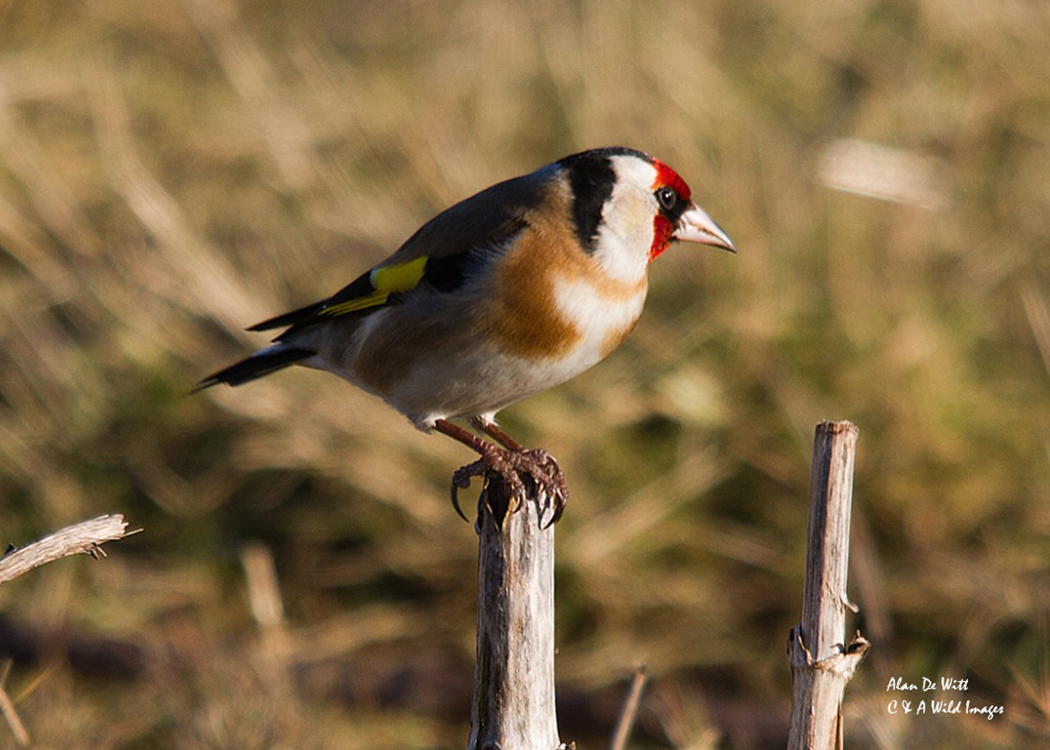
Having located the car park and grabbed a coffee we ventured out on the marsh. A walk to the 360 hide overlooking the scrape provided some good views of Skylarks in front of the hide. Together with a flock of Goldfinches feeding on the thistle heads, plus Redshank, Black-tailed Godwit and Curlew all close to the hide. With the report of a Scaup on the fresh water area we took a short walk to the Reedbed hide, but the view was disappointing. As almost all of the birds where over the other side of the water however we did get a view of a male Golden Eye displaying. Walking back to the visitor centre for lunch provided views of a pair of Buzzards and a female Reed Bunting in full song.

On to the Salt Marsh
After lunch we headed for the sea bank and a walk around the far side of the scrape. More views of Black-tailed Godwits. I hadn’t realised the extent of the salt marsh beyond the sea bank it’s one of the largest expanses of salt marsh in the UK. Then back to the reed bed hide for great views of Wigeon and Tufted duck all coming into breading plumage. Some Greylag and Canadian geese had flown in, but still no sign of the Scaup. Before moving on a Sparrow Hawk came zipping through putting most of the birds up.
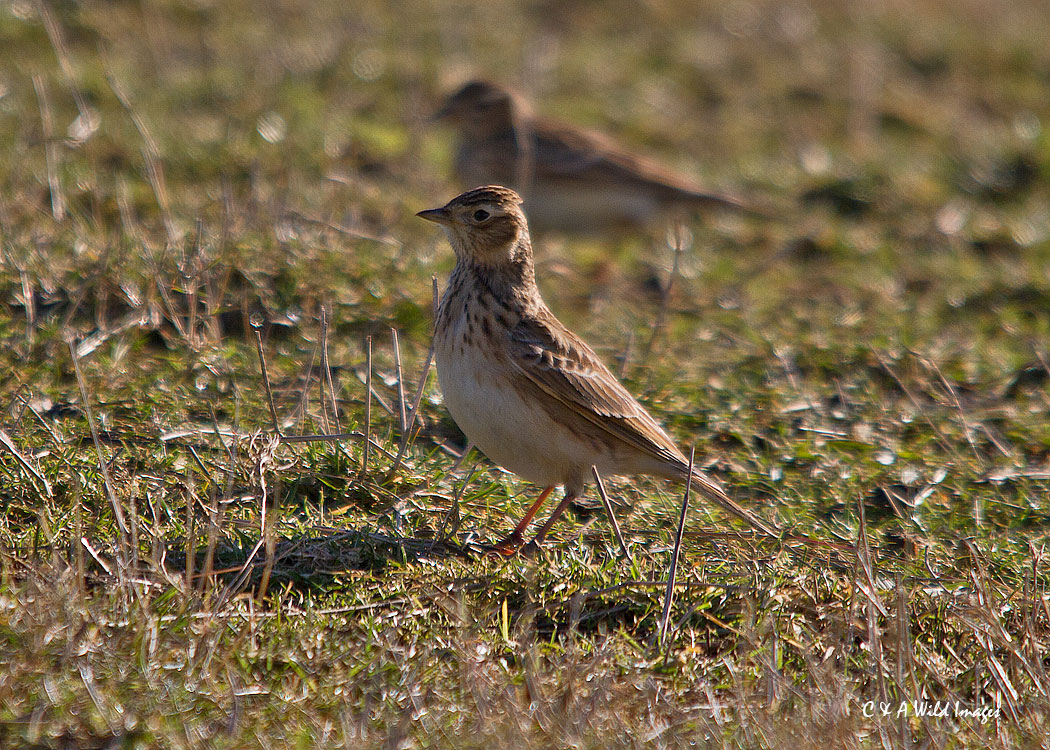


Finally back to the 360 hide, Skylarks, still on the ground and close to the hide, together with a pair of Lapwings displaying, Shelduck, Teal, Redshanks, and Curlews in the distance. When the flock of Goldfinches turned up again this time they were joined by what at first we thought might be a rare bunting, but on closer examination revealed itself to be a reed bunting. Although not sure if it was a female or male in winter plumage. All in all an interesting day, a different habitat to the Norfolk coast and worth a visit in spring.