Day Five in South Luangwa: The Luwi River, a Leopard Tortoise and Lions in the Rain
This is part five of our South Luangwa safari. Catch up with Return to South Luangwa, Searching for Lucy and Her Cubs, Day Three and Day Four.
One species had so far escaped us: African wild dogs. There had been regular reports of a pack along the Luwi River over the previous few weeks. So this morning we decided to head north and try our luck.
North to the Luwi River
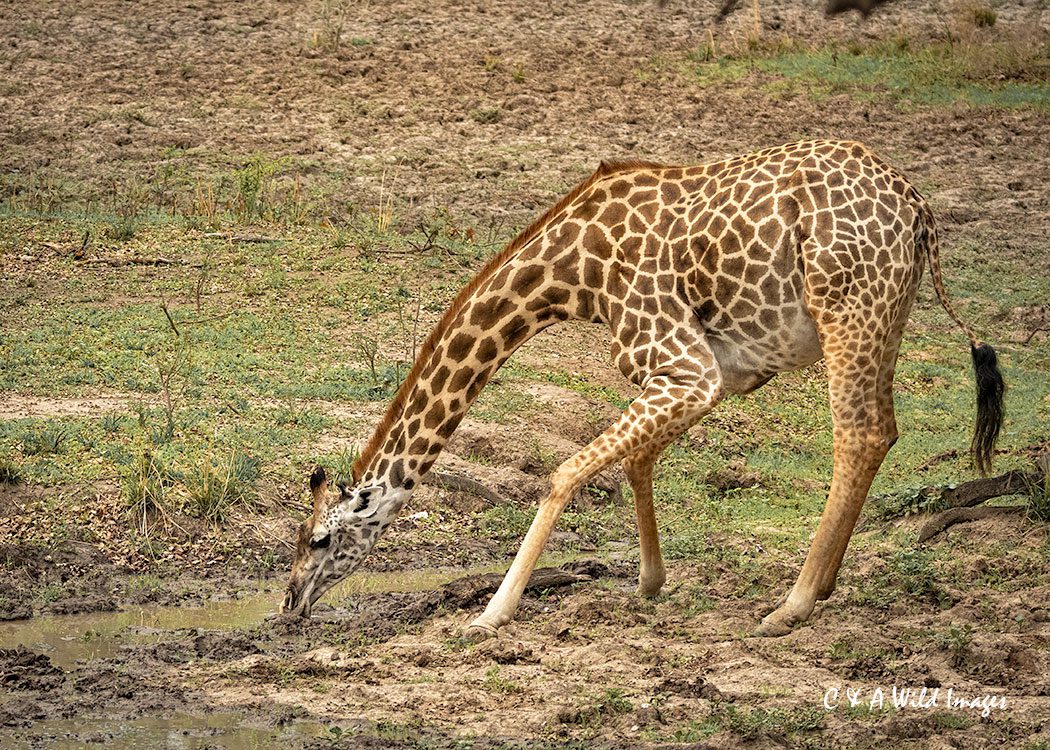
Passing the lagoon at Mfuwe Lodge, we found a herd of giraffes drinking from the shallow pools left behind as the water receded. There were young giraffes with them too. That is less common than you might think here, as the lions in this part of the park are known to target them.
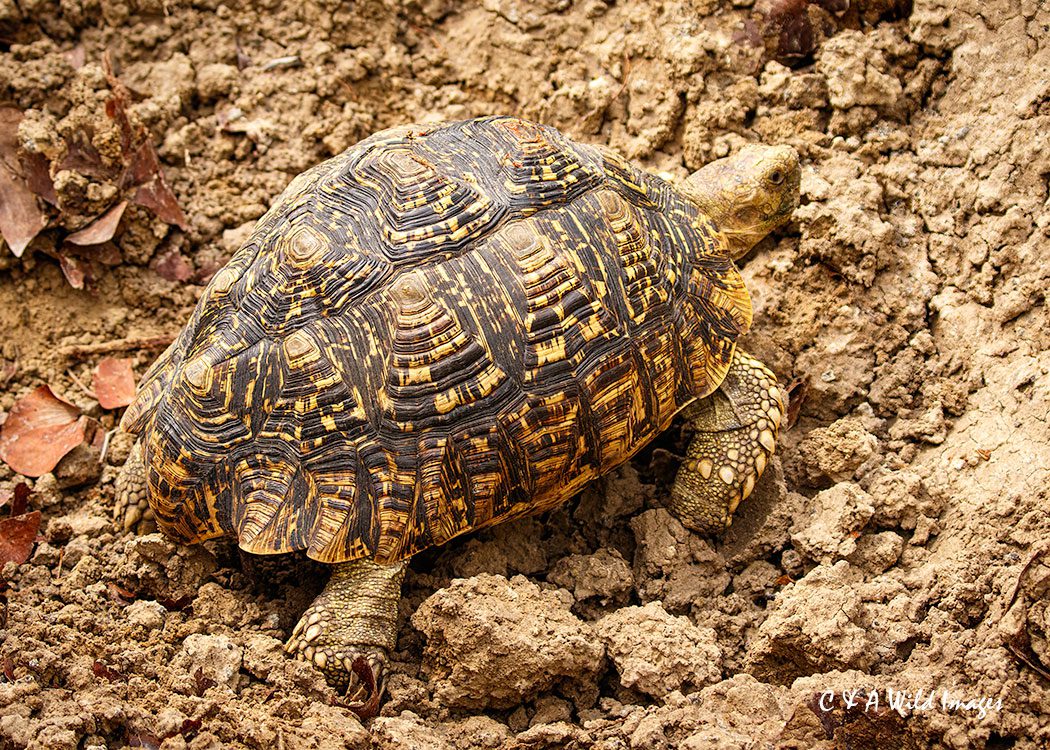
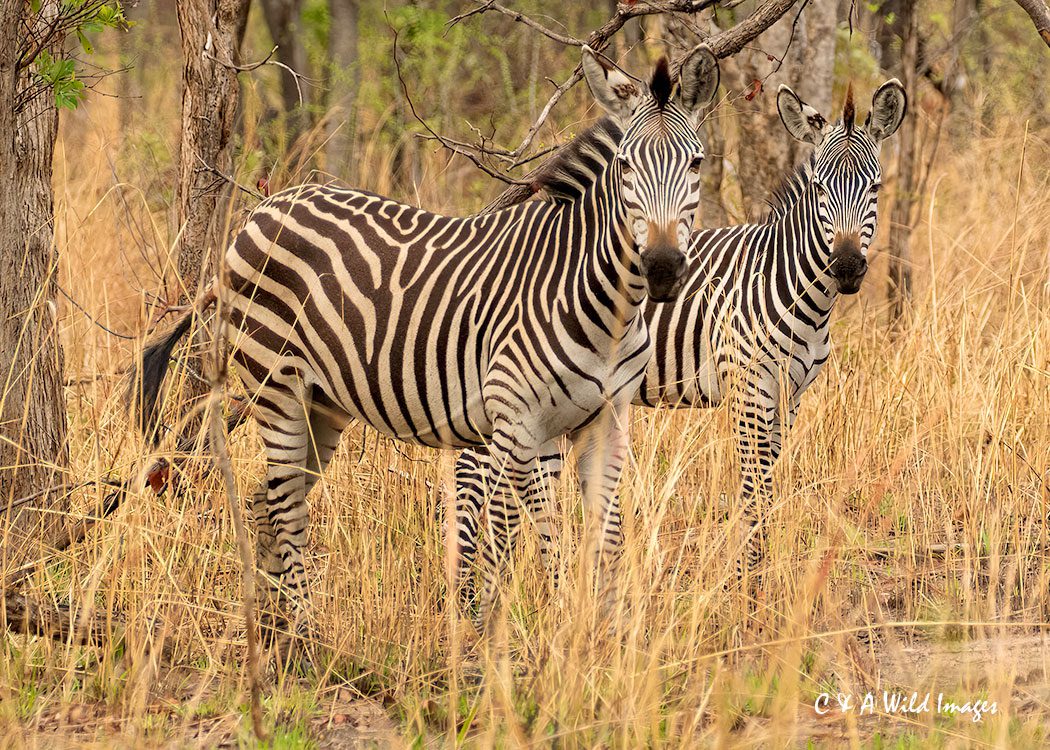
Close to Nkonzi Camp we came across a big herd of buffalo — the first large herd of the trip. Further on, where the beautiful miombo woodland opened out, we found a herd of zebra. We also stopped for a leopard tortoise making its slow, steady way across the track. They take their name from the leopard-like blotches on their shells. Although they are found right across the valley, they spend most of their time tucked away in the long grass and scrub, so it’s easy to drive past without ever seeing one. It was a real treat to watch one out in the open. But we had plenty of ground to cover, so we soon moved on.
Searching the Luwi River
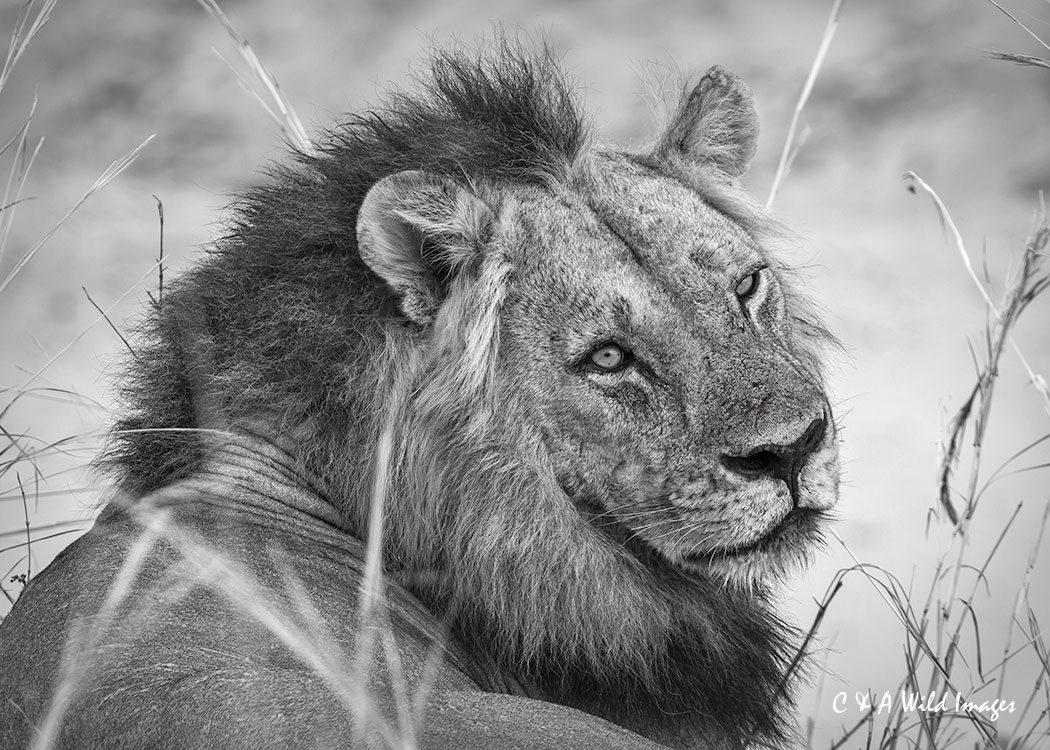
After about 45 minutes we came out onto the open plains along the Luwi River. Our two vehicles split up to cover as much ground as possible, looking for dogs and lions. One of the vehicles soon found a big male lion resting on the bank of the dry river. He was showing little interest in anything, so we left him to it and carried on searching for the dogs.
Sadly the dogs stayed hidden, so we went back to the lion and drove down onto the dry riverbed to get on his eye level. A sleeping lion doesn’t give you much to work with, but we did our best to get some close, intimate portraits.
We then followed the riverbank and found a quiet spot for our morning break. Everyone was in great spirits, and with no further sign of predators we began the long drive back south.
Birds, a monitor lizard and a leopard by the bridge
A little further down the road we passed the skeleton of an elephant. The overcast morning was good for birds too, with a green wood hoopoe, a Meyer’s parrot and an African fish eagle posing nicely by the lagoon in front of Mfuwe Lodge. Best of all, though, was a close view of a large monitor lizard sitting at the side of the track.
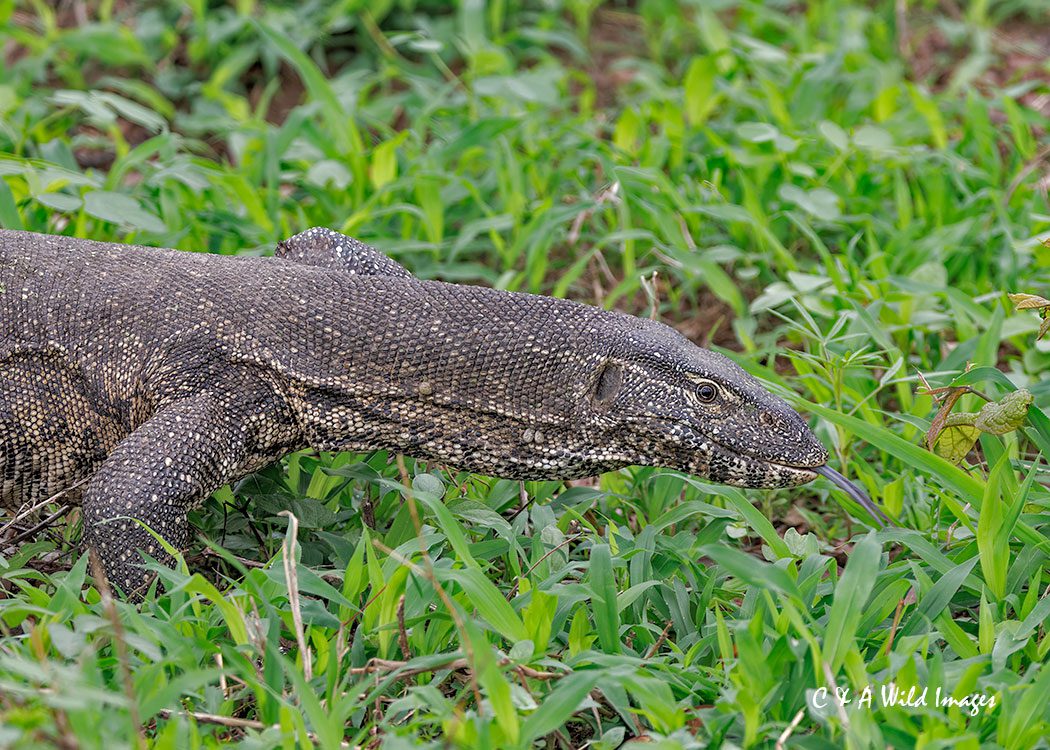
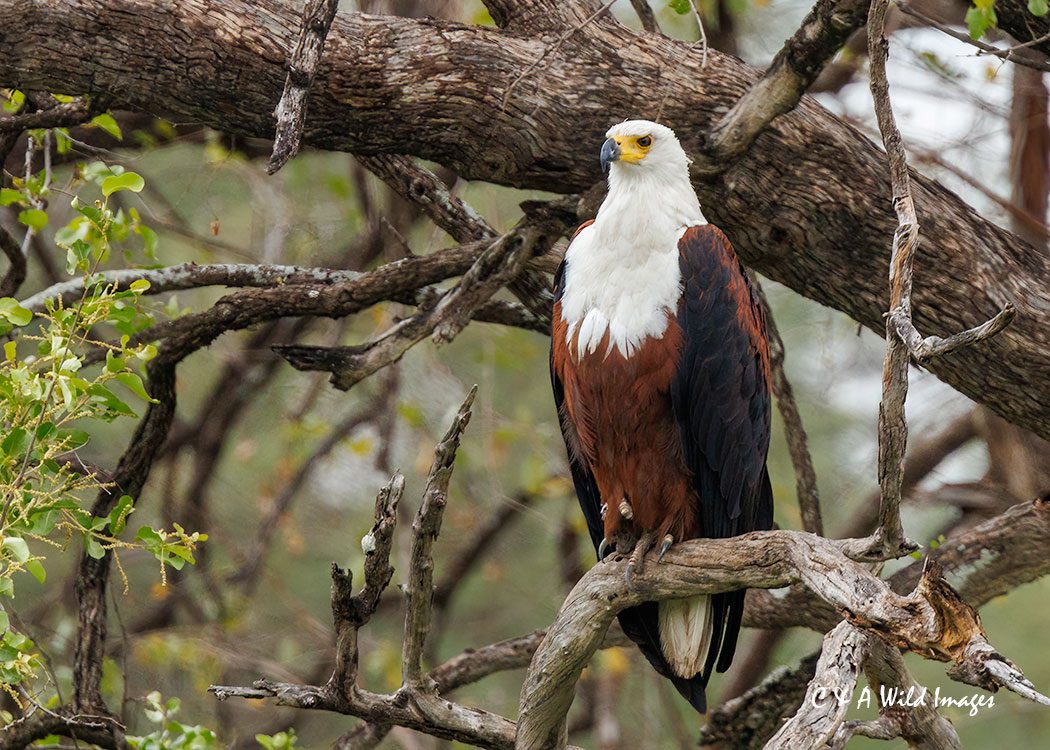
As we got back into the main safari area we heard there was a male leopard near the bridge at the park entrance. Sure enough, there he was, lying under a sausage tree. There wasn’t really a chance for photographs, but it was still lovely to see another leopard before heading back to Flatdogs for lunch.
Across the river to the Chichele pride
In the afternoon we didn’t go in through the main gate. Instead we drove south for about 15 kilometres along the road that follows the river’s eastern bank. This was the crossing we mentioned in our first post. Our vehicle drove onto the pontoon and was pulled across the river by hand, just as it was 27 years ago. It gives access to a quiet and beautiful area in the southern part of the main safari area.
As we crossed, hundreds of southern carmine bee-eaters lined the overhead wires. Others flew to and from their nest holes in the steep riverbanks.
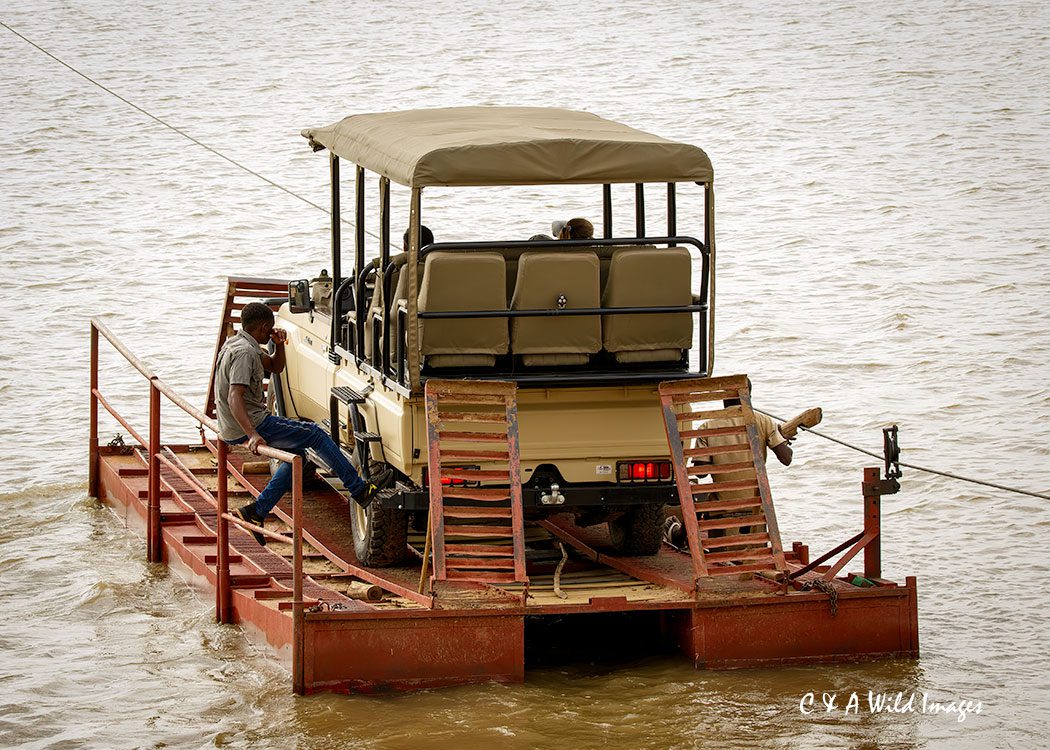
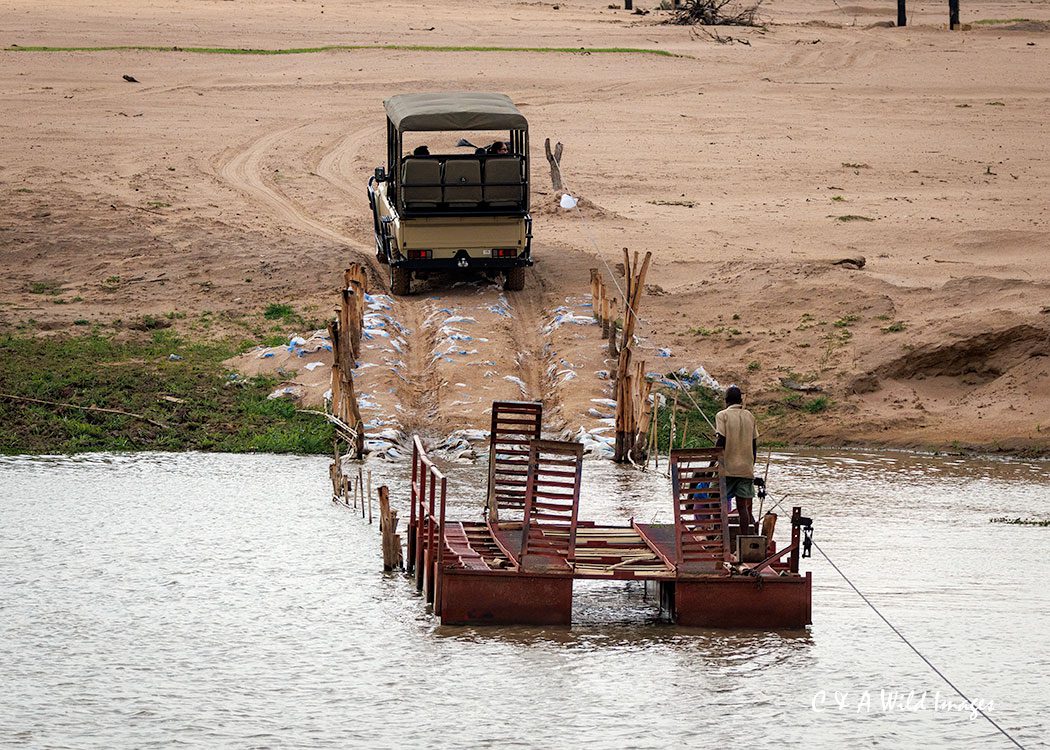
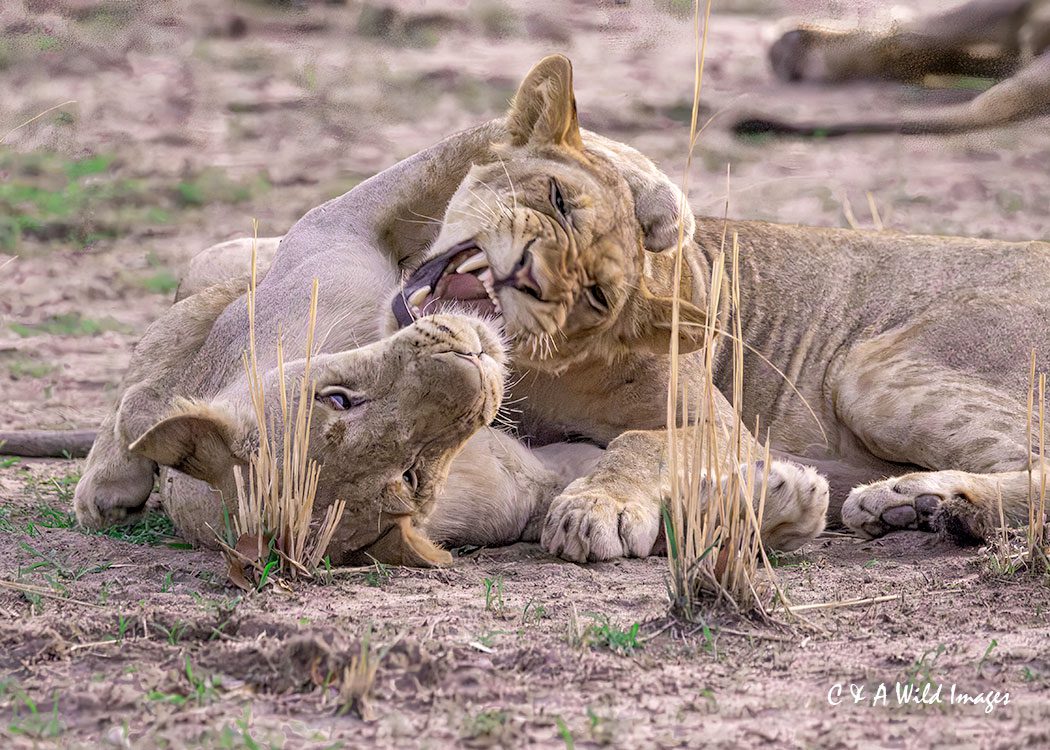
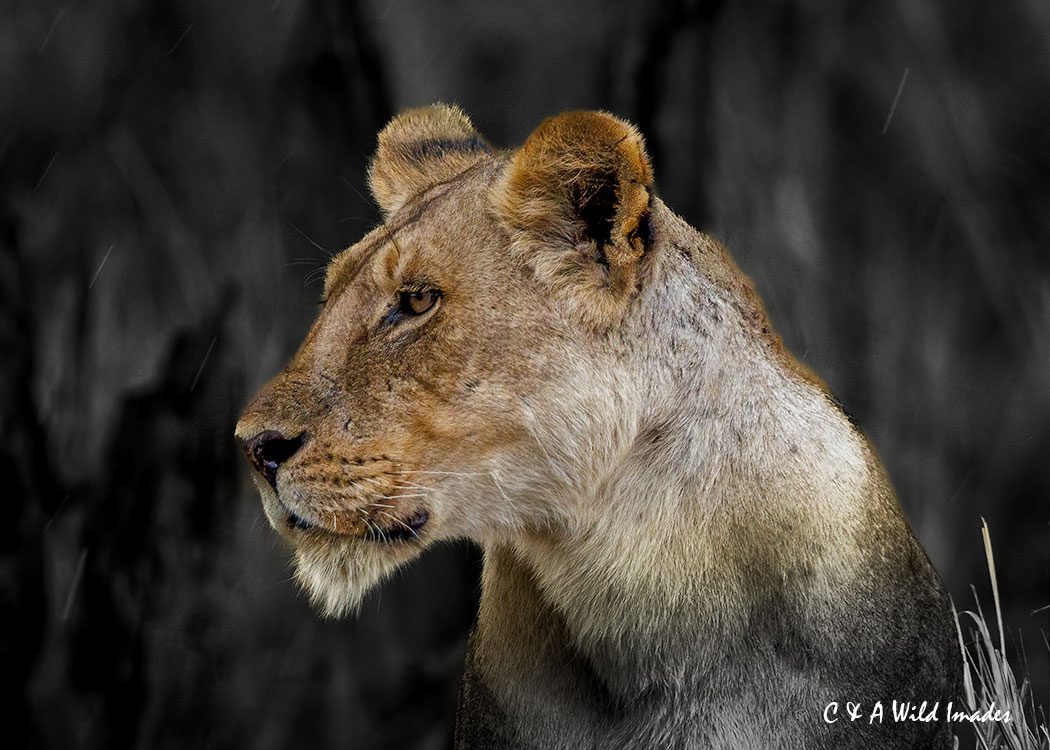
On the far side we were greeted by a lovely herd of giraffes, and then, only a few hundred yards from where we had left them the day before, the Chichele pride. One lioness sat up on a termite mound but kept her back to us the whole time. The rest of the pride lay spread out under a tree and among the bushes nearby.
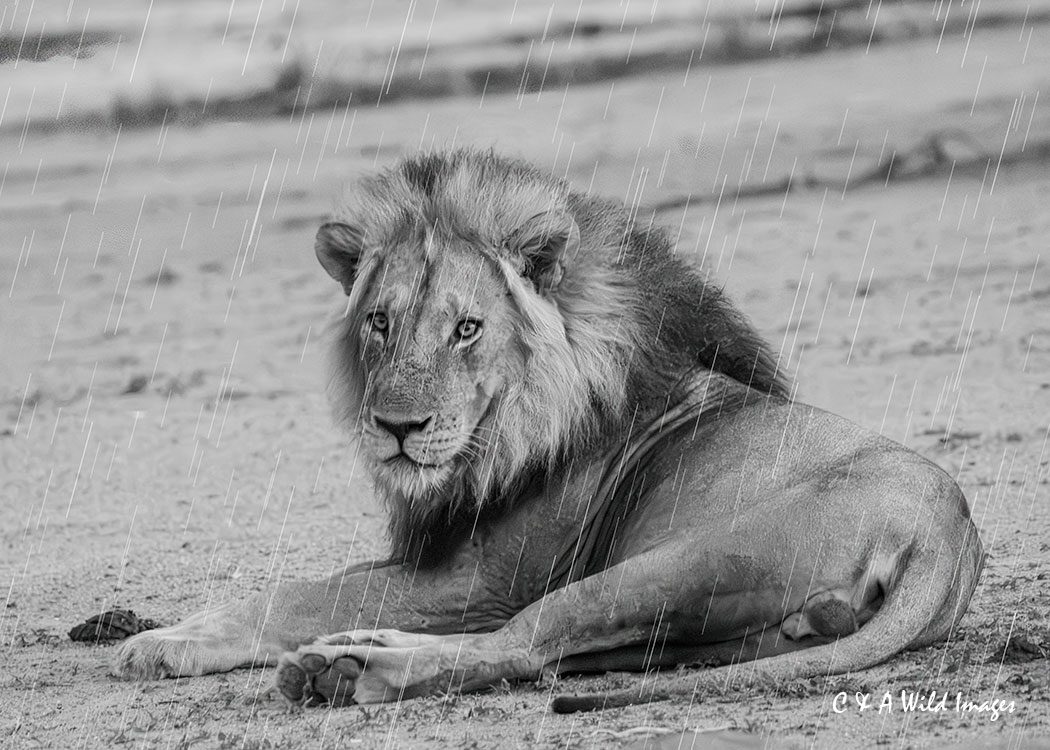
Then the rain began, and the lions started to move about, which gave us some memorable moments and good photographs. As the rain got heavier and the lions moved further from the track, we took a few last shots and left them to it.
Sundowners and a moonrise
Once the rain had cleared, we stopped for sundowners on Puku Ridge, with wide views over the mopane forest. Then we went back to see what the lions were doing. One of the big males was now sitting out in the open with the lionesses, posing beautifully in the soft, warm light of the setting sun. As the light faded the moon rose behind them — a wonderful end to another fascinating day.
It was a long night drive back to camp through a mix of riverine and dry scrub habitats. Along the way we saw white-tailed and bushy-tailed mongooses, a large-spotted genet, a spotted hyena and plenty of hippos. After such a long day out, we enjoyed another delicious dinner and were all in bed soon afterwards.