Wildlife in Lockdown
Since early March this year life has been very different in North West Norfolk. This was because of Lockdown. Unfortunately, we were unable to explore our usual local wildlife patches and reserves. Due to Coronavirus the majority of them had been closed. Therefore we decided to use our daily exercise routine to take a closer look at the wildlife on the village common.

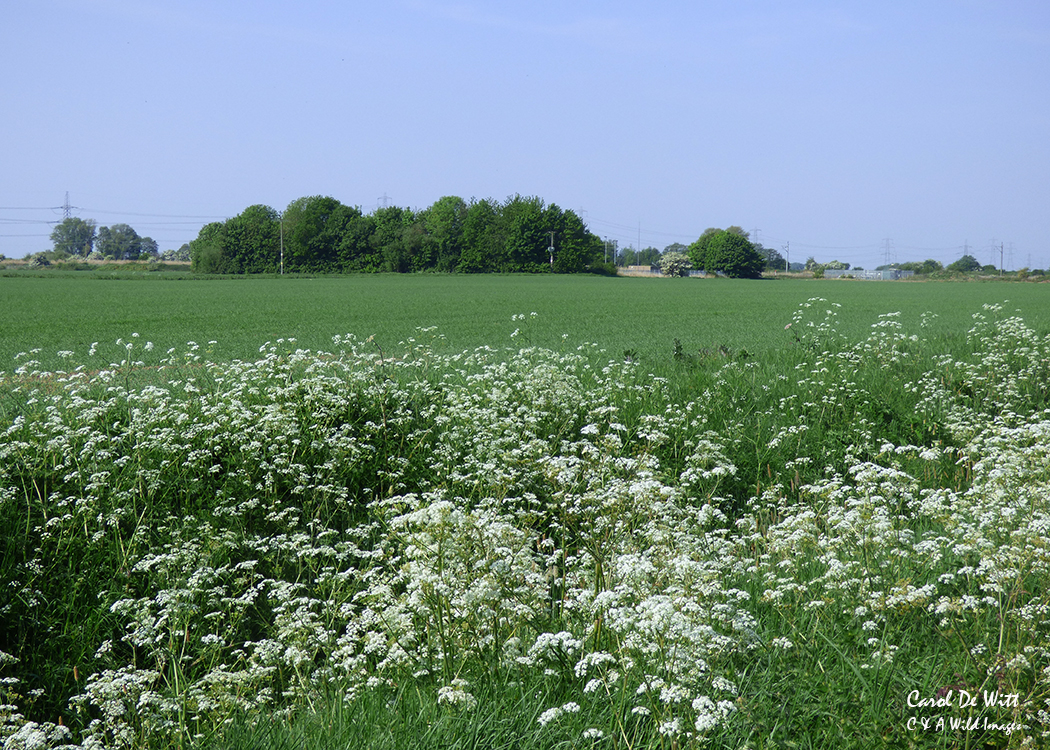

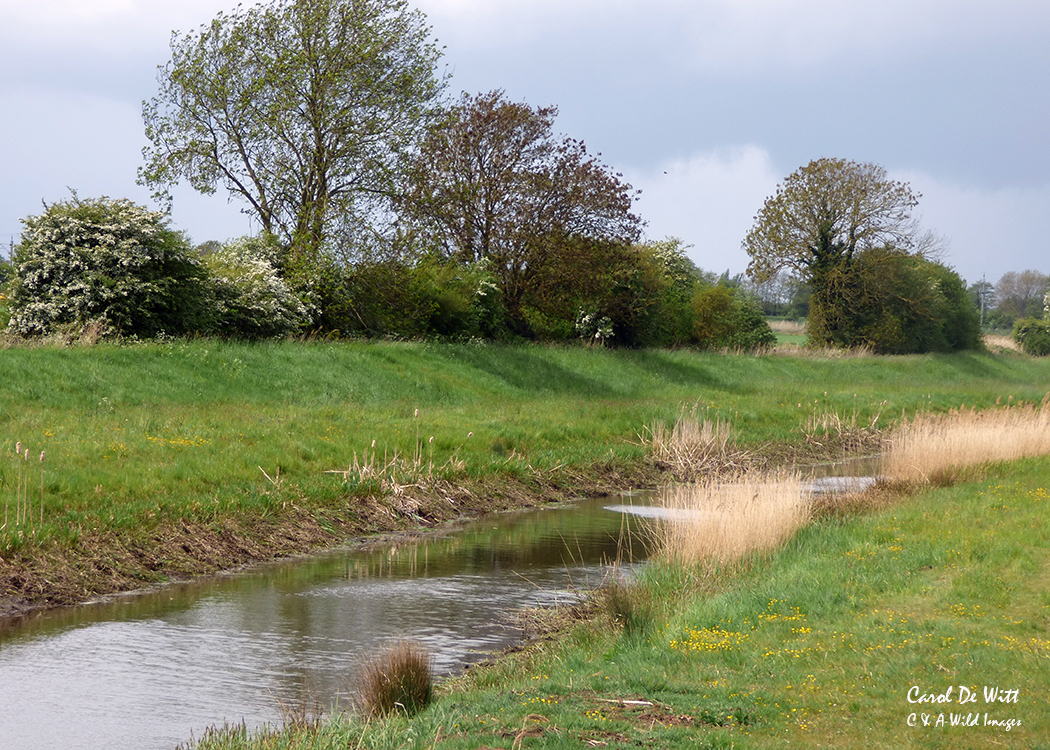

Views across the common

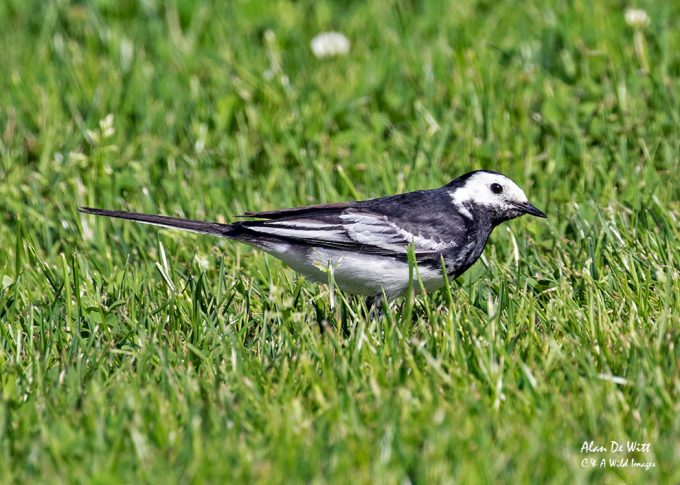
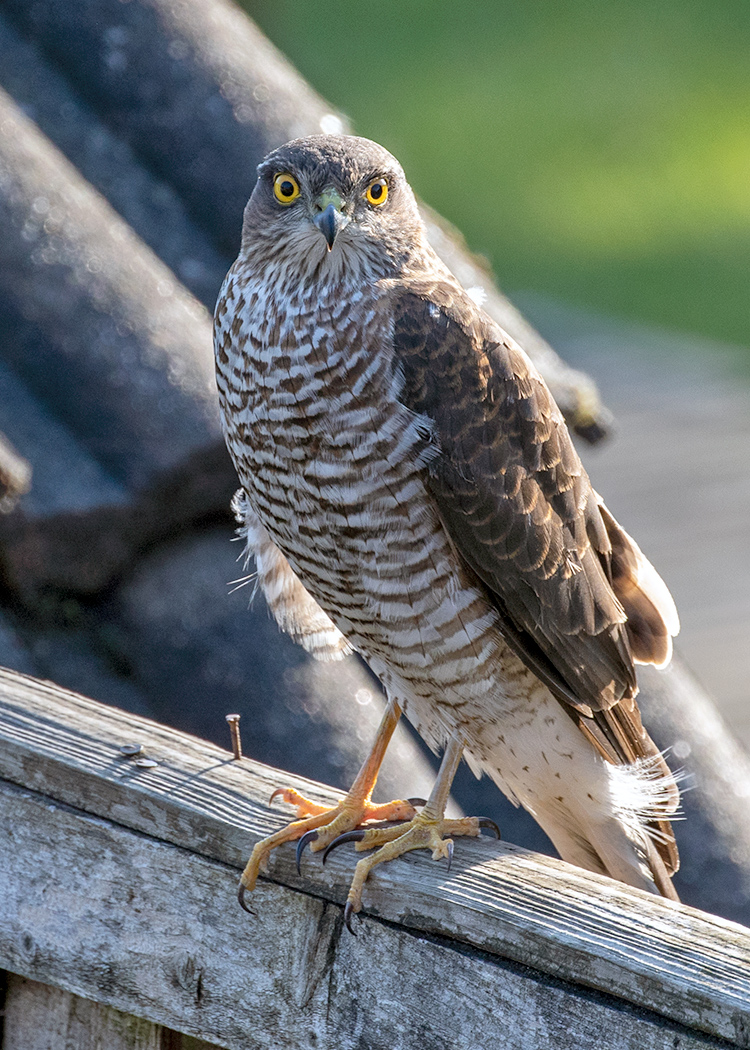
Lockdown for us began in the very early part of March, which this year coincided with the start of the sunniest and warmest spring on record. Already the number of birds using the garden feeding stations had increased. Four new species were regularly appearing :- male Reed Bunting, female Sparrowhawk, Jay and a pair of Pied Wagtails. Blue and Great Tits investigated our nest boxes. Eventually a pair of Great Tits built a nest, laid eggs and successfully raised six chicks.


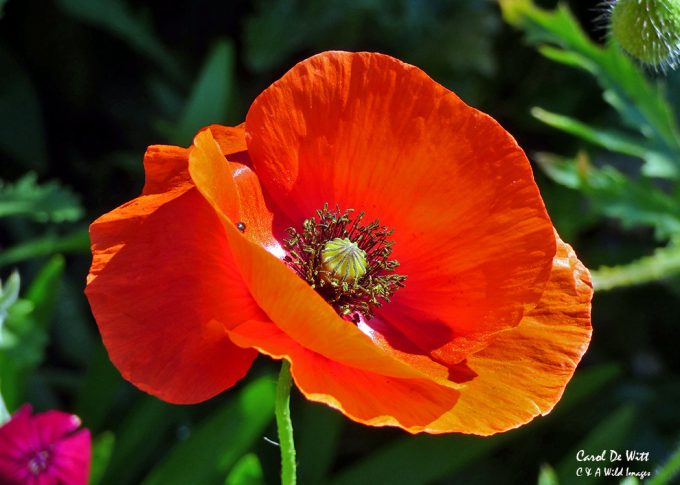
The wildflowers on the common were a delight to see and photograph. There were meadows full of golden buttercups, hedgerows with elder-flowers, brambles and wild roses. Then there was the emergence of the ox eye daisies and poppies. With more nectar the insects started to appear…bees, butterflies and dragon flies. We decided to extend the wildflower area of our garden and sowed wildflower seeds. In the flower beds we left the self seeded poppies, ox eye daisies and fox gloves.
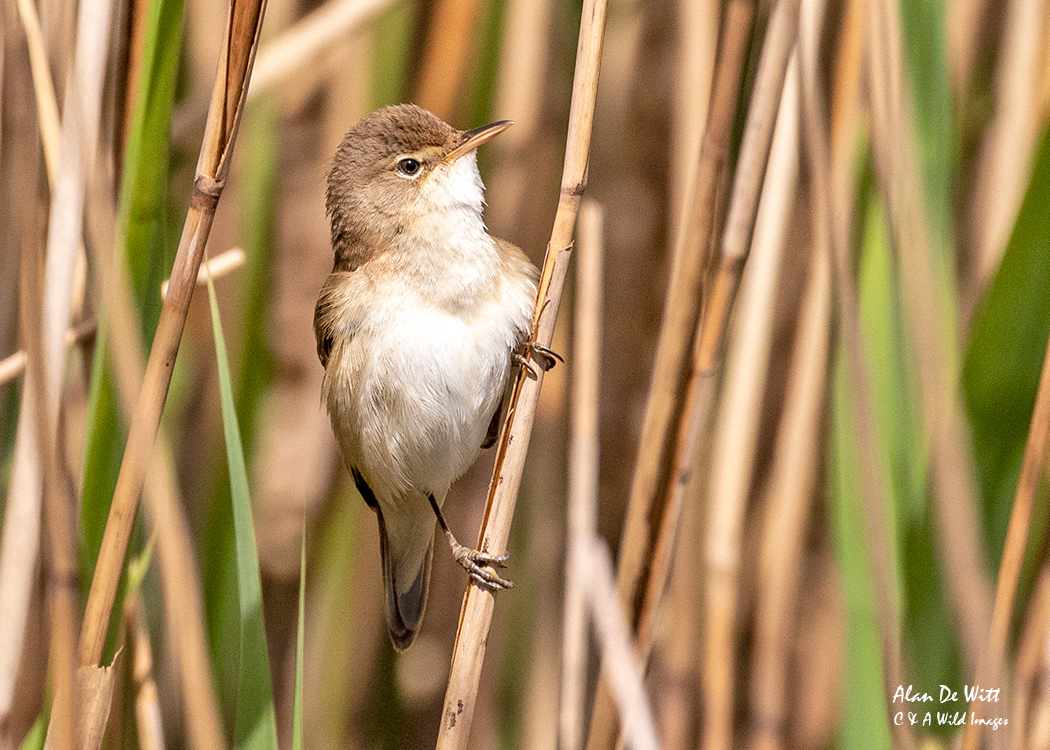
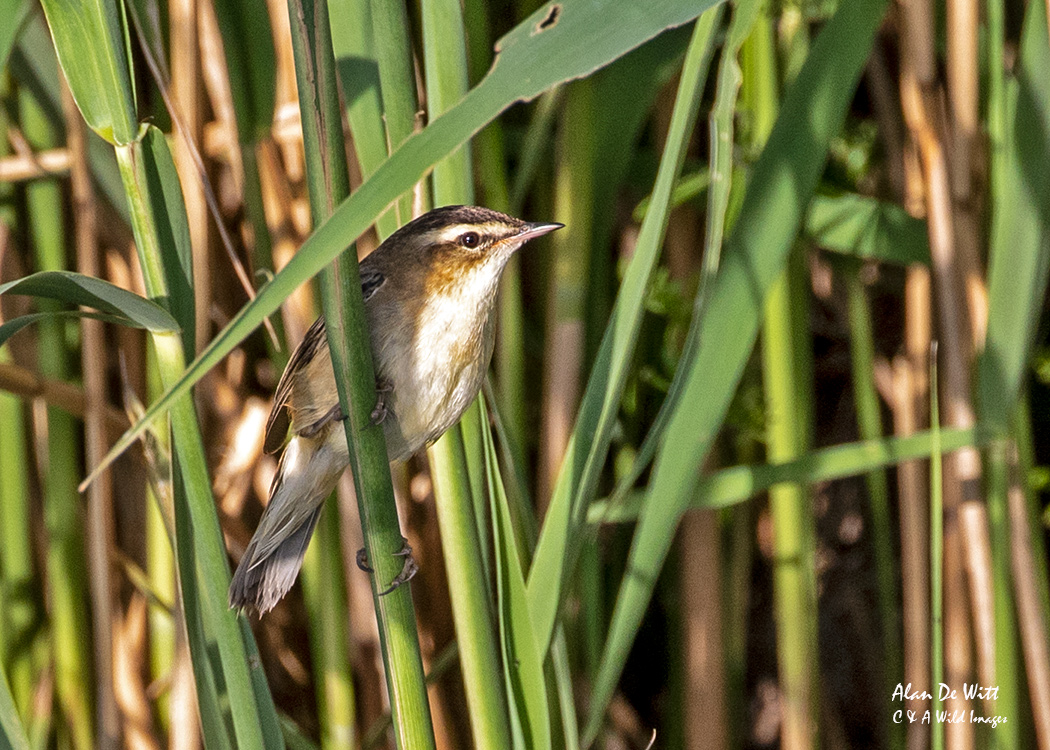
The warm lockdown weather may well have been the reason for the early arrival of a number of spring migrants. Our first walk was along the drain that runs the length of the common. The Reed and Sedge Warblers were already noisily setting up territories. They were singing loudly in the small areas of reed-beds that line the drain. As the warm weather continued, the previously unseen wildlife, continued to appear. The challenge for us was to try and photograph it.
A Visual Record Of Lockdown In A Norfolk Village
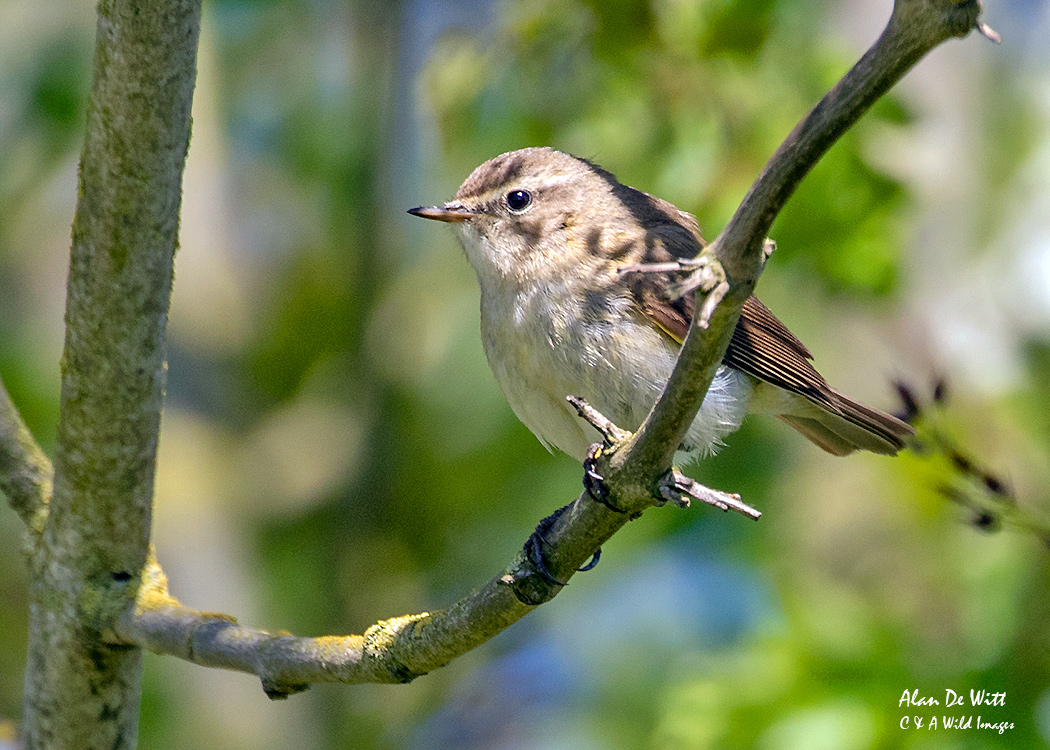
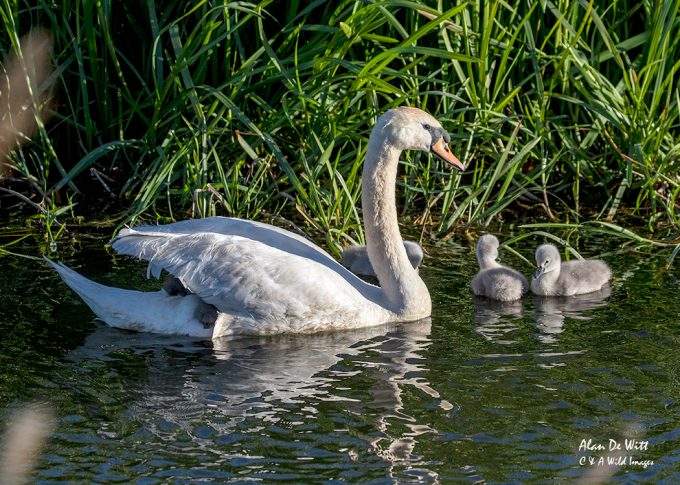
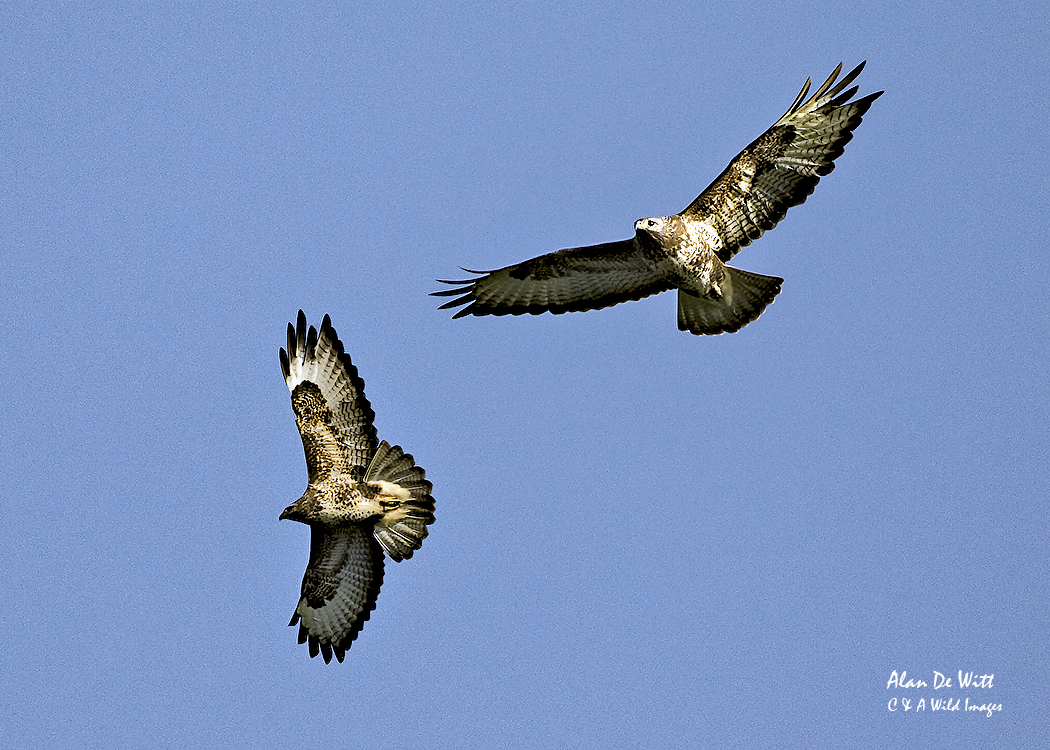
Below is a visual record of some of the birds and mammals that have made this part of North West Norfolk their home. What we have learnt from this period of isolation is that there is often more going on around your local area than at first meets the eye. For example, having lived here for some 30+ years, right under our noses, a family of Badgers had an extensive set, which had probably been in use for some years.
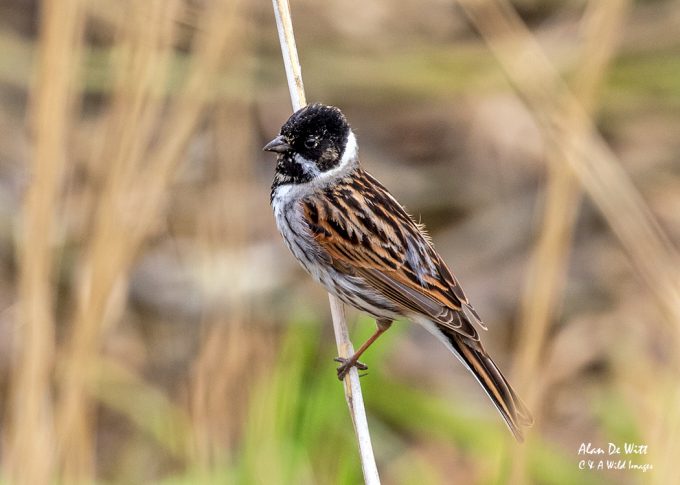
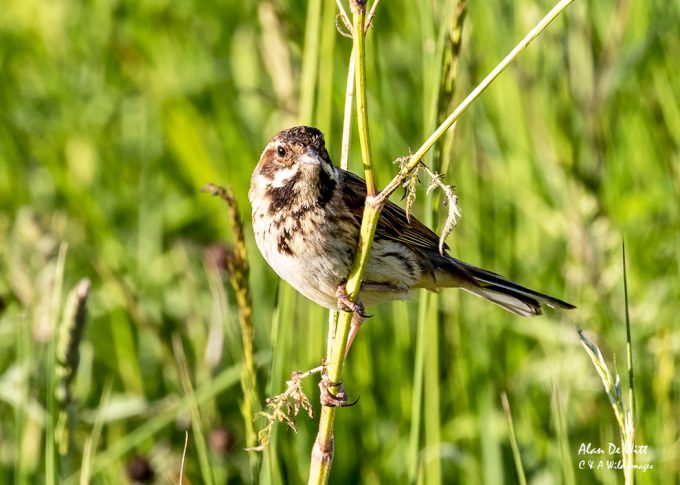
Male and Female Reed Buntings
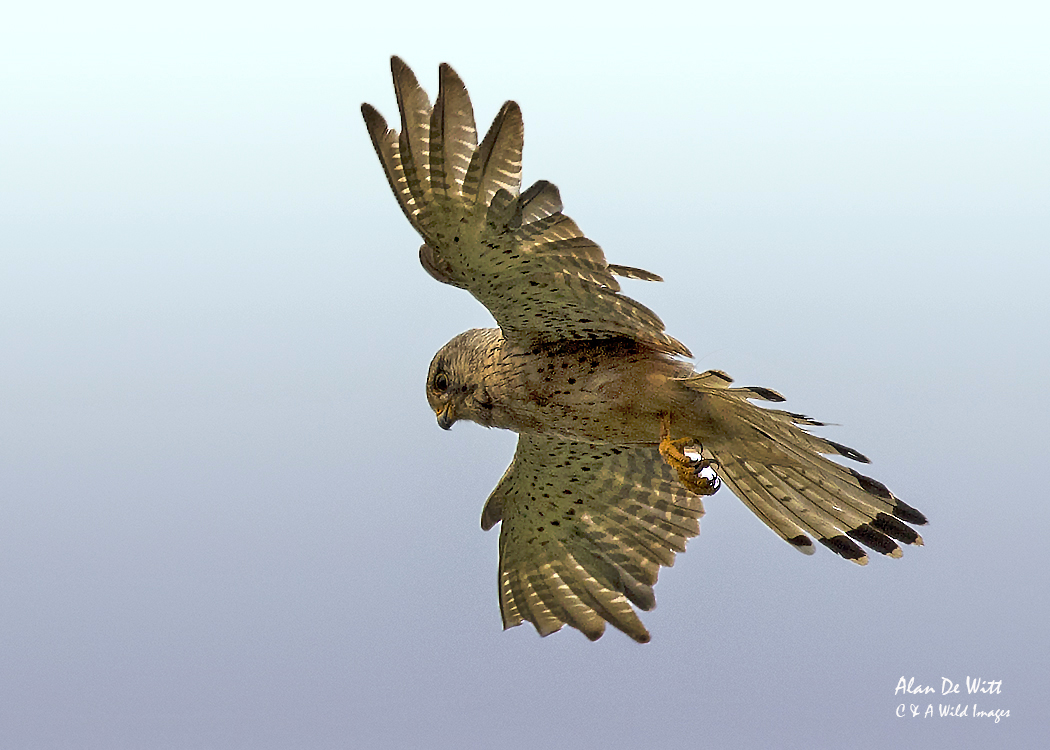
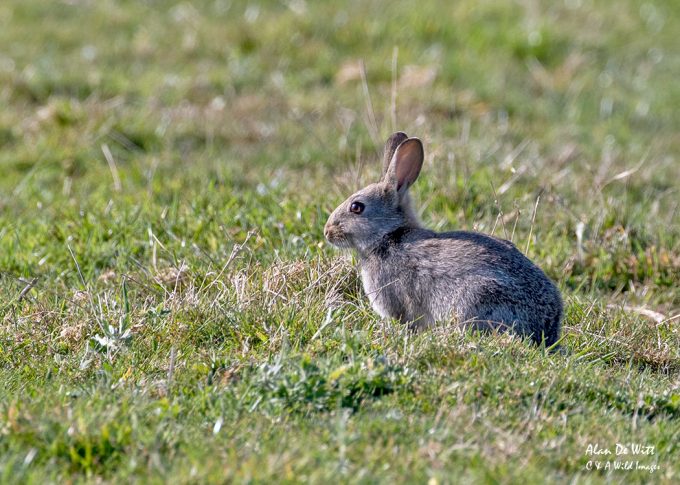
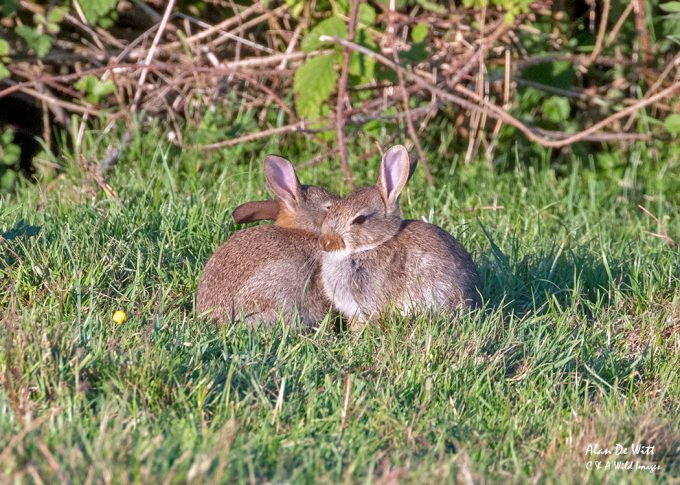
The Common supports a very health population of rabbits which in turn provides prey for a number of breeding Foxes.

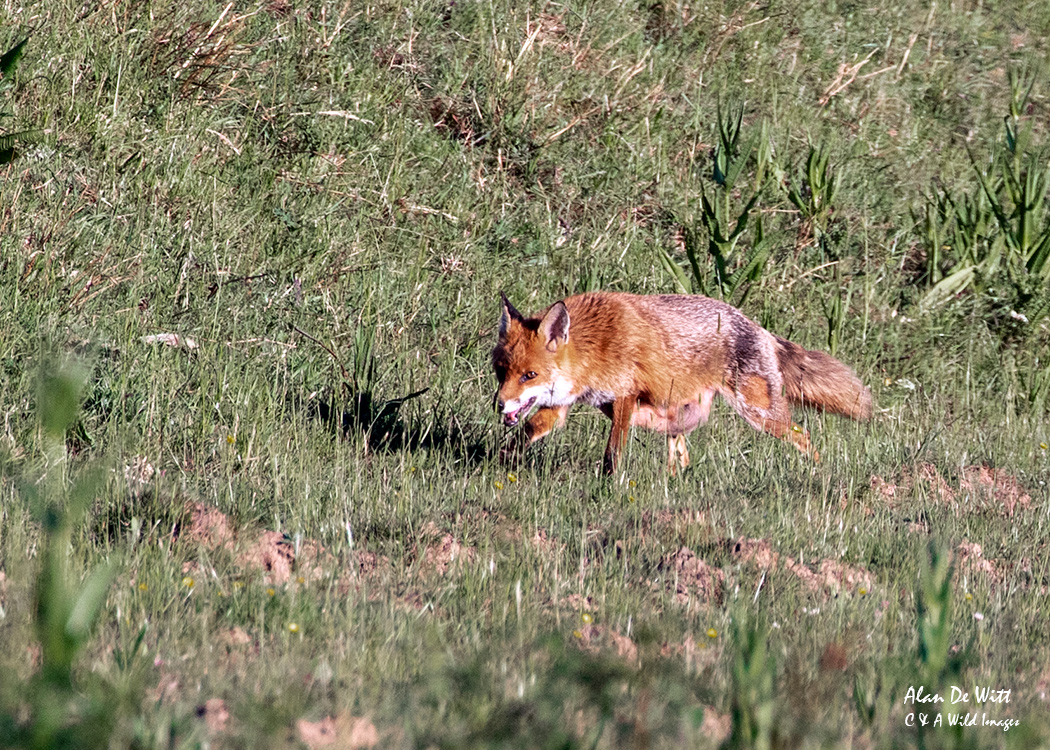
For some time there were rumours of Badgers frequenting the farm land adjacent to the common and occasionally being seen in one of the village gardens. Whether it was the lack of traffic or a change in their habits the rumours proved to be true. There were sightings on the common. Amazingly in our back garden the sow badger joined the nightly visits from one of the fox cubs.


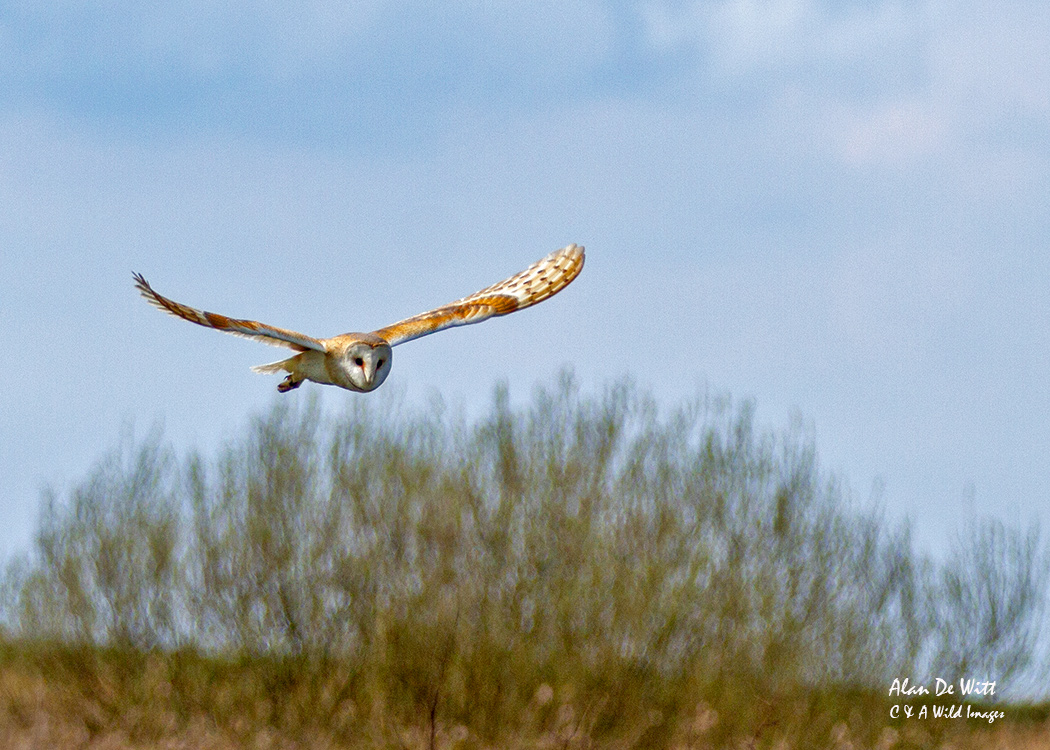
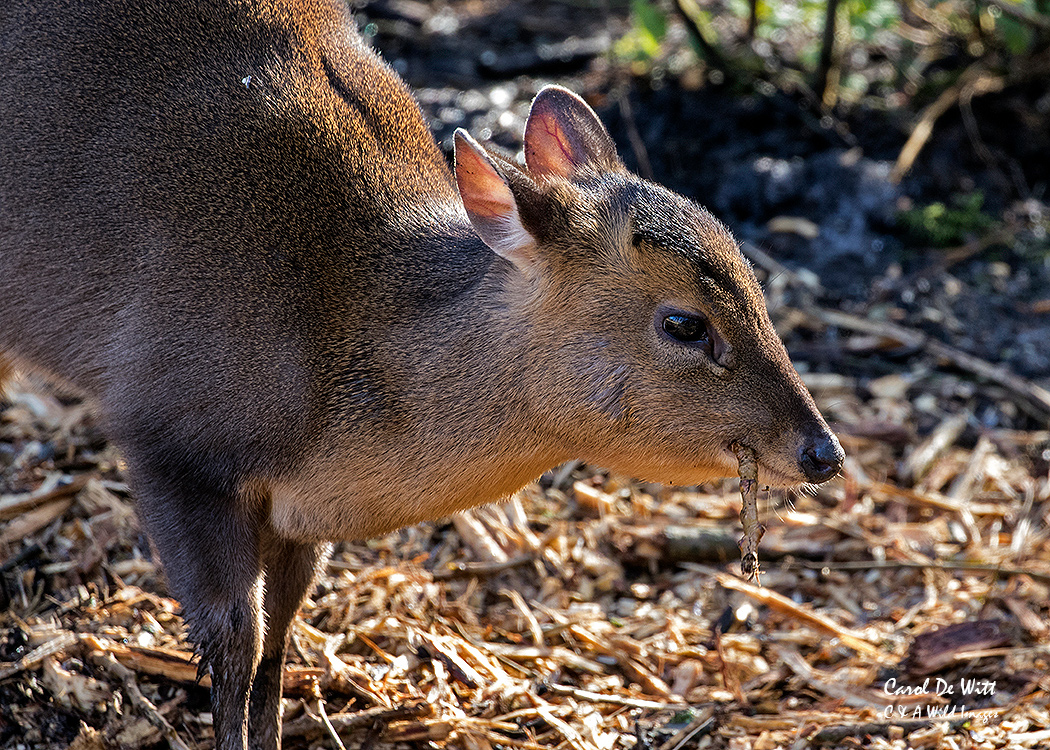
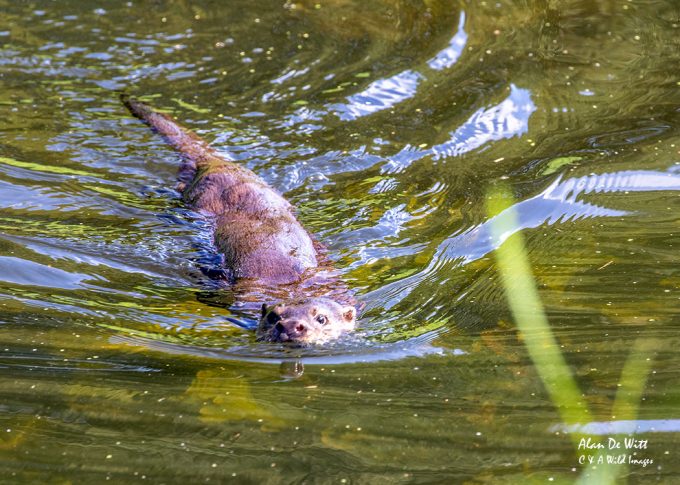
Other sightings in the local area over this spring have been Barn Owl, Roe Deer, Muntjac, one of which has been seen in the garden feeding late one night, Stoat and Otter.



Amazing pictures! Where abouts do you live?
Hi Andy Thanks for the comments glad you enjoyed the pic’s.