Exploring the Sundarbans
We’ve just returned from an interesting trip exploring the Sundarbans – one of the world’s largest mangrove ecosystems, stretching across the delta of the Ganges, Brahmaputra, and Meghna rivers in India and Bangladesh. It’s a place steeped in mystery, full of wildlife and waterways.
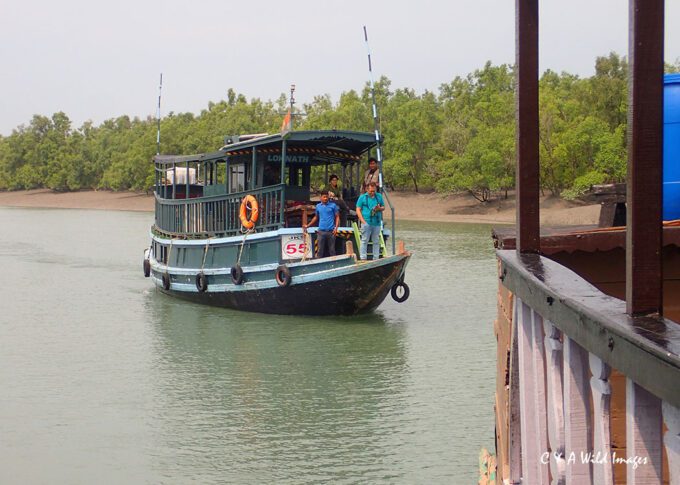
Our base for the trip was a comfortable jungle lodge set on the edge of the mangrove forest, the perfect starting point for daily boat excursions into the Sundarbans’ vast network of tidal rivers and creeks. Travelling by boat is the only real way to explore here – the land is constantly shifting with the tides, and much of the forest is only accessible from the water.
Birdlife at Every Turn
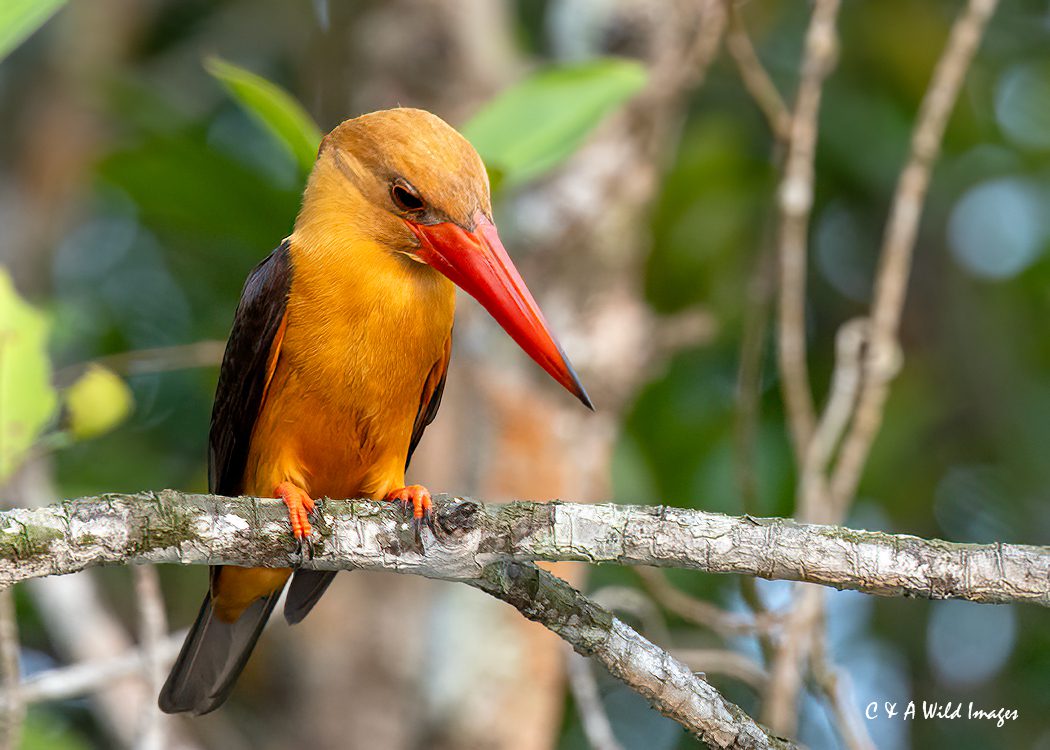
One of the highlights of the trip was the sheer number and variety of birds we encountered, both around the lodge and deep into the waterways. The forests and muddy banks were alive with bird calls each morning and evening. Kingfishers were particularly prominent – we spotted no fewer than five species during our time there. The Brown-winged Kingfisher, a regional special, was a real highlight. These shy, coastal birds are most at home in mangrove environments and were a delight to watch and photograph in such a remote, natural setting.
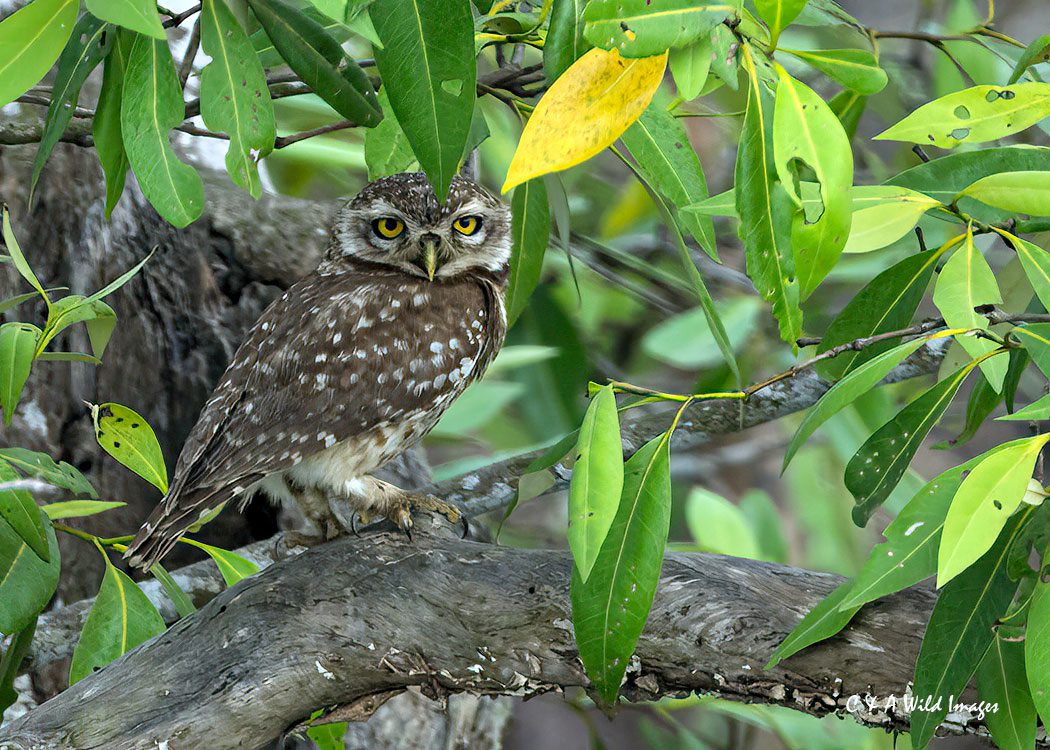
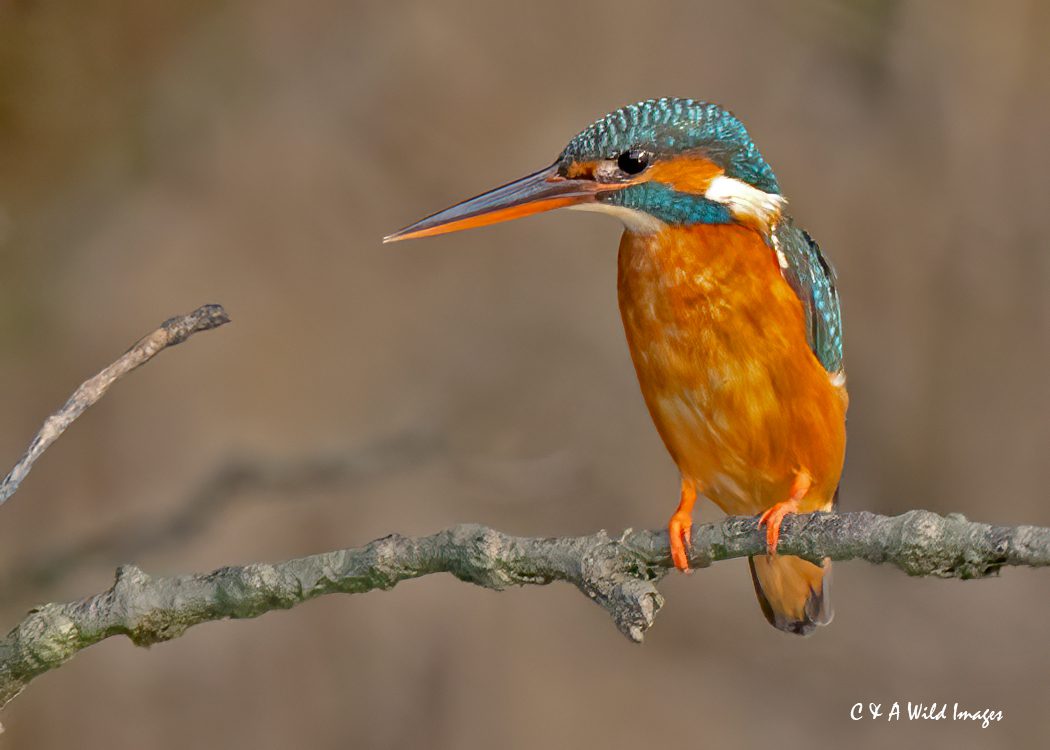
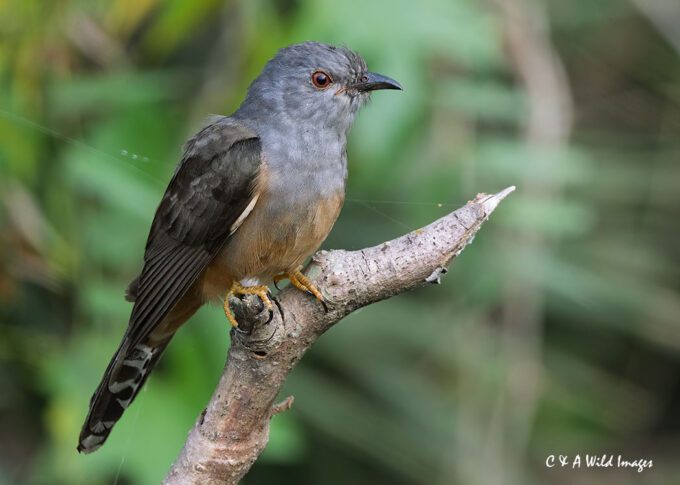
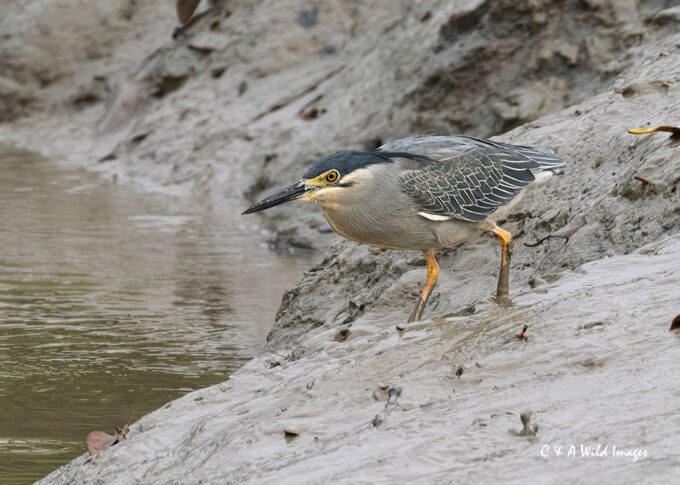
We also saw plenty of Collared and Black-capped Kingfishers, as well as the ever-familiar Common and Stork-billed varieties. Watching them hunt in the quiet of the early morning was a real treat.

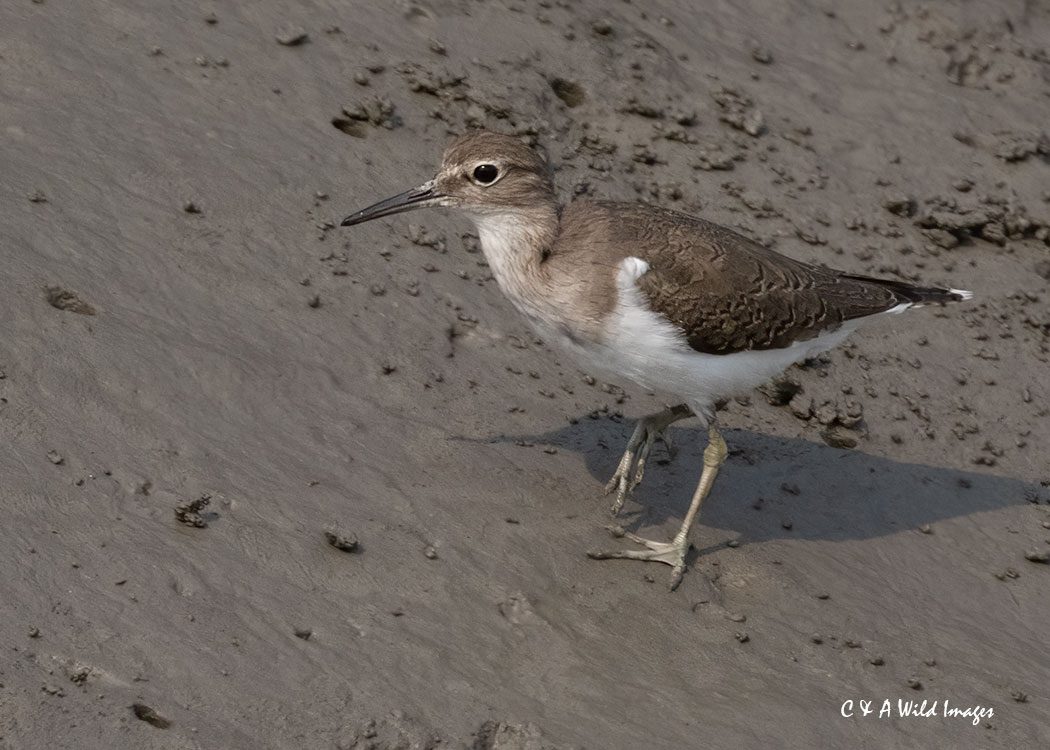
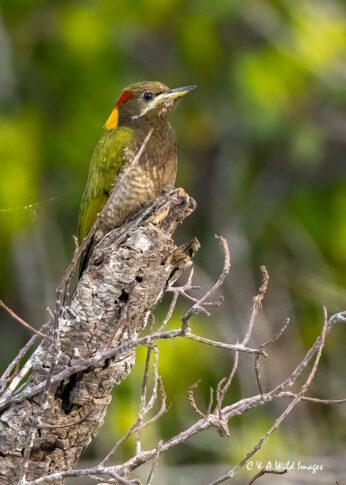
Other regular sightings included Lesser Adjutants, Brahminy Kites, egrets, herons, and various woodpeckers and flycatchers flitting through the edges of the forest. The waterways really come alive early in the day – it pays to get out before the sun gets too hot.

No Tigers, But the Signs Were There
The Sundarbans are perhaps best known as the home of the elusive Royal Bengal Tiger. While sightings are rare, the possibility of one appearing is always in the back of your mind when cruising through the narrow creeks. We didn’t get lucky this time, but we did come across fresh signs of a tiger – tracks in the mud where one had crossed between two islands a few minutes before we reached the area.
It’s worth noting that the tigers here have quite a reputation – Sundarbans tigers are known for their man-eating behaviour. It’s not fully understood why, though the challenging terrain, lack of prey, and the presence of people in their territory are all possible reasons. It adds another layer to the wild atmosphere of the place.

Crocodiles and Quiet Moments
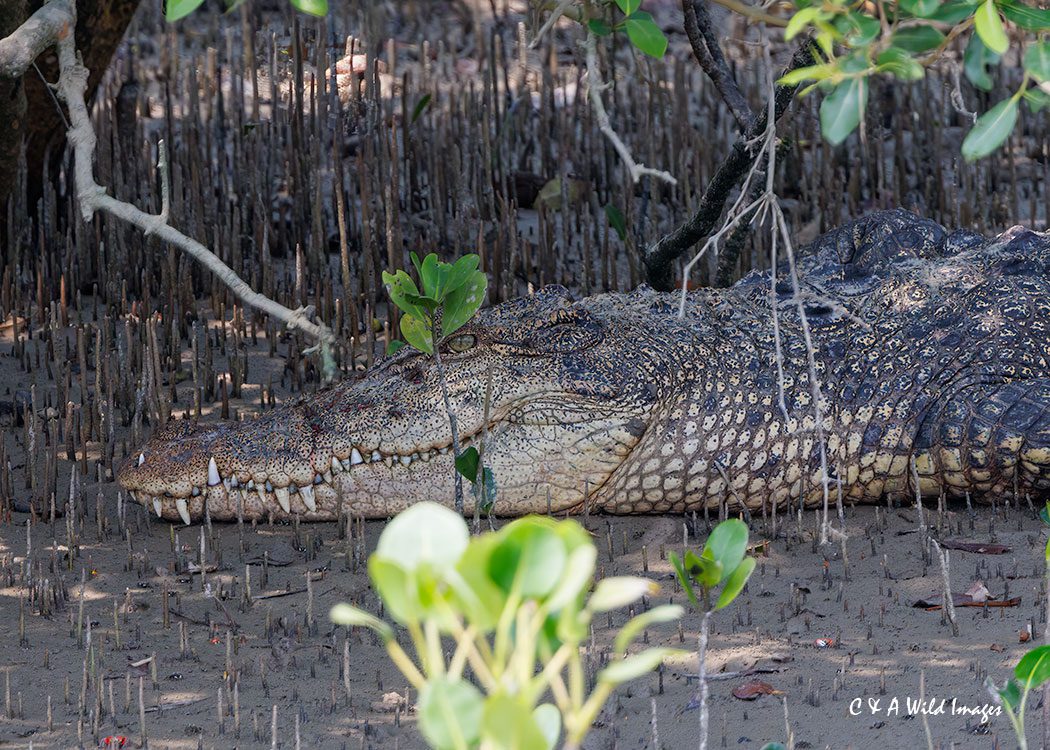
One of the standout moments was spotting a large Saltwater Crocodile – easily three metres long – basking on a muddy bank. These giants are top predators here, perfectly adapted to their swampy world.
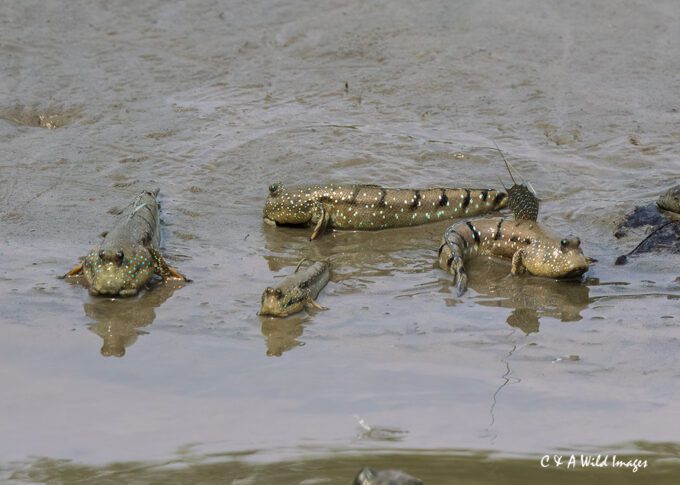
Equally fascinating in a different way were the mudskippers. These odd little amphibious fish were all over the muddy flats, hopping and skipping about. Watching them navigate their slippery world was strangely entertaining.
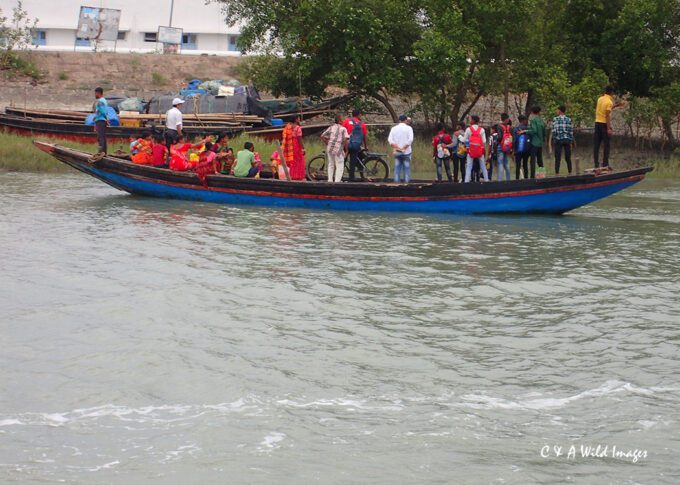
As wild as the Sundarbans feels, it’s also very much a working environment. Millions of people live on the surrounding islands, relying on fishing, honey gathering, and small-scale farming. Life here is tough – tides, storms, and wildlife (including tigers) are all daily concerns.



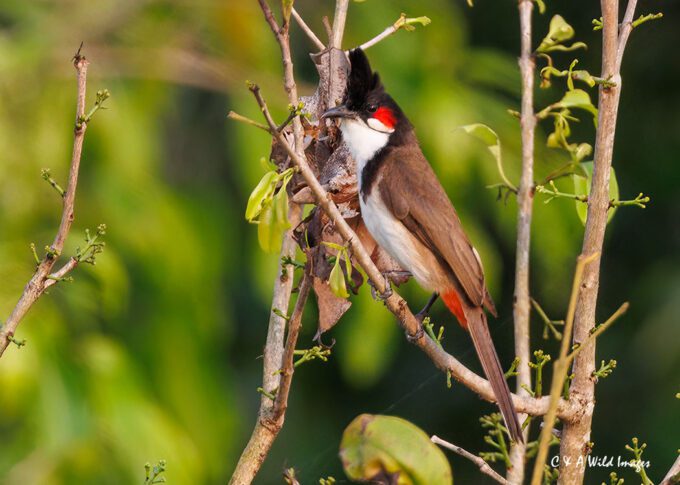
Back at the lodge, wildlife didn’t stop. The trees around the grounds were alive with birds – sunbirds, bulbuls, barbets, and more – and the occasional macaque or monitor lizard wandered through. Evenings were spent listening to the sounds of the forest, with a chorus of frogs and insects taking over after dark.
A Unique and Vital Place
The Sundarbans is a place unlike any other we’ve visited. It’s wild, humid, and challenging, but also peaceful and teeming with life. Its future remains uncertain in the face of rising sea levels and human pressure, but for now, it’s still very much alive – and an interesting place to visit.