The Brahmaputra and the Hoolock Gibbons
After a few days exploring the busy streets and rich cultural corners of Kolkata, we swapped city life for something much wilder — a journey down the mighty Brahmaputra River in Assam. This part of the country often gets overlooked, but it’s a fantastic region for wildlife, with a mix of forest, river, rural life and culture that feels far removed from the better-known tourist circuits.
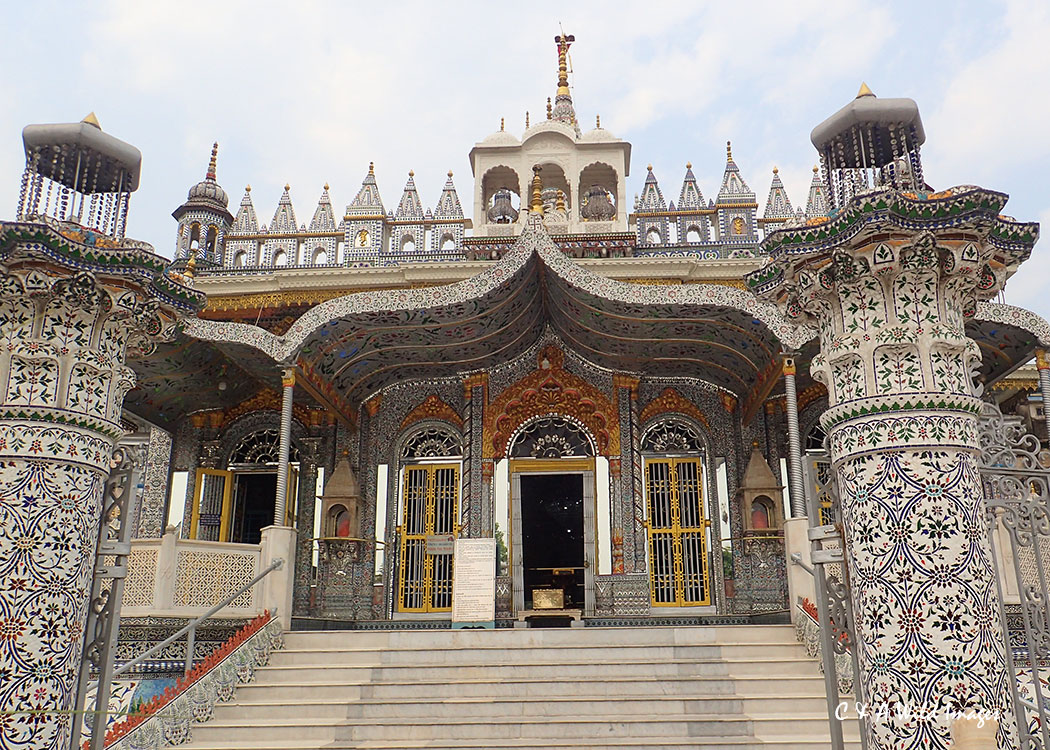

Before heading north, we spent a full day in Kolkata on a fascinating and unusual city tour. We began the day with a visit to the Parashnath Jain Temple in North Kolkata. A peaceful and ornate complex known for its mirror work, mosaics, and manicured gardens. The temple’s calm atmosphere was a striking contrast to the buzz of the surrounding city and a great introduction to Kolkata’s rich religious and architectural heritage.

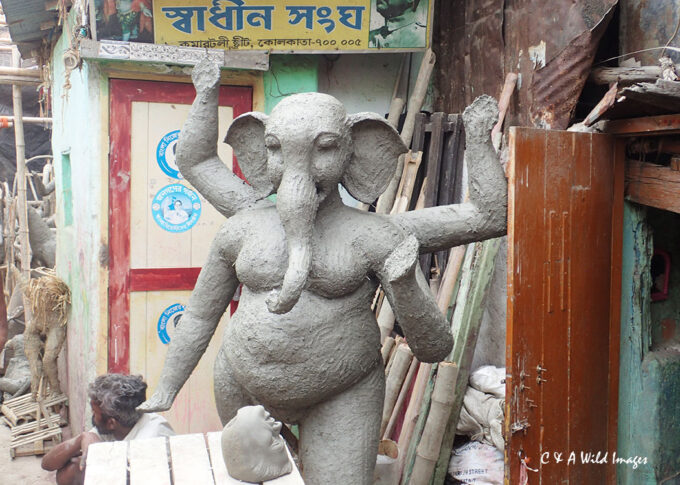
Next, we visited Kumartuli, the neighbourhood where skilled sculptors craft large idols for the city’s many festivals. Watching them work with straw, clay, and bamboo to build detailed, expressive figures was a real insight into Kolkata’s artistic traditions.
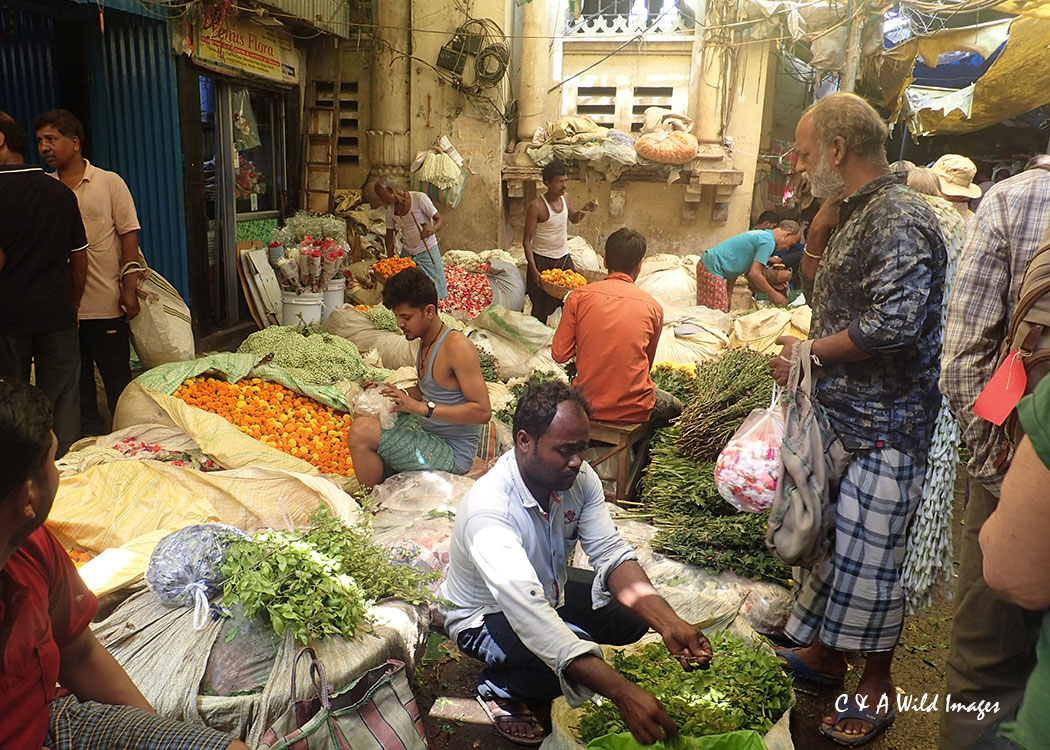

From there, we made our way to the Mallick Ghat Flower Market, one of Asia’s largest. It was an explosion of colour and activity, with garlands and baskets of marigolds being carried on heads, sorted into heaps, and bundled onto trucks — all against the backdrop of the iconic Howrah Bridge.
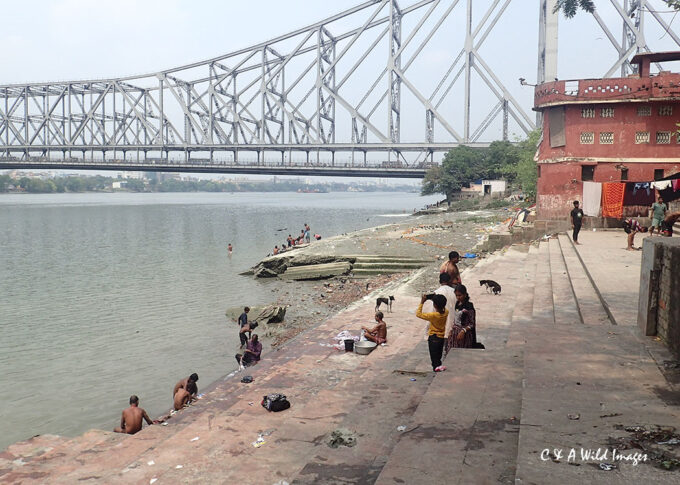

We also spent time at the ghats along the Hooghly River, a western branch of the Ganges, where daily life unfolds in quiet, rhythmic scenes — from morning rituals to clothes washing and everything in between.
Into the Wilds of Assam
From there, we flew up to Jorhat to begin our journey along the Brahmaputra, one of Asia’s great rivers. The scenery here was something else — shifting sandbanks, forested islands, and wide open skies that changed colour through the day.

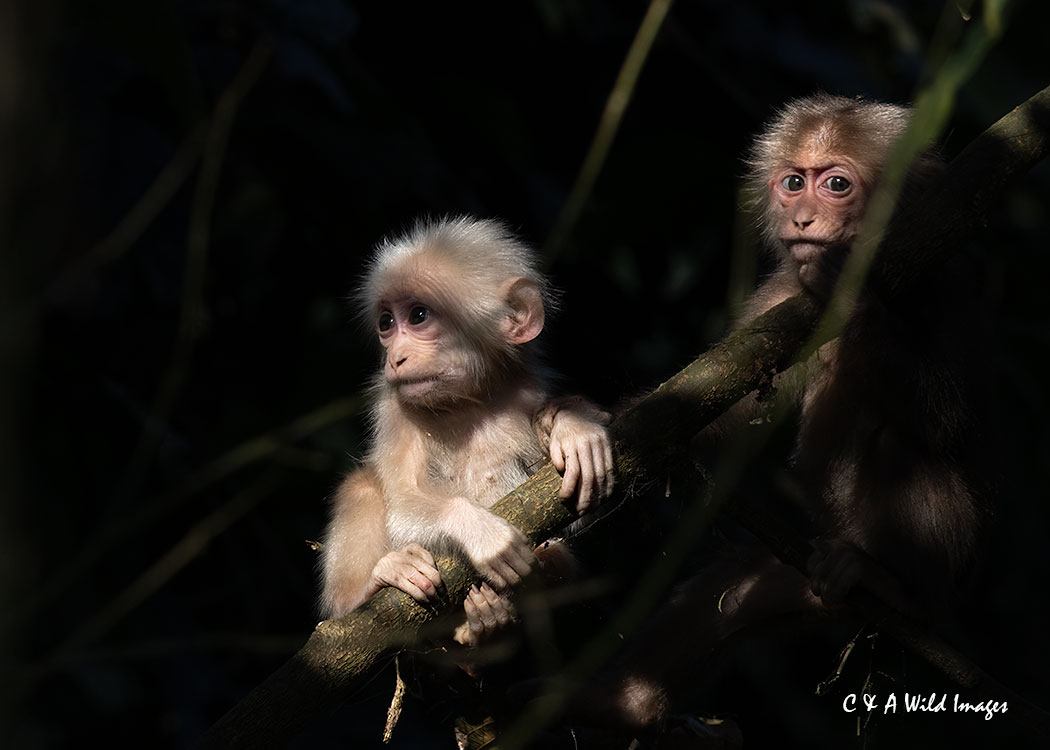
Our first major stop on the river was a pre-dawn excursion into forested hills known to be home to the Western Hoolock Gibbon, India’s only ape species and one of the region’s most endangered primates. The journey started with a trek through thick forest where, before we even got close to the gibbons, we came across a large group of Stump-tailed Macaques, sometimes known as Bear macaque. Their reddish faces and bulky build made them easy to identify.

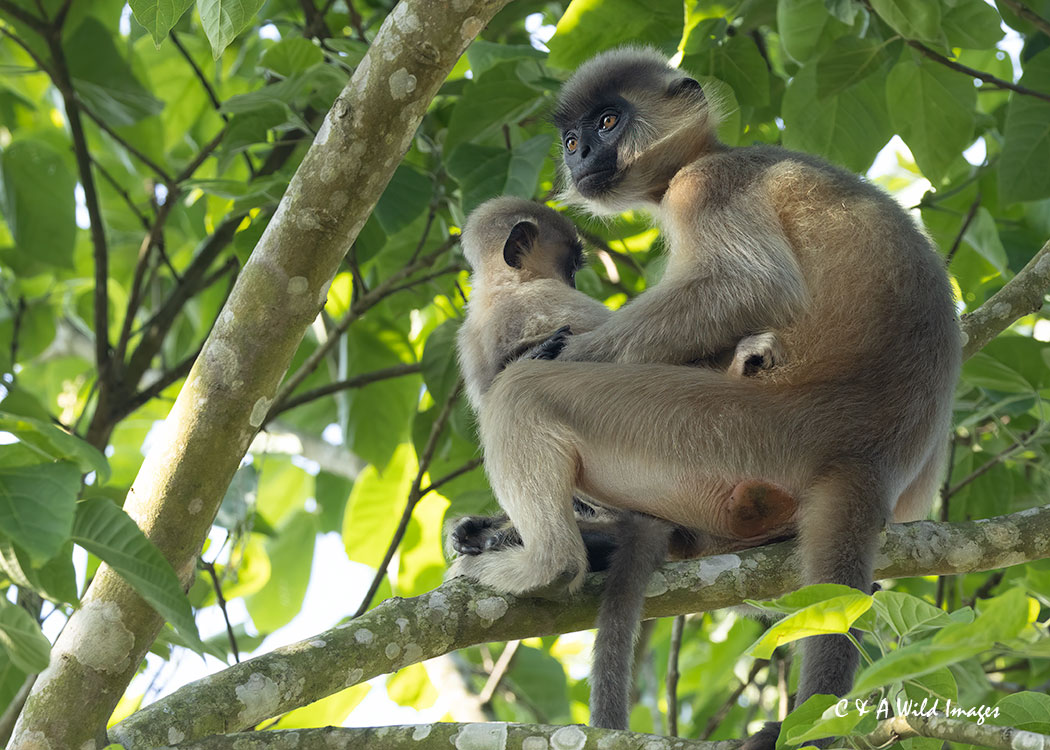
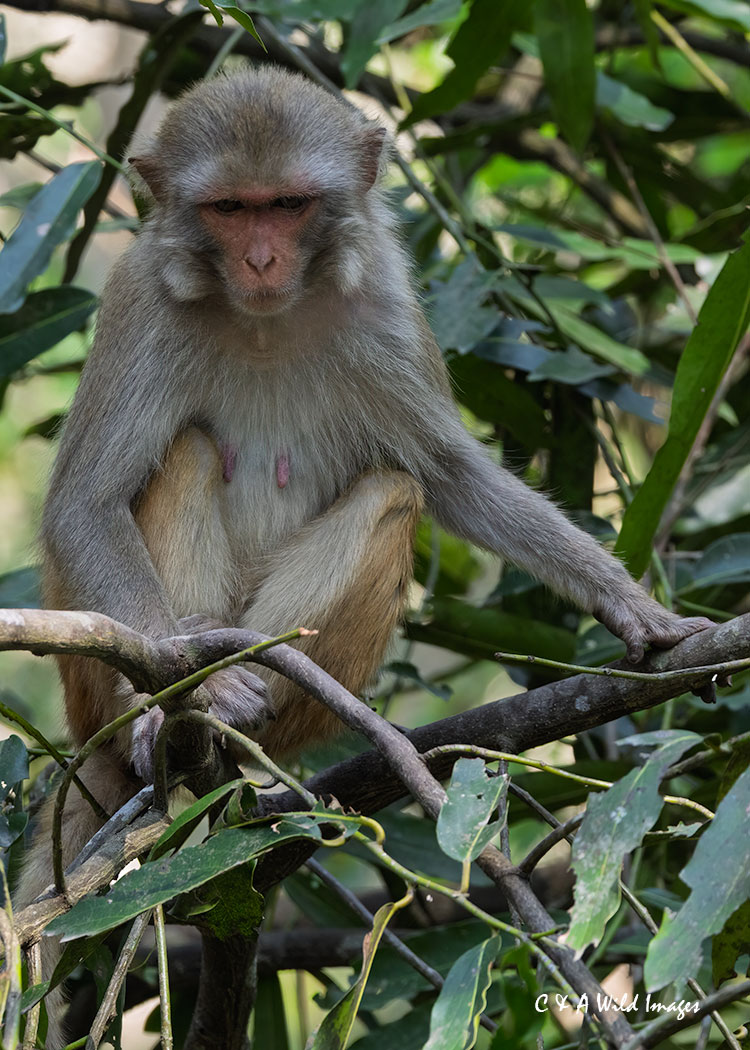
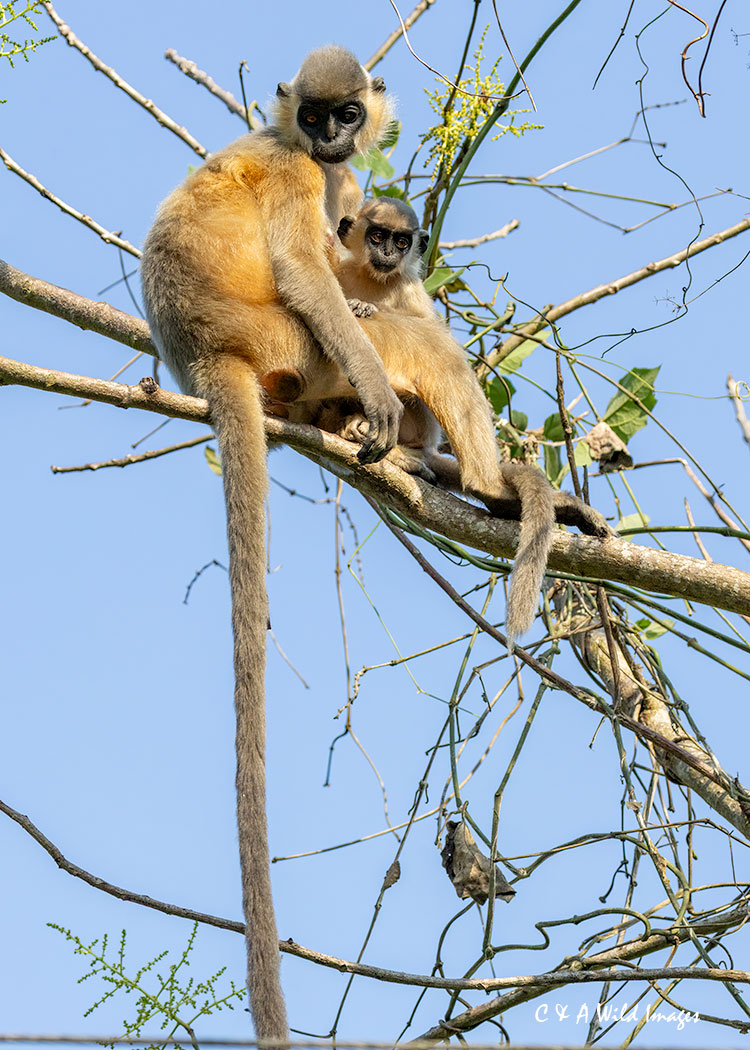
We also saw Capped Langurs, with their soft grey coats and black caps, moving quietly through the trees, and the more familiar Rhesus Macaques nearby, never far from human habitation.
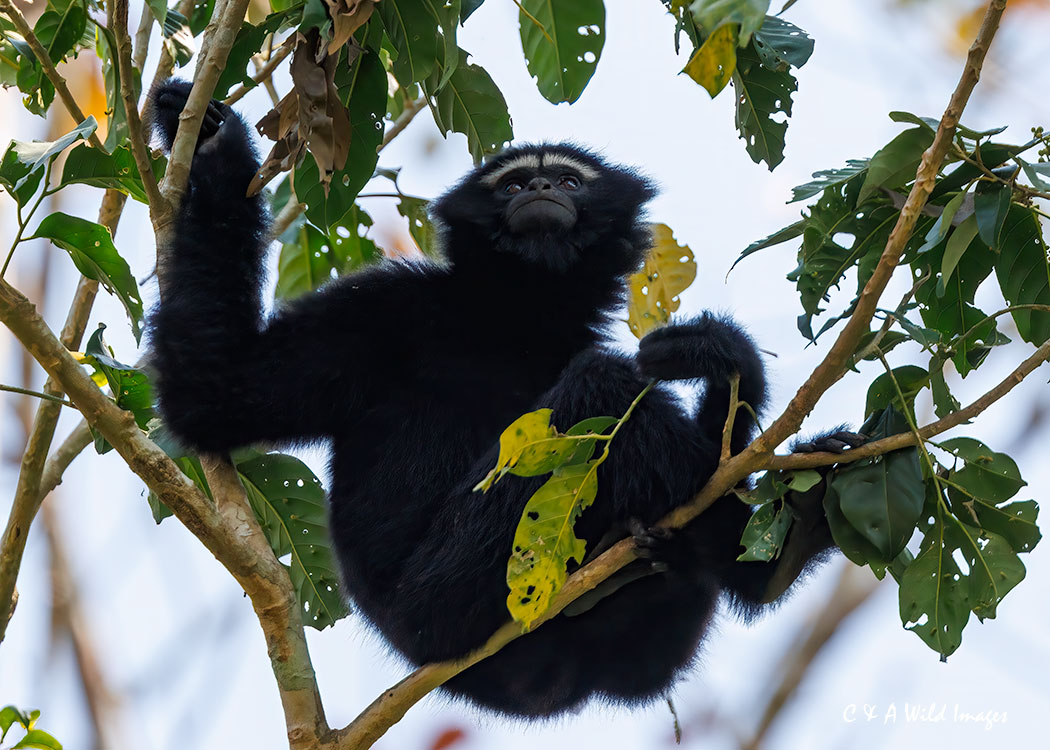
After some careful tracking and a bit of patience, we finally spotted what we had come for — a pair of Hoolock Gibbons, a male and female, swinging high in the forest canopy. They stayed mostly in the upper branches . Photographing them was a challenge with the light and foliage, but it was a privilege just to watch them in their natural habitat.
Cultural Encounters and the Road to Kaziranga
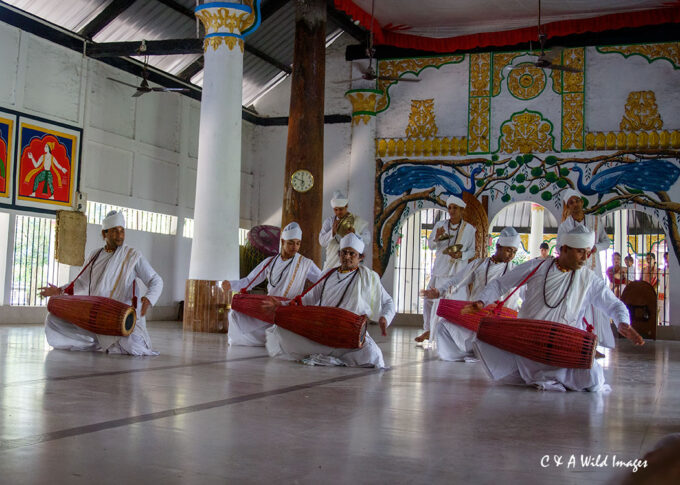
Back on the Brahmaputra, we made a memorable stop at Majuli Island, one of the world’s largest river islands and a unique centre of Assamese culture. It’s a peaceful place, dotted with monasteries known as satras. Where we had the chance to watch drumming monks performing their traditional rhythmic rituals. A fascinating blend of music, devotion, and storytelling.

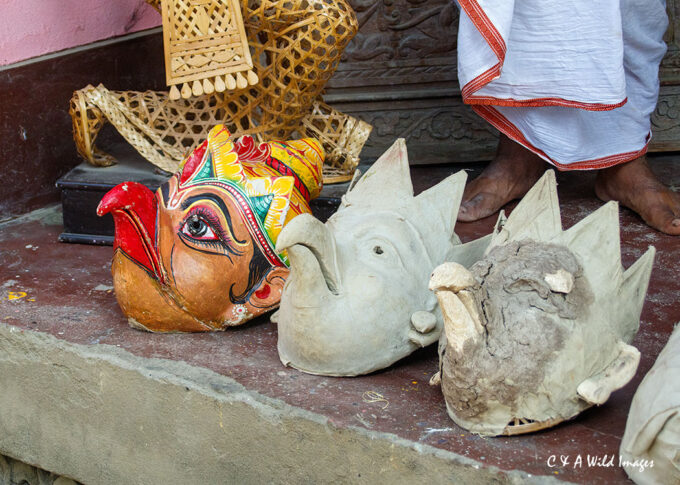
One of the highlights was visiting a monastery renowned for its mask-making tradition. The intricate, hand-crafted masks are used in religious performances to depict characters from Hindu mythology. It was a brilliant mix of artistry and heritage, and a real insight into the island’s rich cultural life.

From there, we continued our journey down the Brahmaputra to Kaziranga National Park. A UNESCO World Heritage Site and one of India’s top wildlife destinations.