Day Six in South Luangwa: On the Trail of Wild Dogs and a Leopard at Sunset
This is part six of our South Luangwa safari. Catch up with Return to South Luangwa, Searching for Lucy and Her Cubs, Day Three, Day Four and Day Five.
After the grey skies of the day before, the sun was just coming up as we drove into the park. It turned into a morning that belonged to the birds.
A morning of birds and smaller things
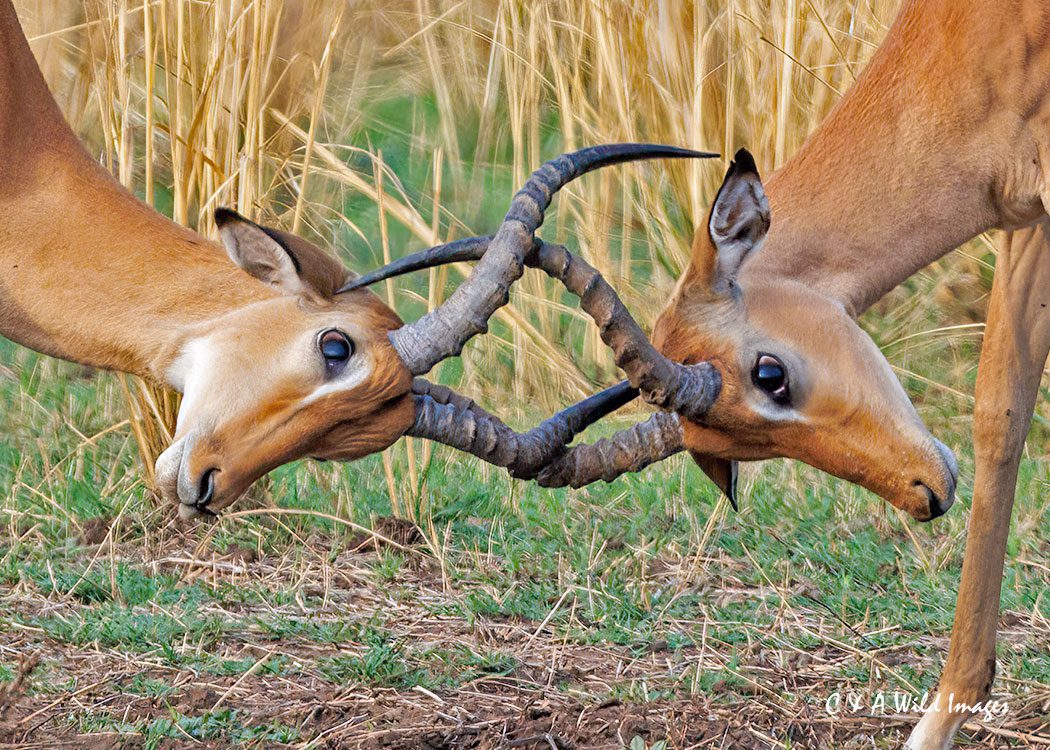
A western banded snake eagle was perched high in a dead tree beside the road. Over the next hour or so we added a giant kingfisher, a paradise flycatcher and more southern ground hornbills. Our favourite was a collared pratincole sitting right in the middle of the track, soaking up the early sunshine. We photographed whatever would sit still for us. We also stopped for two impala rams sparring in the long golden grass near where the Mushilashi meets the Luangwa.

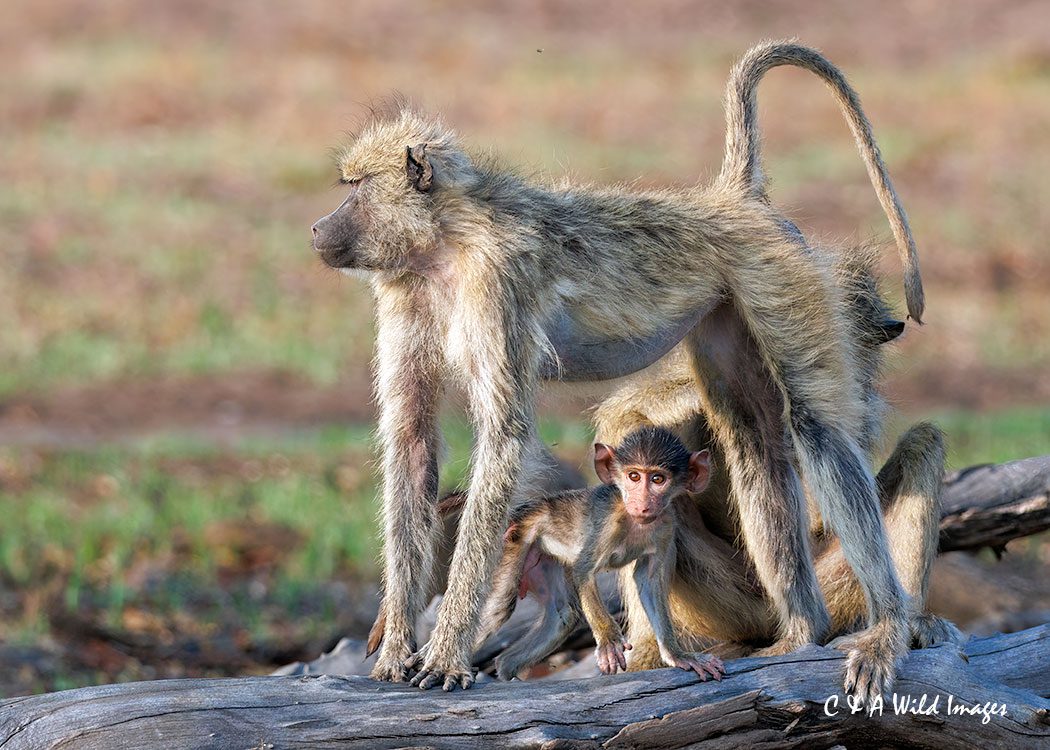
Heading on towards Wakumba, we came across a troop of baboons warming up in the sun. Two adults were grooming each other, and the female had a tiny baby with her. It was a lovely, gentle scene that kept us busy for some time. It’s easy to drive past baboons on the way to something bigger, but they make wonderful subjects. We enjoy these slower mornings when we take our time over the birds, the smaller mammals and the grazers.
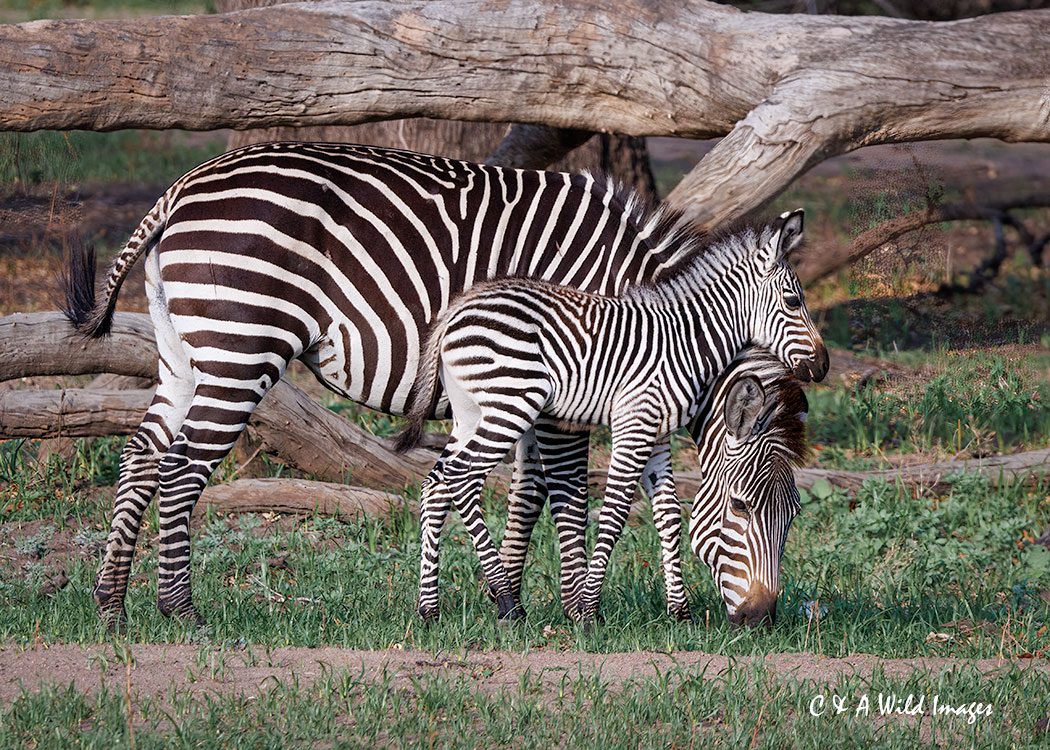
Just after leaving the baboons we found a zebra with a young foal — a perfect start to the day.
On the trail of wild dogs
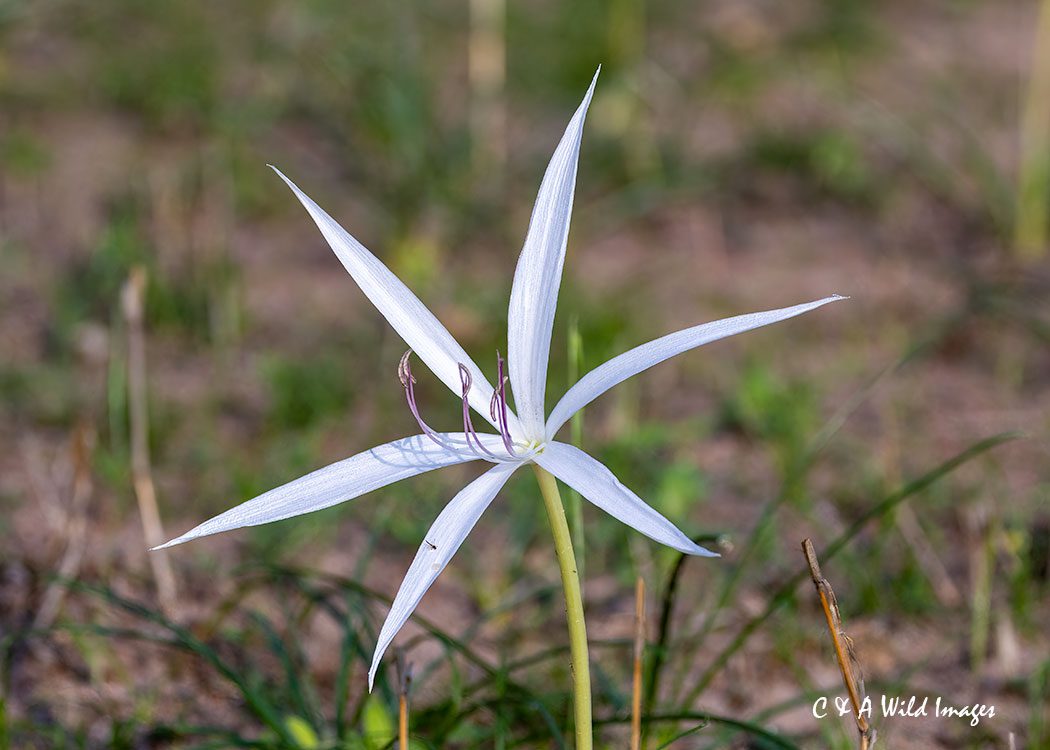
We had stopped to photograph some spider lilies, still keeping an eye out for wild dogs. As we turned the vehicle round, Bwalya looked down and spotted dog tracks in the sand. They were fresh and heading up the road that follows the dry Katete River. There was only one thing to do — follow them.
We tracked them for kilometre after kilometre. At a junction, the dogs had turned off onto an overgrown side track — one even Bret had never been along before. With the tracks still fresh, Bwalya thought it was worth a try. What an adventure it was, pushing low branches out of the way and checking that the prints were still there ahead of us. In all we must have covered more than 15 kilometres. Then the tracks finally disappeared into the mopane scrub, where we couldn’t follow.
We carried on, hoping the dogs might have come back onto the track, but there was no sign of them. Our second vehicle had no luck either. It would have taken too long to meet up, so each vehicle stopped separately for tea and coffee.
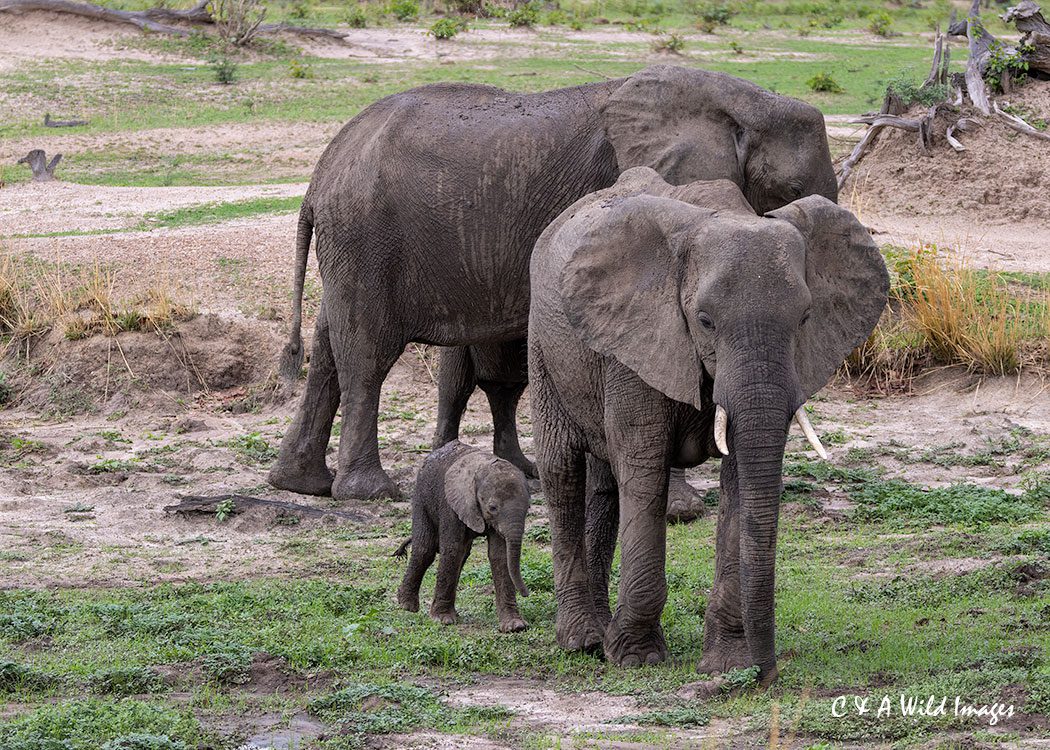
Driving back north along the main road afterwards, we happened to meet up again at an elephant sighting. A family group with a small baby had been feeding on the fresh growth in a shallow dip. They walked across the road in front of us.
Our guides had put in a huge effort. The dogs had got away from us again, but nobody could say they hadn’t tried. We headed back to Flatdogs thrilled by the morning’s adventure, if a little disappointed — but that’s the nature of wildlife photography.
An afternoon in Lucy’s territory
In the afternoon we set off to look for Lucy and her cubs again, or whatever else might turn up. Working around her territory, we saw a warthog, a yellow baboon and a herd of waterbuck. An African fish eagle posed for us on a branch above the river. In the open area at Wamilombe, guineafowl were sounding the alarm, but we couldn’t find what had upset them.
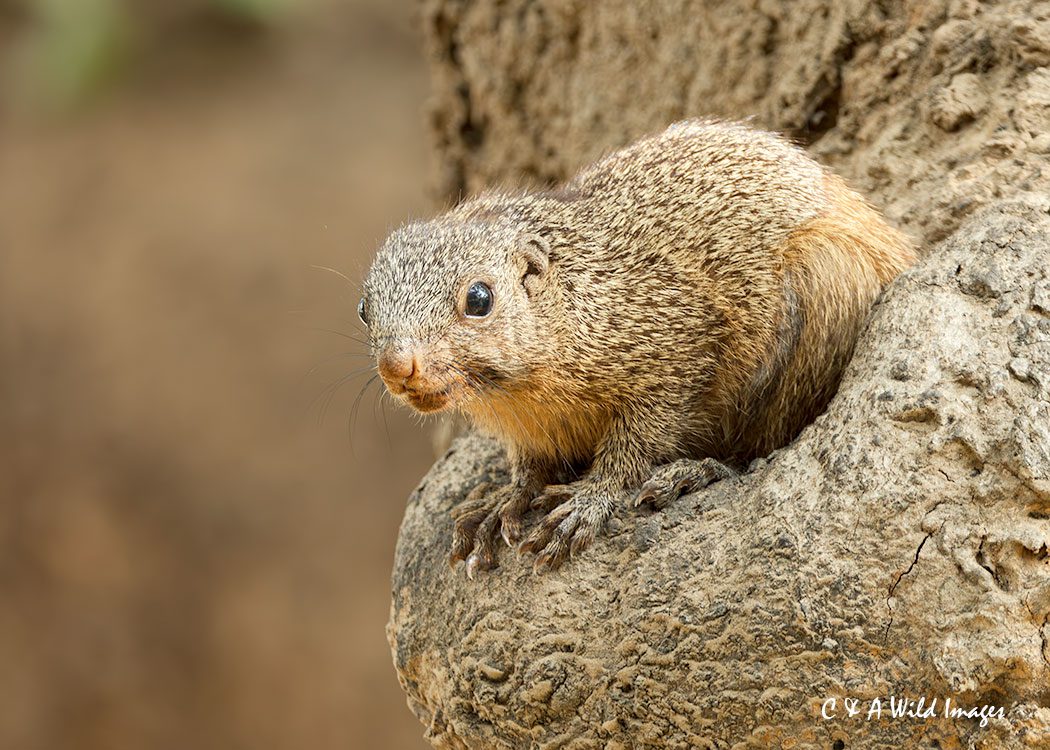
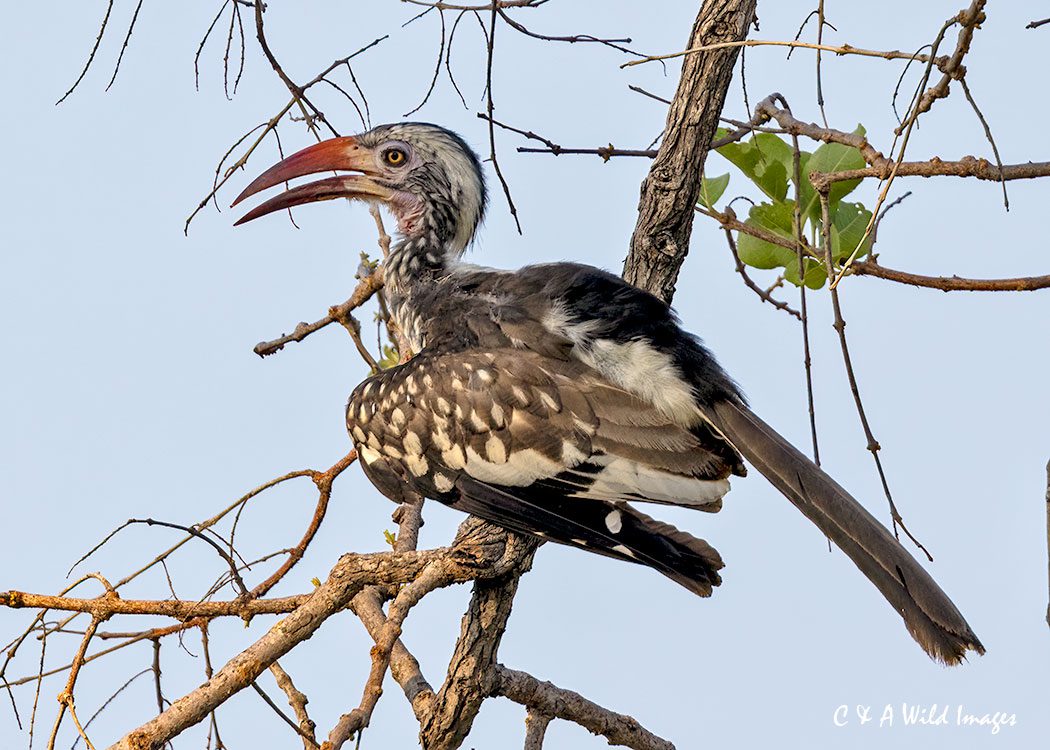
There was plenty more to see: a fork-tailed drongo mobbing a Wahlberg’s eagle, a red-backed shrike flying past and a red-billed hornbill on a bare branch. Our favourite, though, was a sun squirrel peering out of a hole in a tree just above the track. Sun squirrels get their name from their habit of basking on sunny branches, so it was a treat to find this one tucked up at home. In the scrub we also found some buffalo, which had been surprisingly scarce on this trip. That was probably because the early rains had brought plenty of fresh grazing everywhere.
A leopard in the open
We were heading north-east through the thick scrub, hoping for lions. Then another vehicle told us there was a leopard in a tree near Wafwa Lagoon. By the time we got there it had gone. We thought we had missed our chance — until we rounded a bend and there she was, walking through open woodland. Bret knew her well.
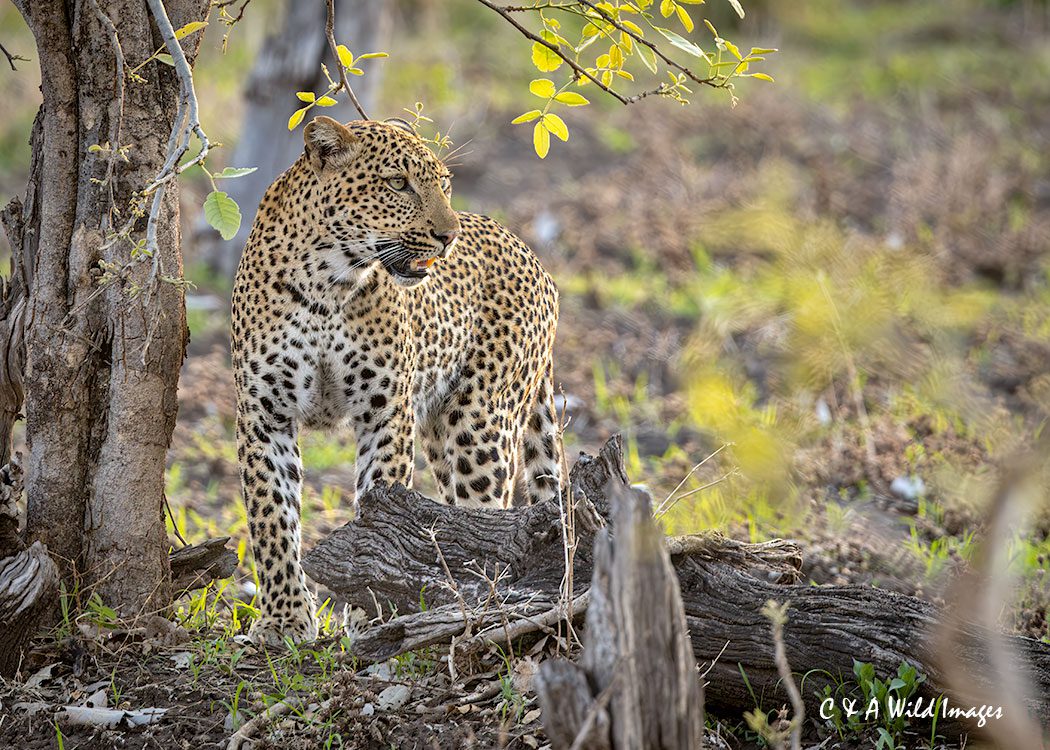
With fresh green grass coming through after the rains, the whole scene was quite magical. She strolled along without a care, watched closely by impala, puku and waterbuck that were clearly not impressed. Working with Bwalya, we moved ahead of her so she would walk past us, which gave us more wonderful photographs. You don’t always see a leopard right out in the open like this. When it happens, it is one of the real highlights of a South Luangwa safari.
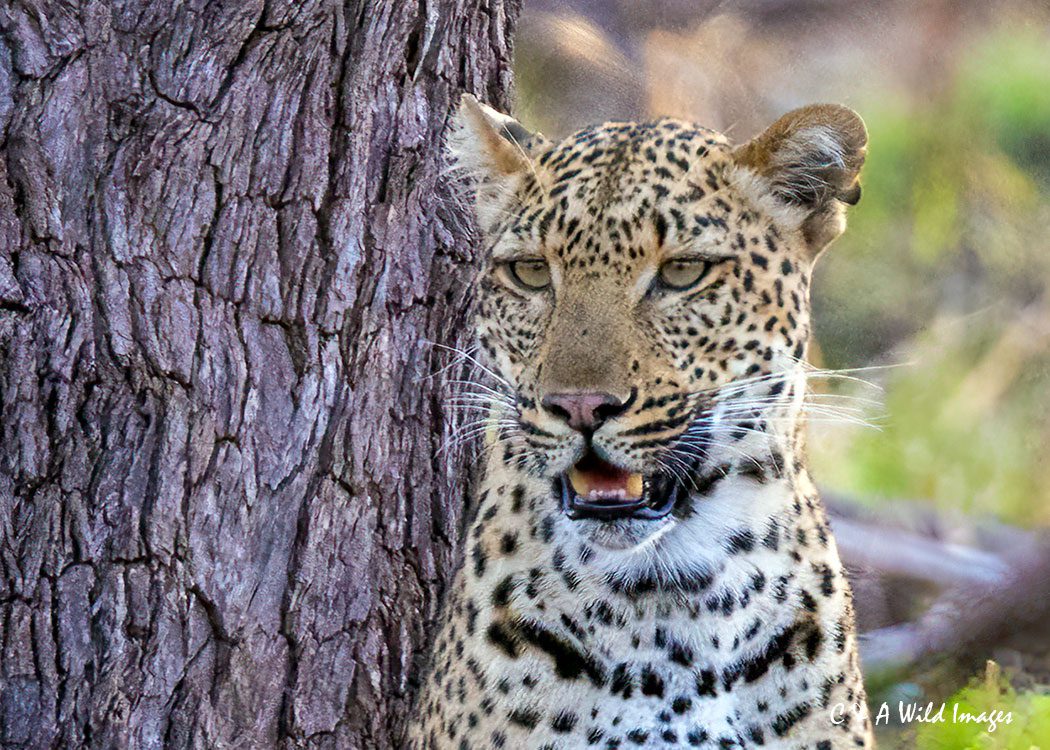

She crossed the track in front of us and dropped down into a dry gully before climbing out the other side. The antelope were alarm-calling the whole time. We drove round to the main road as she walked on, parallel to it. Then we pulled over as she climbed onto a fallen tree. There she sat, taking her time and looking around her, in no hurry at all. She was some distance away, but the light was beautiful, with the trees behind her glowing gold in the setting sun.
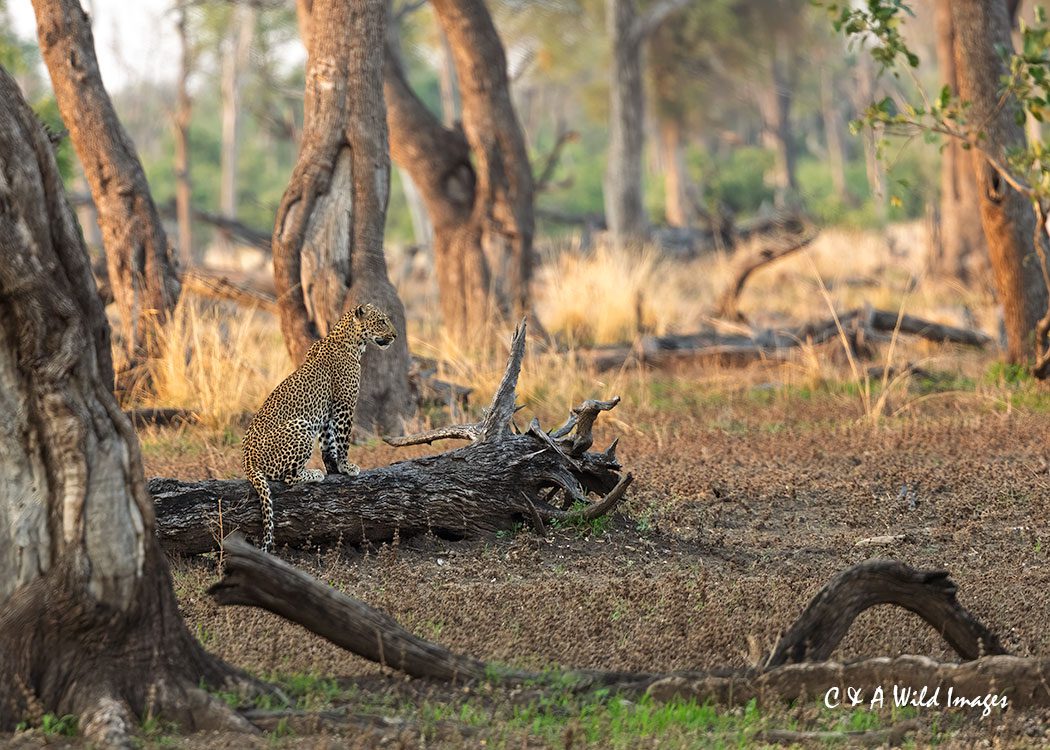
Sundowners and an evening to remember
As the light faded we left her in peace and headed to the banks of the Luangwa for sundowners. On the way, one of our vehicles had a lovely scene of elephants drinking at Wafwa Lagoon. At our sundowner stop, a yellow-billed stork was feeding in the shallows.

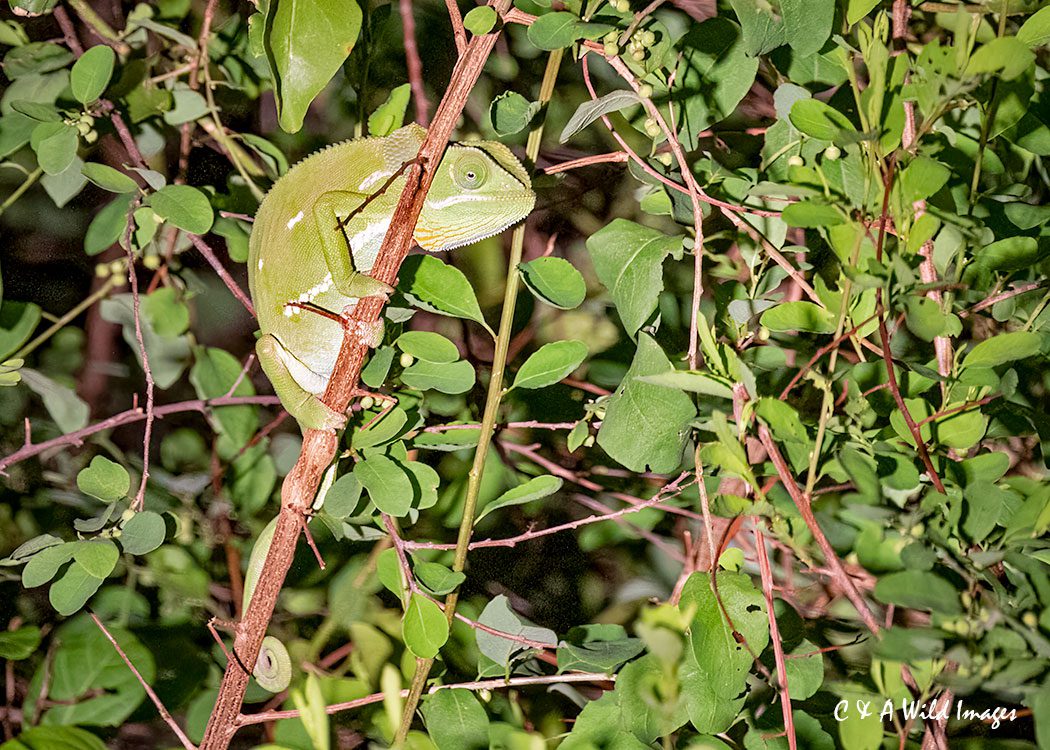
The night drive began with a white-tailed mongoose and then a genet. Further along the river, Bret spotted an enormous flap-necked chameleon in a bush — quite possibly the biggest he had ever seen. We also found a couple of hyenas. The highlight, though, was a pair of Pel’s fishing owls perched above the lagoon at Mfuwe Lodge. Another wonderful evening, and a reminder of why South Luangwa is so special.