Jaguars and Giant Anteaters on the Rio Negro, Southern Pantanal
This is part two of our trip to the Southern Pantanal, covering our four nights on the Rio Negro. If you missed part one, start with Southern Pantanal: Beyond the Jaguar.
After four nights at Baía das Pedras Ranch, we arrived at our second destination, Fazenda Barranco Alto Lodge, on the banks of the Rio Negro. This ranch would offer a very different experience. Much of the wildlife viewing here takes place from small boats exploring the river and its surrounding wetlands. There are also drives in a specially adapted open vehicle, in search of — we hoped — the elusive Giant Anteater.
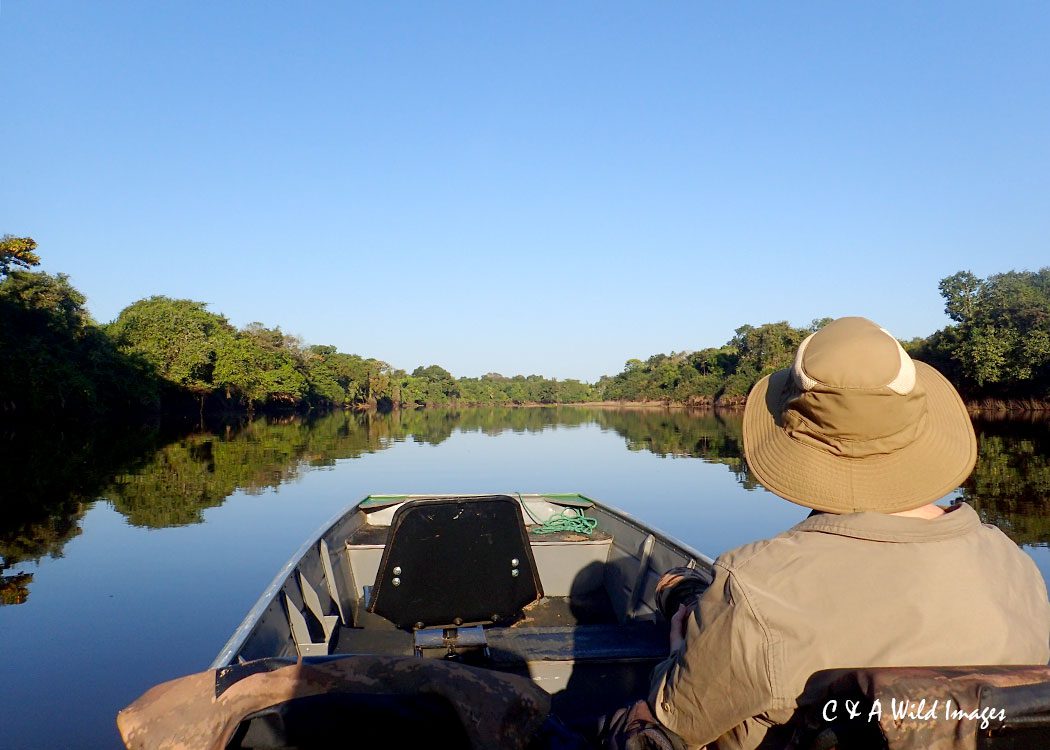
After a warm welcome, the staff showed us to our rooms for the next four nights. We enjoyed lunch before heading out on our first excursion. Here we were joined by Fabricio, the ranch’s own guide. Manoela, who had been guiding us since Baía das Pedras, had previously lived and worked at Barranco Alto, so she knew the area exceptionally well.
Exploring the Rio Negro
Taking to the water in two small boats, we were soon exploring the quiet backwaters and river channels. It didn’t take long for the guides’ local knowledge to pay off. Hidden among the riverside vegetation was one of our target species, the elusive Boat-billed Heron. It was an excellent start, and a sign of what the Rio Negro had to offer.

As afternoon gave way to evening, we drifted quietly along the river. We scanned the banks for wildlife and enjoyed the changing light. We stopped on a convenient sandbar for a sundowner. The setting sun reflected across the calm water, a beautiful and atmospheric end to our first day.

Returning in the dark, there was time for a shower, drinks and dinner before turning in for the night. Our first full day on the Rio Negro lay ahead, and we were already wondering what might be waiting around the next bend.
The Giant Anteater at last
Over the following days we divided our time between the river and drives in the converted vehicle. Our bird list grew with each outing, with Manoela keeping track of every species on the Merlin and eBird apps. The Giant Anteater had eluded us at Baía das Pedras, and it kept us waiting a little longer. At last we found one feeding in a clearing.

The next day we were rewarded even further, with another Giant Anteater — this time a female carrying a baby on her back. Fabricio skilfully positioned us so that we could leave the vehicle and quietly walk alongside the mother and her young. It was a truly special encounter and one of the highlights of the trip.


An unexpected Jaguar
In this part of the Pantanal the main predators are the Puma and the Jaguar, but we would have been surprised to see either. On our way back to the ranch one evening, we had a wonderful surprise. A female Jaguar was cooling herself in a muddy pool. We spent the next hour watching her, with excellent photographic opportunities and our evening sundowner too. At the time, we suspected she was either very close to giving birth or had a cub hidden in the foliage nearby.

Since our visit, Fabricio has filmed the mother with her cub, confirming our suspicions. He has also captured footage of a pair of Maned Wolves that have recently moved into the area, which is a rare event. You can follow his regular updates on the Jaguar and her cub on his Instagram page, @fabriciotheguide. Sightings like these will surely put this part of the Pantanal on the wildlife map. It is a place to enjoy remarkable encounters without the crowds.
Our luck continued over the next few days. On one of the night drives our spotlight picked out another Jaguar. We also enjoyed views of an Ocelot, a first for us. On a previous visit to the Northern Pantanal, three nights of searching had given us nothing but mosquito bites.
Other Rio Negro highlights
The night drives held other surprises. A Striped Owl, quite rare in this area, was a real highlight for us. Great and Common Potoos were another memorable find, perfectly camouflaged on their perches.

By day, the river and surrounding woodland were full of colour. We saw both Hyacinth and Blue-and-yellow Macaws, along with toucans and a Cream-backed Woodpecker.


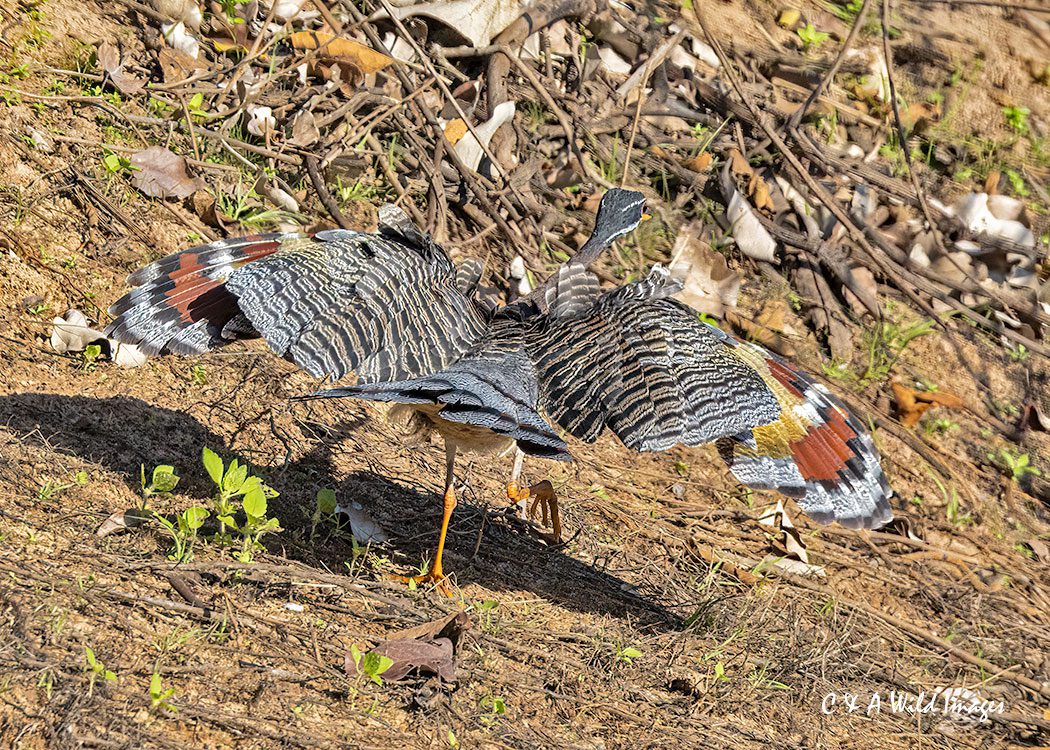
Two other birds stood out for us. A Rufous-tailed Jacamar, glittering green and orange, sat on a branch with an insect in its bill. Jacamars catch their prey in flight, then return to a favourite perch to deal with it. On the riverbanks we watched Sunbitterns, which look fairly understated at rest. When one opened its wings, though, it revealed the striking sunburst pattern that gives the bird its name.

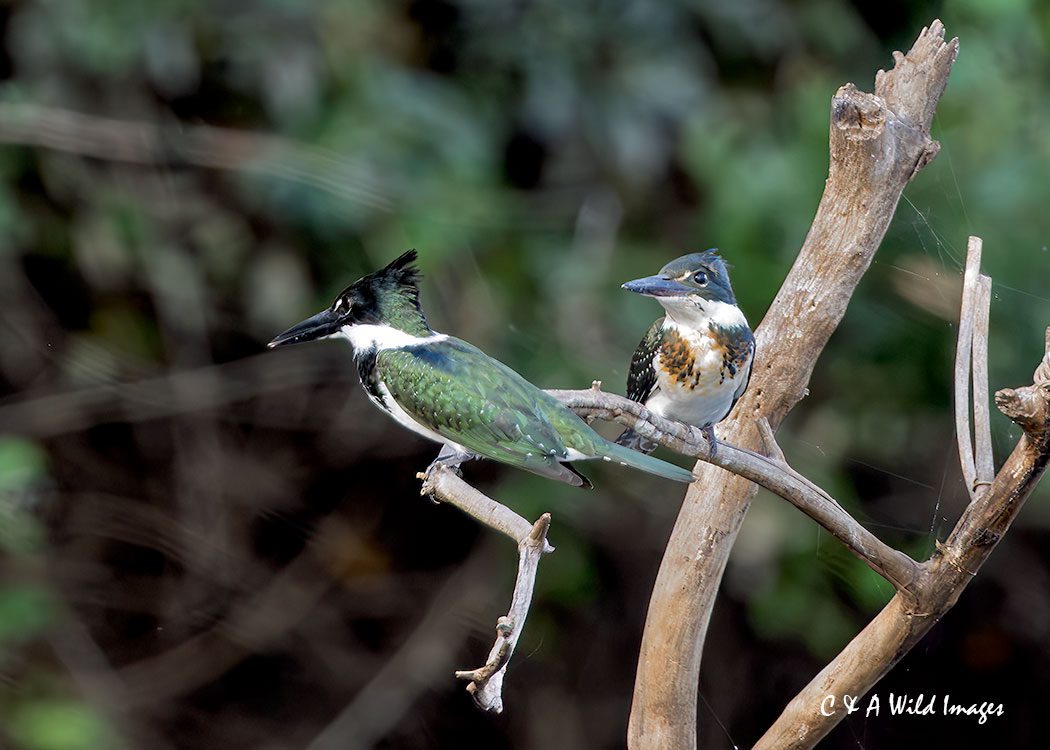
On the water, Ringed and Amazon Kingfishers were a constant presence as they fished from overhanging branches. Meanwhile the towering Jabiru, the symbol of the Pantanal, stalked the shallows. (We wrote about all five of the region’s kingfishers in an earlier post, Pantanal’s 5 Kingfishers.) Add in monkeys and a family of Giant Otters, and every outing seemed to bring something new.


One last trip on the Rio Negro
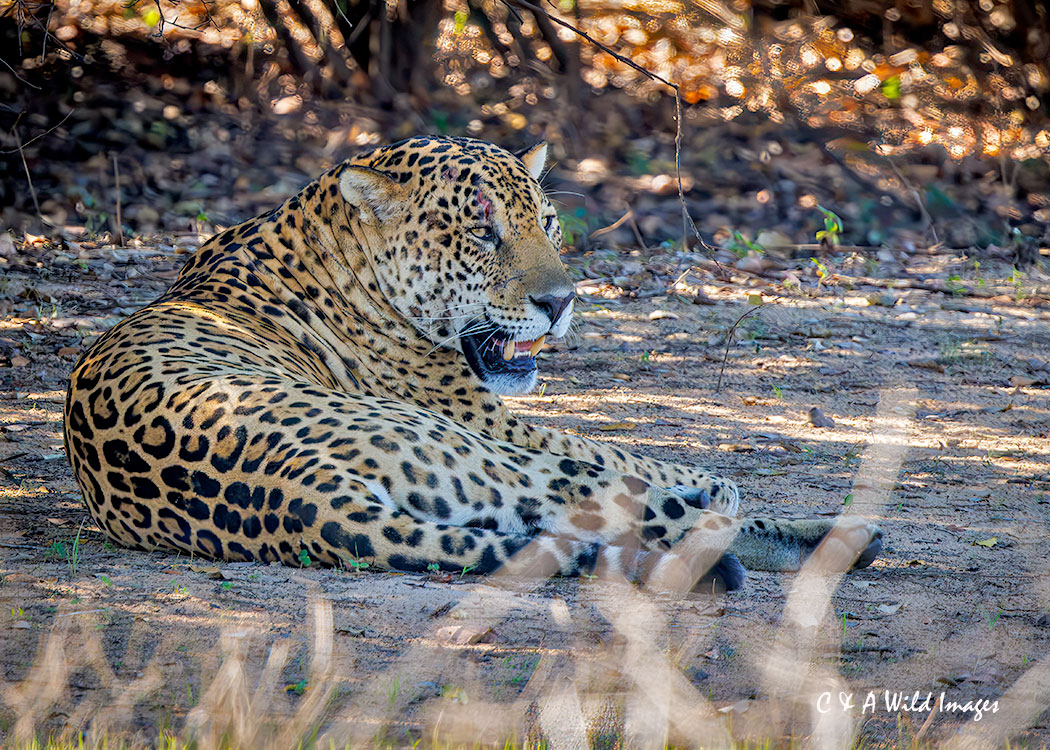
Our time at the ranch was drawing to a close, but Manoela suggested one more short trip on the river. Once again luck was on our side. As we headed back towards the ranch, she spotted a large male Jaguar resting on the bank. For the best part of an hour we watched him licking his wounds. It was fairly obvious he had recently been in a fight.


Back to Campo Grande
Leaving the Rio Negro, we made the long drive back to Campo Grande along rough tracks that demand a 4×4. After a good night’s rest we had time to spare before our flight. Manoela suggested a visit to the city’s freshwater aquarium, the Bioparque Pantanal. It proved to be an excellent suggestion. Manoela had looked after all our arrangements from the moment we landed in São Paulo, and she clearly knows her region inside out. We would highly recommend her as a guide.
We set off for home in the late afternoon, arriving back in the UK the following day.
More photos from the Rio Negro

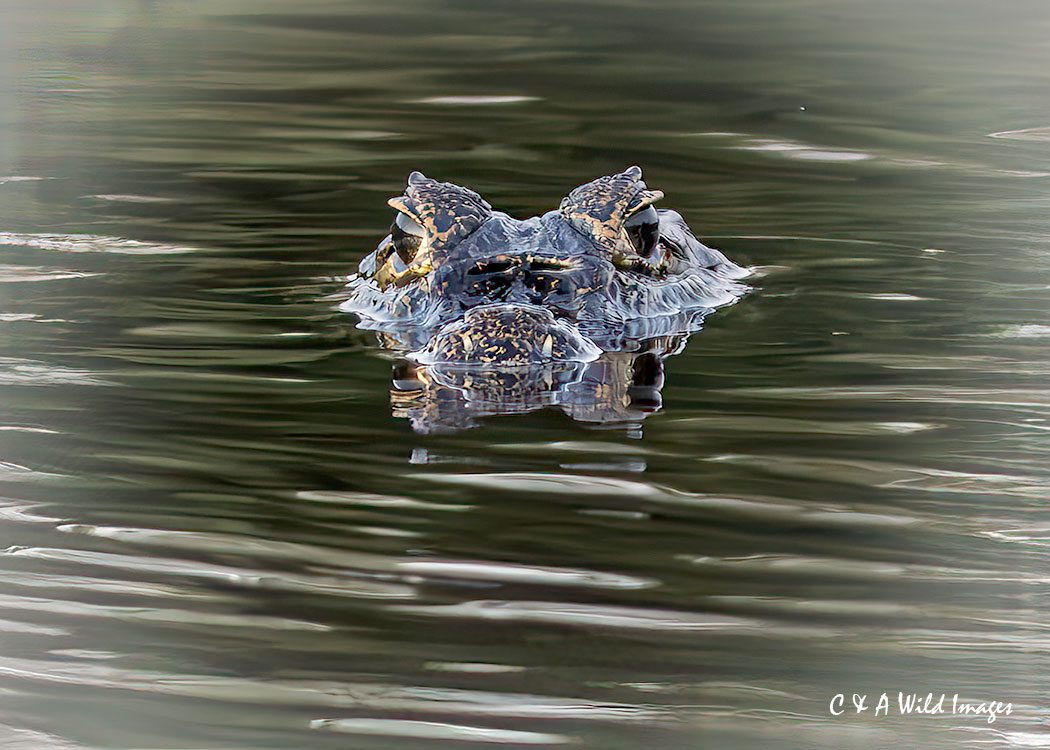


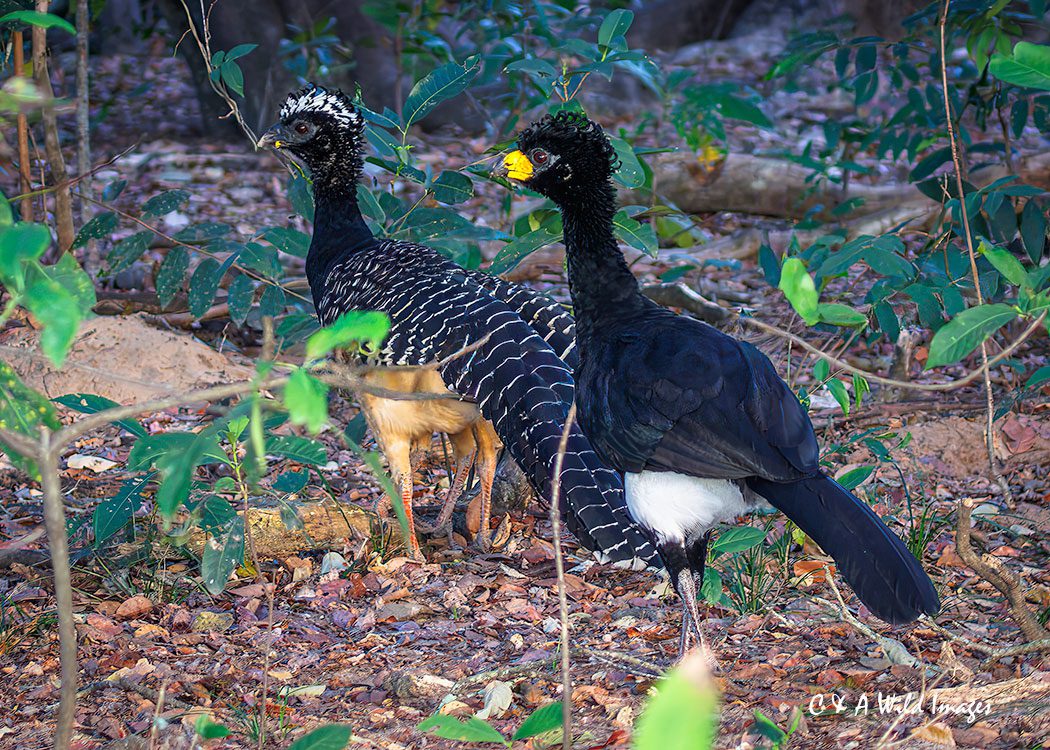

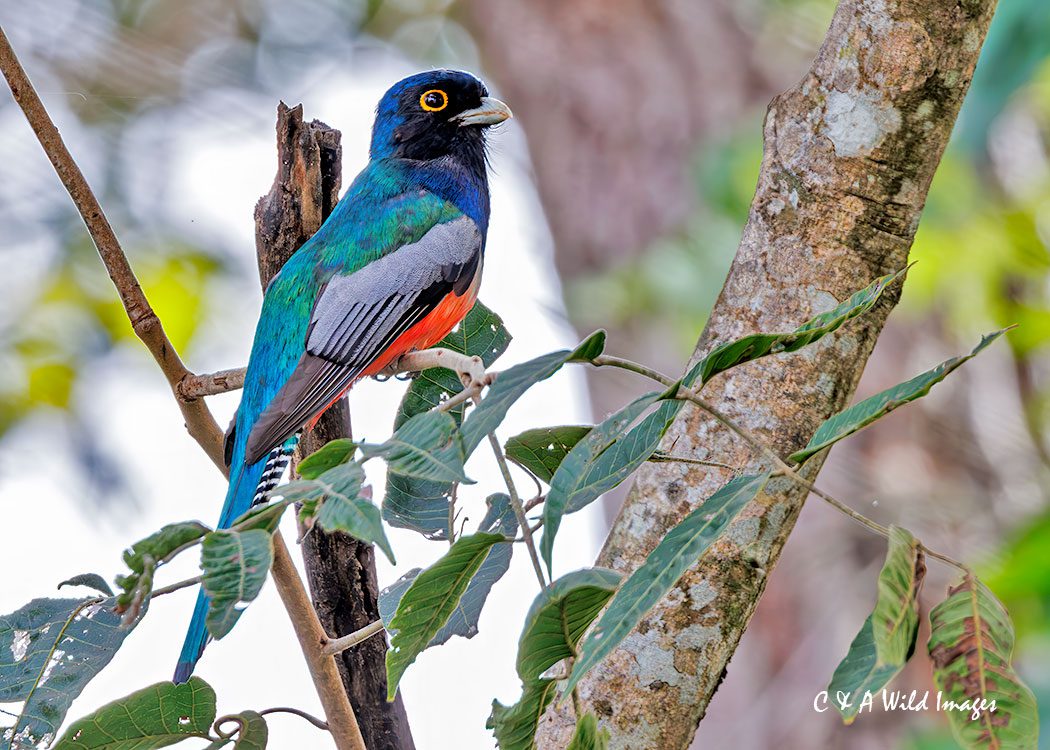

Final thoughts
The Southern Pantanal may not be renowned for sightings of its top predators. Even so, it gave us some of the best Jaguar views and photo opportunities we have ever had. Without the crowds of boats and vehicles found elsewhere, we were the only people watching. That made every encounter all the more memorable.
About this trip
- When: July 2026, the dry season in the Pantanal
- Where we stayed: four nights at Baía das Pedras Ranch, followed by four nights at Fazenda Barranco Alto Lodge on the Rio Negro
- Booked with: Wildlife Worldwide
- Guide: Manoela, who runs her own guiding company, Pantanal Wings. She guided us at both ranches and organised everything from the moment we landed in São Paulo. At Barranco Alto we were also joined by Fabricio, the ranch’s own guide
- Getting there: fly to Campo Grande, then a long drive on rough tracks that need a 4×4
- Our cameras: we both use a Canon R7 with the RF 100–500mm lens. On the R7’s crop sensor it reaches the equivalent of 800mm, ideal for birds and for keeping a respectful distance from the Jaguars