Canopy Tower :- Panama
Our journey began with an early start, a short flight to Amsterdam and then a 10-hour journey to reach Panama. Due to a delayed flight by the time we arrived in Panama City it was already dark outside. We met up with the other six members of our group and our driver. From there, we drove an hour to our incredible accommodation, the Canopy Tower.
Built by the American military The Canopy Tower was originally a radar tower. Now, it serves as a haven for nature enthusiasts . Our experienced guides, Alexis and his apprentice Eric, warmly greeted us upon arrival. They showed us to our rooms, which were already prepared with our luggage.
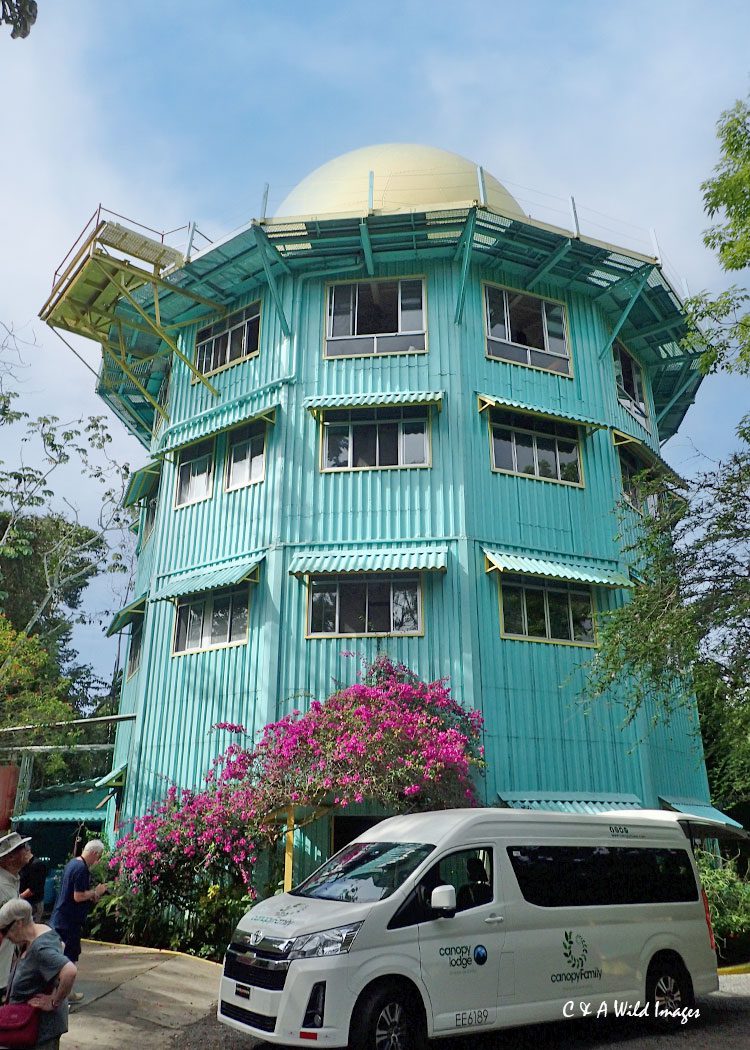

After settling in, we wasted no time and enjoyed a delicious dinner together. Following the meal, Alex gave us a brief overview of the Tower and our exciting plans for the next morning. With that, we went to our rooms, to rest and prepare for the thrilling wildlife encounters that awaited us.
Canopy Tower
As the sun rose, the peaceful forest surround the Tower echoed with the lively calls of Howler Monkeys as they passed through the treetops near our bedroom window. Excited for the day ahead, we met at 6:00 on the tower’s observation platform, offering us a breathtaking view of the misty rainforest and a glimpse of the famous canal. The inviting smell of fresh coffee and tea welcomed us. A Three-toed Sloth was leisurely feasting on leaves in a nearby tree.
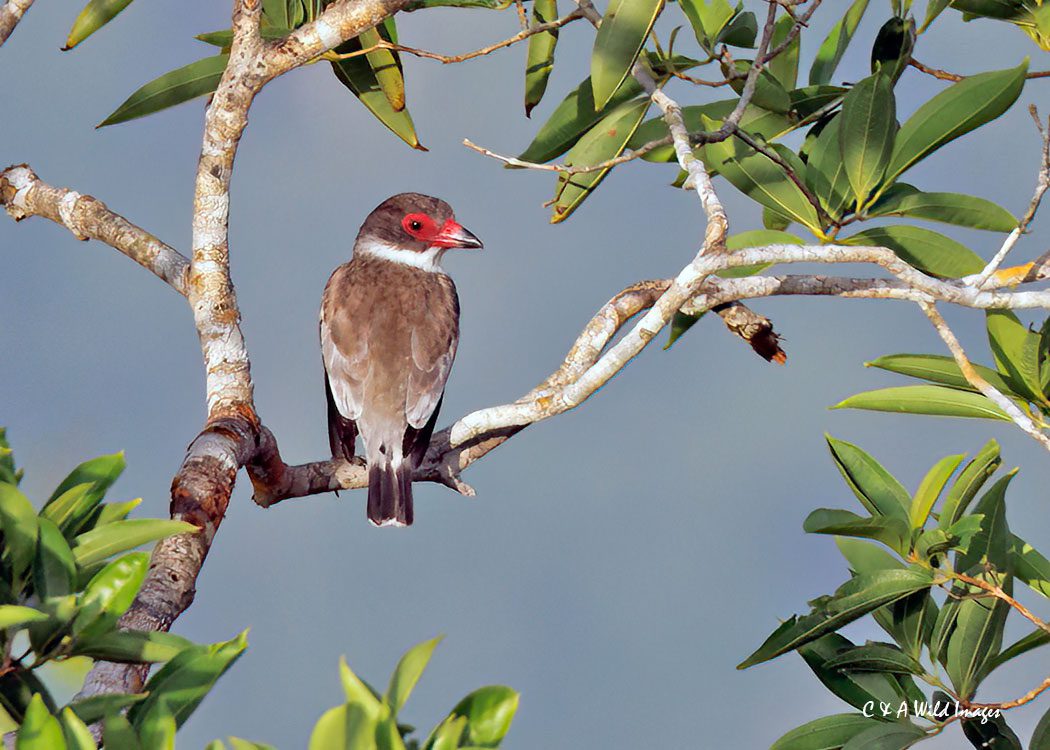
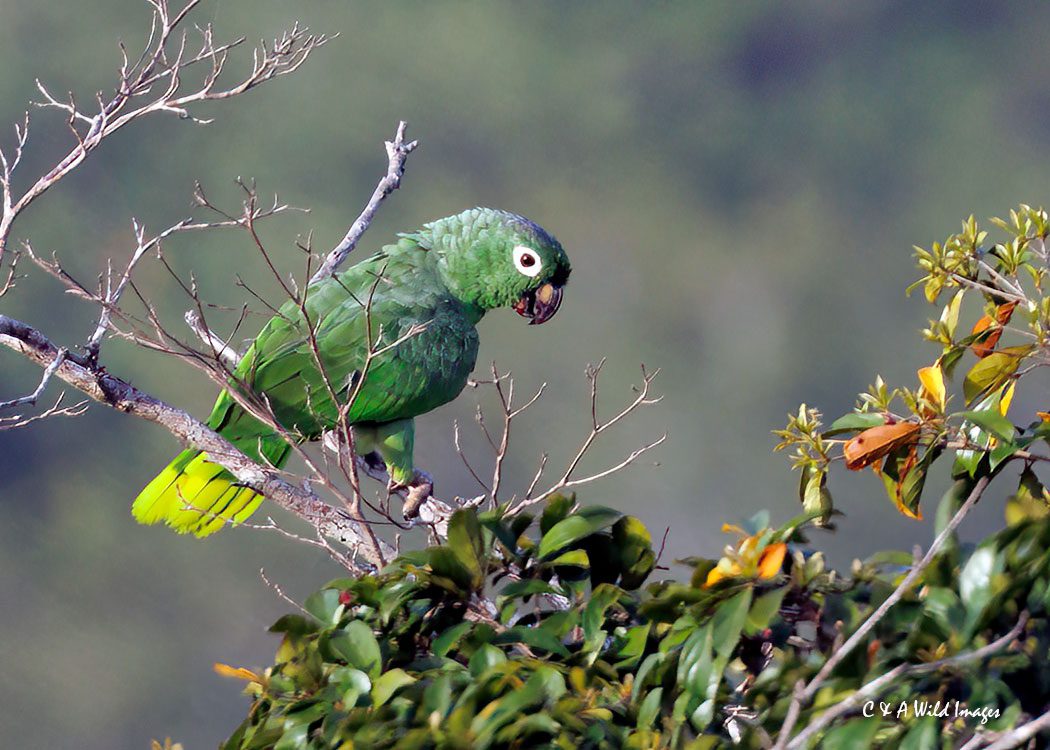
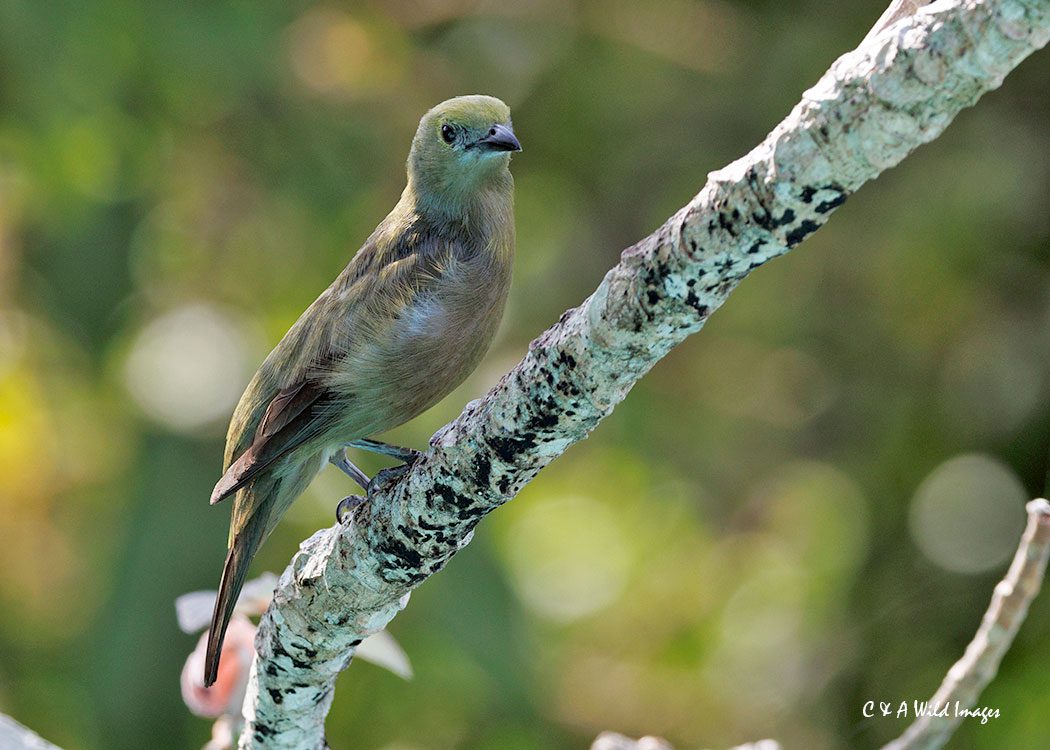
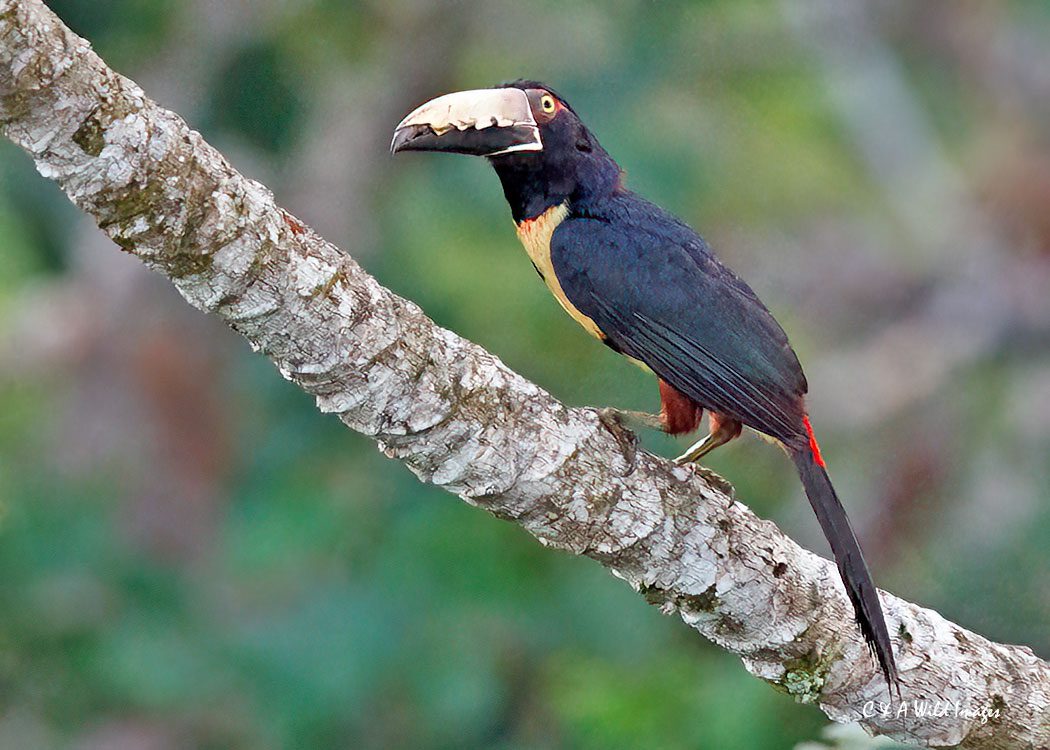
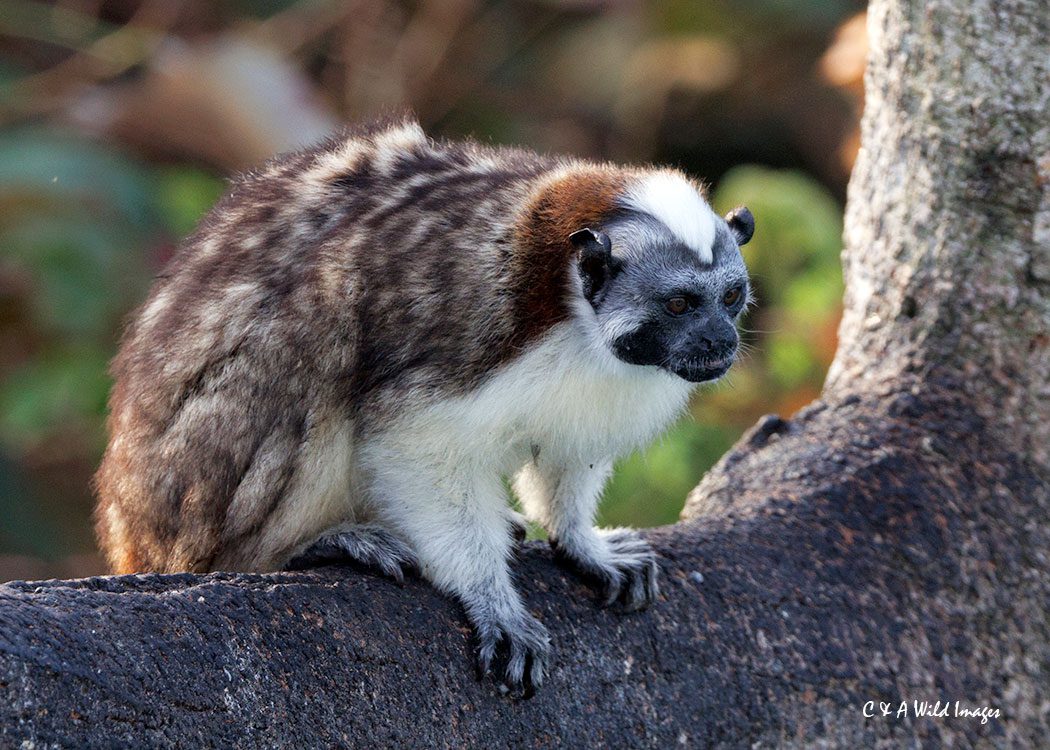
Joining us on the platform, Alex and Eric, began to point out some of the birds that could be seen in the nearby trees. We had good views of Vibrant Keel-billed Toucans, Masked Tityra, Black cheeked Woodpecker, Collared Aracari, Palm Tanagers, Southern Mealy Parrots and a White-browed Gnatcatcher. A small troop of Geoffroy’s Tamarins came to feed and groom on a bare tree where we were able to observe them closely. In the distant another group of Howler Monkey began calling adding to the atmosphere.


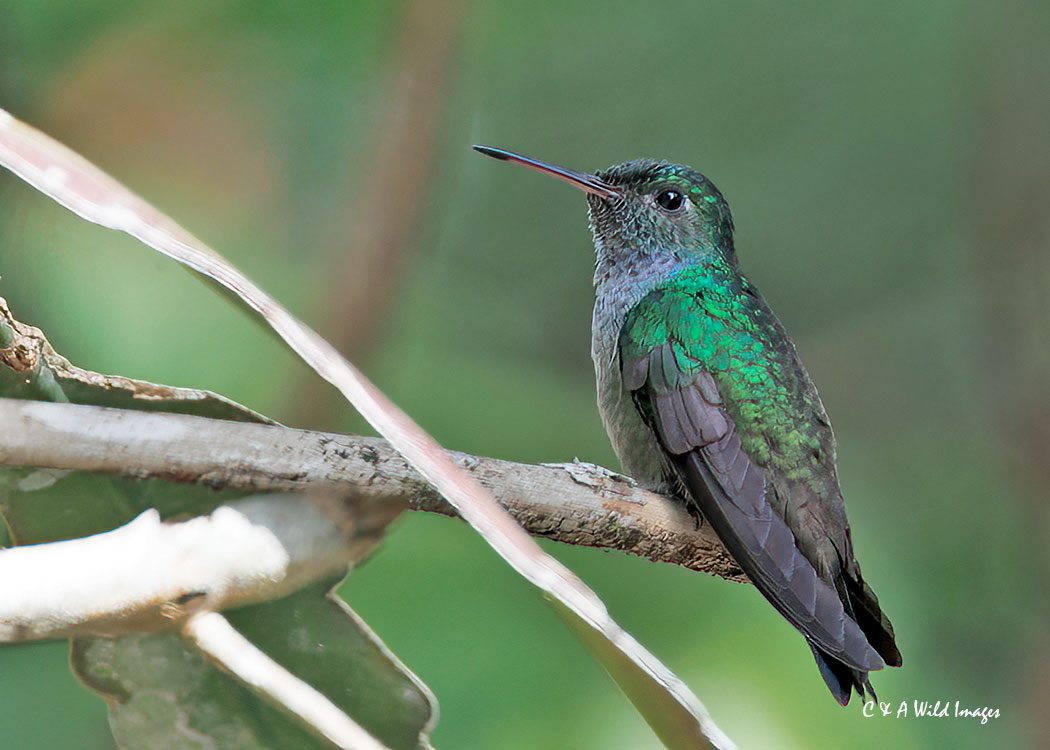
After enjoying a delicious breakfast at 7 o’clock, we geared up for our first expedition: a trek down Semaphore Hill, the steep and winding path where our tower stood. Around the tower’s base, a collection of feeders attracted various hummingbird visitors, including the Blue-chested Hummingbird and White-vented Plumeleteer.

Semaphore Hill
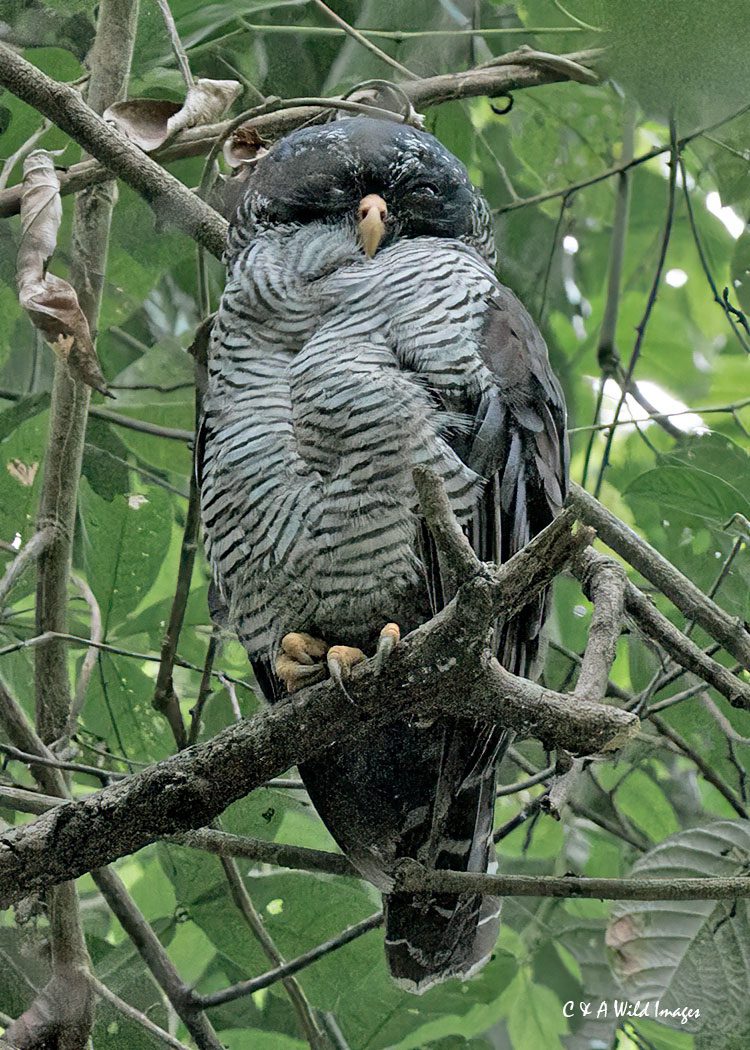
We set off on a walk down Semaphore Hill, the path connecting the tower to the public road. Not long into our journey, Alex excitedly spotted a White-nosed Coati near the road, climbing a tree. and the first of many Agoutis. Shortly after, Eric spotted a three-toed sloth in another tree a bit further away. As we continued our walk, we were treated to sightings of a Slaty-tailed Trogon, Plain Brown Woodcreeper, and even a pair of Black and White Owls. After a couple of hours descending the hill, we reached a wooded bridge over a dry riverbed. Some of our group noticed several Basilisk Lizards in a pool nearby.

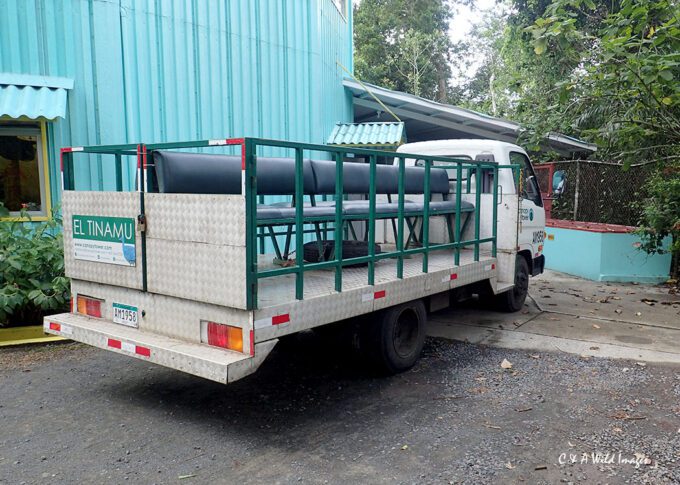
Just in time, the famous bird mobile truck arrived, offering us refreshing cold drinks. Grateful for the transportation, we hopped on board as the driver took us back uphill. The steepness of the hill made us appreciate the ride instead of having to walk back.
After lunch, we had a chance to visit the viewing platform. We enjoyed the stunning views across the treetops and did some bird watching. However, at this time of day the birds were not very active . We had to make sure we were ready by 3:00 PM for our departure to Ammo ponds near Gamboa . Here we got to see the canal up close and it was truly magnificent! with two huge cargo ships making their way towards the Caribbean coast.
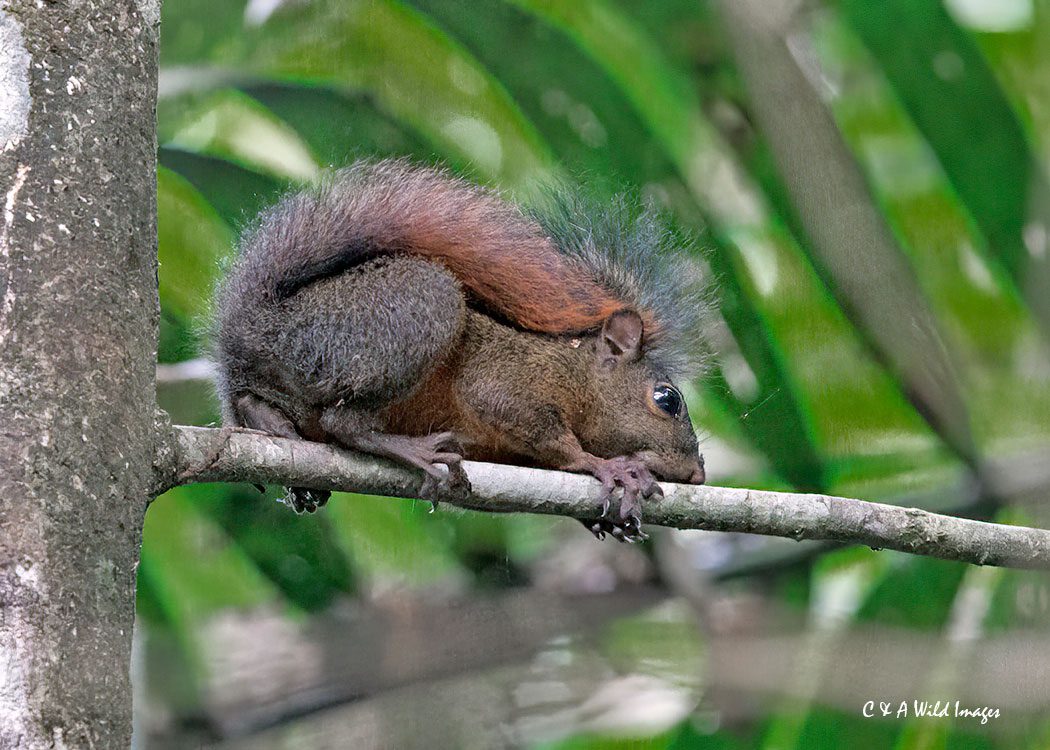

On the way to the ponds we spotted a Red-tailed Squirrel, an Agouti, and a White-nosed Coati.
Ammo ponds
Eventually we reached the Ammo ponds a wetland area near Gamboa. These ponds were constructed during World War II, when the US controlled the Panama Canal. Nearby they stored ammunition in bunkers. The ponds gave them easy access to water in case of fire. These ponds and the marsh areas that links them has now become a great place to views some of the wetland birds.
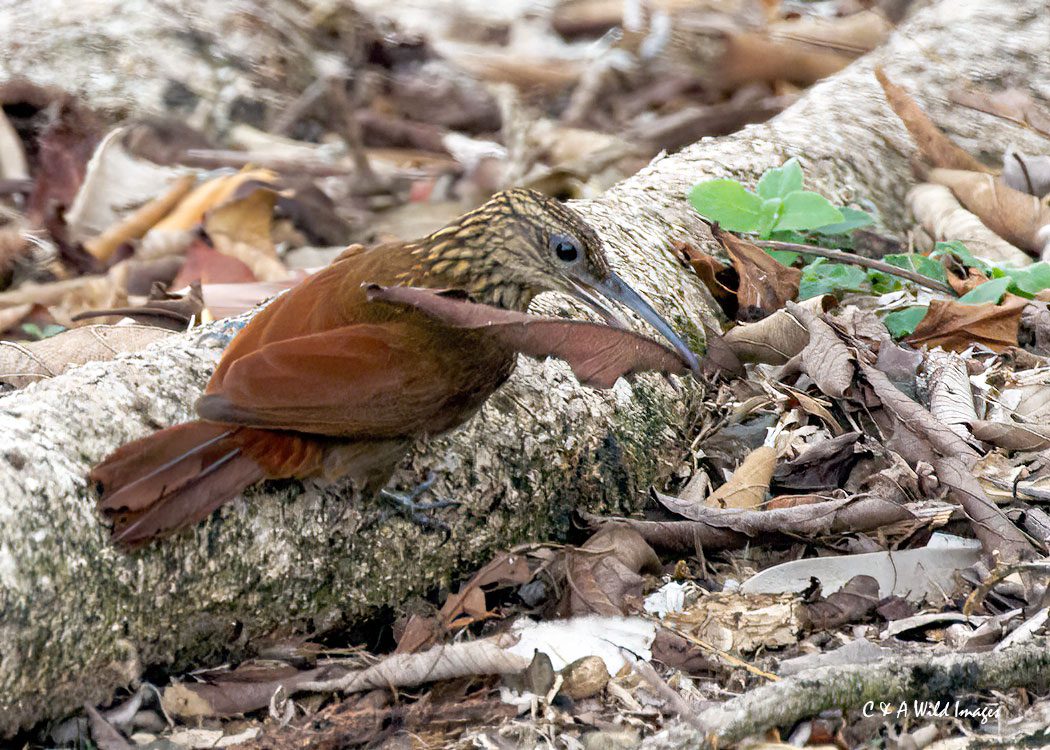

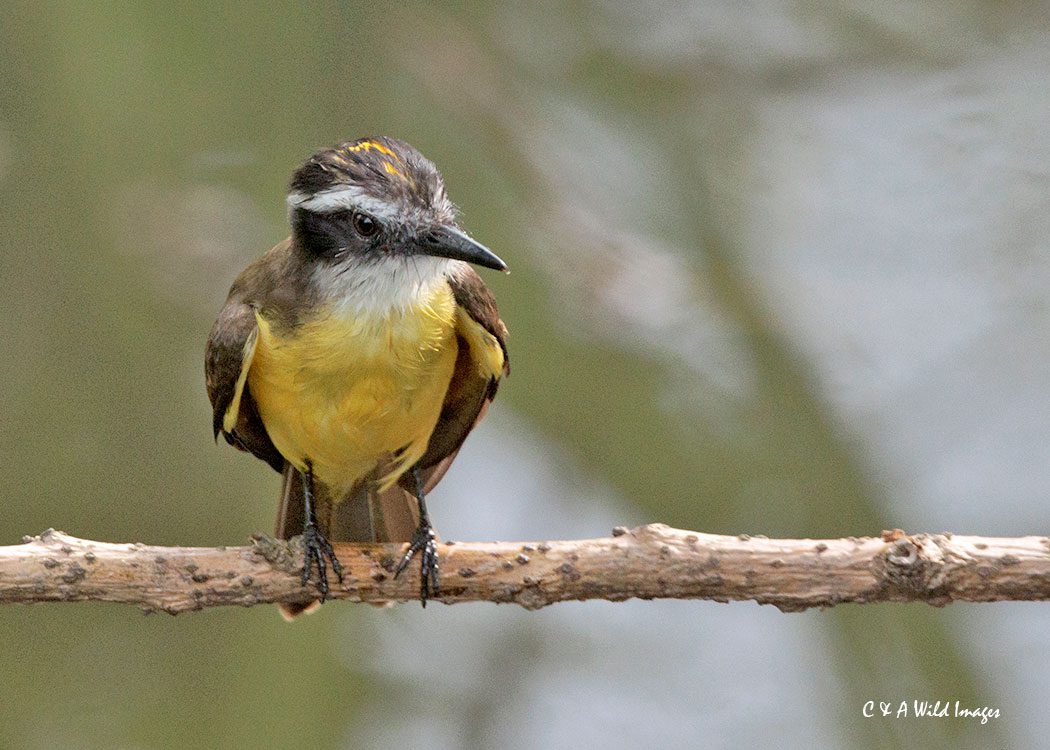
As we arrived we caught a glimpse of a common Tody Flycatcher, Coca Woodcreeper, Wattled Jacana, Barred Antshrike. Black-bellied Whistling Ducks and a Rufescent Tiger Heron . We spent some time watching a Lesser Kiskadee taking a refreshing dip in a nearby ditch, completely unfazed by our presence. Nature’s unexpected surprises continued as a magnificent three-metre-long Bird-eating Snake emerged from the undergrowth,.

We were hoping to add to the mammal count with views of Lesser Capybara but seemed to be out of luck. Disappointed we were just about to leave when two appeared from the wetland. They walked slowly right in front of us, providing some great photo opportunities


That evening, after dinner the guides pointed out the Kinkajou that visits the tower regularly feeding on bananas that are left on a nearby tree. This provided an opportunity to photograph a creature that’s not often encountered during the daylight hours

Read this next – The San Lorenzo Preserve