The San Lorenzo Preserve
After a good night sleep we were up woken early by another group of Howler Monkeys close to the Tower. Our day began with a visit to the observation deck of the tower for coffee and biscuits followed by a delicious breakfast before setting out. Today it was a trip across to the Caribbean side of Panama to the San Lorenzo Protected Area. This was a mere 1.5 hours away from the Canopy Tower, via a newly constructed four-lane highway.
After crossing the Atlantic bridge that spans the iconic Panama Canal, we marvelled at the colossal locks, granting us a glimpse into the resourcefulness of human engineering. As our journey progressed, we arrived at the San Lorenzo Forest Preserve, eager to see the wildlife of the Caribbean coastal forest. This area was the site of the US Army Jungle Training School, also known as Fort Sherman. The San Lorenzo Preserve is known for the abundance of Howler Monkeys and White-faced Capuchins although the Howlers proved to be a bit on the shy side on our visit.
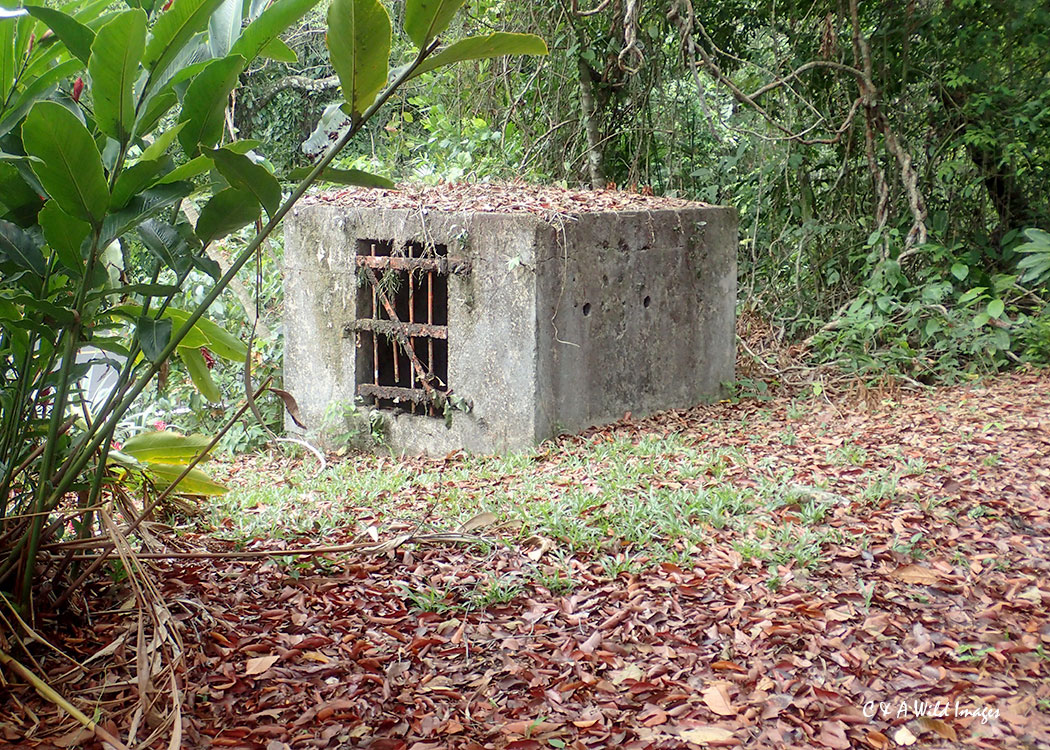
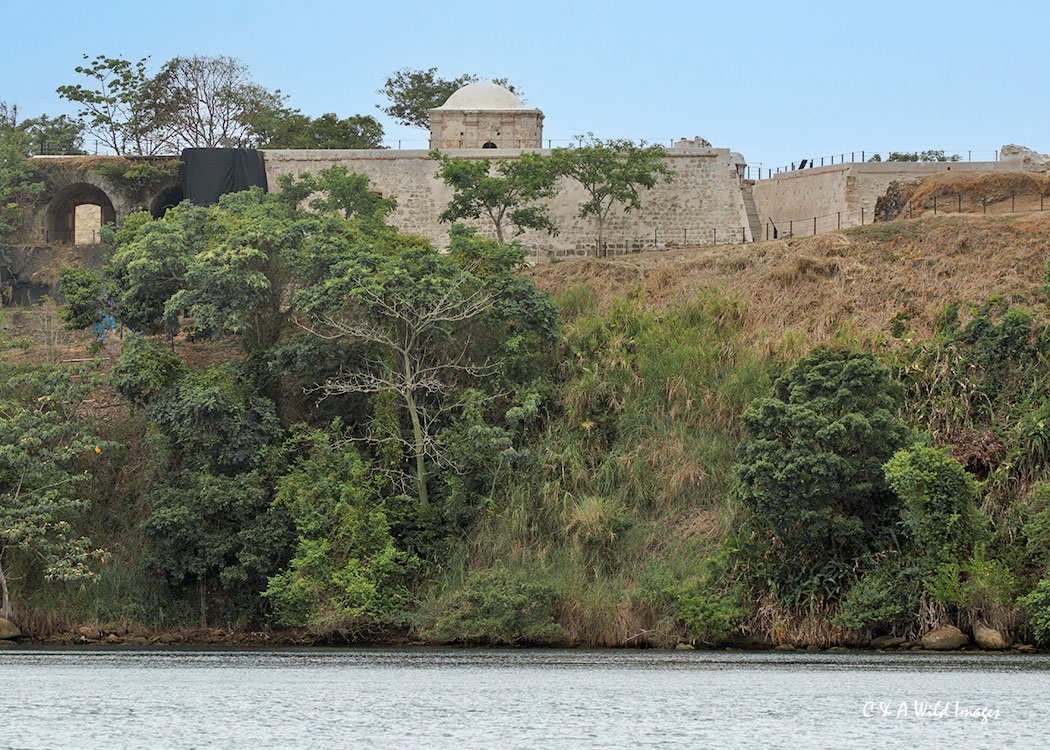

San Lorenzo Preserve
After spending a couple of hours checking out some of the tracks in the forest and adding a number of new species to our bird list including Black-throated Trogan, Rufous and Broad-billed motmot Red-crowned woodpecker, Chestnut-backed Antbird, and Red-capped manakin.
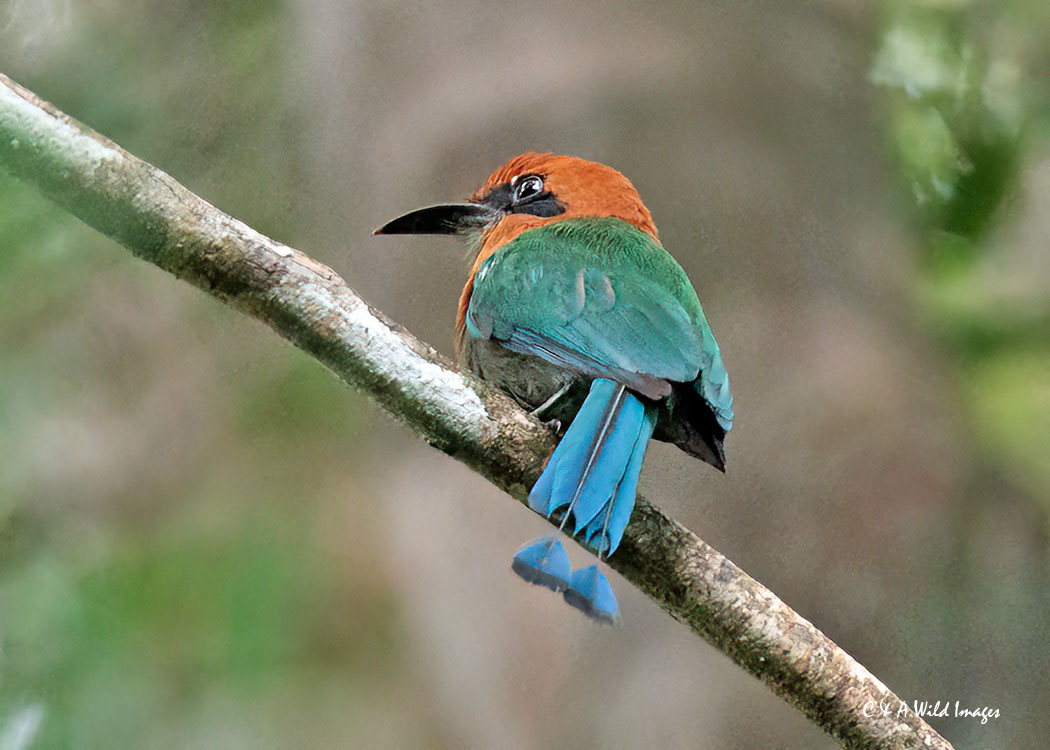
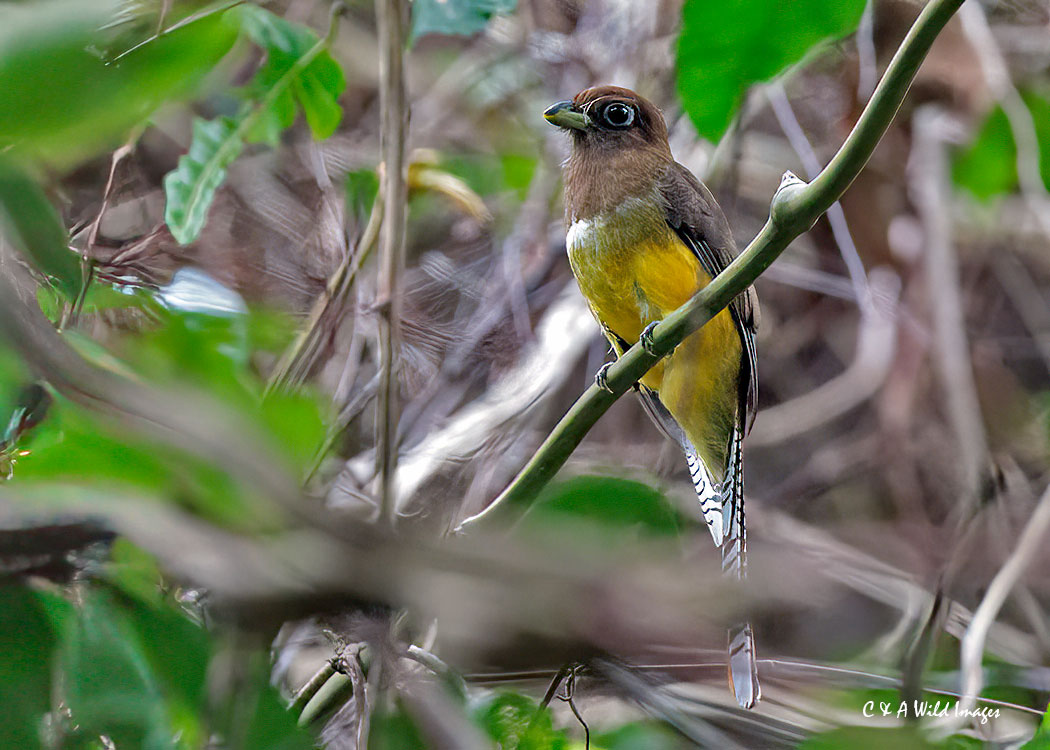
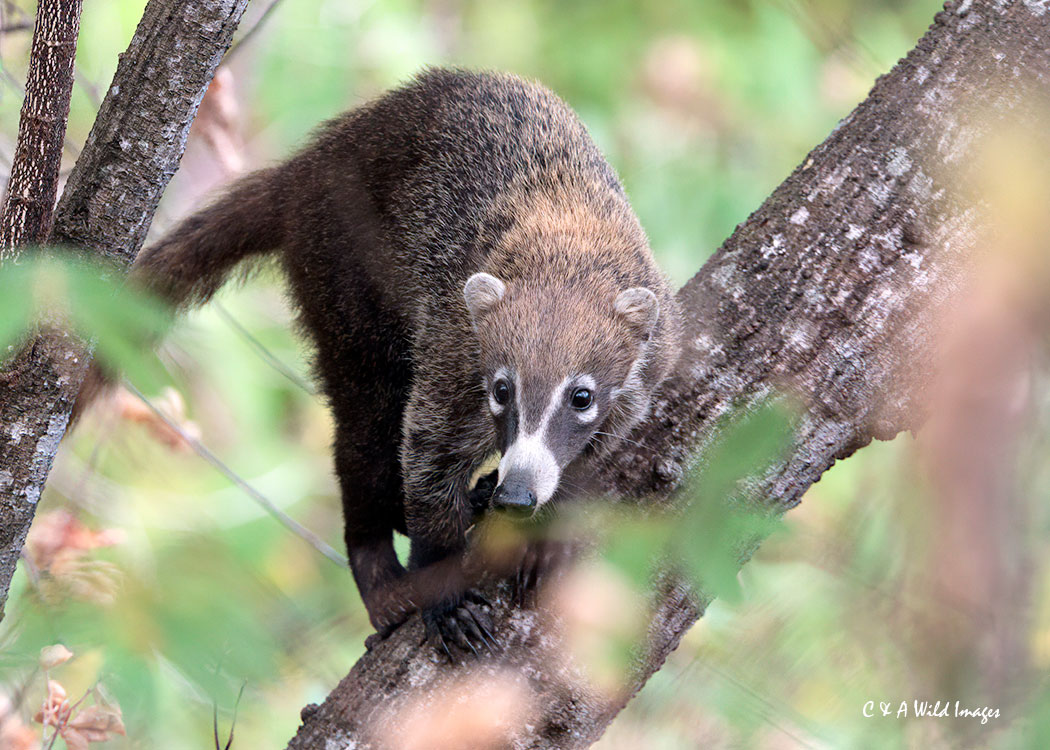
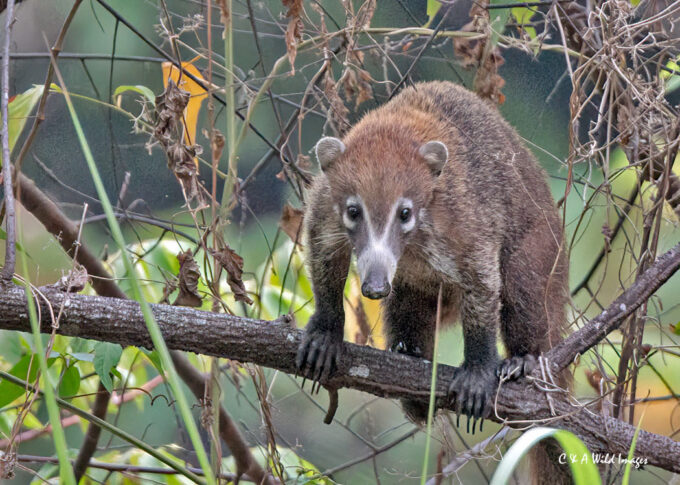
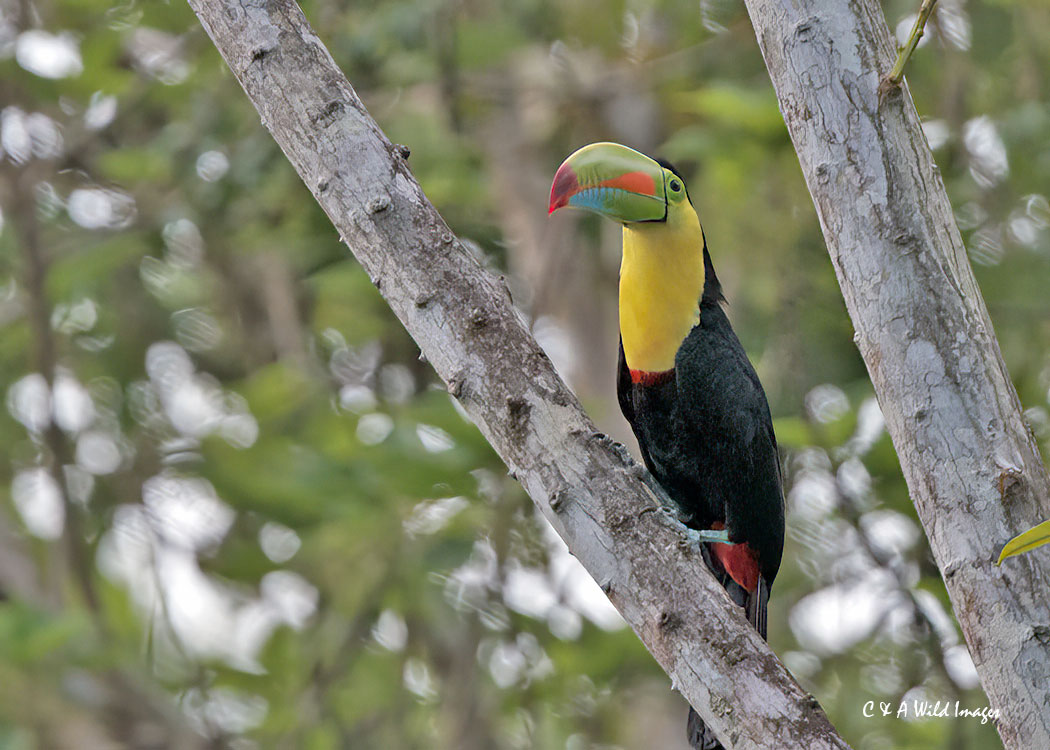
Before moving on we took the opportunity to take a coffee and snack break. We had good views of Yellow-throated Toucan and a group of white nosed coatis. After getting some good photos of some of the coatis we drove along to the ruins of the original Fort at San Lorenzo. This is a UNESCO world heritage site. It was built in the 17th century on the Caribbean coast, Located on the Chagres River with views of the mouth of the river and miles out to sea. This had formed part of the defence system built by the Spanish Crown to protect transatlantic trade
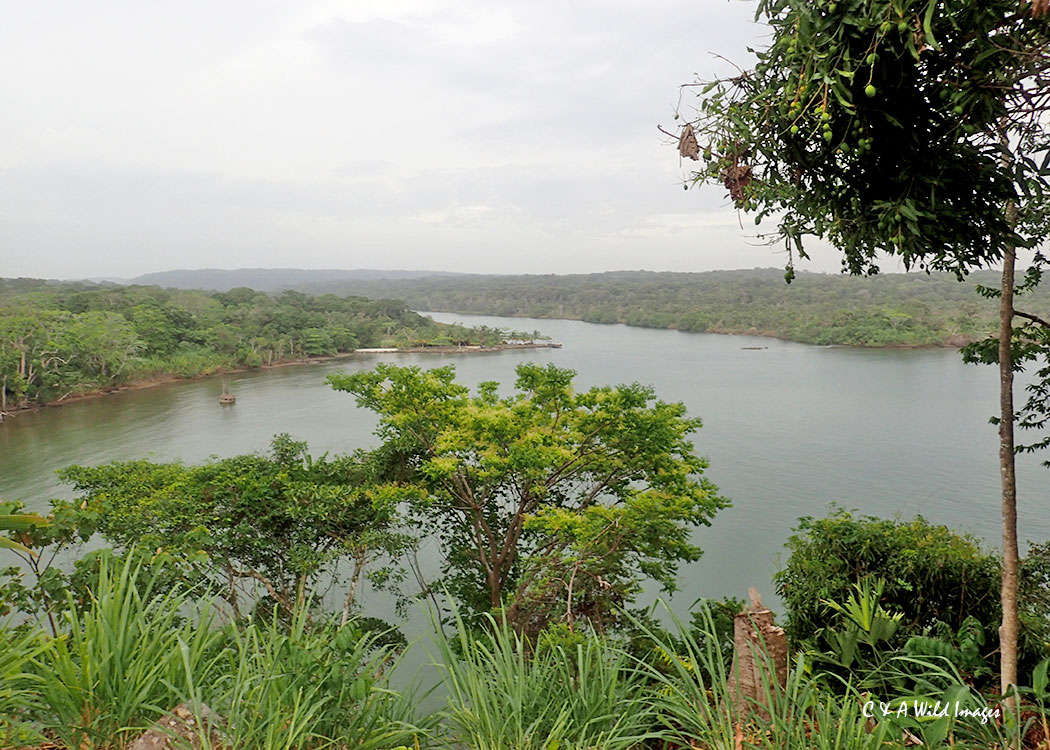
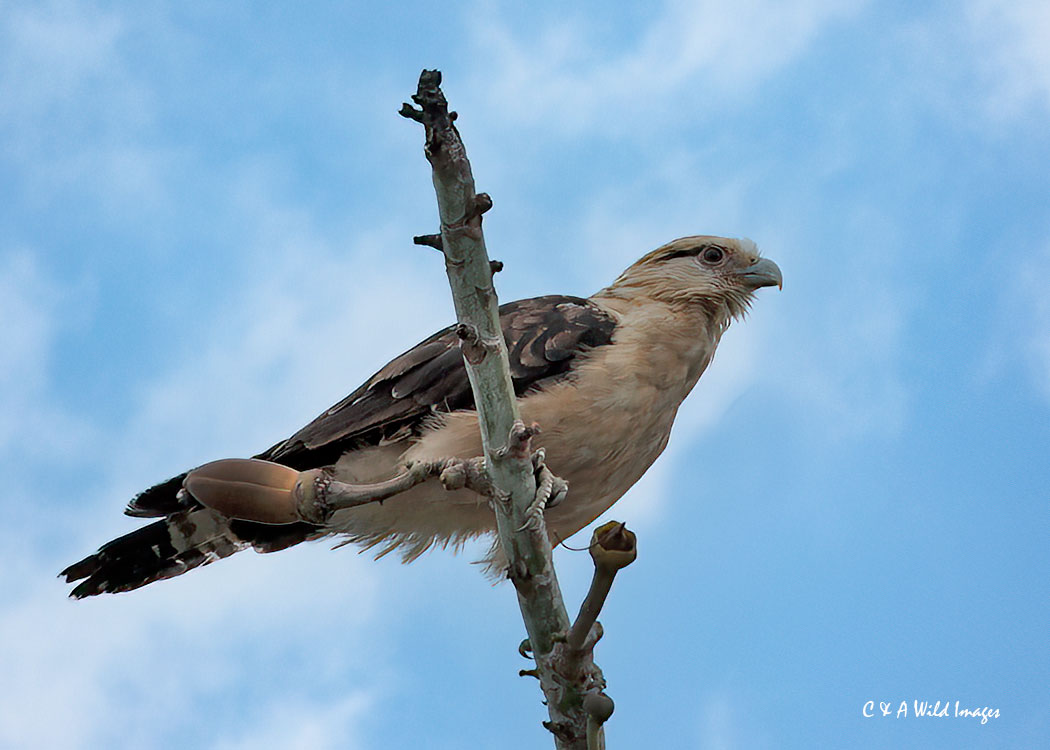
After watching a short film on the history of the fort. we made a short tour of the grounds taking in views out over the Caribbean and river. During our walk through the Fort, which is currently undergoing some restoration. we found a small colony of White-lined Bats, roosting under an archway. There was also a number of birds including Brown pelicans, a Royal Tern and a pair of Yellow-headed Caracara
Lunch at Fort San Lorenzo
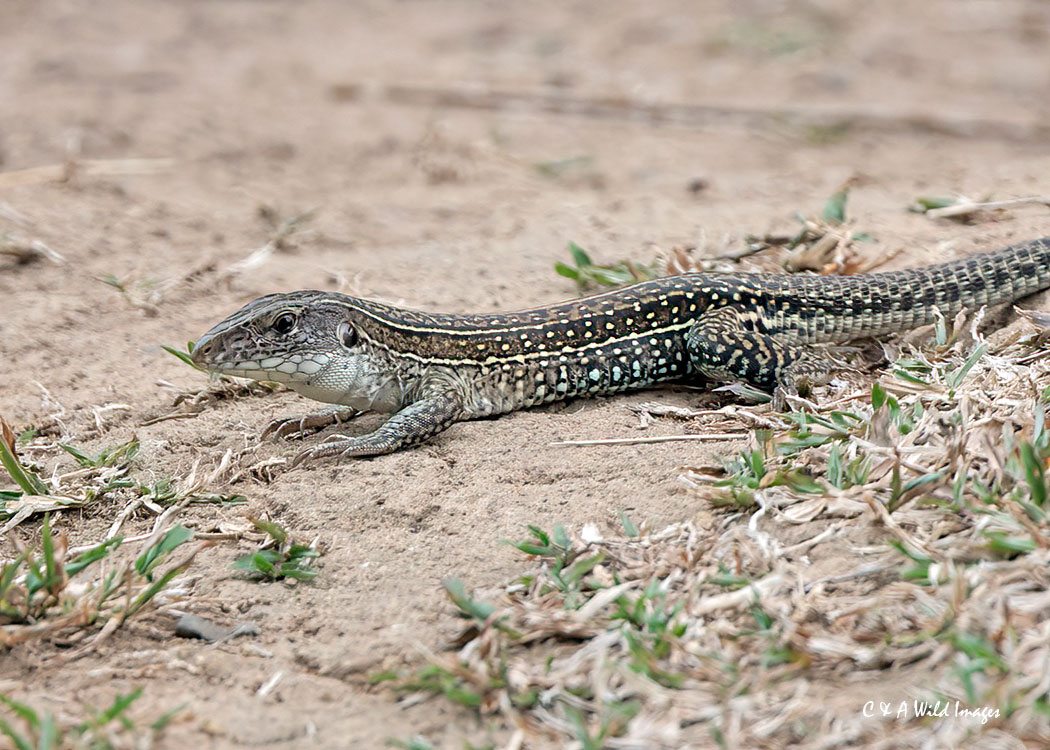
It was now lunch time and Alex and Eric had prepared a delicious picnic lunch which we took under the shade of a mango trees. While we ate we watched an Agouti and a Four- lined Ameiva lizard. Although still cloudy we enjoyed the beautiful views of the Caribbean Ocean where it meets the mouth of the Chagres River.
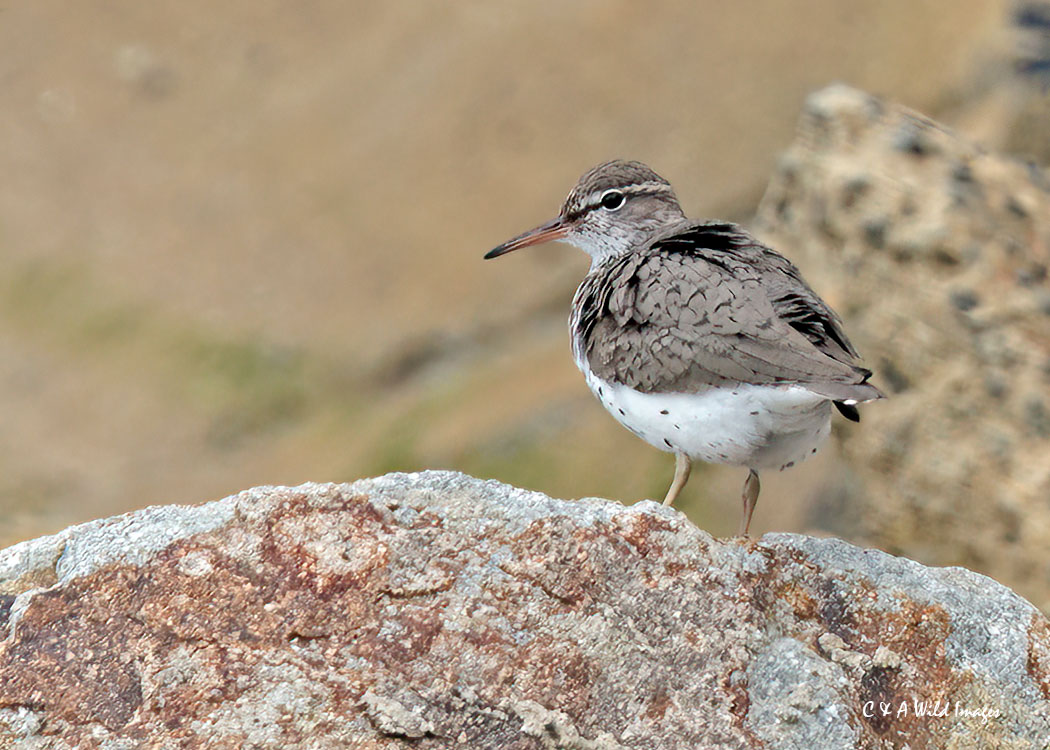
Leaving the fort we then drove down to the shoreline and observed a tricoloured Heron, an immature Blue Heron, Tropical Mockingbird, Spotted Sandpiper and a Sandwich Tern. We then headed back to the Canopy Tower. via the mangrove swamps near the entrance to Fort Sherman . We were hoping to see a Crab-eating Racoon but, unfortunately had no luck
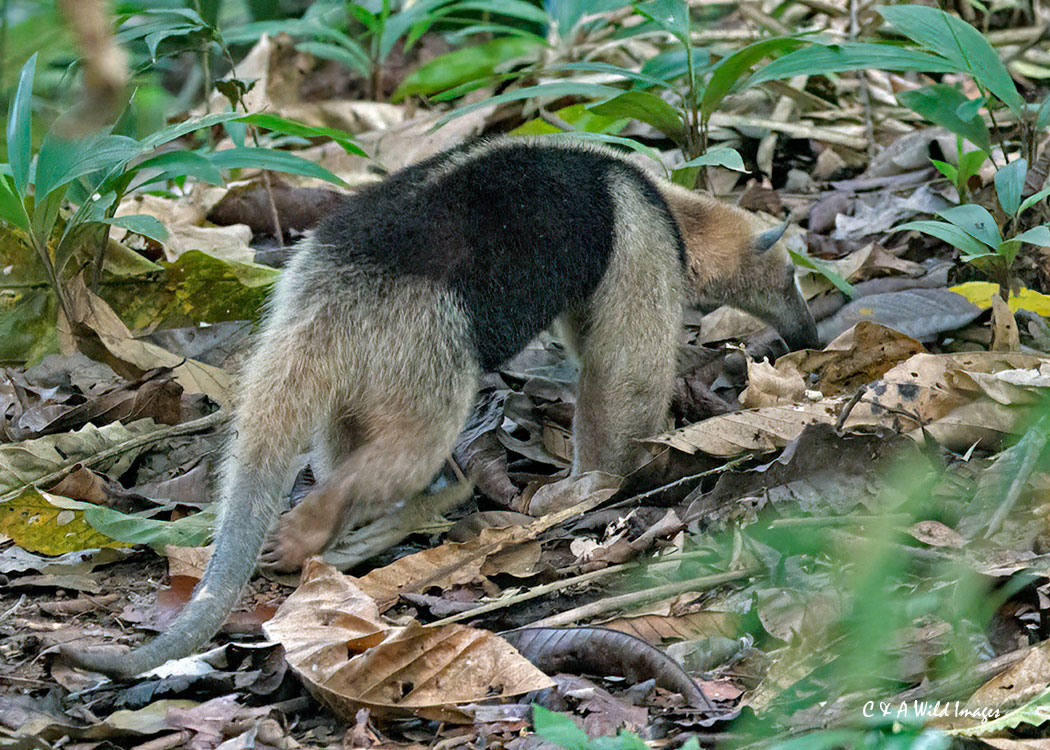
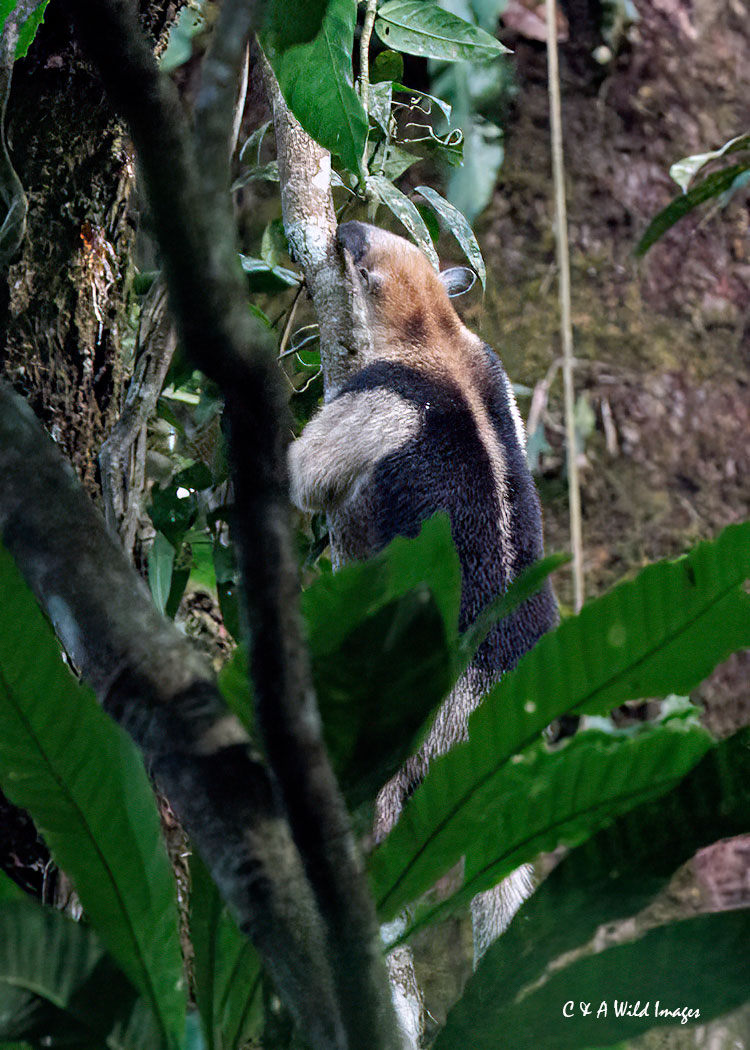
On the way back up Semaphore Hill Alex suddenly stopped the bus. This was because a Northern Tamandua was crossing the road and heading into the forest. Here we watched it climb a tree at some distance from the road. It therefore only gave us a brief chance to get some photographs.
Night along Semaphore Hill
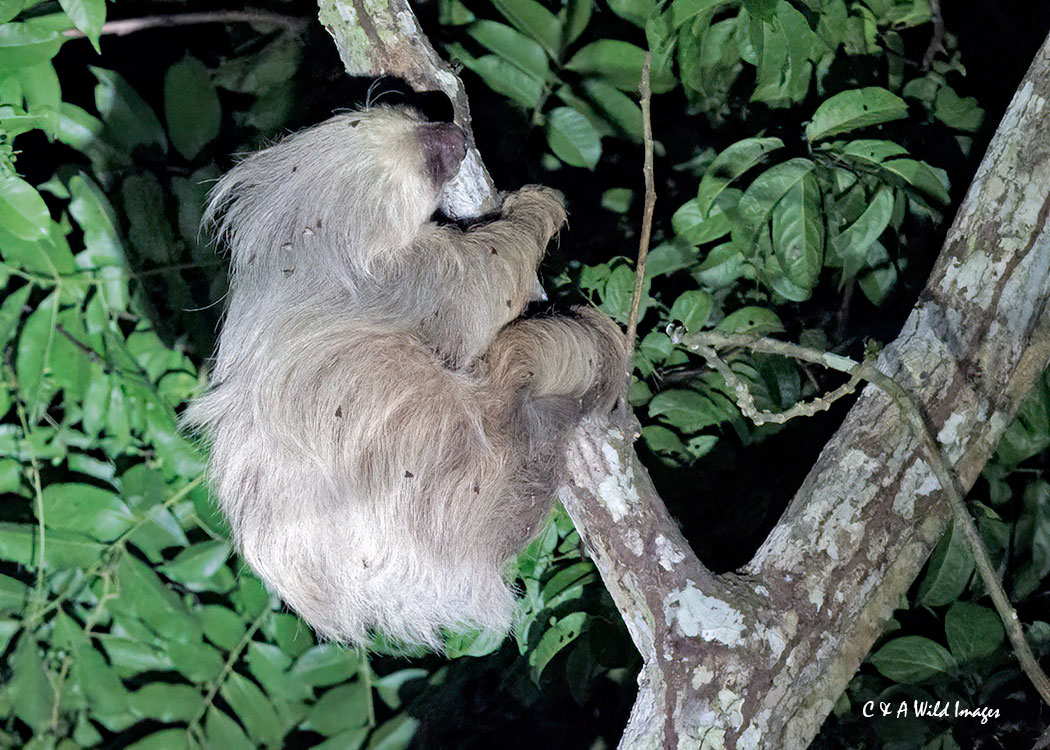
After dinner we went on a our first night drive, spotlighting the forest around the Semaphore Hill area. It was a quiet trip , but we did see a two- toed sloth, covered in the moths that make their home in its coat, moving above our heads.