In Search of the Iberian Lynx
Our group, led by Richard, gathered at Stansted Airport for our journey to Spain in search of the Iberian Lynx. On arrival, our local guides greeted us, and we set off in minibuses for the small town of El Rocío. Known for its unique sandy streets and whitewashed buildings, El Rocío sits on the edge of the vast marismas of Donana National Park. Despite arriving late, we were welcomed with a light meal of cold meats, cheeses, and wine before settling in for the night.


Donana National Park.
After an early breakfast, we headed into Donana National Park. Known for its wetlands, forests, and sand dunes, the park is a key area for endangered species like the Iberian Lynx. The day began peacefully, with bird songs filling the air, including a Robin and Cetti’s Warbler. Though the Lynx remained elusive, the park revealed other treasures. We spotted Red Deer grazing on the open grasslands, Iberian Grey Shrikes perched in the bushes, and Sardinian Warblers flitting about. The highlight of the morning came when we spotted an impressive Spanish Imperial Eagle, a bird of prey now rarely seen outside Spain. This particular individual was special – a 30-year-old female, the oldest known in the wild.

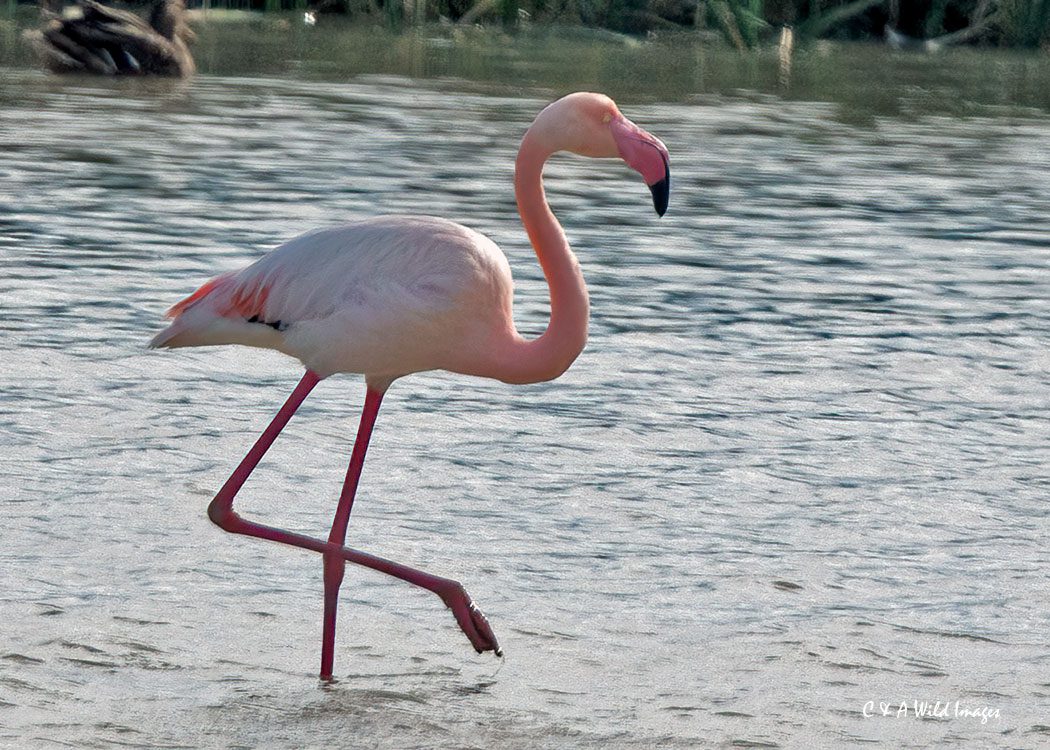
For lunch, we enjoyed a picnic of local pastries while watching in the distance large flocks of Greater Flamingos feeding in the shallow waters. Sightings of Glossy Ibis and Black-tailed Godwits added to the scene. A visit to a nearby Barn Owl roost provided more excitement, and Western Swamphen and Marbled Duck added further to the bird list in the afternoon. Before heading back to El Rocío, we stopped at a managed rabbit warren – vital for the survival of the Lynx, whose diet mainly consists of rabbits and central to the reintroduction of the lynx into the area.


Back in El Rocío, we took a walk around the marisma behind the hotel, now brimming with birdlife. Spoonbills, Black-winged Stilts, Ruff, and Greylag Geese were among the species we encountered before wrapping up the day with a walk through the town’s sandy streets, very reminiscent of a scene from a western movie.
Day Two in the Donana NP
We returned to Donana NP after breakfast, again hoping for a glimpse of the Iberian Lynx. The search was fruitless, but we did see Griffon Vultures soaring overhead. Plus more Red Deer, and a Little Owl perched quietly. One exciting discovery was a Lynx scat – strategically placed on top of a Badger’s, a territorial marking by the Lynx.

As we left the park, a large flock of Iberian Magpies flew between the trees, offering a spectacular sight. After packing up, we ventured to the other side of the marisma. Adding Lapwings, Jackdaws, and Spotted Flycatchers to our growing bird list.


In the afternoon, we left El Rocío and journeyed toward Andújar, stopping briefly in Córdoba. By early evening, we arrived at Los Pinos, our hotel nestled in the hills of the Sierra de Andújar NP.
Sierra de Andújar Natural Park
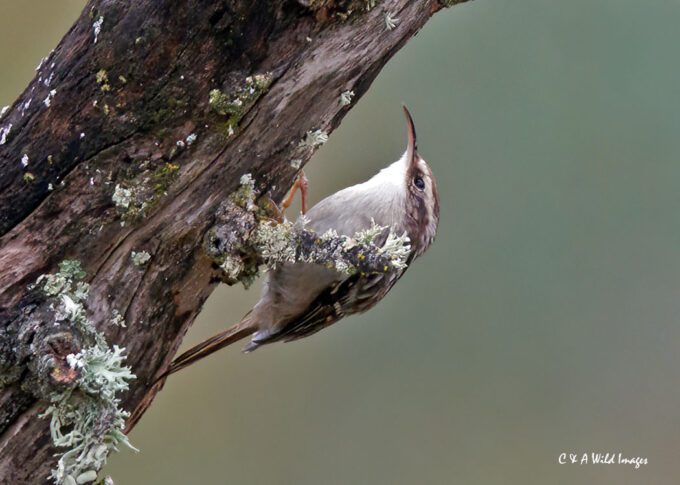
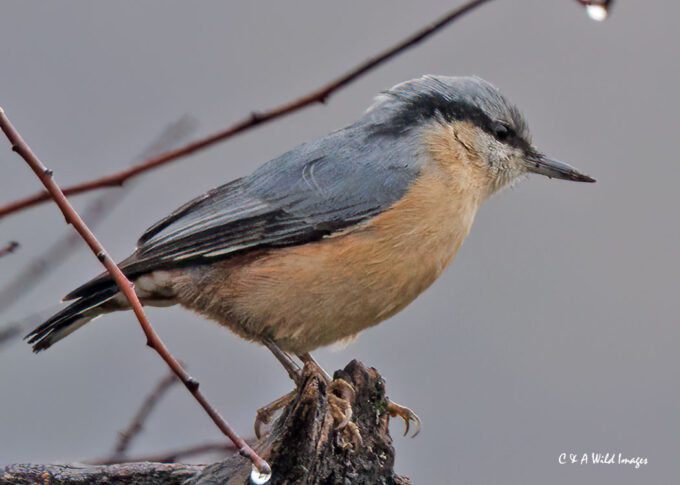
Thursday began with drizzle, setting a more somber tone for the day as we drove along Lancha Road toward the Jándula reservoir. Despite the damp conditions, the wildlife didn’t disappoint. We spotted a variety of birds, including Hawfinch, Nuthatch, Short-toed Treecreeper, and Black Redstart.
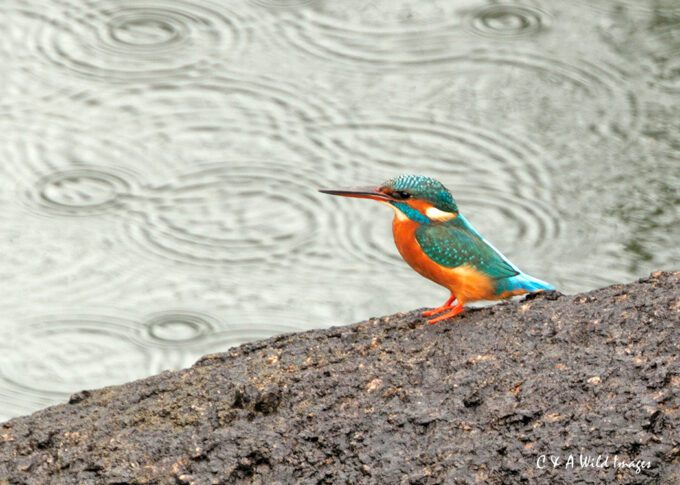
After a wet morning, we returned to Los Pinos for a warm lunch and a chance to dry off. In the afternoon, we visited the Encinarejo Reservoir. Where we were rewarded with sightings of Spanish Imperial Eagles, Grey Wagtails, and Kingfishers. At one point, we may have glimpsed the tail of an Otter, disappearing into the water. As the day drew to a close, we managed views of a low-flying Black Vulture and more Griffon Vultures overhead.

Finally clear skies greeted us on Friday as we set off to hopefully capture views of the fablabled Lynx . Our first stop was a prime Lynx territory, but again, the Red Deer and Wild Boar were the main stars of the morning. Although we were shown a number of images from other tourists of the Lynx that the had seen a few day ago along the road. A Red-billed Chough called from high above, and excitement briefly flared when we saw an Iberian Ibex moving along a ridge. Soon after, a large flock of Magpies stirred, possibly indicating the presence of a Lynx. While we eagerly scanned the area, the Lynx remained hidden.

Along the Lancha Road
After a scenic lunch break, we explored the dam area, spotting Crag Martins and a Blue Rock Thrush. A mother and fawn Ibex provided fantastic views up close, followed by a male Ibex descending a steep slope gracefully. The afternoon was spent scanning the reservoir for Kingfishers, Grey Wagtails, and vultures, though like the lynx the Otters continued to elude us.

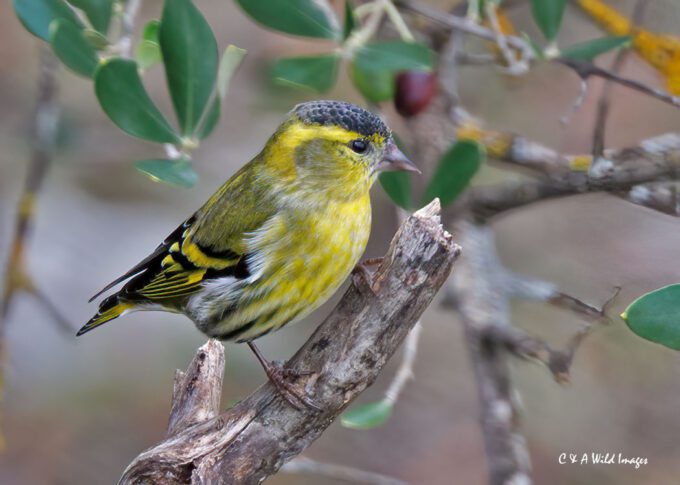
With our flight scheduled for later in the day, we had one last chance to search for the elusive Iberian Lynx. Though it remained out of sight, the morning delivered sightings of Mouflon, vultures, a Spanish Imperial Eagle, Iberian Green Woodpecker, and two Wild Boar.

By early afternoon, we packed up and began our journey back to Seville. After bidding farewell to our guides, we caught our slightly delayed flight back to a wet and windy Stansted. The trip was filled with a variety of wildlife moments and very scenic landscapes, leaving us with the hope of one day returning for that long-awaited glimpse of the Iberian Lynx.