River Life and the Road to Kaziranga
As we continued our journey down the Brahmaputra River, heading toward Kaziranga National Park, we had the opportunity to explore more of Assam’s diverse landscape and culture. One of the highlights before reaching the park was a visit to a village belonging to the Mising tribe, a community that lives along this stretch of the river.


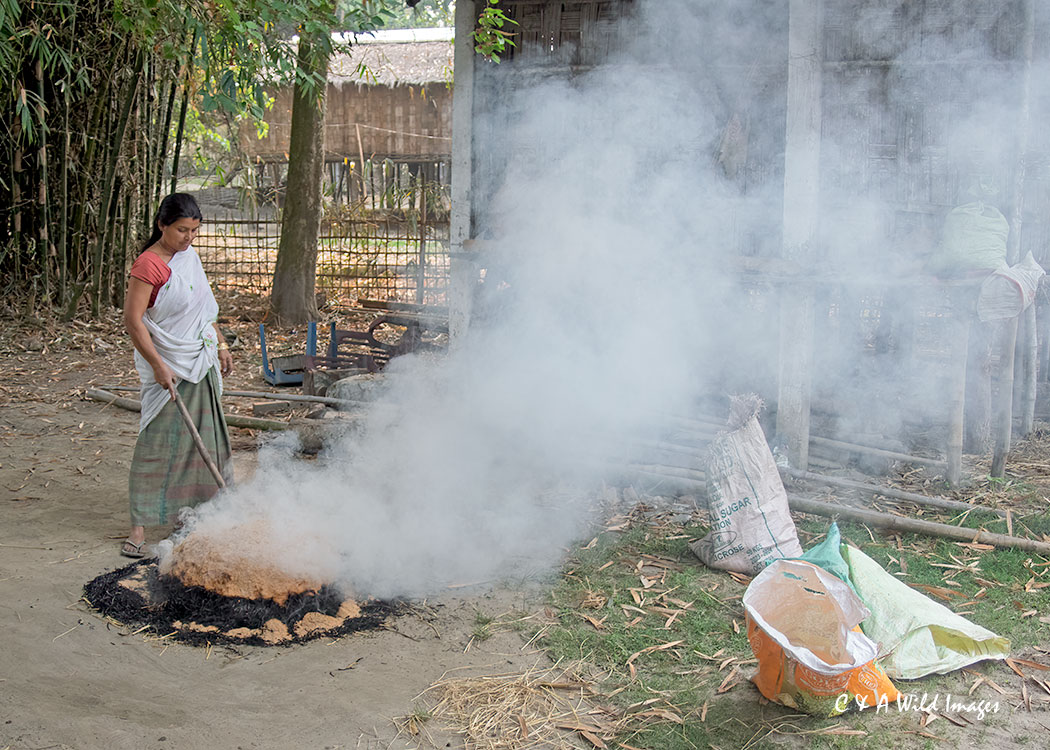
Arriving early in the morning, we were able to witness the village waking up. Smoke curled from small cooking fires, and the sound of chatter and tools filled the air as the day’s tasks began. Traditional stilt houses stood above the damp ground, designed to cope with the seasonal flooding of the Brahmaputra. Life here moves at a steady, practical pace.



Back on the boat, we resumed our slow glide downstream. Occasionally, the smooth surface of the water would break with the brief appearance of a Ganges River Dolphin, surfacing before slipping back below. It’s always a thrill to catch sight of one, even if fleeting.
As we entered the borders of Kaziranga National Park, our attention turned more sharply to the shoreline. And then — a real treat — a herd of elephants emerged from the forest and stood silhouetted against the riverbank. It was a dramatic and fitting welcome to one of India’s most celebrated wildlife reserves.

That evening, we moored the boat just outside the park boundaries. This would be our base for the next three nights as we explored Kaziranga’s vast floodplains and grasslands.
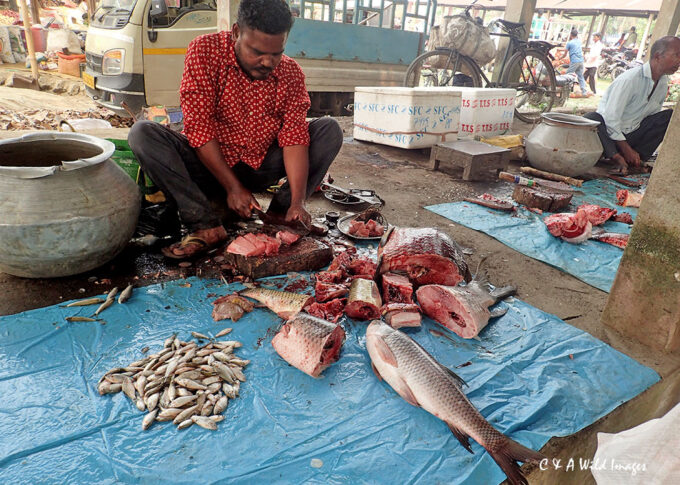
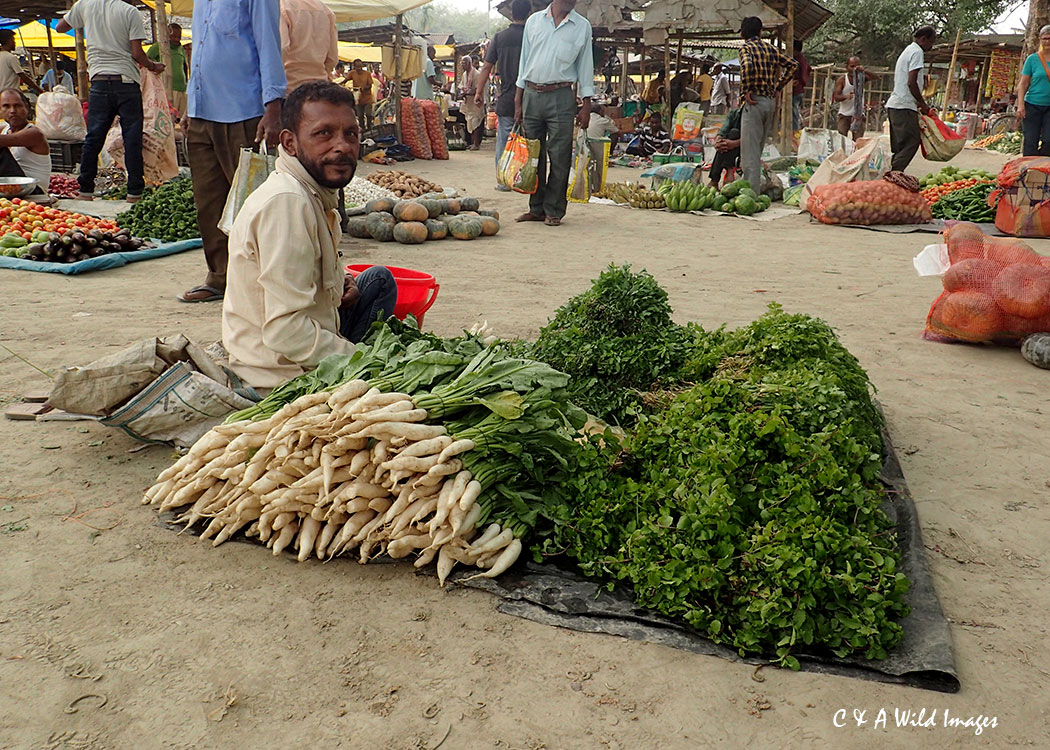
The following morning began with a slightly different kind of adventure — a visit to a local market to top up supplies. Our group was given the challenge of bartering for specific ingredients. Our task: buy as much coriander as possible for 50 rupees. A fun and light-hearted interaction, it also gave us a chance to engage with the local vendors and soak in the atmosphere of a bustling, colourful Assamese market.

Later in the day, we made our way to Kaziranga’s main gate for our first afternoon safari. The excitement was building as we boarded our jeep and headed into the park. We expected spotting Greater One-horned Rhinos would be a challenge — these massive animals were once critically endangered and clinging to survival. But to our surprise, they were everywhere.

Rather than searching for hours, we found ourselves surrounded by them. Thanks to the park’s conservation efforts, the population has made a dramatic comeback, rising from fewer than 200 in the early 1900s to around 4,000 individuals today. It’s a real conservation success story.
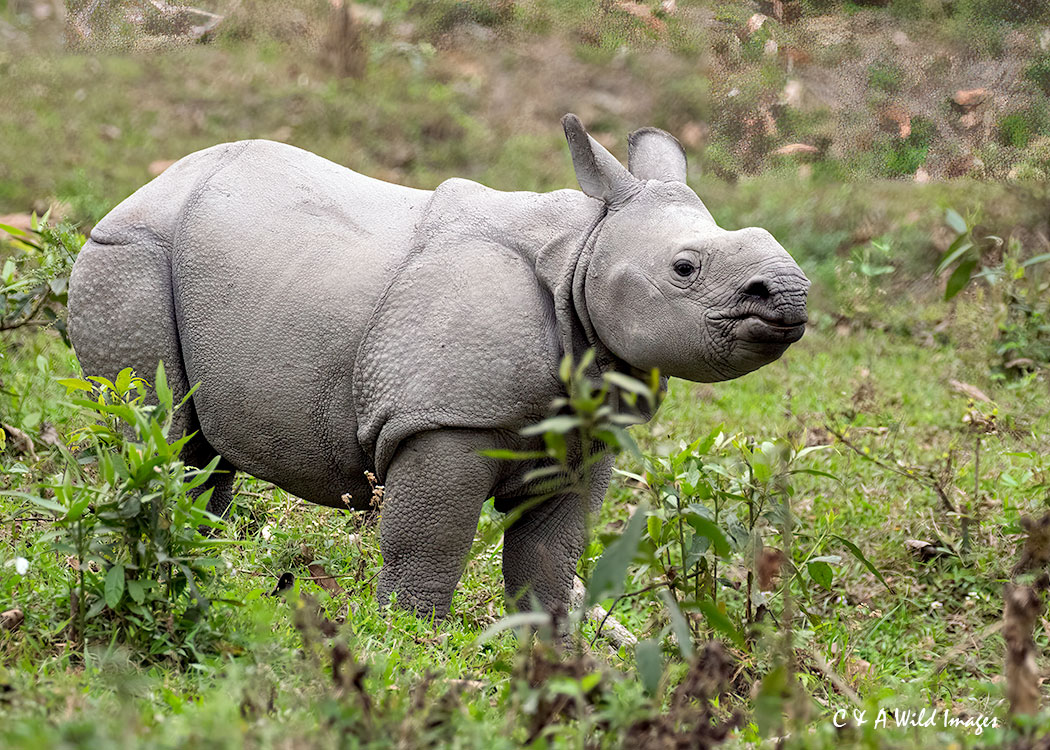
Strangely, this abundance left us with mixed feelings. The thrill of a rare sighting was replaced by the novelty of seeing rhinos almost casually grazing in the open. Interestingly, this success is also changing their behaviour — typically solitary animals, the rhinos in Kaziranga are becoming more tolerant of each other, often seen feeding in loose groups or mothers with calves lingering together longer than usual.

As we explored Kaziranga’s grasslands and wetlands over the following days, we saw wild elephants, swamp deer, and a rich variety of birdlife. Though a tiger remained elusive, the sense of being in a truly wild and thriving ecosystem made every safari memorable.
Crikey what a trip
Definitely memorable and some fabulous photos
Thank you