Birding along Pipeline Road
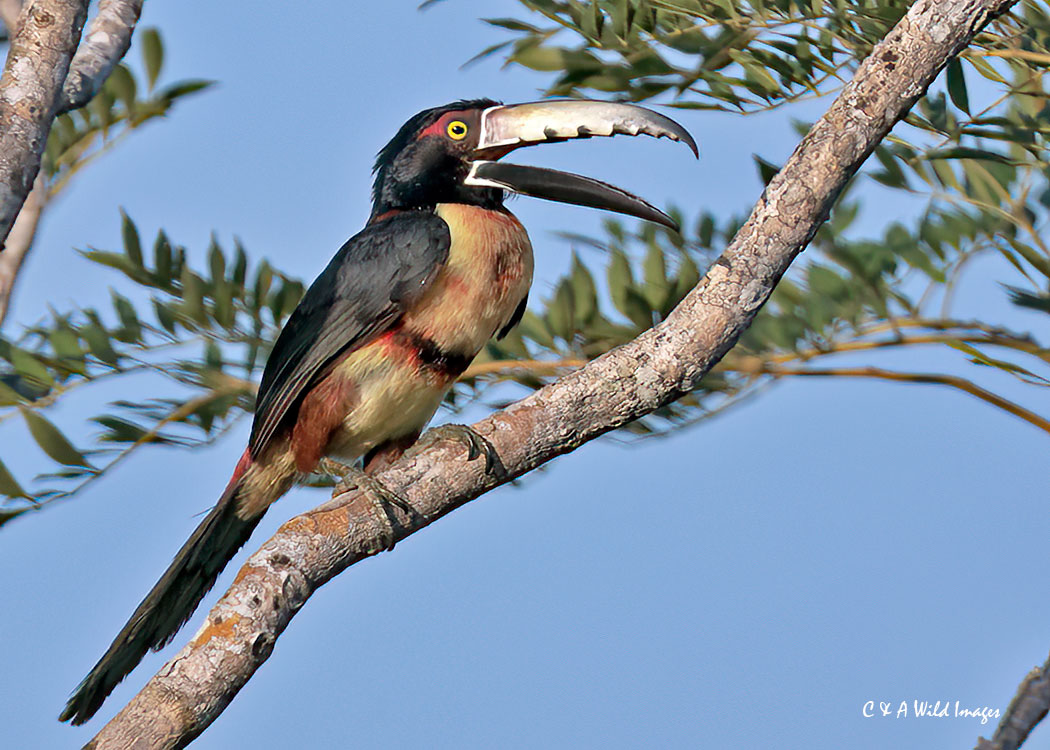
We woke up early and gathered on the Tower’s viewing platform for a morning treat of coffee and biscuits. There were the same familiar faces in the treetops, like the pair of Mealy Parrots, Red Lored parrots, Blue Dacnis, Palm tanagers, and an Eastern wood Pewee. During breakfast, we were joined by a Collared Acari and a black-cheeked woodpecker perched on a nearby tree. Our plan for the day was to explore the famous Pipeline Road in the Soberania National Park, where we intended to spend the morning
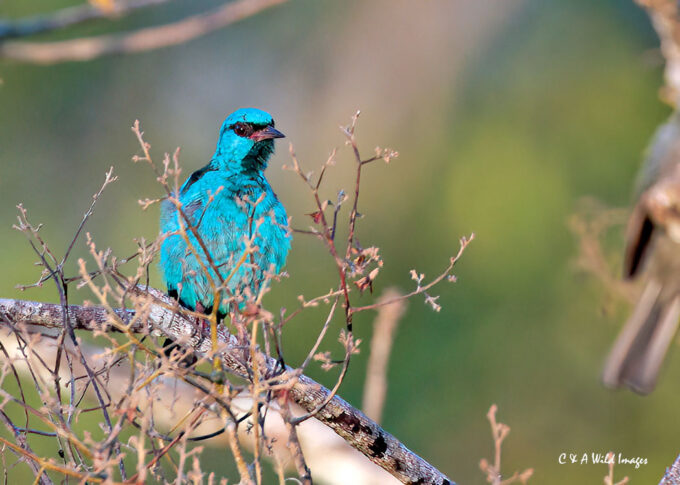
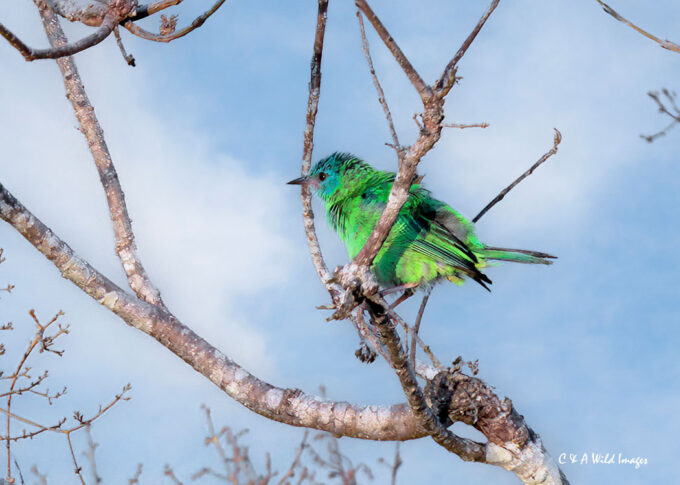
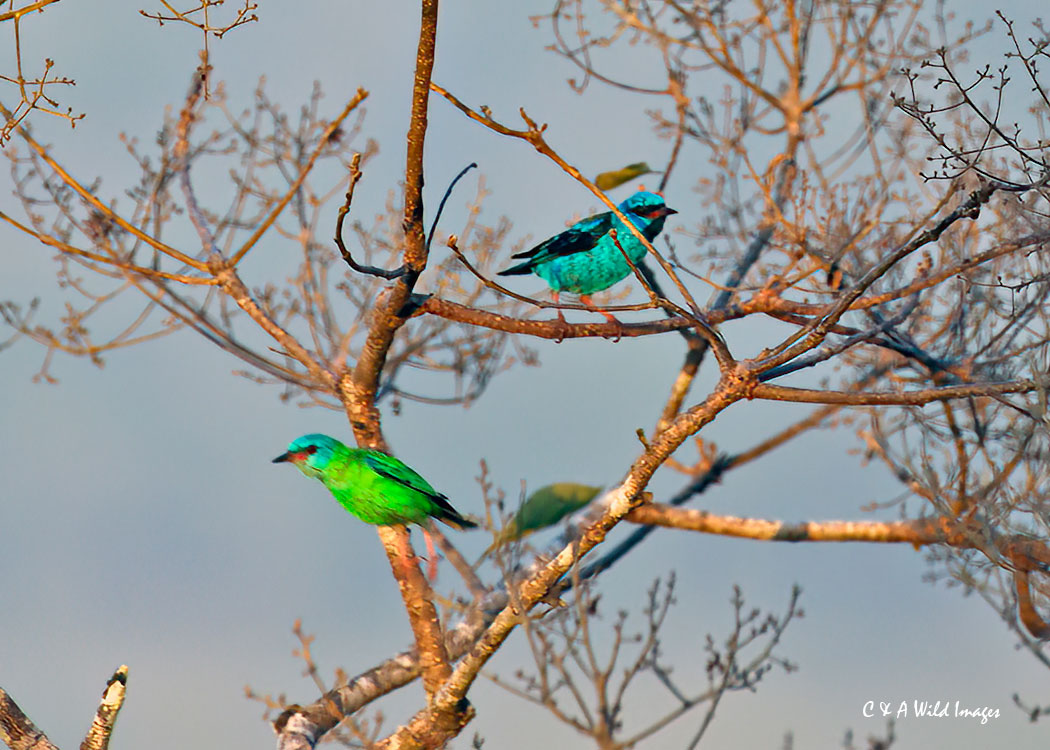
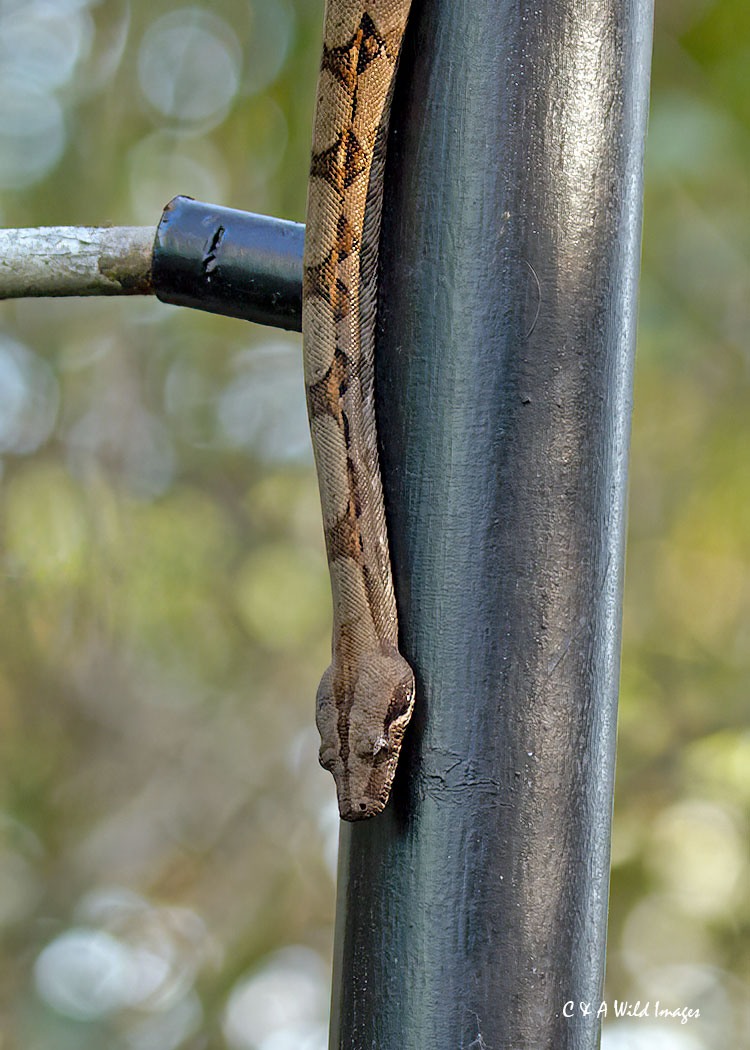
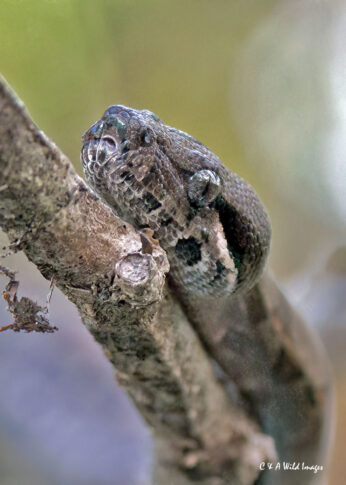
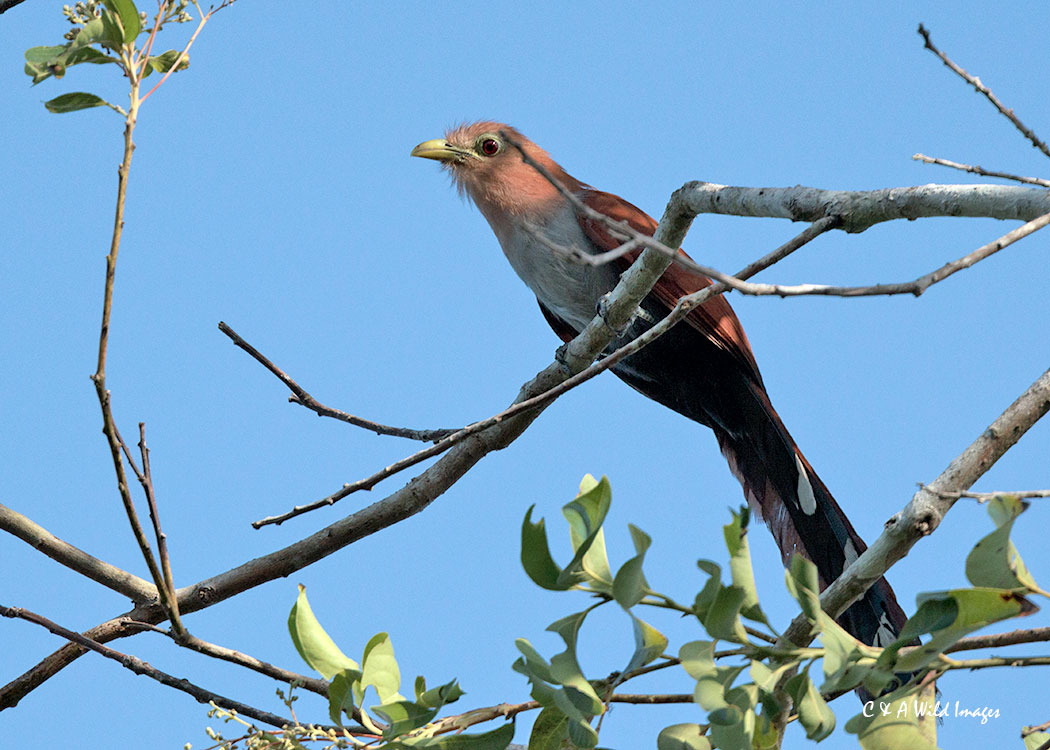
But before we set off, we took some time to check out the hummingbird feeders and look for the resident Boa. To our surprise, the Boa had relocated and now made its home on the hummingbird feeder pole. Just as we were about to embark on our journey to Gamboa and the Pipeline road, we spotted a Squirrel Cuckoo high up in a tree.
The Pipeline Road has gained a reputation as one of the best places for birdwatching in Central America. It was originally built during World War II by U.S. soldiers as a backup plan to transfer fuel if the canal was closed. However, the pipeline was never used, and the road now serves as a pathway through the lush tropical rainforest. Although the road used to be 24 kilometers long, only the first 4 kilometers are commonly explored today.
Pipeline road
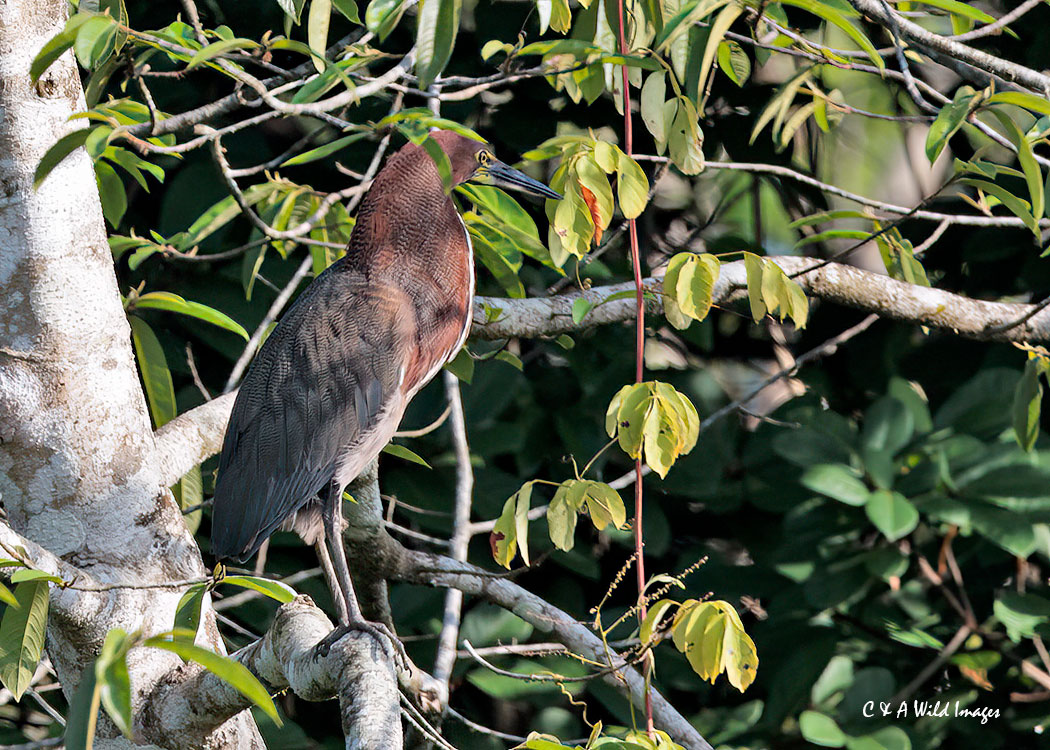
Before reaching the Pipeline road, we made a quick stop at the Ammo ponds. Here, we watched a Rufescent Tiger-Heron, along with Mangrove Swallows, Streaked Flycatchers, and Magnificent Frigatebirds soaring above the section of the Panama Canal that runs alongside the road.
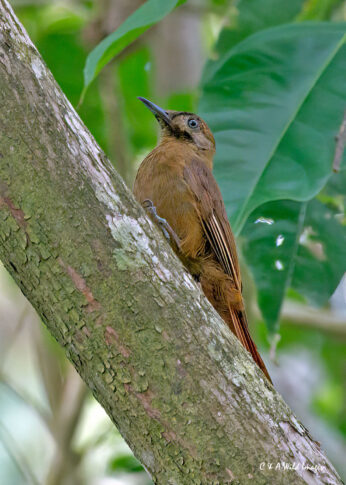
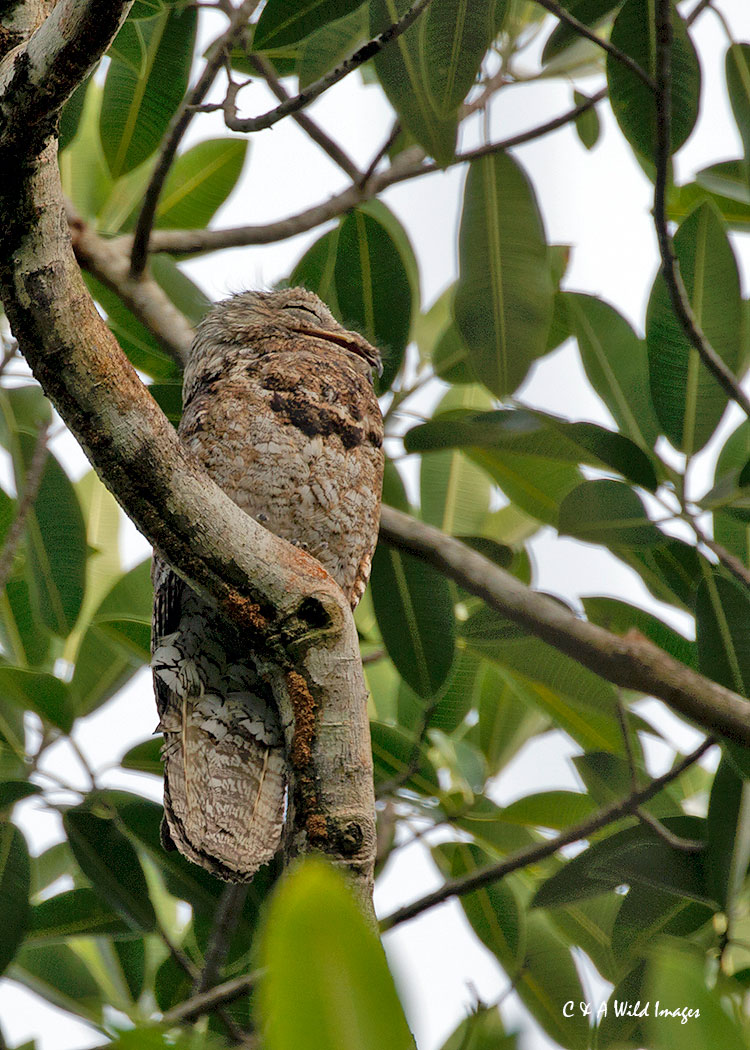
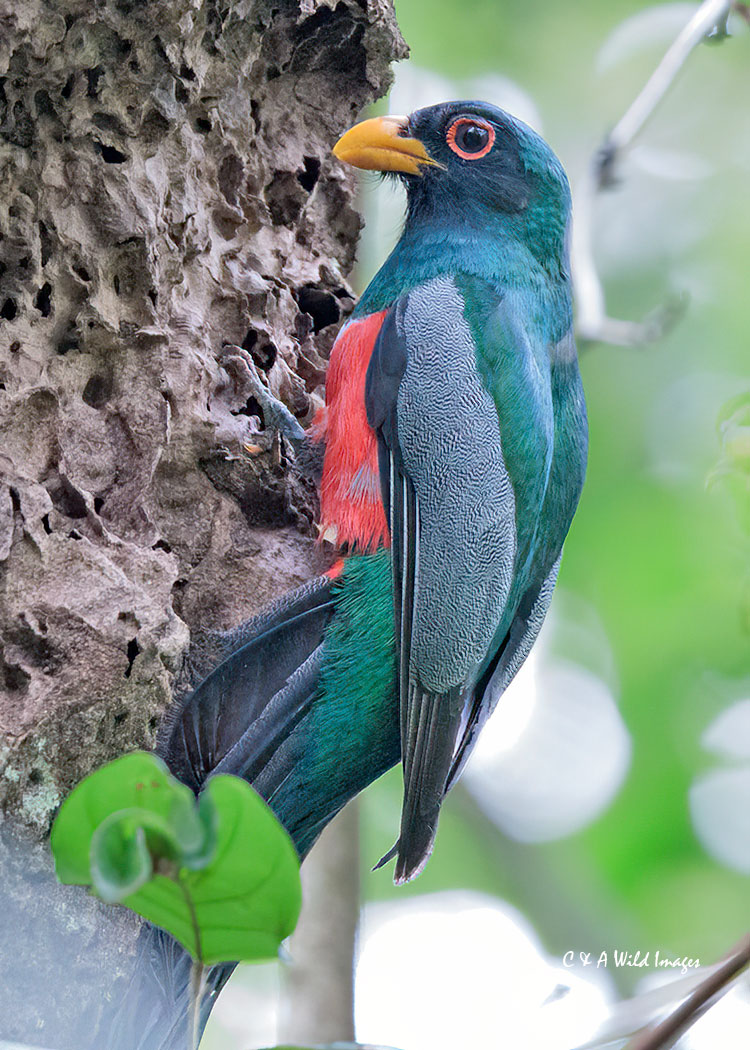
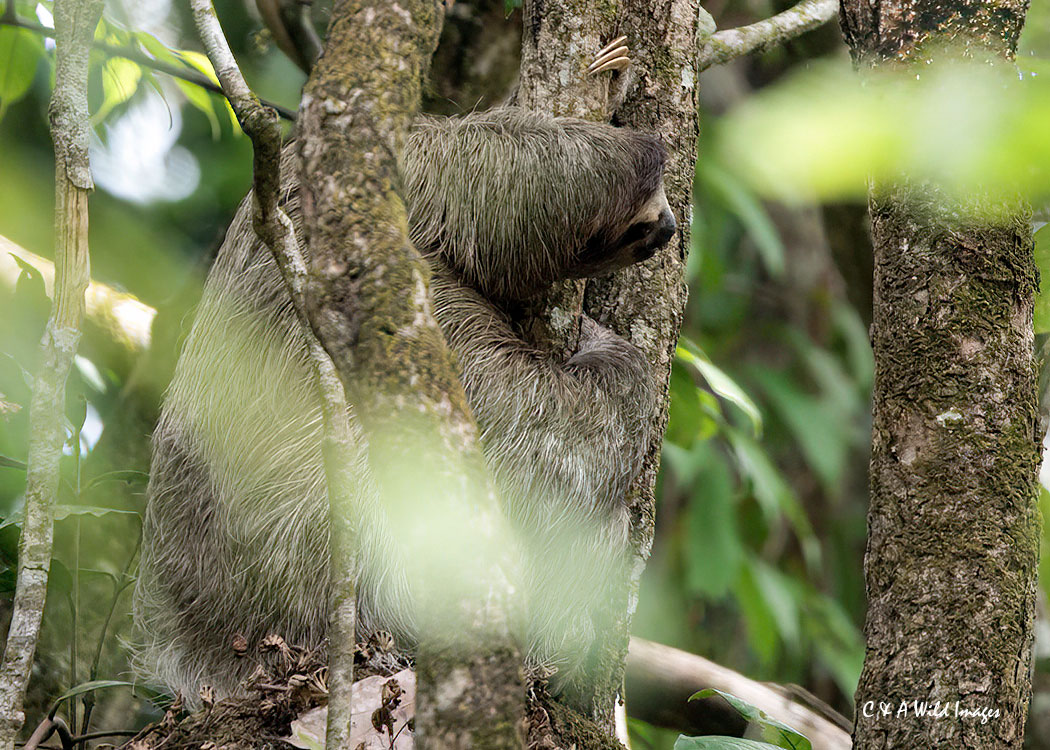
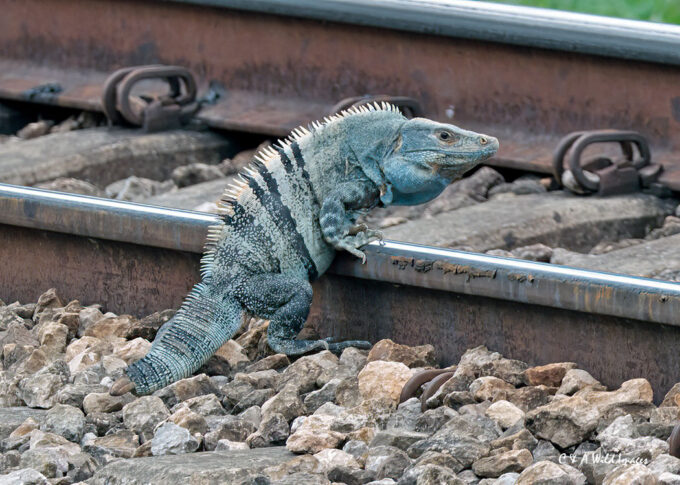
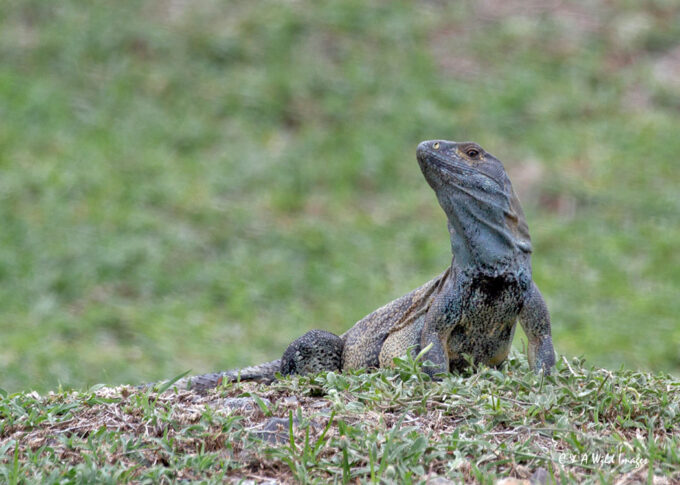
Our journey along the rainforest track began with the guidance of our knowledgeable guides, Alex and Eric. They pointed out various wildlife species that crossed our path, including Streaked flycatchers, Fasciated Antshrike, Plain brown woodcreepers, Bright-rumped Attilas, and even a sleeping Great Potoo. At one point, we stumbled upon a pair of black-tailed trogons diligently working on a termite nest on a tree trunk. As we continued along the track, we were rewarded with sightings of Three-toed Sloths, several Agoutis, Red-tailed Squirrels, Anole lizards, and a vibrant Green Iguana, adding a splash of color to the scenery.
Back to the Tower
After walking for a couple of miles, we took a well-deserved break. Refreshing drinks were waiting for us, courtesy of the van that would take us back to the tower for lunch.
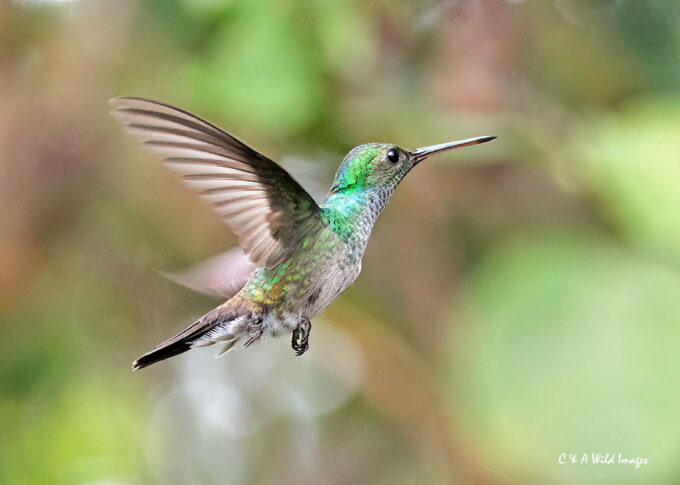
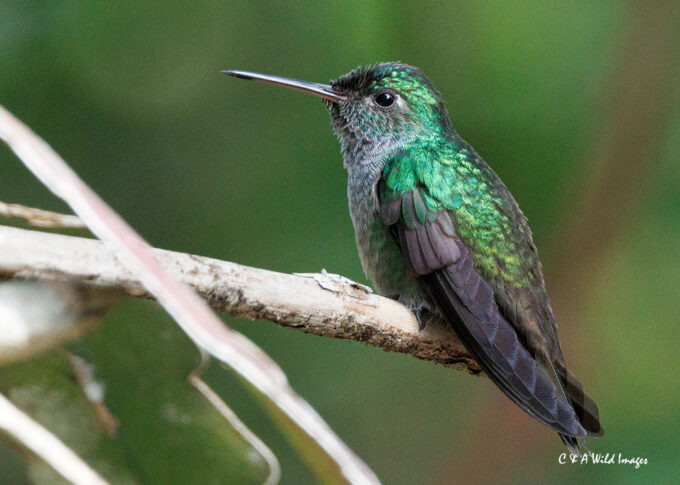
After enjoying lunch, we had some free time to relax and try our luck at capturing photos of hummingbirds in flight again,. Then it was time for a visit to the Sloth Sanctuary, which was located within the grounds of a resort over looking the scenic Chagres River. This unique sanctuary offered us an up-close encounter with sloths. The resort itself was a blend of old buildings from the former USA army base and modern hotel facilities. While some structures were being renovated, others were in need of repair.
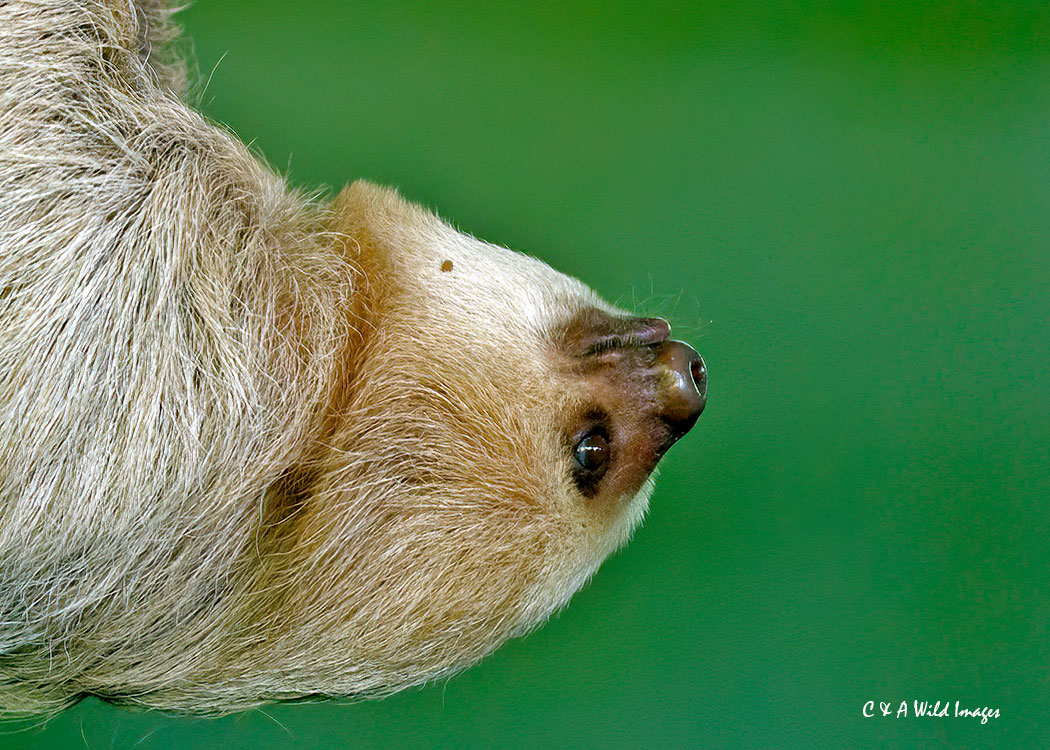
Gamboa Sloth Sanctuary
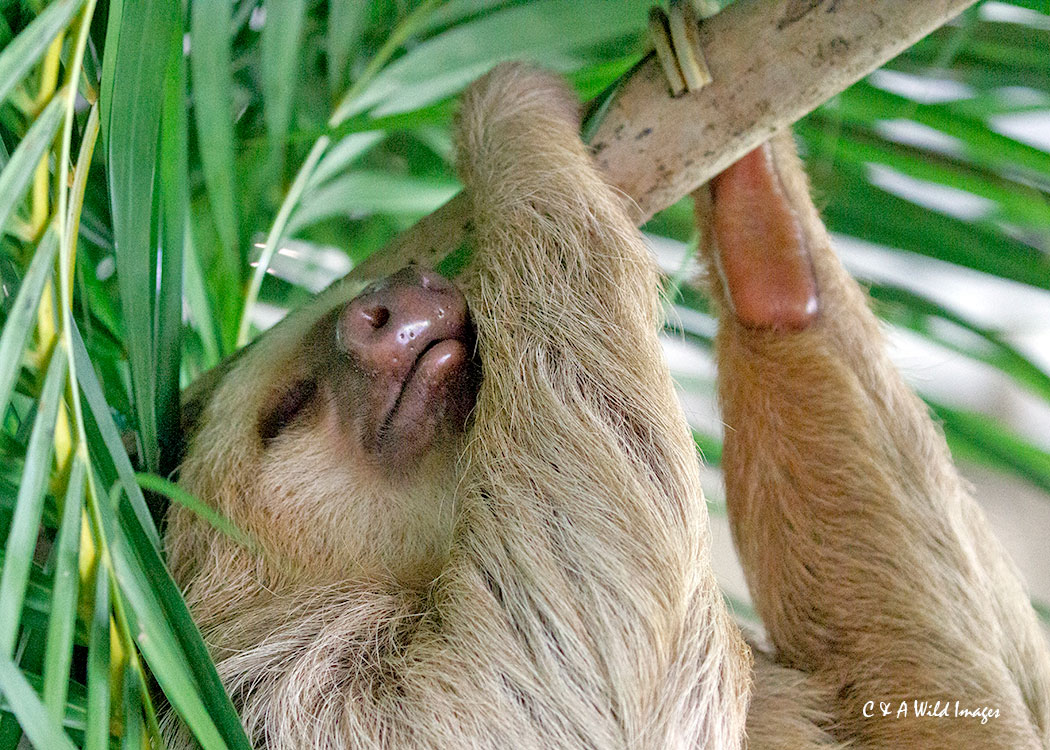
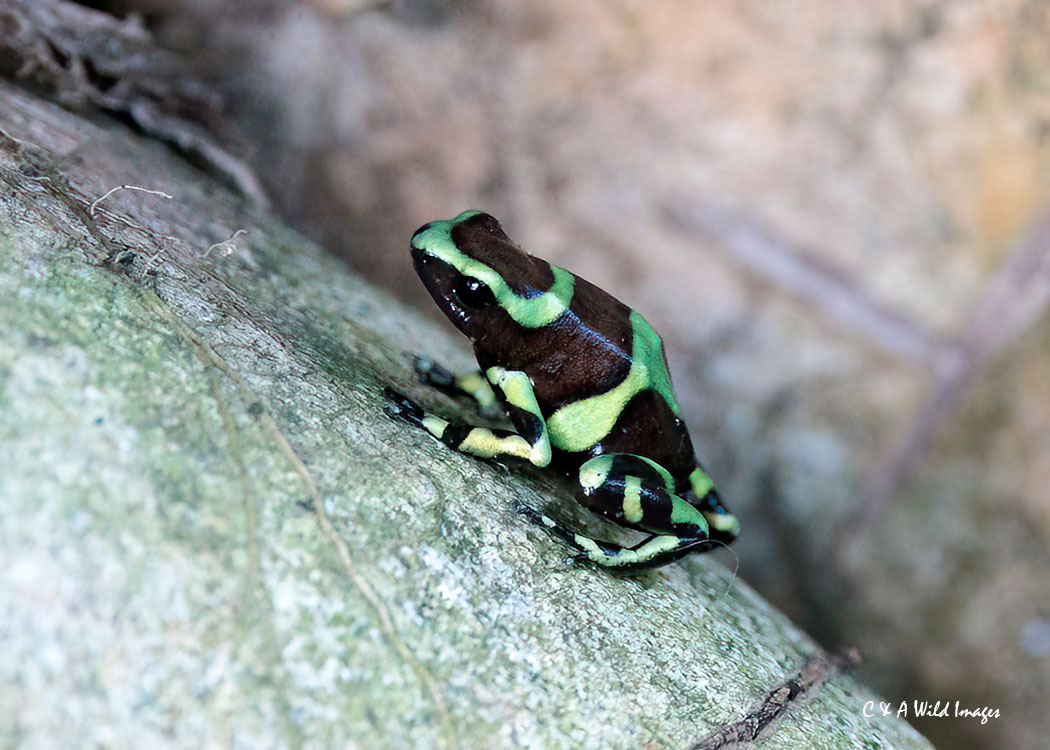
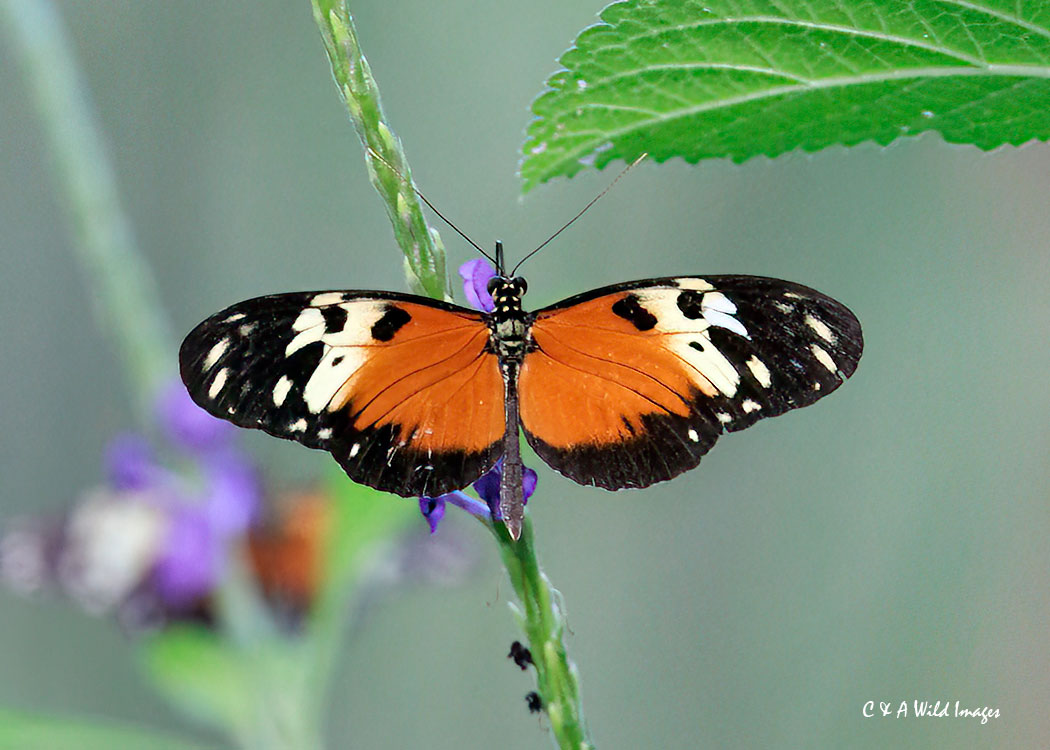
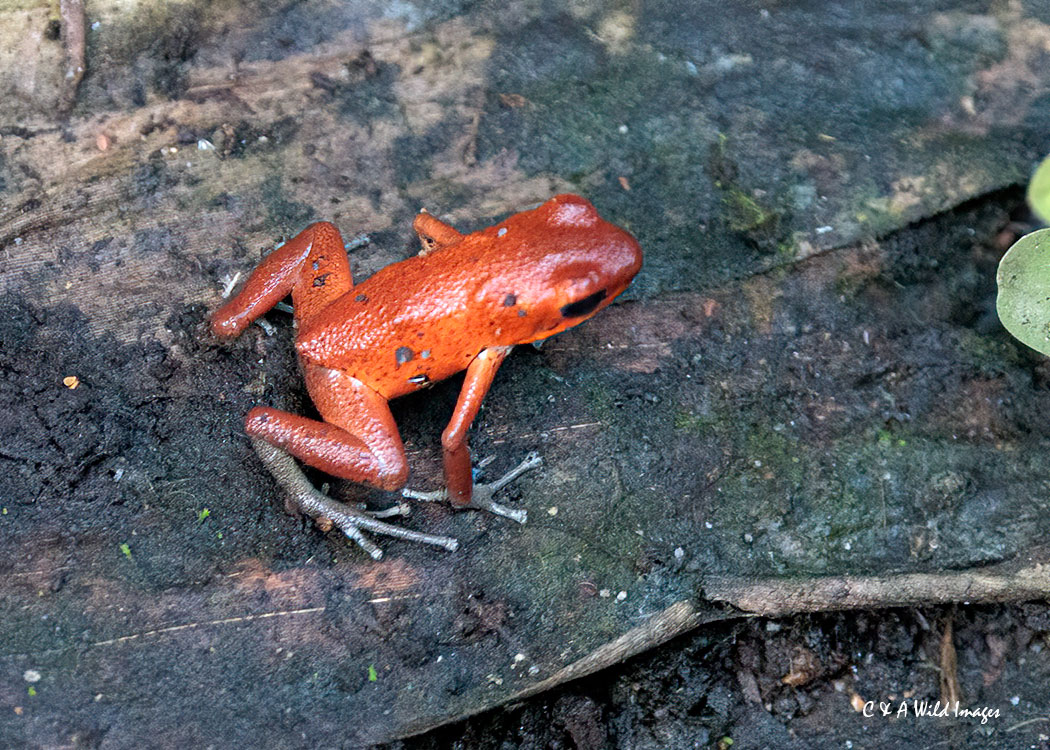
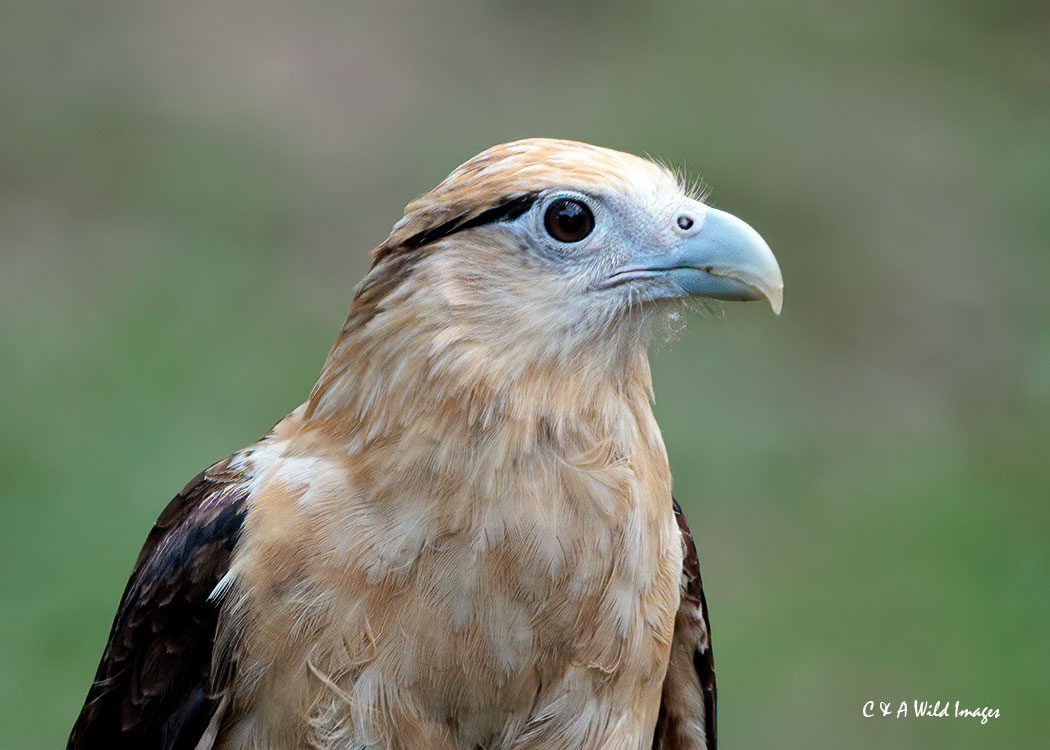
At the sloth sanctuary, we met Angela, an orphaned 4-year-old two-toed sloth who served as the sanctuary’s ambassador. We also had the opportunity to explore the Frog enclosure, where we discovered a variety of poison dart frogs showcasing their vibrant colors. Our next stop was the butterfly house, where we were able to observe several native butterfly species of Panama, including the beautiful Juliet and the magnificent Blue Morpho. As we left the resort, a Yellow-headed Caracara perched on a nearby post, allowing us to capture some close-up images of this stunning bird
Semaphore Hill at Night
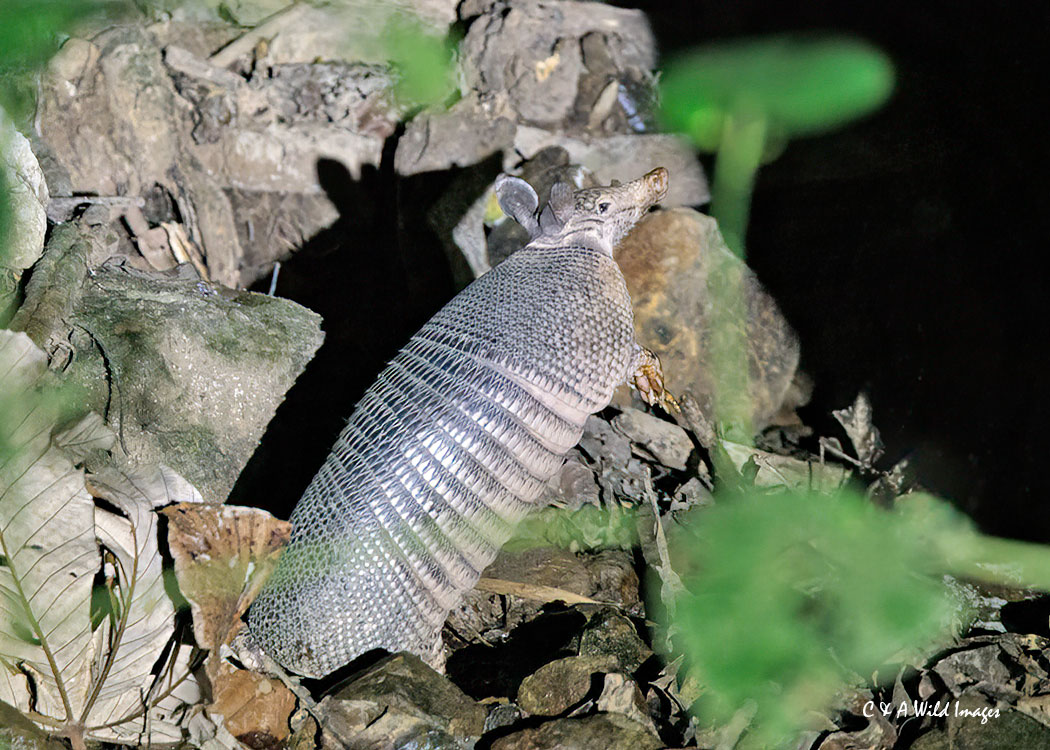
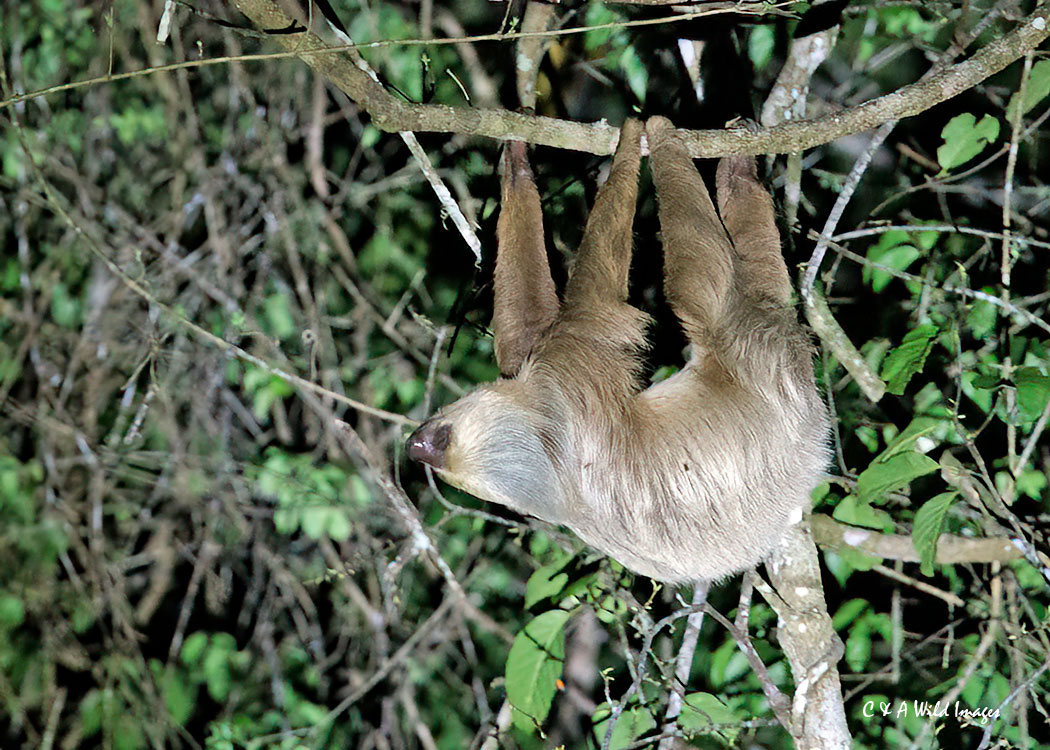
We returned to The Tower in time for dinner. Afterwards, we embarked on a night drive down Semaphore Hill, hoping to catch a glimpse of the nocturnal wildlife. Our first sightings included a roosting Mealy Parrot and a Tinamou, peacefully resting in the darkness. As we continued our nocturnal drive we spotted a Nine-banded Armadillo, scurrying along with its unique armored shell. We also caught a quick glimpse of a Common Opossum before our journey back to The Tower. Just before concluding our night drive, Eric’s keen eyes spotted a sleeping Two-toed Sloth, serenely nestled among the tree branches.