Beaver Diaries May 2024
Finally, it looks like the weather is on our side. Less rain than last month is allowing the waterlogged ground to dry out and allowed access through gate 1. This month, we made two visits to check on the trail cameras. We hoped to catch a glimpse of our beavers’ activities and health. The two kits from last year have now reached their one-year milestone, becoming yearlings
Warmer Days
From the footage, it’s clear that all the beavers have been busy. Whether due to winter access to new areas or their natural instinct to modify their environment, they’ve been hard at work. They’ve been modifying the lodges and significantly reinforcing their first dam. They also constructed two new ones, holding back a considerable amount of water in a wooded area we’ve named Poplar Wood.
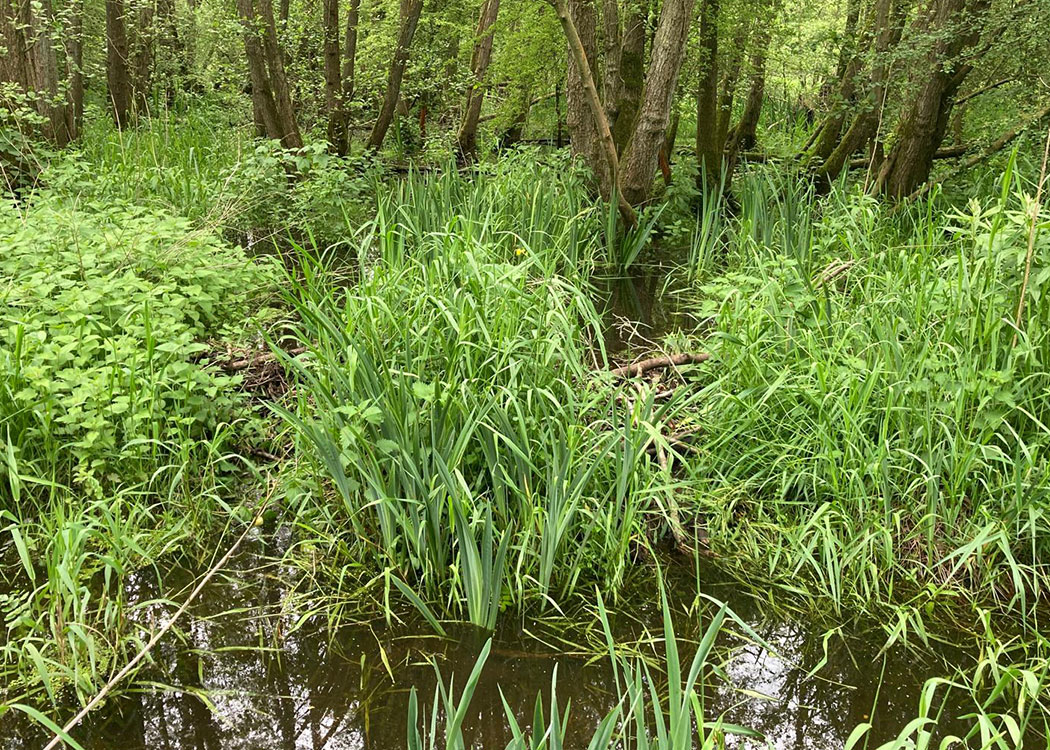
On both visits, we noticed the beavers adding logs to their lodges. Lodge Two, where we saw the adults moving their kits last year, had grown considerably over the month and seemed to be in use again. Trail camera footage revealed most of the beaver activity was now centered around Dam 1 and Dam 4. By the end of May, they had built a fifth dam, stopping water flow from the pools where they were originally released. They also created a new track from Dam 4 through another thickly wooded area. Dam 2 in Plantation Wood also showed signs of fresh activity.
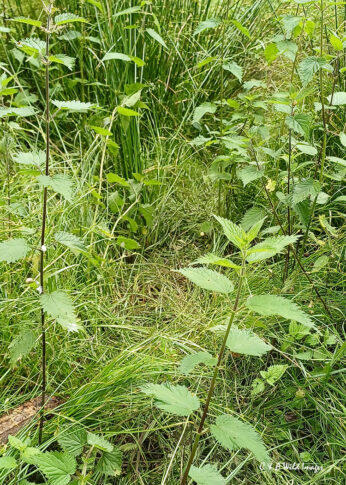
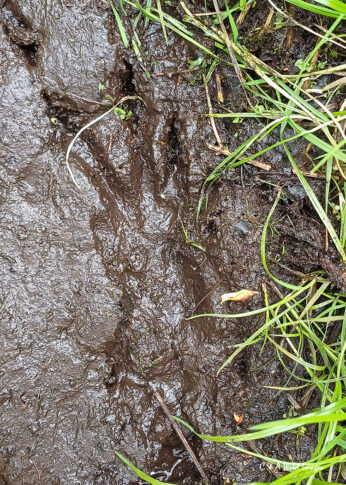
It was also apparent that both adults and kits were making regular excursions into the drain in Dragonfly Meadow and down to the Internal Drainage Board stream. The trail cameras also caught visits from a pair of otters. We suspected one adult beaver looked larger than the other, possibly the female carrying this year’s kits. It’s always difficult to be certain. However, when we reviewed all the footage, it became obvious the female was showing signs of teats. In beavers, this only happens just before they give birth.
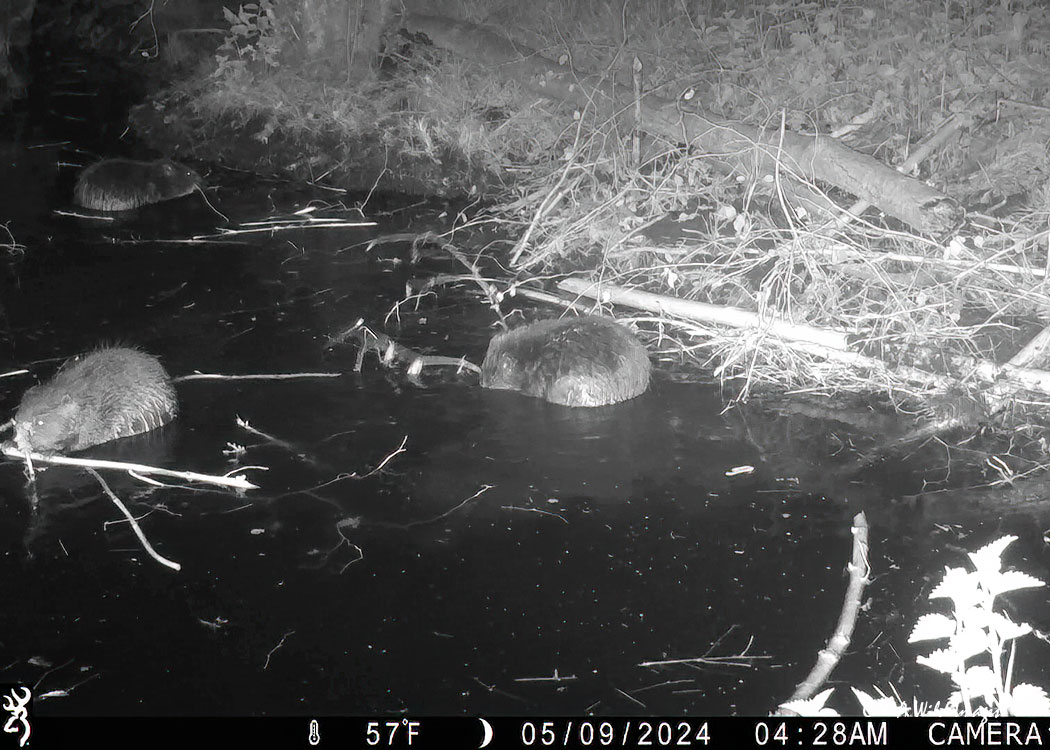
On our second visit in May, we examined the footage collected in the pool by Dam 4. We could see at least two new kits, possibly three. Surprisingly, all three seemed to be feeding and actively moving branches onto the dam. This suggests they were born earlier in the month, if not in late April. Hopefully, on our next visit, we’ll collect more footage of these new family members.
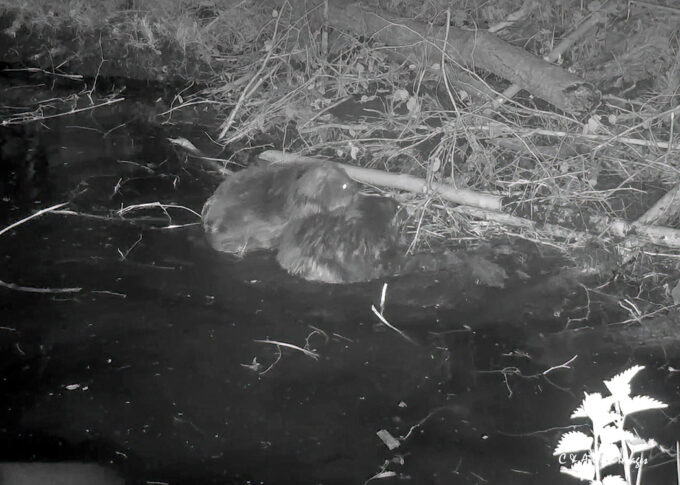

Signs of spring were starting to appear with gorse and flags starting to flower. Orange tipped, red admirals, peacock and large white butterflies were searching for nectar. Large red and blue damselflies, banded demoiselles, dragonflies and broad winged chasers were flying through the flags and soft rushes. Along the OFD track were a prolific number of stinging nettles, daisies, pink cranesbill, dog roses and creeping cinquefoil. White tailed bees and seven spot ladybirds were becoming more active. Buzzards were calling as they flew overhead and tadpoles were swimming in the drain in front of the main lodge. Alders that the beavers had coppiced were starting to sprout new growth.
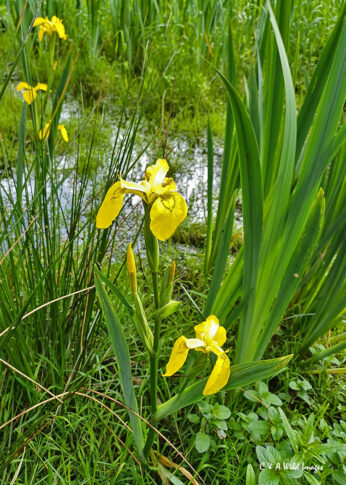

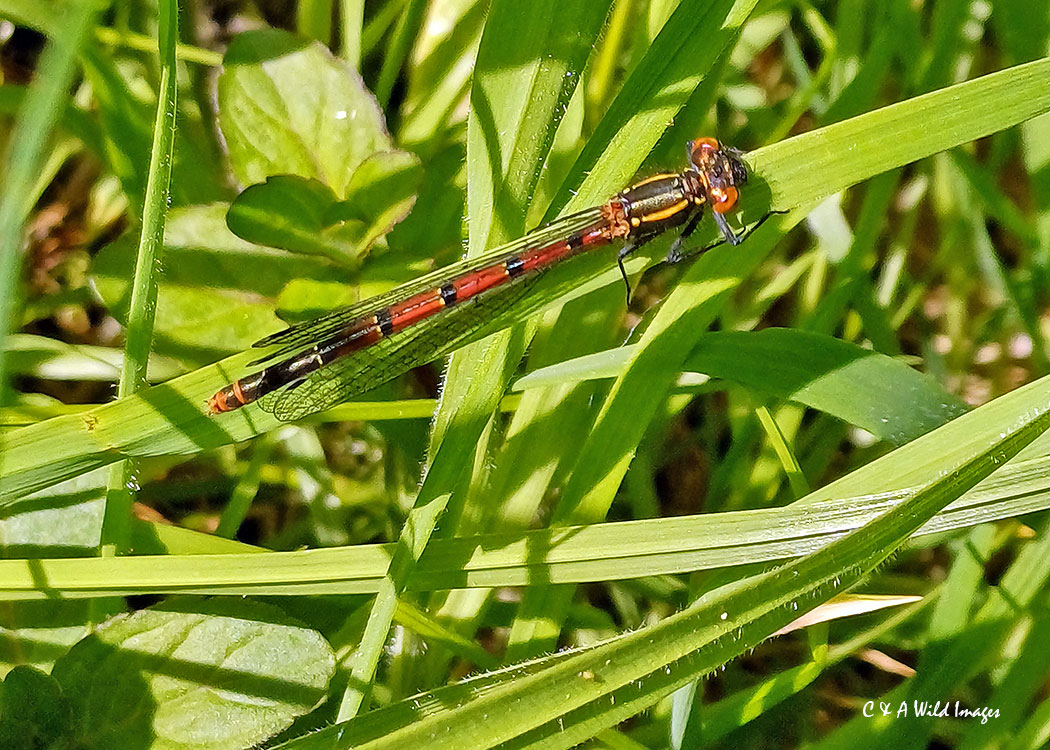
On the scrape black headed gulls called noisily, mallards, coots, greylags, common terns little and great egrets, oystercatchers, lapwings and tufted ducks swam around. A marsh harrier and a kestrel flew over the scrape.
| Otters | Hare | Muntjac |
| Sparrowhawk | Squirrel | Blackbird |
| Greylag Geese | Mallard | Rat |
| Hedgehog | Little Egret | Jay |
| Heron | Pheasant | Water Rail |
| Wood Pigeon | Water Vole |