Sunday Morning Safari in Satpura
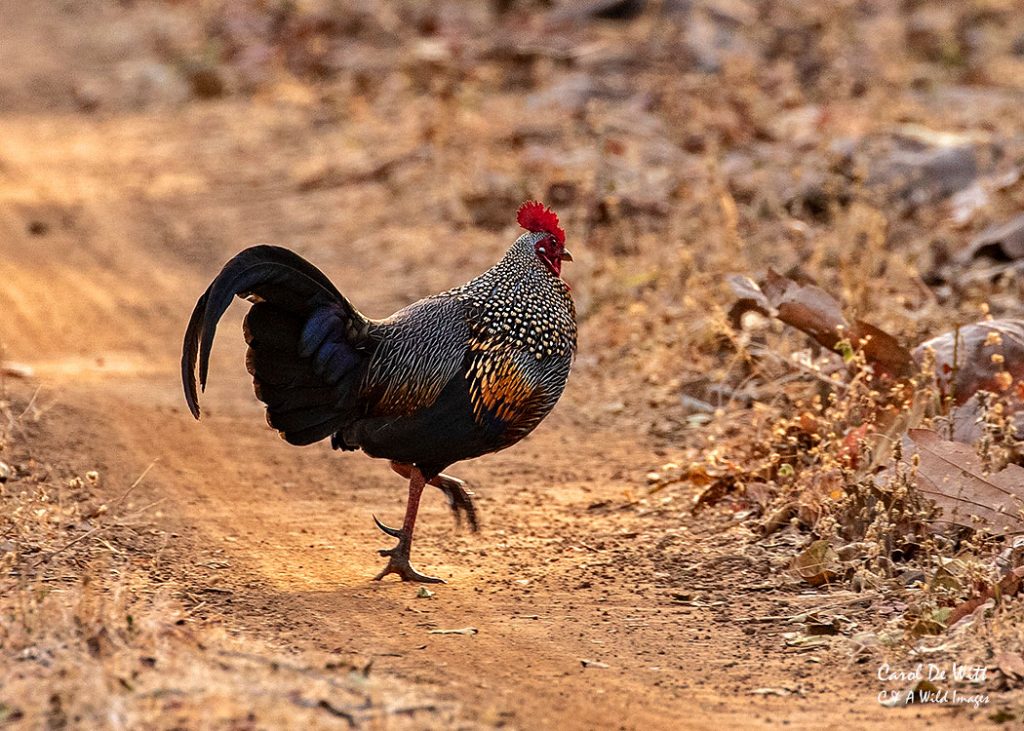
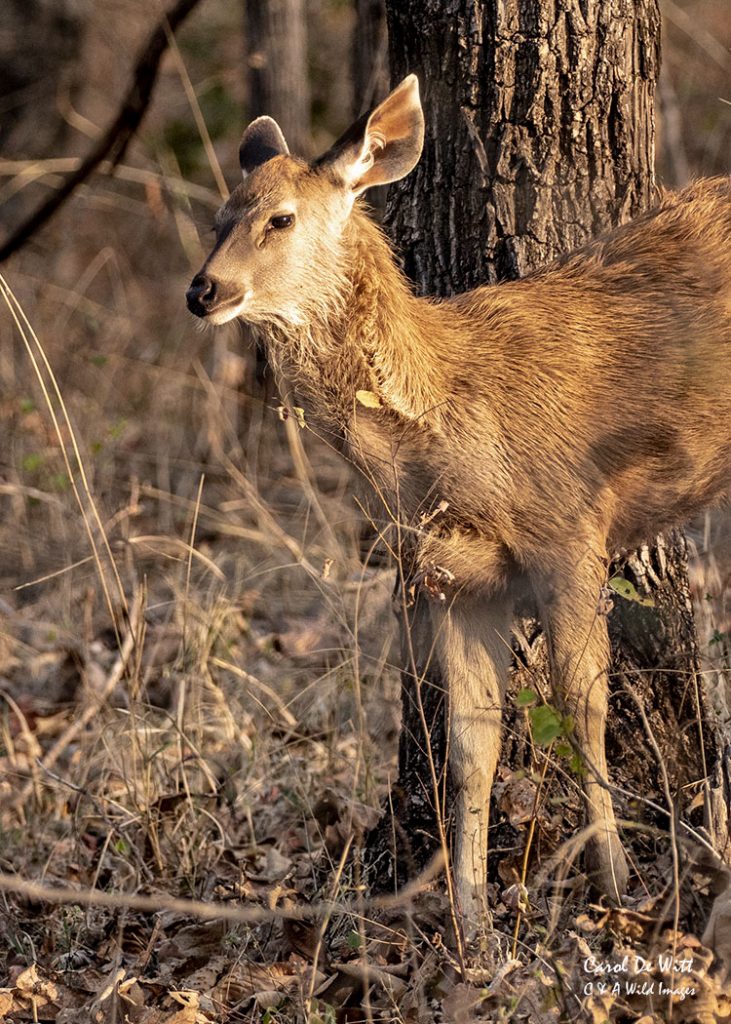
Once again we left the lodge in the dark and headed for the river and the entrance to the National Park. We negotiated the floating bridge by torchlight and headed off in the park jeeps. Early in to the safari tiger pug marks were seen on the sand track. The four jeeps split up to try and track the tiger, unfortunately the tiger had disappeared into the thick Jungle vegetation. However we did have good views of a small herd of Sambar Deer and a Jungle Fowl crossing the track. They are a handsome bird but difficult to photograph as they move so fast and seem to be quite timid.
Early Morning Birdlife
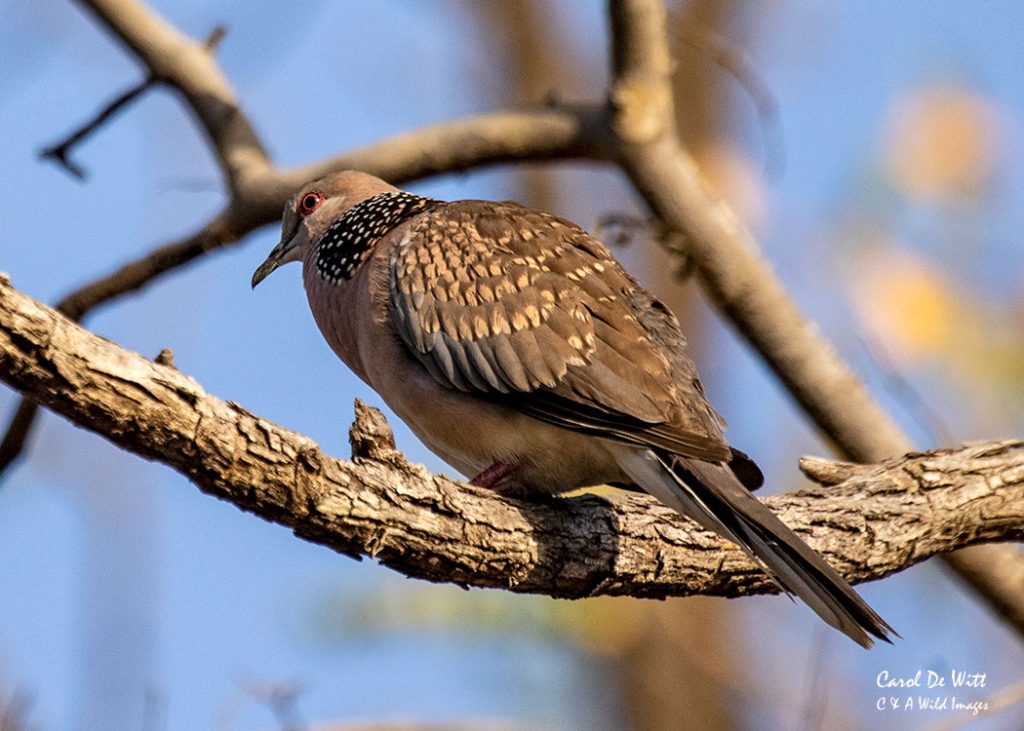
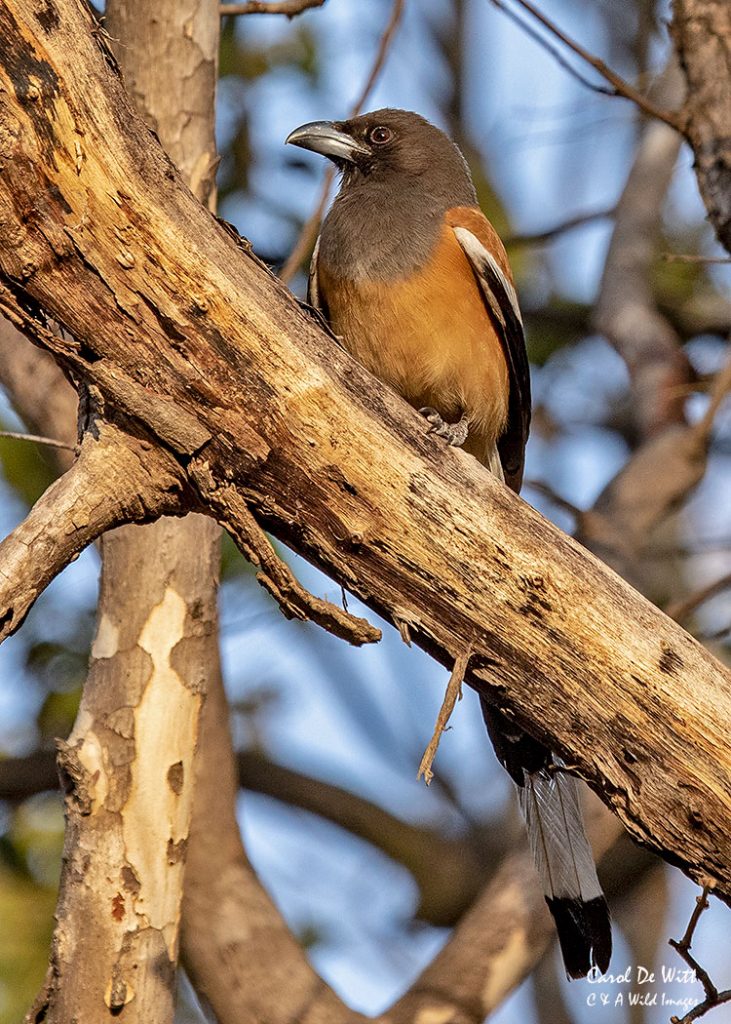
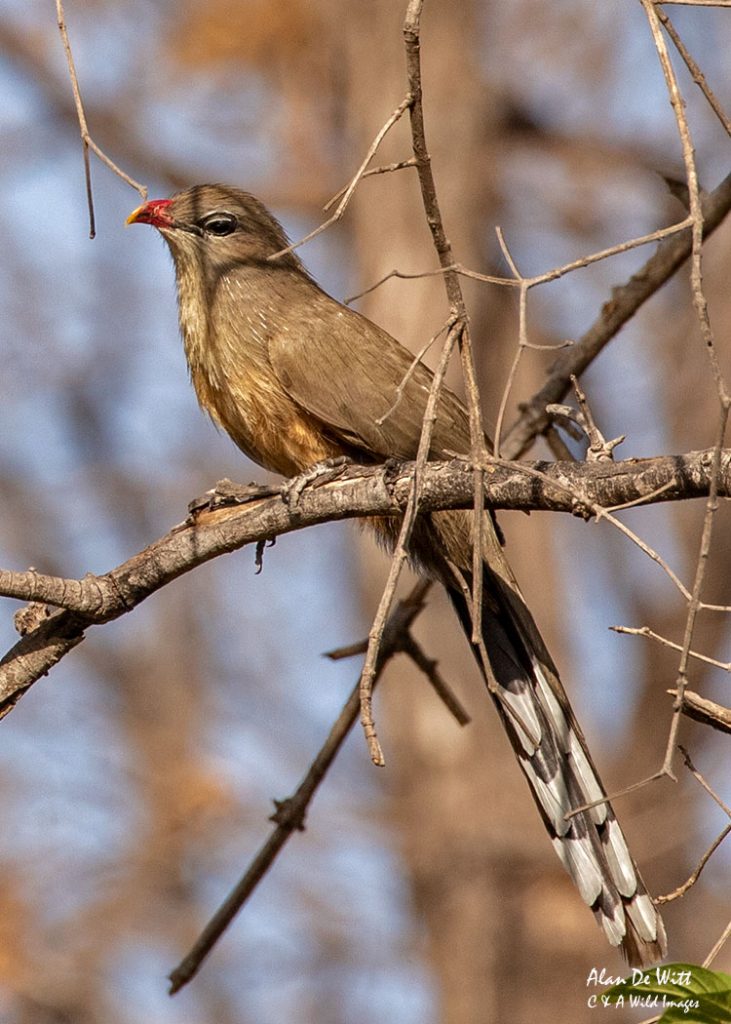
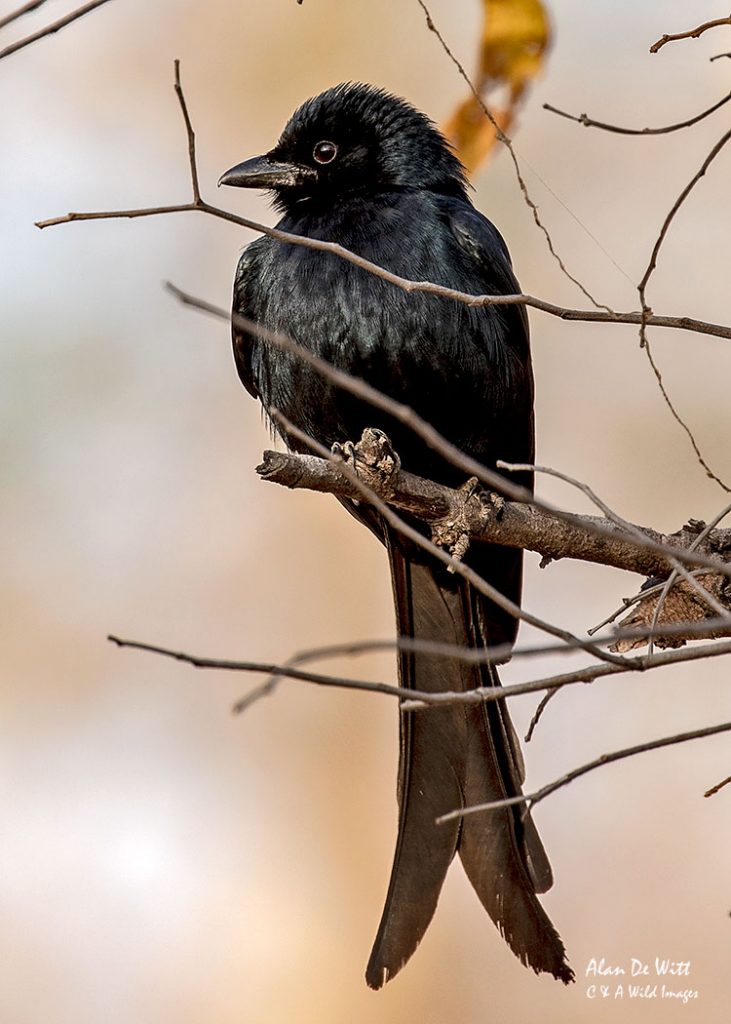
As we drove along we watched a Rufous Treepie behaving like a woodpecker, hanging upside down and pecking at a tree trunk. An Orange Headed Thrush brought a flash of colour as it searched for food among the leaf litter. A Spotted Dove cooed down at us from its branch high in a tree and a Forked Tailed Drongo perched in the sunlight. Travelling along beside the river we had good views of Red Wattled Lapwings and a pair of Green Bee Eaters. A flock of Plum and Ringed Parakeets searched for seeds among the grass tussocks. Further along the track a Sirkeer Malkoha sat on a branch partially hidden by foliage. This pale brown bird has a bright pink beak, large eyes and white tipped tail. Its main diet is insects and lizards, although it will eat berries and fallen fruit.
Sambar Deer Swimming
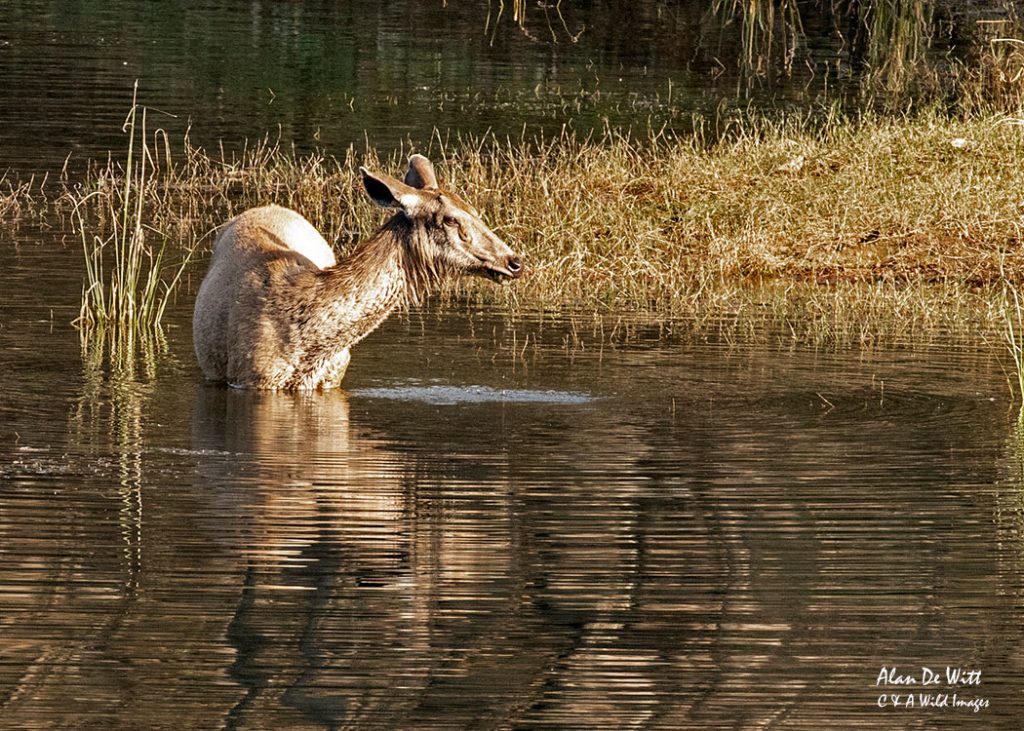
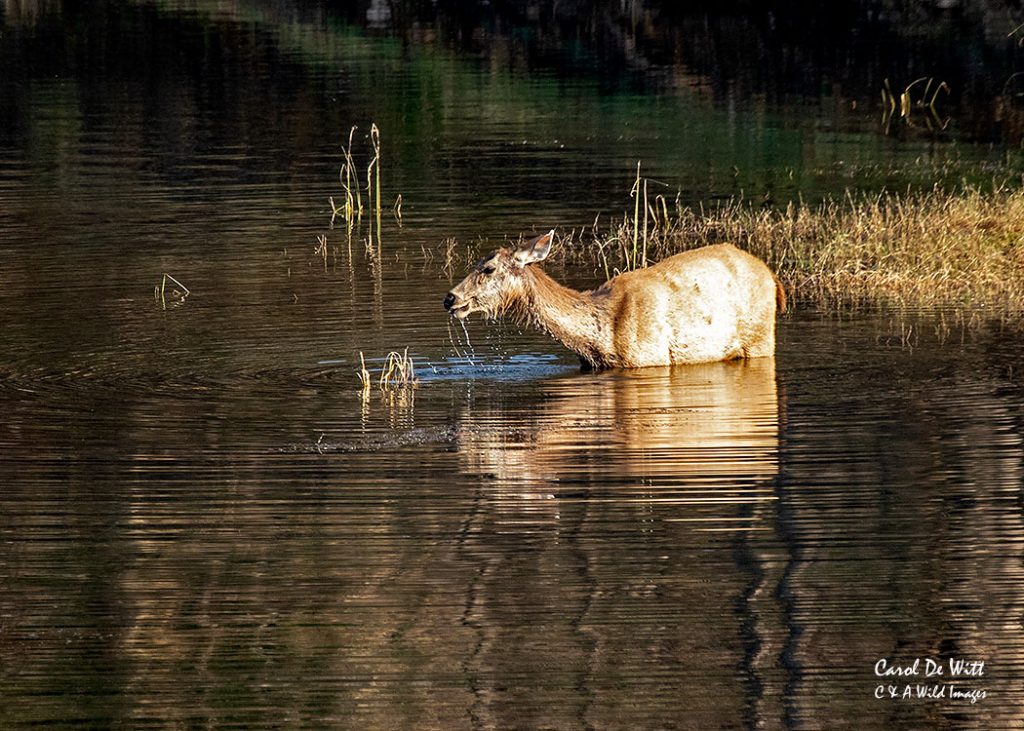
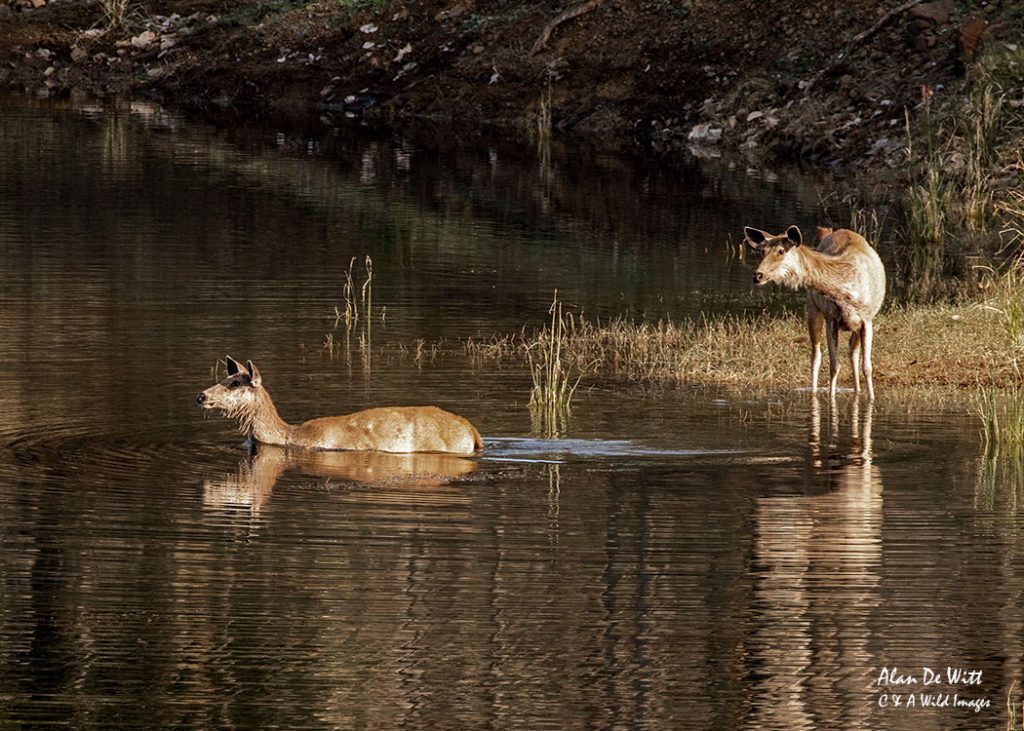
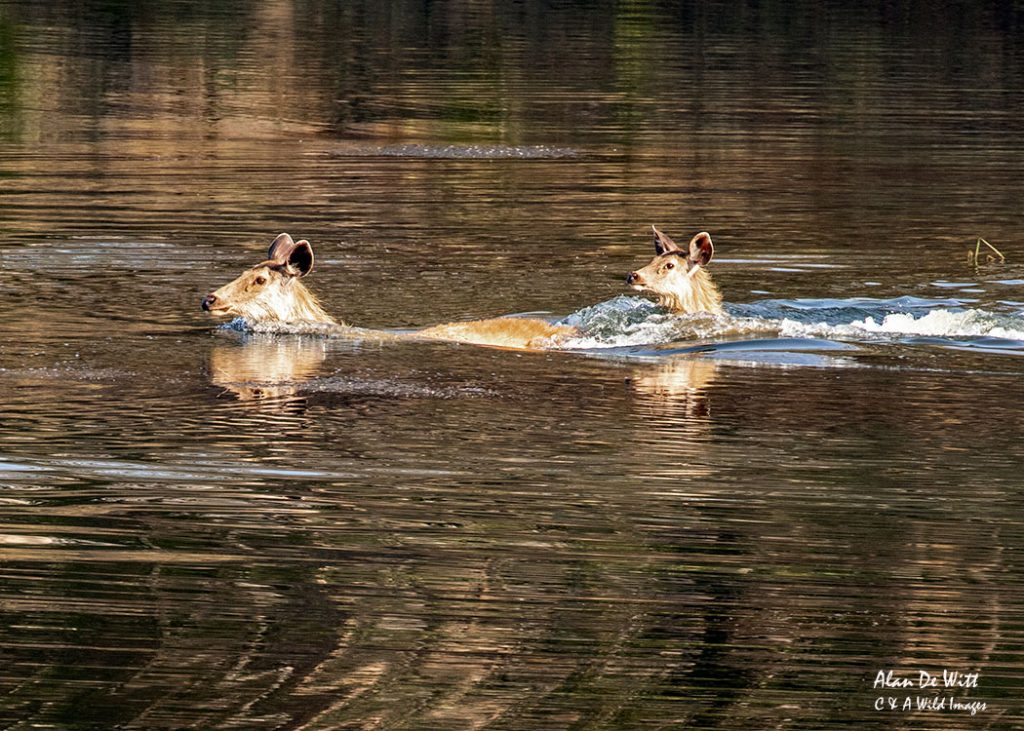
We turned a corner and saw a female Sambar Deer standing in the water eating weed. Across the water stood another deer. As we watched the rest of the family came and joined the deer in the water. The youngest sambar appeared to be reluctant to get wet. As the rest of the family started swimming across he stood on the bank. Suddenly with a loud splash he jumped in and joined the swim eventually reaching the other side where they all disappeared into the trees.
Wire-Tailed Swallows Nest Building
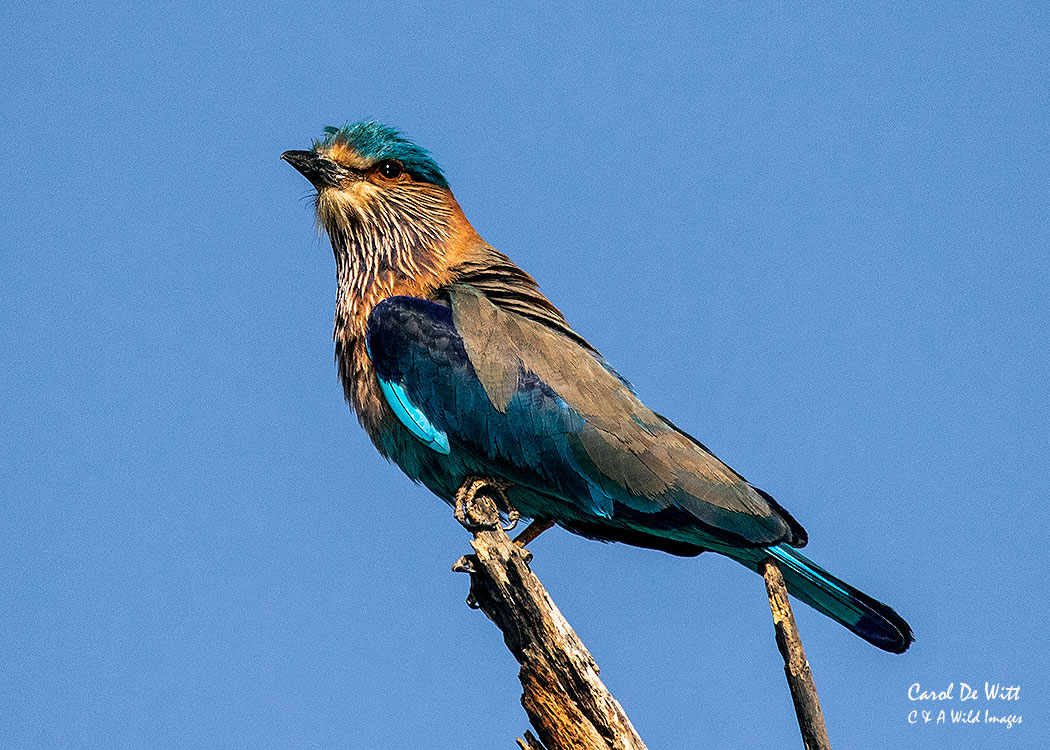
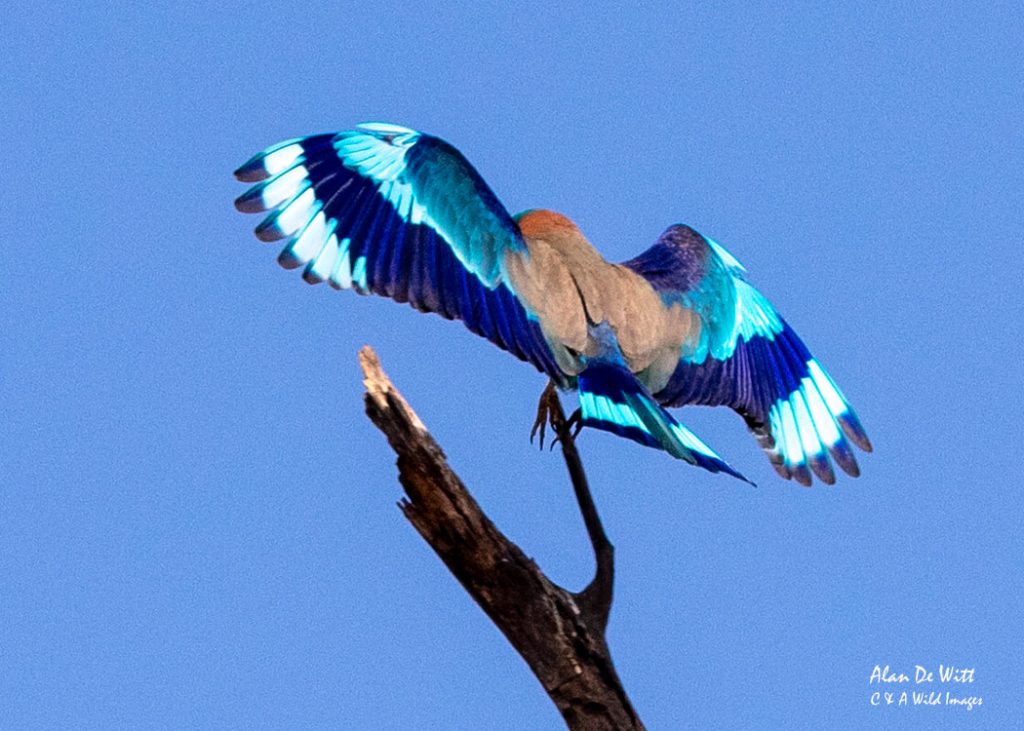
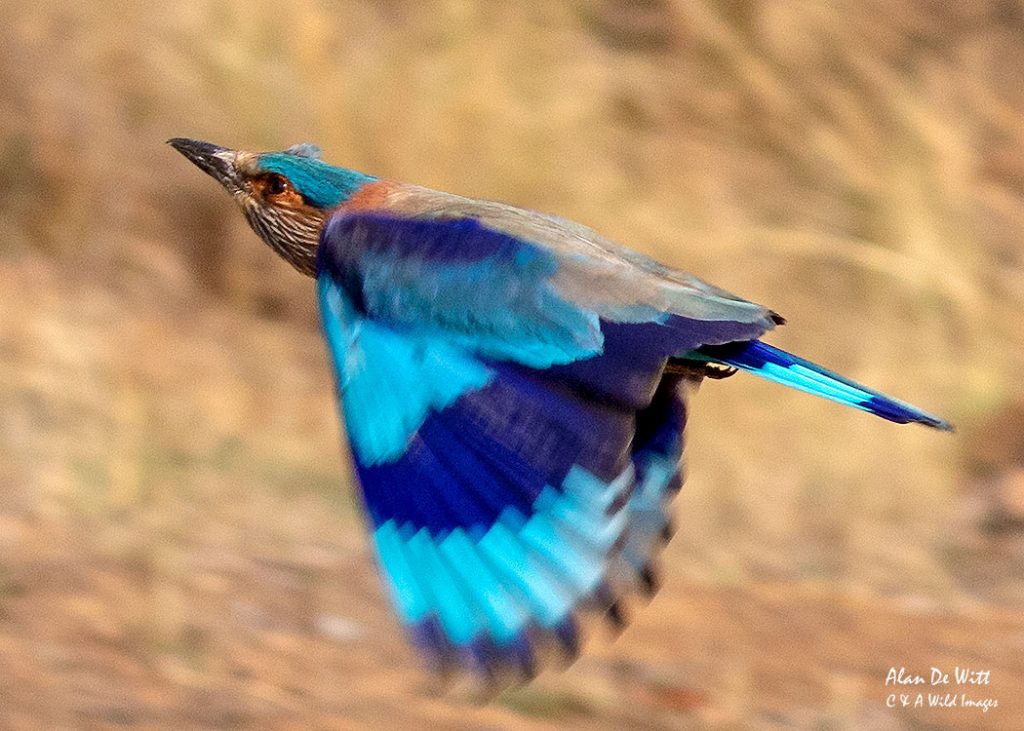
The track took us down a slope and across a rocky bridge across the water, An Indian Roller sat on the top of a small tree, it’s colours glowing beautifully in the early morning sunshine. As we watched its mate joined him.
Along the river Wire- tailed Swallows flew to and fro. We noticed two of them were collecting mud in their beaks. Following their flight we saw that they were disappearing beneath a rocky overhang on the river edge. The driver turned the jeep so we could get a better view. As we watched we could see that they were carefully building a cup shaped nest under the ledge. They seemed to be taking it in turns to take mud into the nest

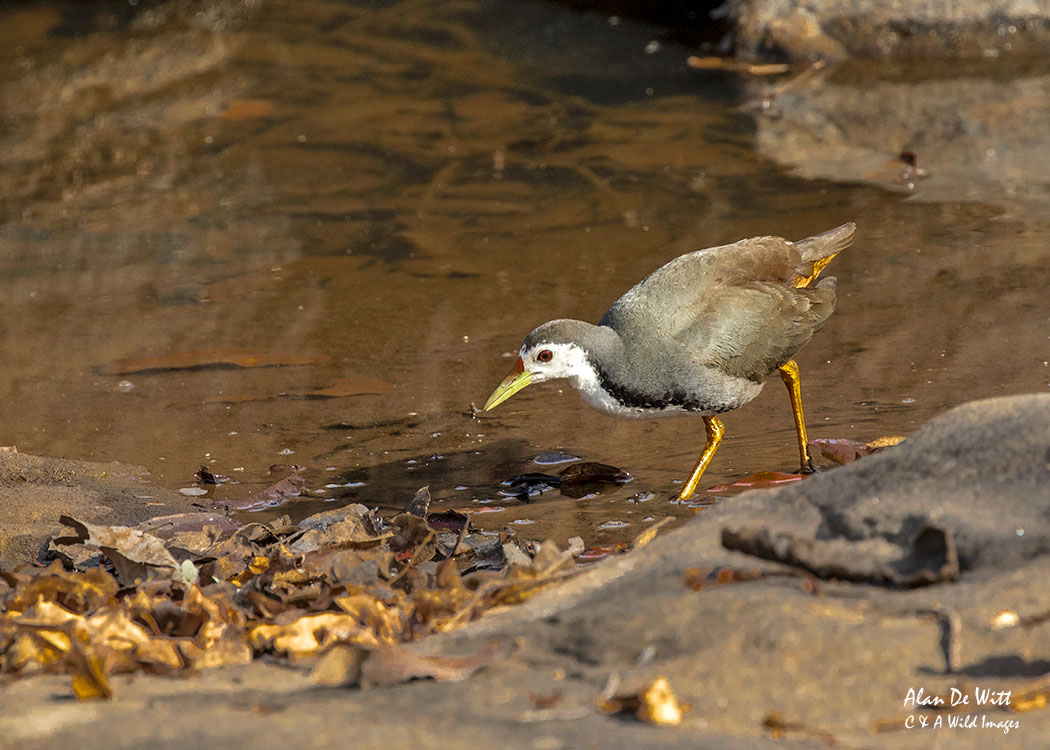
A White Breasted Water Hen appeared from the reeds and walked across the rocks at the water’s edge searching for food.
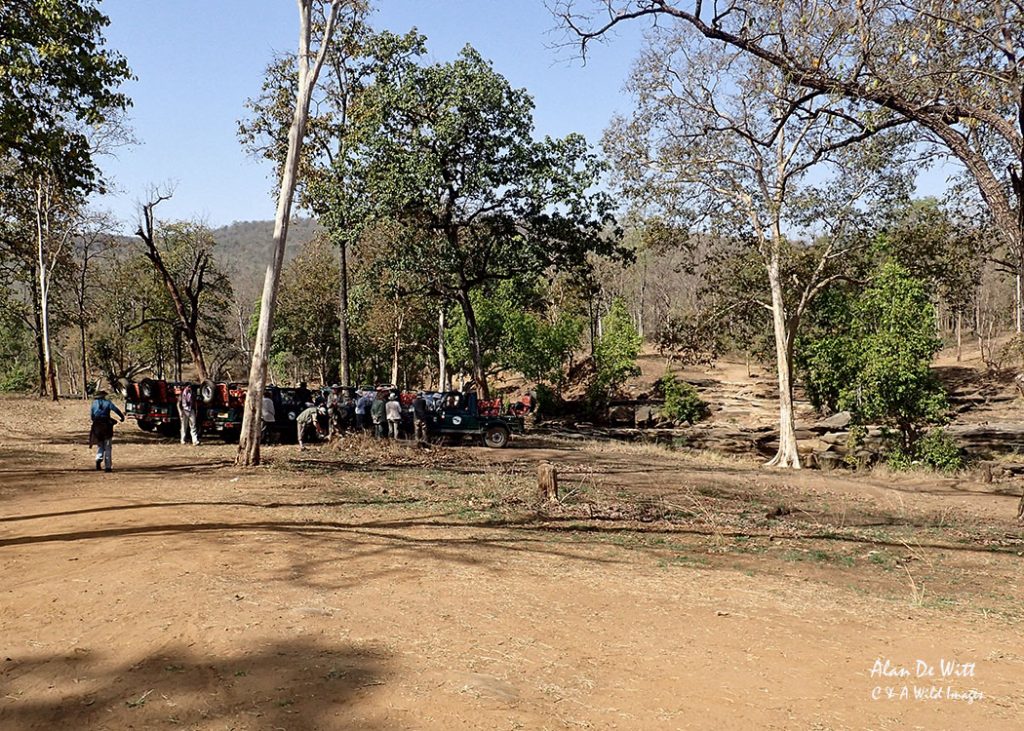
Eventually we tore ourselves away from watching the swallows and headed on back down the track. We hadn’t gone very far when we came to a group of jeeps parked along the track.
Second Sloth Bear Encounter
Satpura NP only allows 12 jeeps in any one day and this was the first time we had seen so many in one place. Everyone was looking at the forest slope. Shuffling through the trees was a Sloth Bear. He kept stopping and digging at the ground with his sharp curved claws. Then he would stick his long pale snout into the earth to eat the termites. Through binoculars we could see the termites clinging to the fur on his face.
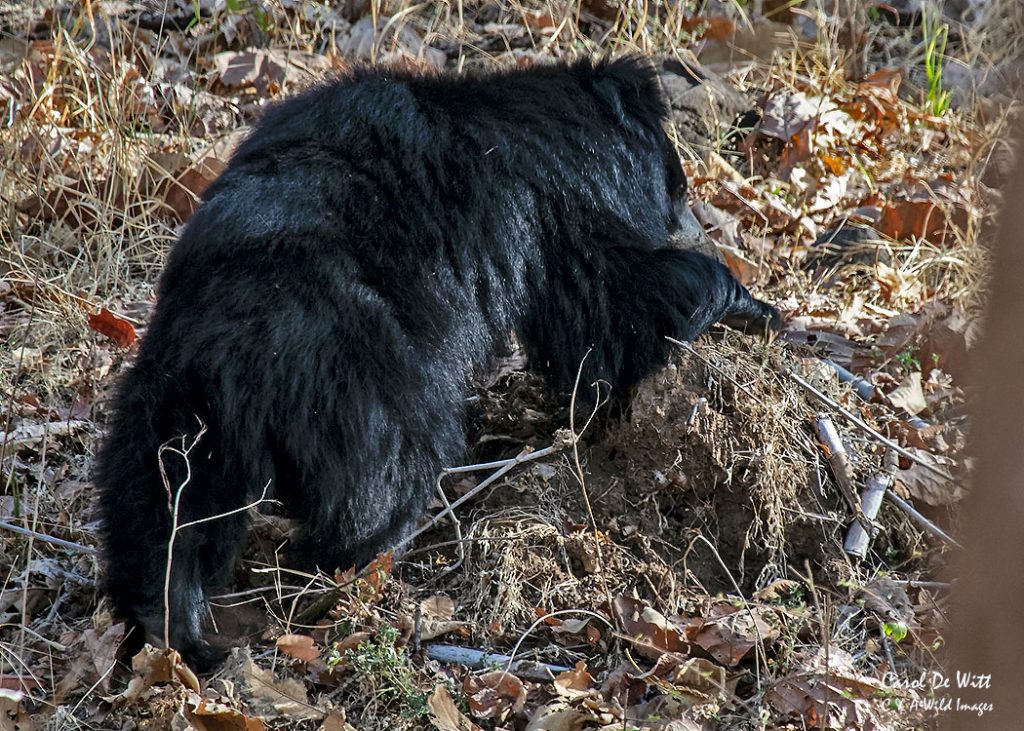
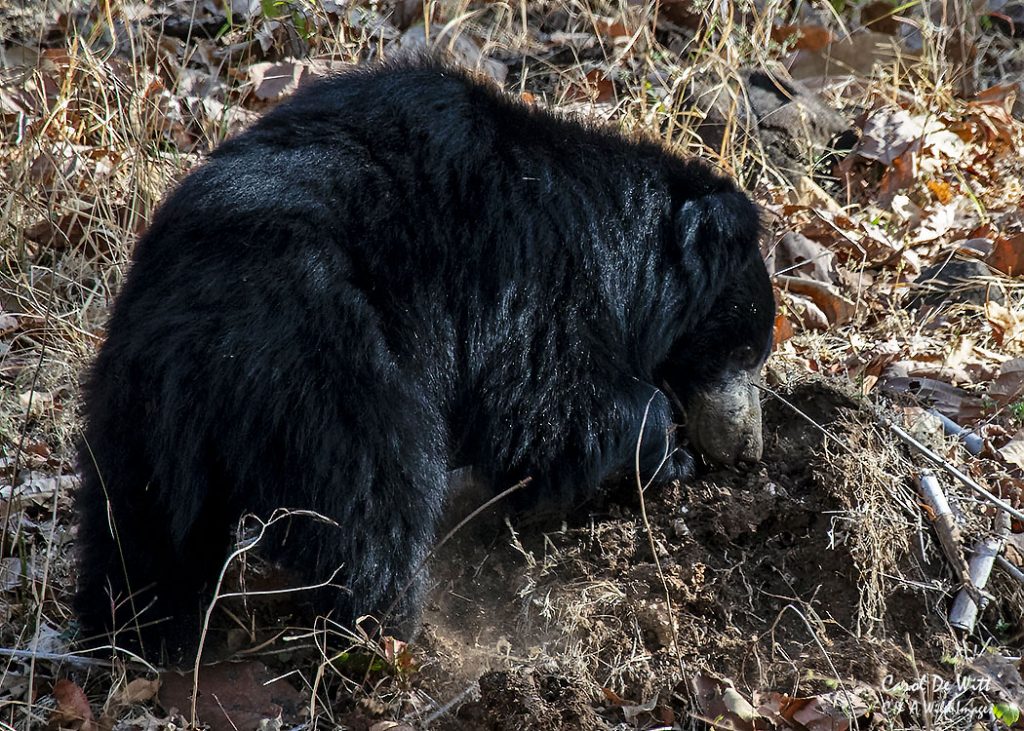
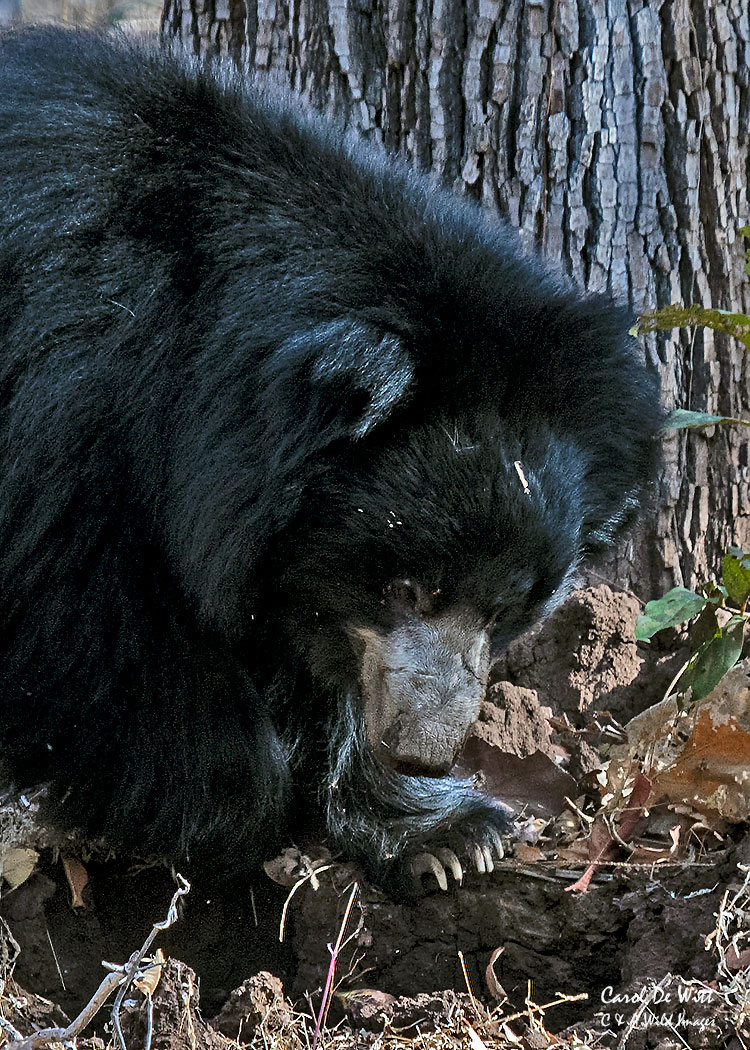
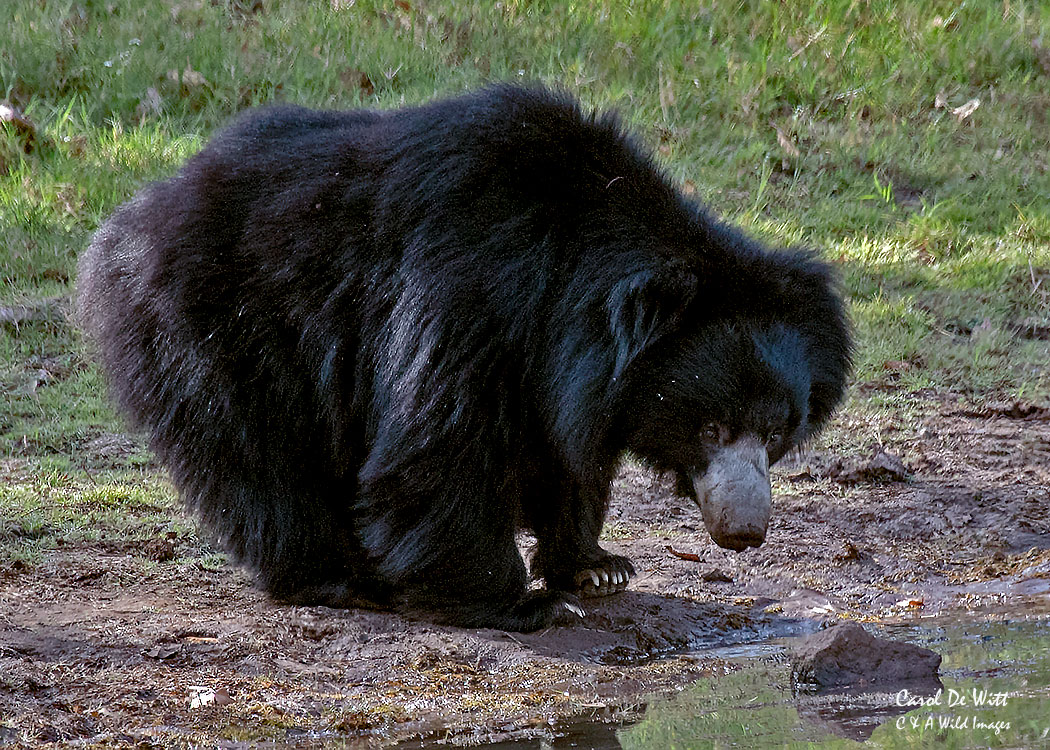
Every few minutes he would stop, dig and eat as he made his way down the slope through the trees. He crossed the road between the jeeps and made his way to a waterhole near the track. We watched as he drank and then ambled off into the forest. It was an incredible experience watching this animal. Although they are endemic across the Indian Subcontinent they are largely nocturnal, foraging in the late evening.
Chausingha – Four-Horned Antelope
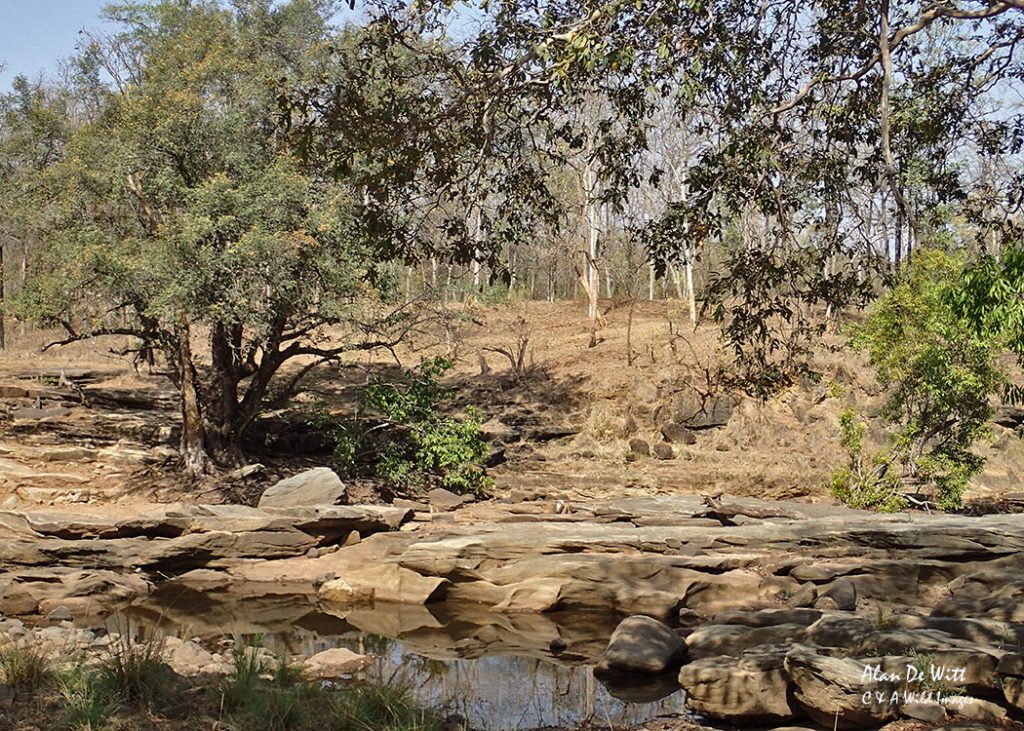
As we were preparing to leave the waterhole, Sujan noticed some movement by a fallen tree trunk at the side of the waterhole. It was a very small antelope. Slowly it approached the water and we could clearly see that it had four horns. This was a first sighting for us of the Chausingha, the Four-Horned Antelope. The only antelope in the world with four horns and the smallest antelope in India. This one was a male as the female doesn’t have horns. They are very territorial and are seldom seen. We silently watched as he drank and cautiously looked around every few seconds. Eventually he was disturbed and very quickly disappeared from sight.

Northern Plains Grey Langur
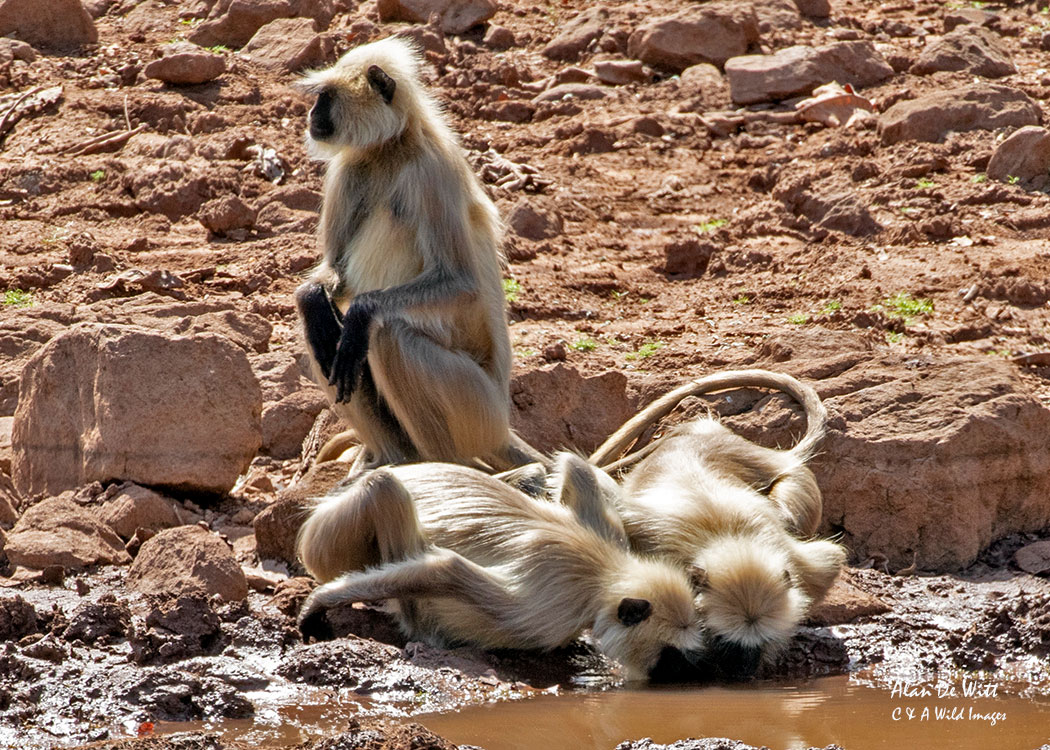
Further along the track was another waterhole. We watched as a single Langur sat on guard as another two contorted their body into a position where their face could reach the water to drink. Once it had drunk enough it changed places and became the guard. The Northern Plains Langur are now considered to be a separate species and the only one present in this area. Its greyish body, black face, long limbs and tail are characteristics of this species. They are common everywhere and are very vocal. Whooping calls echo through the forest and their short cough alarm call is an indication of the presence of a predator.
Our breakfast stop was a scenic spot next to a rocky river where kingfishers flew to and fro. Driving back to the park gate we revisited the wire-tailed swallows who were still nest building. The Rollers were still sitting on their perch only leaving to catch insects. Following the trail we were soon back at the entrance gate.
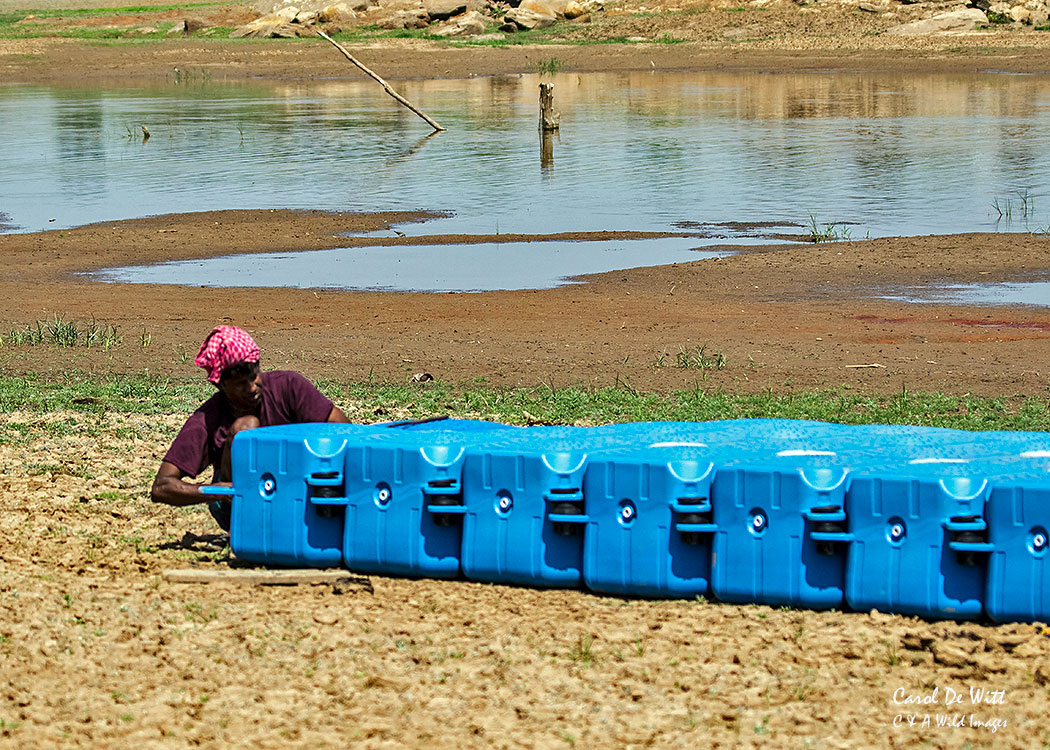
We drove down to the river. On the shore a man was tightening the bolts on a new section of the floating bridge. We crossed the bridge and climbed into the lodge’s jeeps and headed back. Lunch was at 1.00 p.m. and then we had a free afternoon before afternoon tea and cake and an evening/night safari into the West Buffer Zone. It had been an incredible morning, hopefully the night safari would be as good.
Evening in the Buffer Zone