Boobies and Gannets
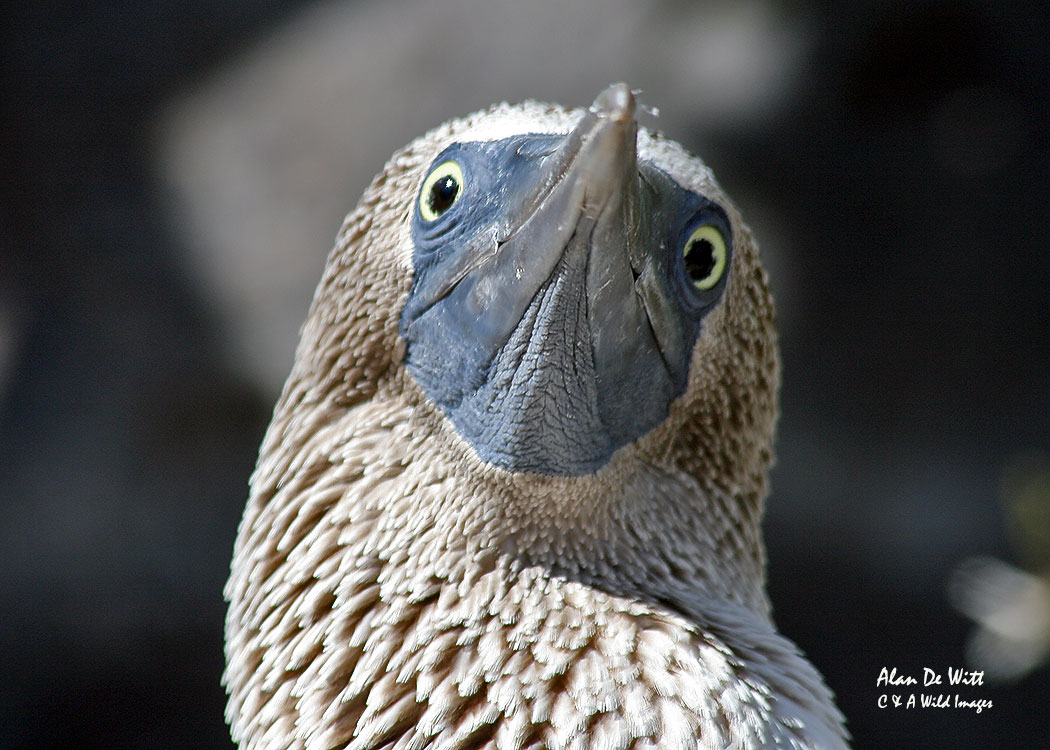
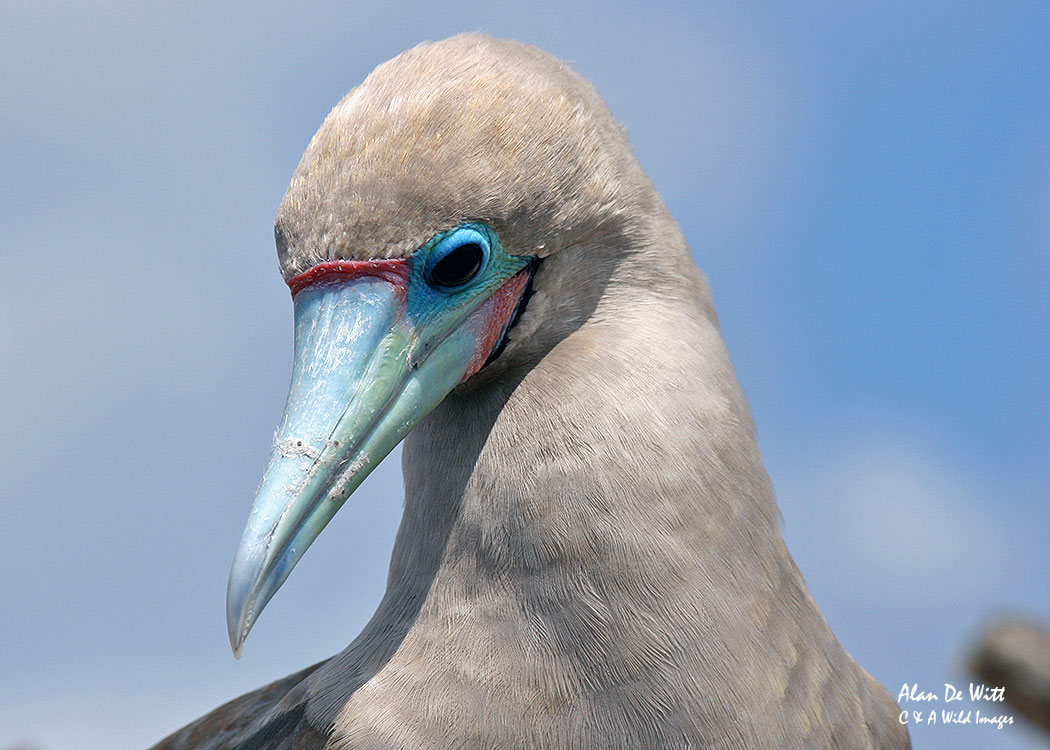
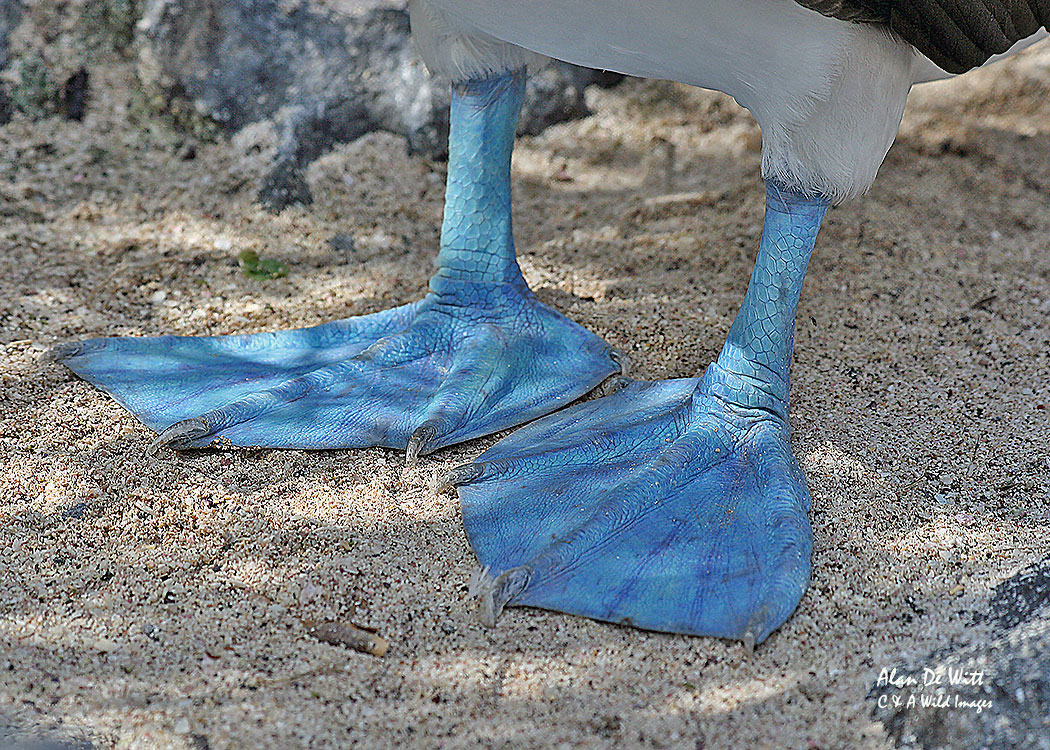
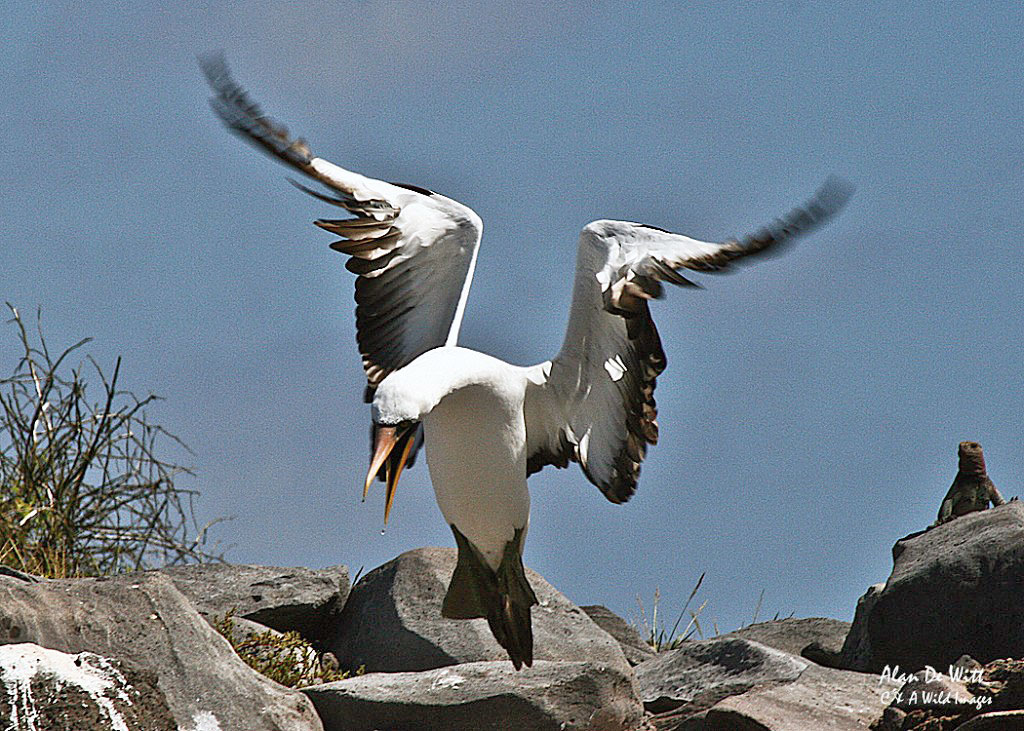
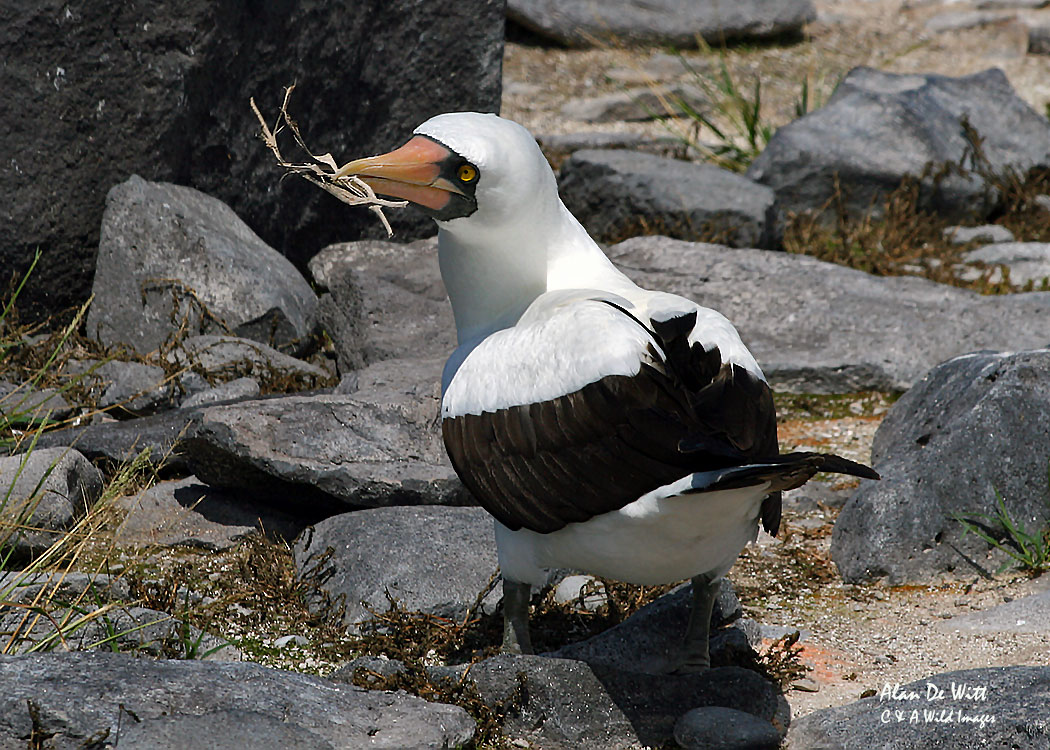
In the past weeks, I’ve been organizing old photos from our 2009 trip to Ecuador and the Galápagos Islands. I’ve been sharing them on wildlife and bird groups on Facebook. Especially images of three booby species: Blue-footed, Red-footed, and Nazca (Masked) Booby. These birds, often called gannets of the tropics, inhabit this region. It’s intriguing to note the close relation between Boobies and Gannets that inhabit the UK

Why Boobies ?
The booby takes its name from the Spanish word “bobo.” a term meaning “stupid,” which is how early European characterized these clumsy birds when they saw them moving around on land, a problem also faced by the north Atlantic gannets.

At the same time as posting the images I’ve been finding out and adding
information to the posts about their habits and realising just how much more there was to these birds than we found out whilst on the trip.
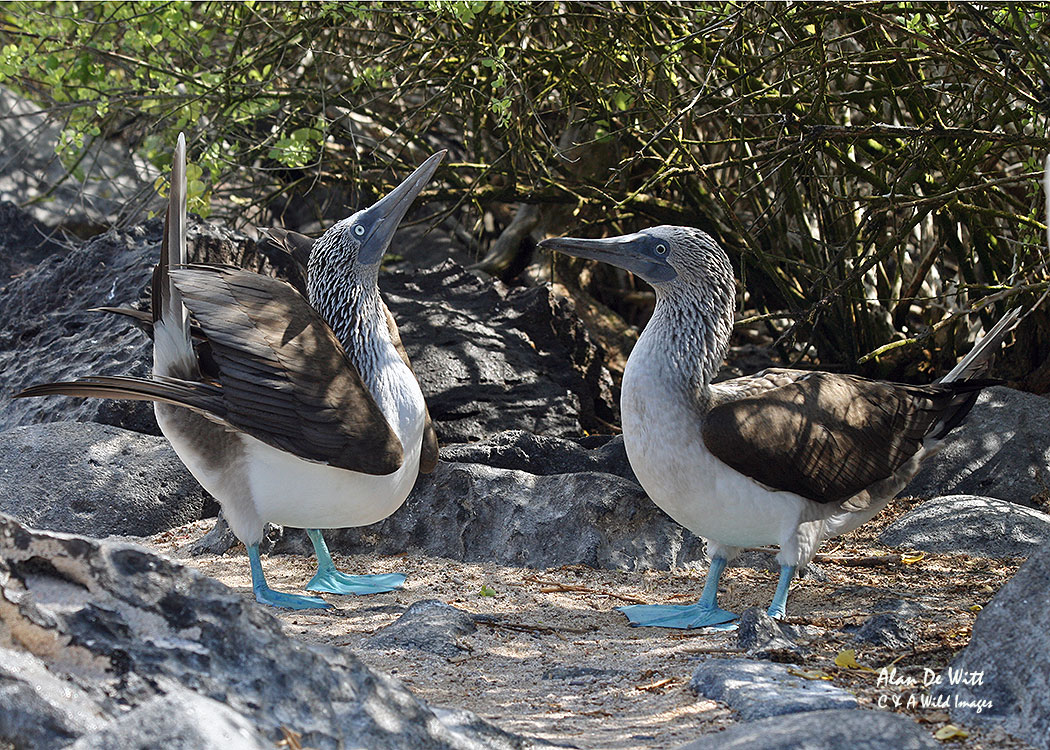
Also that it’s not just the iconic Galápagos species that are under threat on the islands. For example, the blue footed booby, famed for its mating “booby dance” courtship ritual, which on our visit seemed to be breeding in large numbers, had over the previous decade already begun a steady decline in numbers, until in 2014 almost no breeding took place. This has prompted a number of ongoing science research projects into the problem. Early results seem to point to a decline in the sardine population which unlike the other two species is their main diet.
Booby Breeding Facts
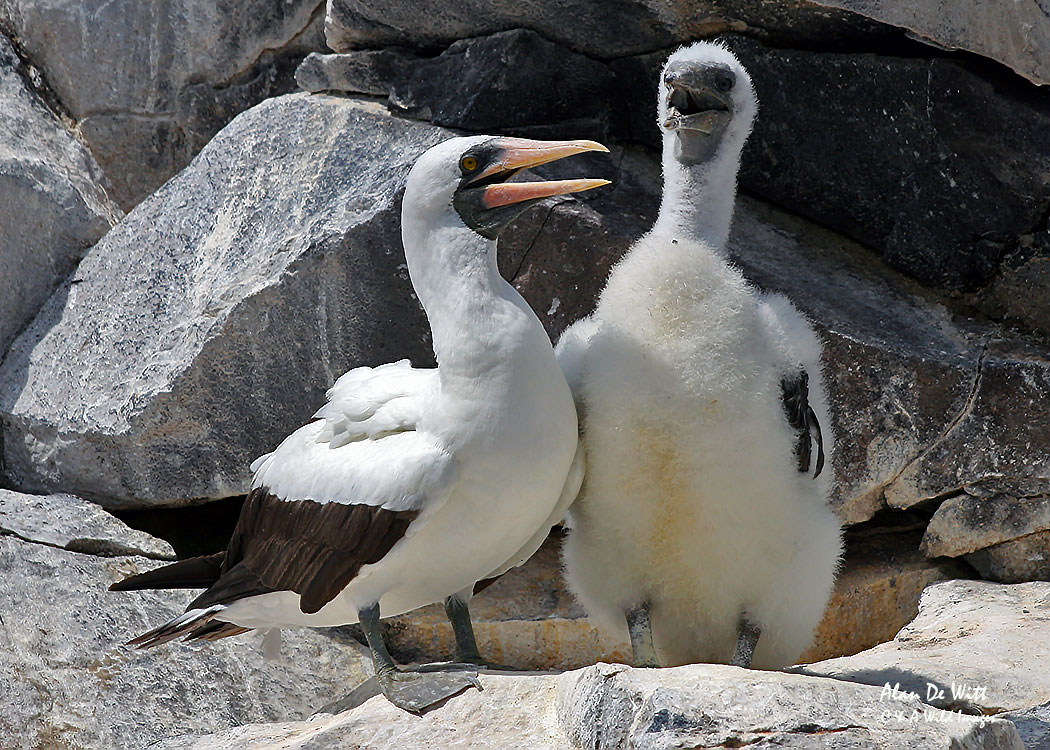
Another fact that I’ve come across is that two of the species The Blue Footed and the Masked or Nazca Booby practice siblicide, The Blue-footed Booby chicks practice facultative siblicide causing the death of a sibling when environmental conditions put pressure on the colonies, whilst the Nazca Booby chicks together with, Tasman booby and Brown booby (found in the Gulf of Mexico and the Caribbean Sea) take things to the extreme with the mothers always laying two eggs a few days apart, and the first chick always pushes the other out of the nest leaving it to die, with the parent unable to intervene. The other species the Red Footed is the smallest member of the booby and gannet family, like the gannets found in the north Atlantic and around the UK coasts it only lays the one egg, with both parents rearing the young.
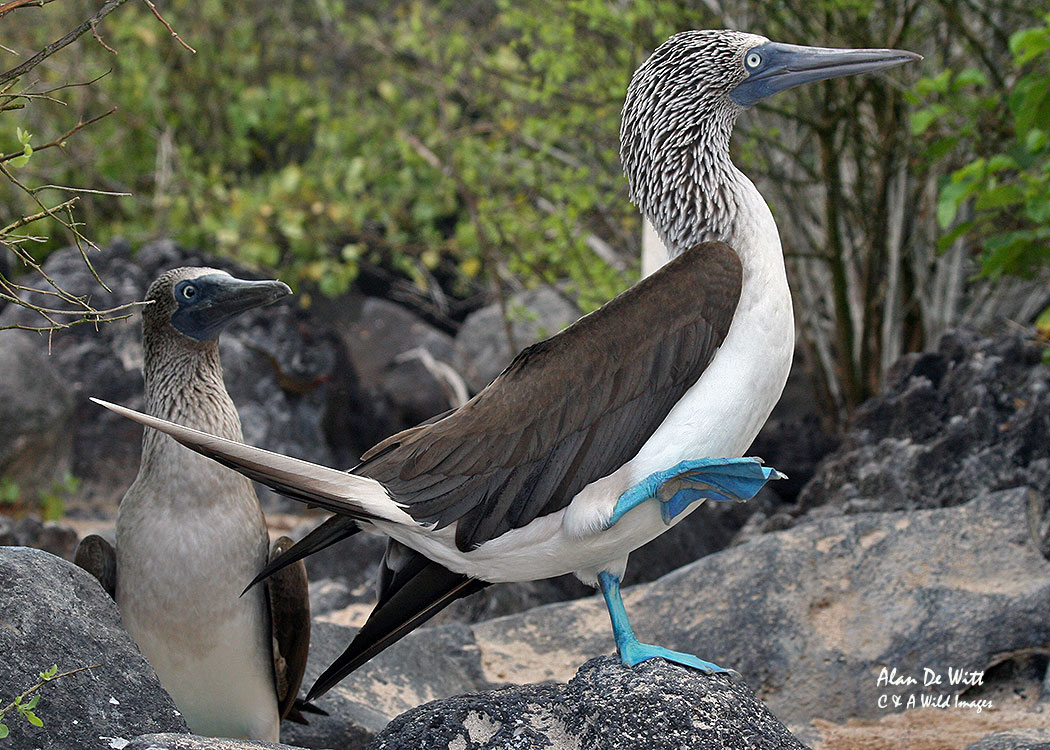
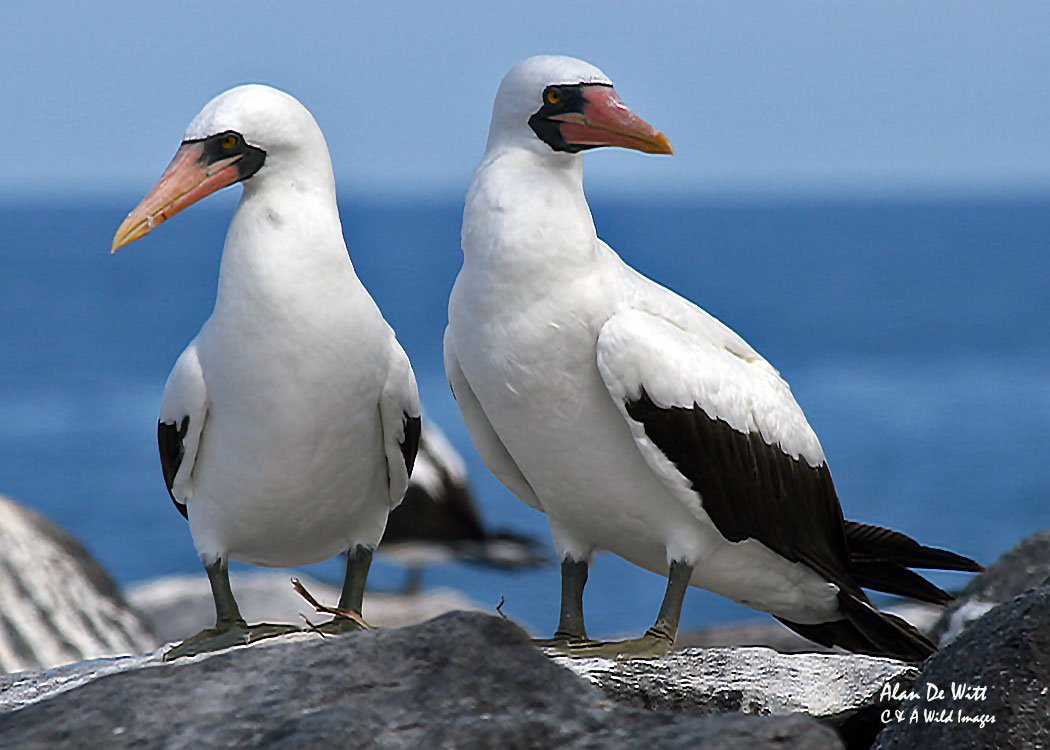
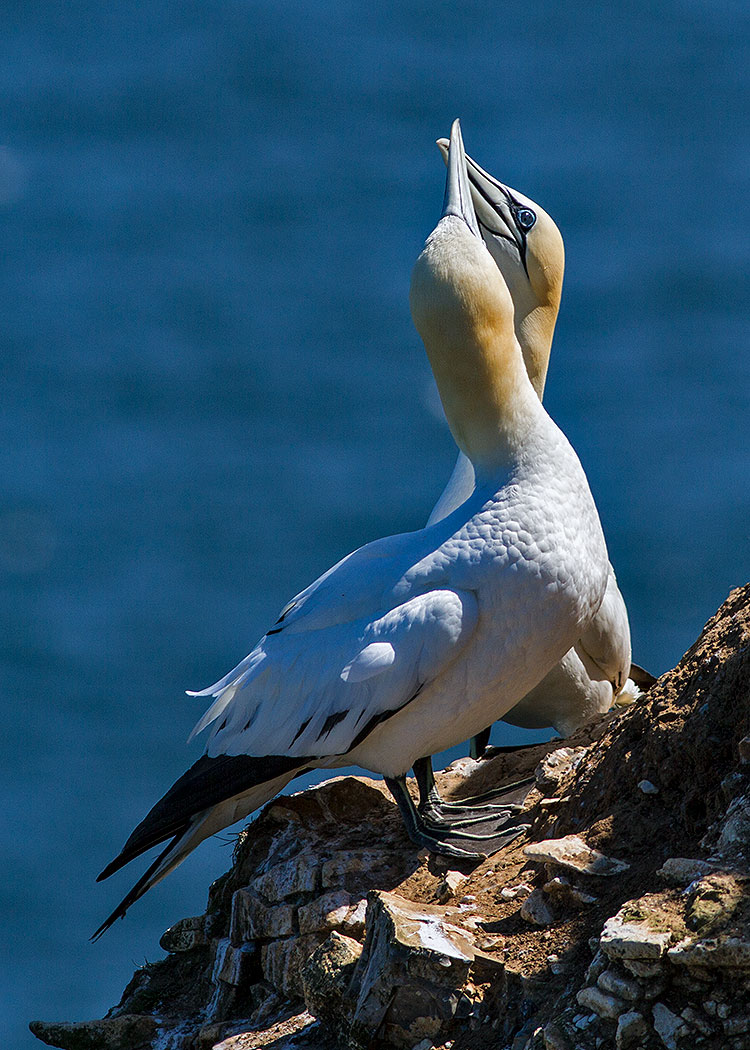
All Gannets and Boobies practice elaborate mating rituals, the “booby dance” a courtship ritual,in which the male walks around the female, raising his bright blue feet straight up in the air, plus he’ll raise his bill up towards the sky (“skypointing”) to try to win his mate over is perhaps one of the most comical. Both Gannet and Booby pairs are monogamous and may remain together sometimes for life. The pairs separate when their chicks leave the nest but they pair up again the following season. All perform greeting rituals, even the gannets that nest around the UK have a greeting that the involves the two birds bowing, pointing their heads skywards and preening each other.
Feeding
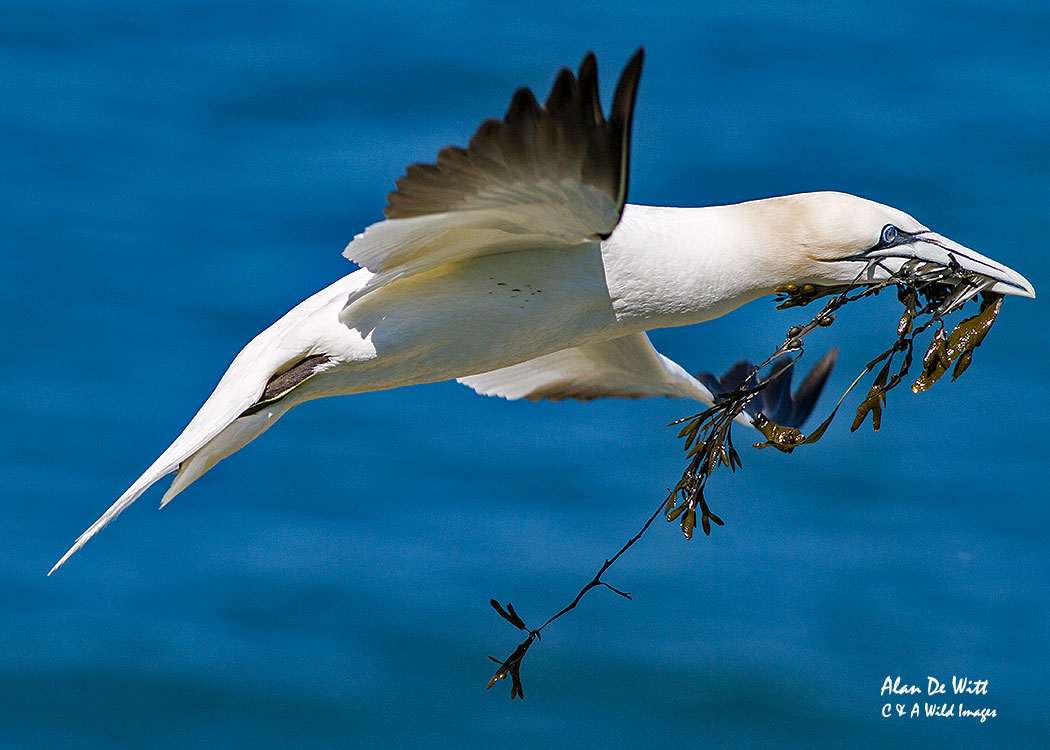
All members of these families hunt fish by diving from a height into the sea and pursuing their prey underwater. They have a number of adaptations which enable them to do this. Like the gannets found in the UK boobies lack external nostrils, they are located inside the mouth instead, to aid them when diving for food. Also all gannets and boobies possess air sacs in the face and chest which act like bubble wrapping, cushioning the impact with the water; They also have their eyes positioned far enough forward for binocular vision, allowing them to judge distances accurately.


Where To See Gannets On The British Mainland.
Although in the UK we don’t have boobies we do have some of the most important nesting grounds for northern gannets. With about two thirds of the world’s population regularly spending their breeding season here, one of the best places on the mainland to see these splendid birds is the RSPB reserve at Bempton Cliffs, Yorkshire
The Bass Rock in Scotland is a fantastic place to view Gannets.
Hi Brendan. Hope you enjoyed the post. The Rock is on our list to visit, off the Bempton cliffs soon, another great place to see these wonderful birds and a little easier to get to
Great pictures and read … Also great viewing at Cape St. Mary, Avalon Peninsula, Newfoundland … Cheers!
Thanks for the comments glad you enjoyed the post, much appreciated
A red footed booby landed on my boat about 10 miles offshore in Southern California… I’ve got pictures (I can send if ya wish)?maybe hitched a ride on freighter? Could be a northern gannet also? Thanks for your website!
Hi Matt Thanks for your comments. Very possible that its a Red Footed Booby you have seen in waters around Southern California. They inhabit tropical waters around the world with lots of sightings on ebird around the sea off of Baja California. Unlikely to be a Northern Gannet although there have been a few reports of sightings off the coast around San Francisco. Would be great to see the pictures