Green Cay and Wakodahatchee.
June in Florida brings with it very hot days, high humidity and tropical downpours. Most of the wildlife that can has migrated back to the cooler climate of the north. The remainder have adopted a pattern of feeding early in the day and resting for the rest of the time. This makes looking and photographing more difficult. However the wetlands of Wakodahatchee nature preserve still provides the visitor with great views of Florida’s birds and other wildlife. This was our second visit to the preserve, the first earlier this year just as the birds were preparing to nest. Having learnt from our previous visit getting there early is the key, before the crowds arrive which makes photographing more difficult. Also it has the added bonus of being much cooler.

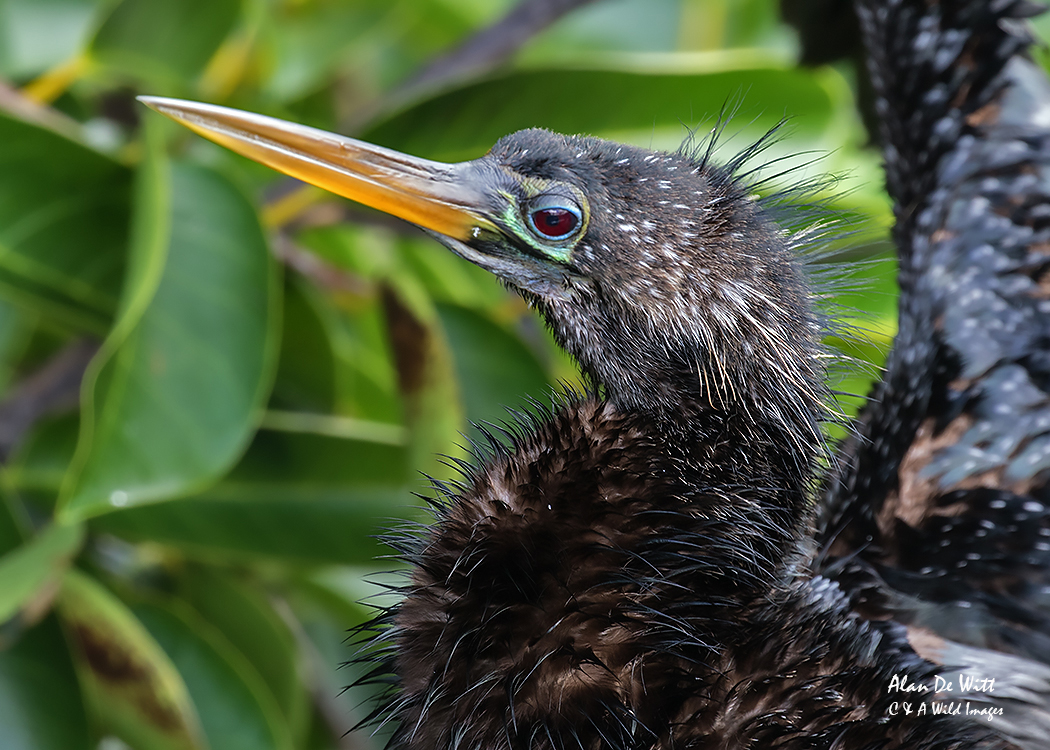
A bird watchers paradise, Wakodahatchee has a boardwalk taking you around the site with rest places along the route. The wildlife, especially the bird life, are so used to the passing people, you can get very close to them.

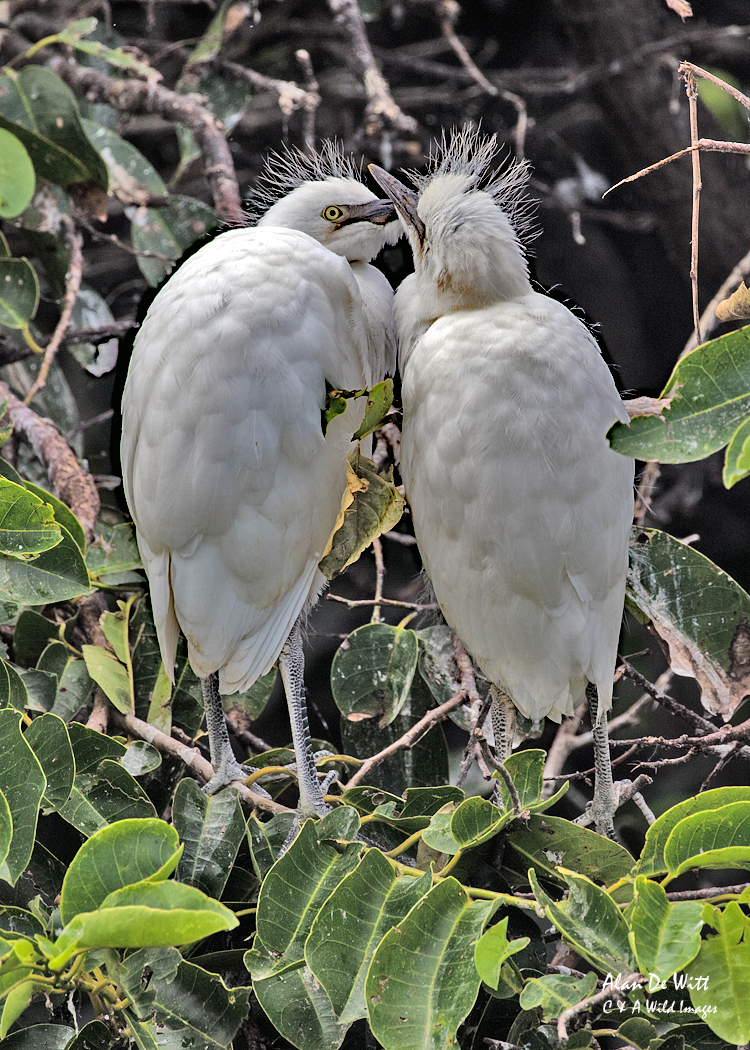
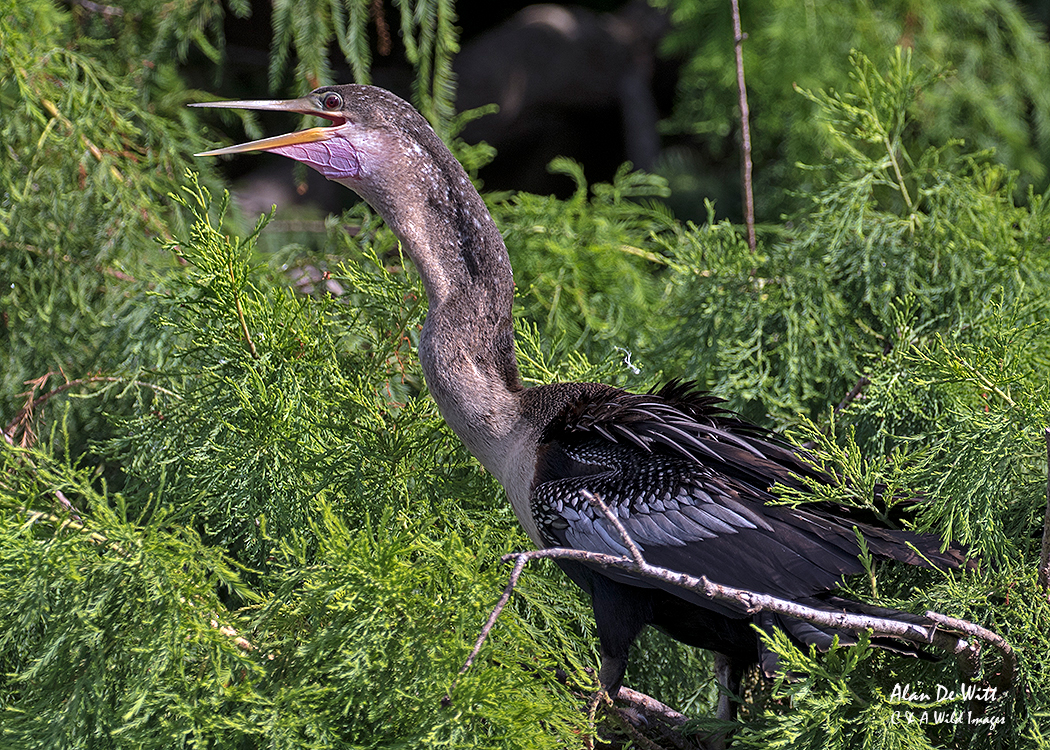

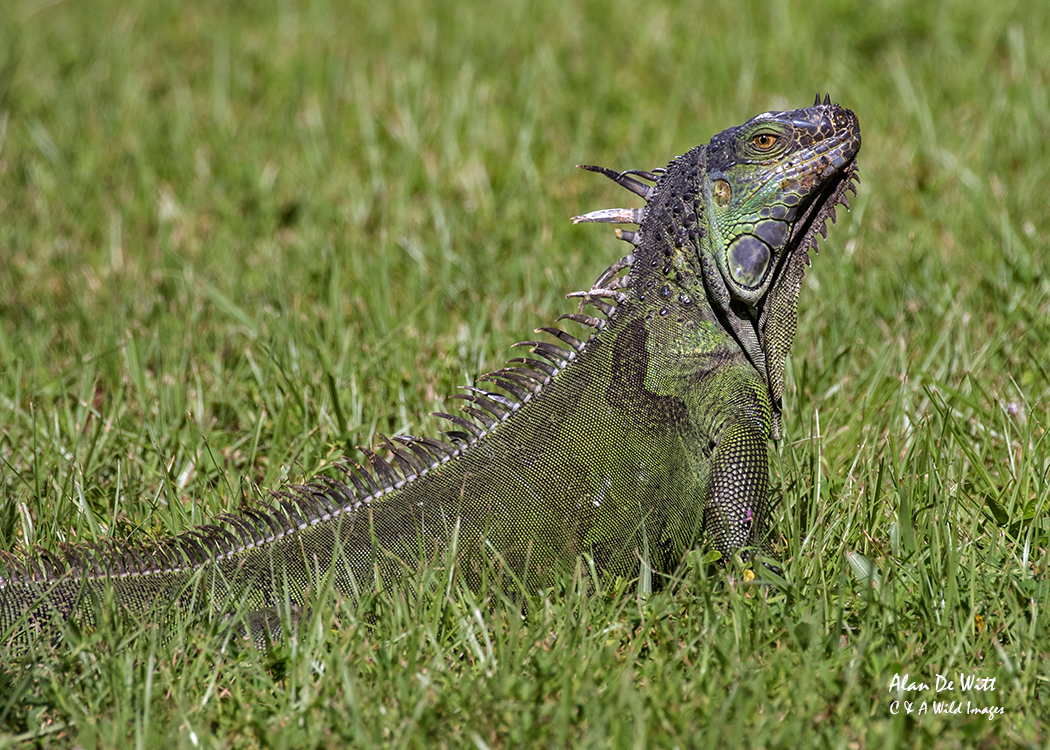
Being so close to the urban areas of Delray Beach there are plenty of regular visitors taking their daily exercise. They are willing to point out species that you would otherwise miss. On this visit a man pointed out a basilisk lizard. They are native to Mexico, Central and South America but have been introduced as a feral species. One of a growing number of species, both animal and plant, that have established themselves in Florida and are now causing problems to the eco systems.
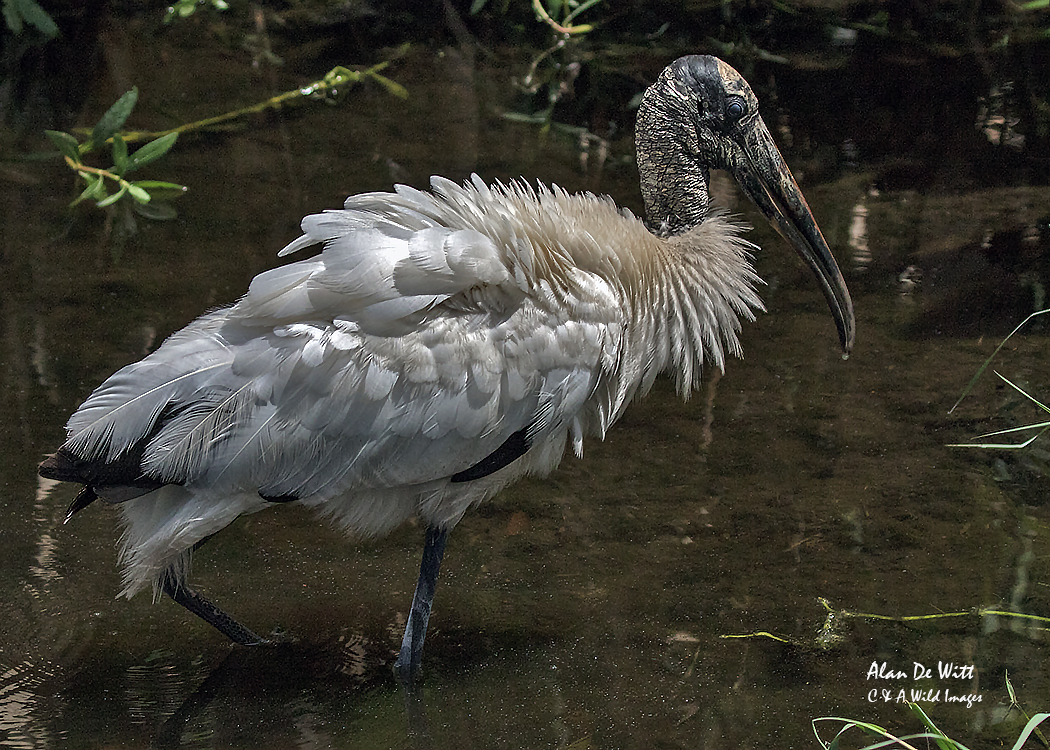
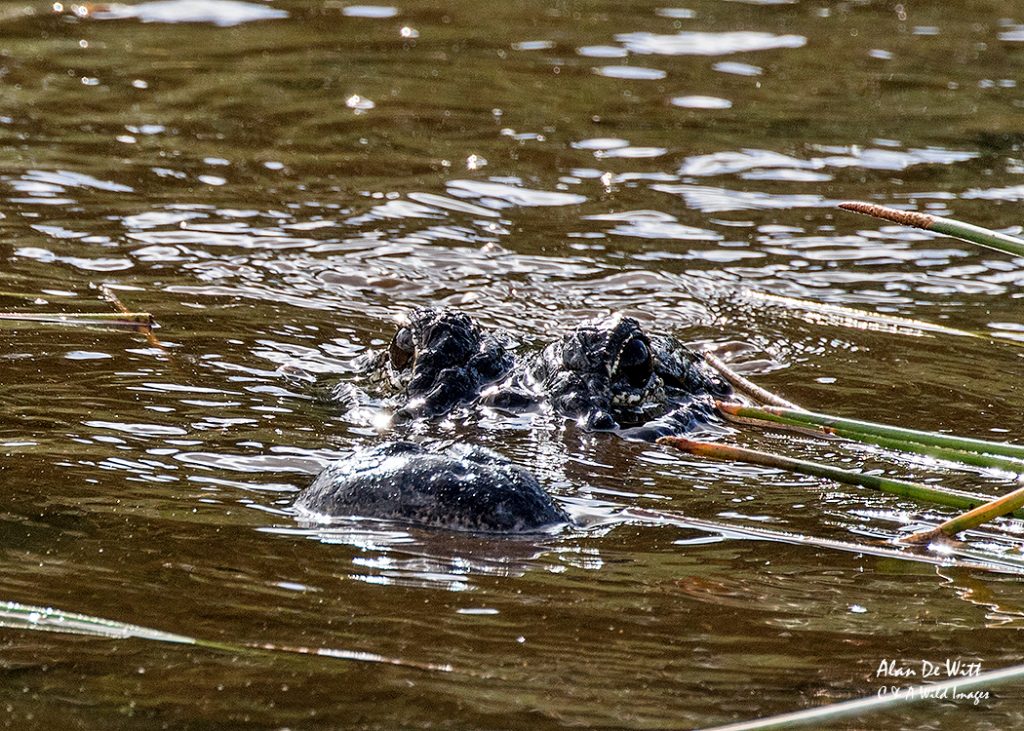
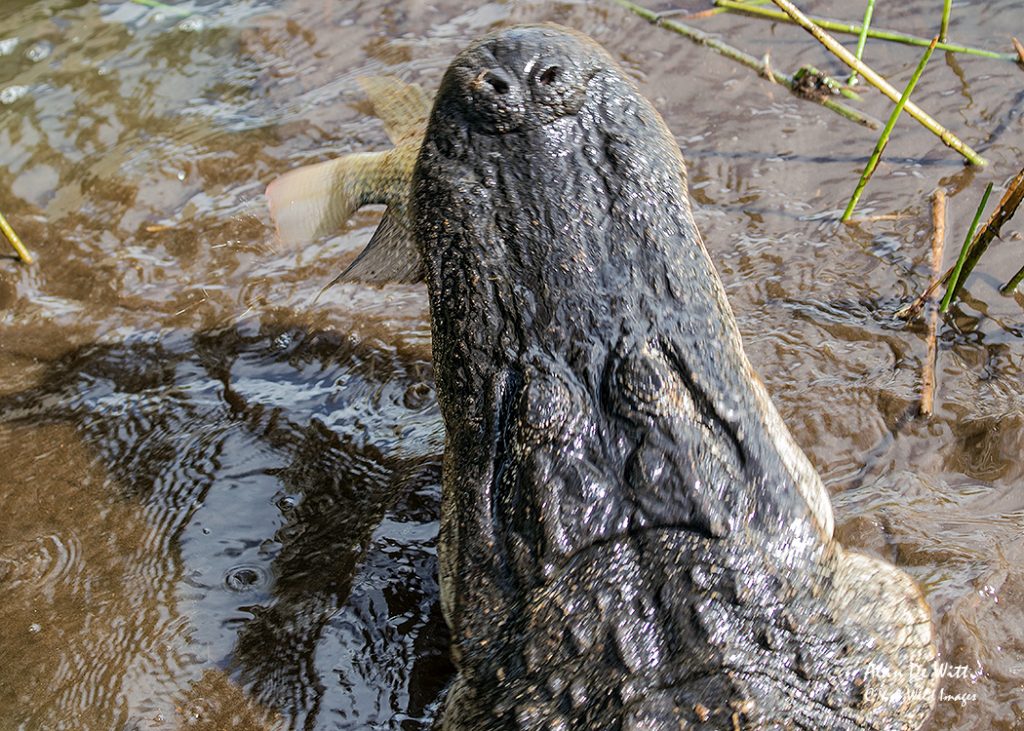
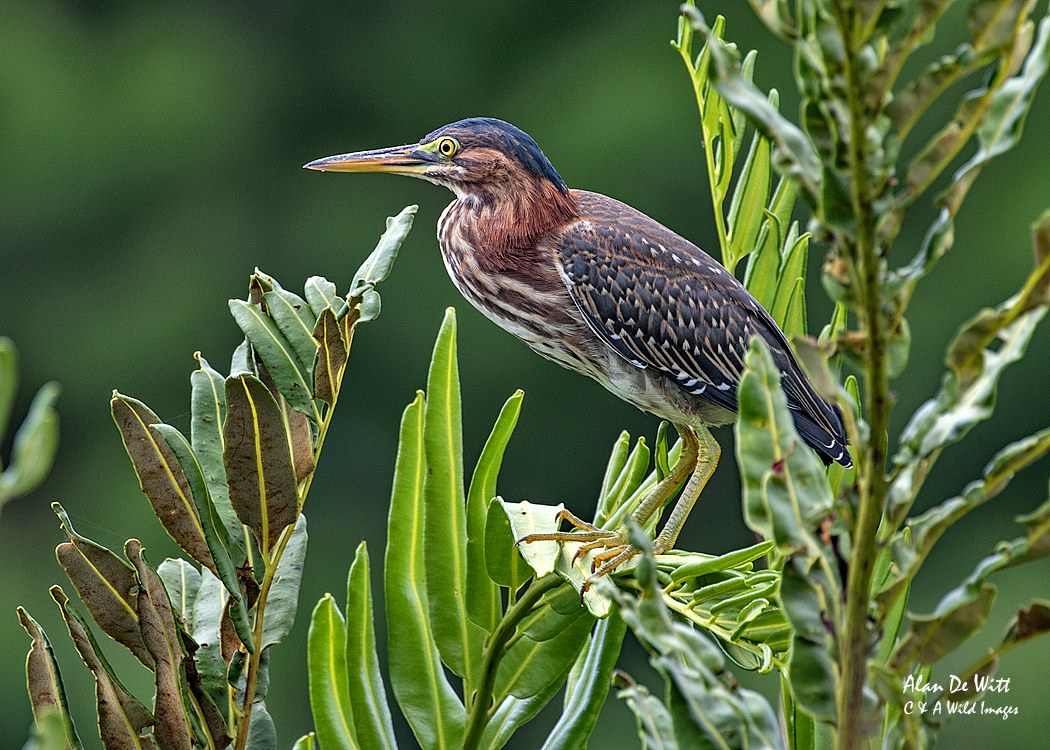
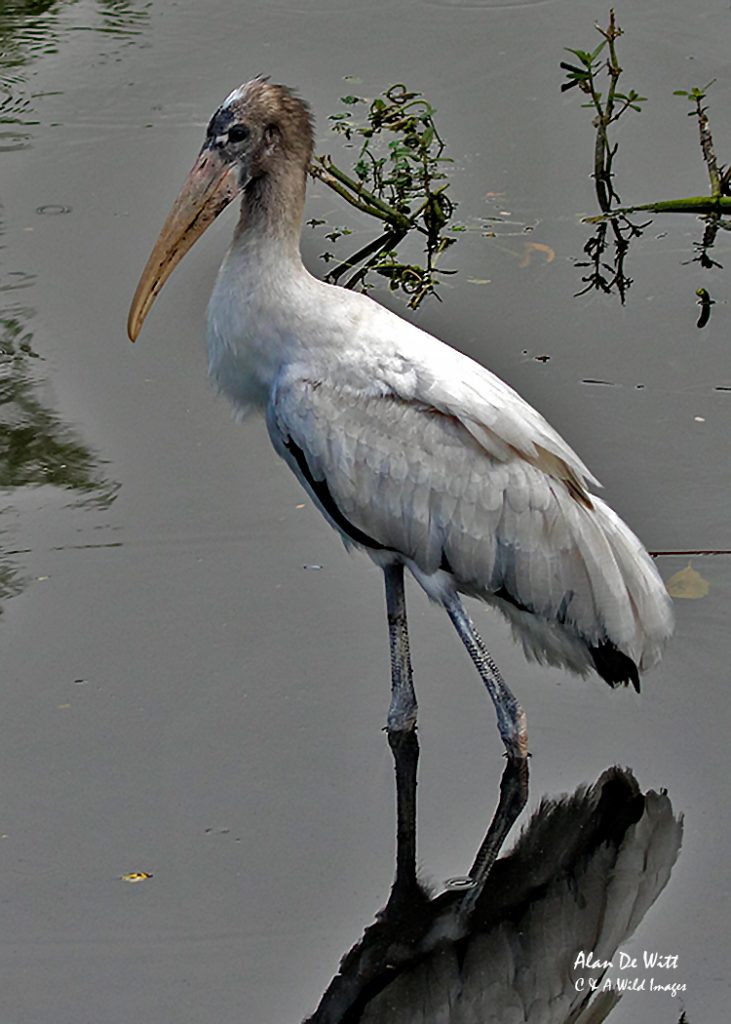
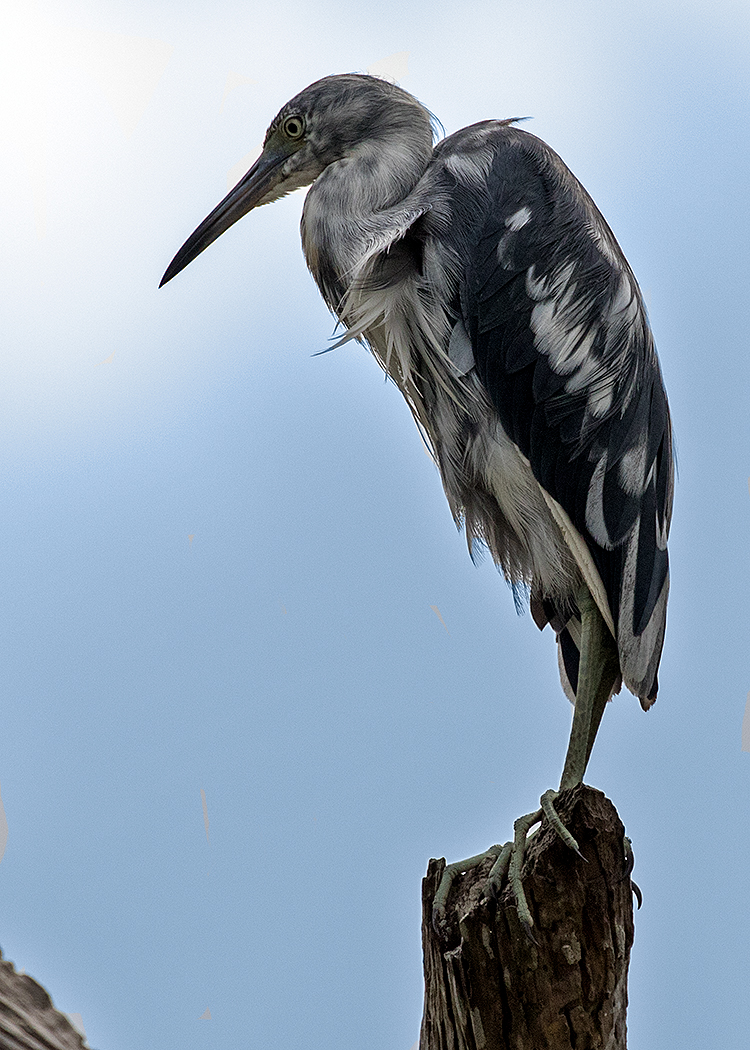
We had some great views of wood storks and Anhinga with their chicks, plus a number of different herons. All sorts of turtles and an iguana were to be seen around the boardwalk. In one of the pools a very active, large alligator was fishing just below one of the pavilions.
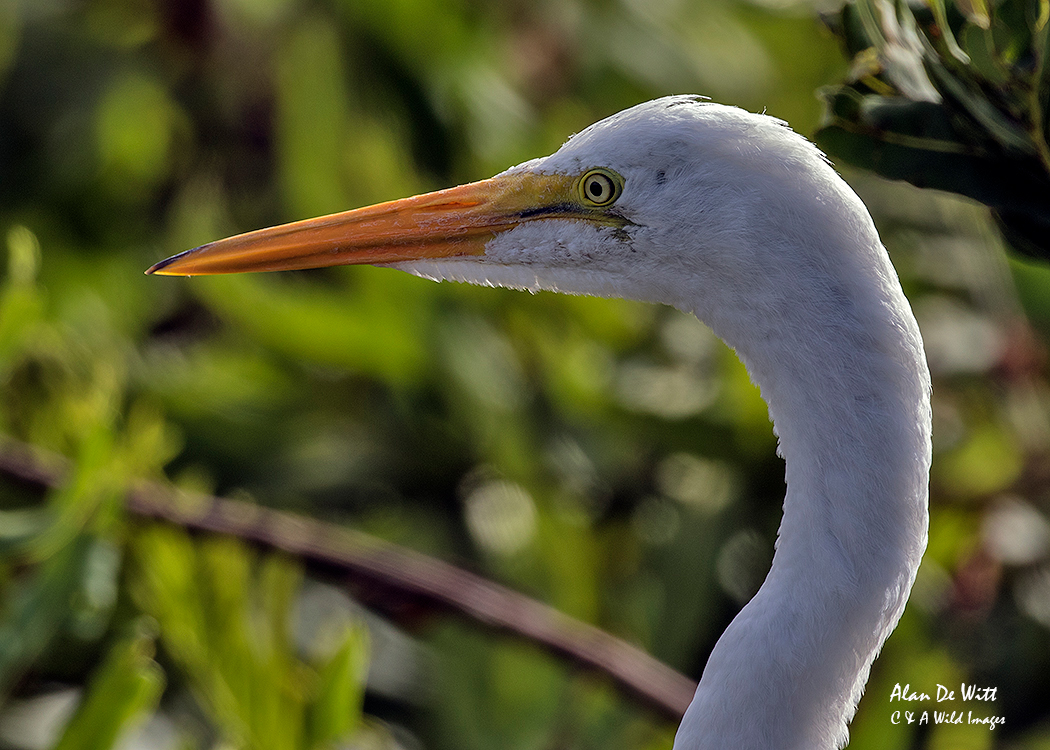
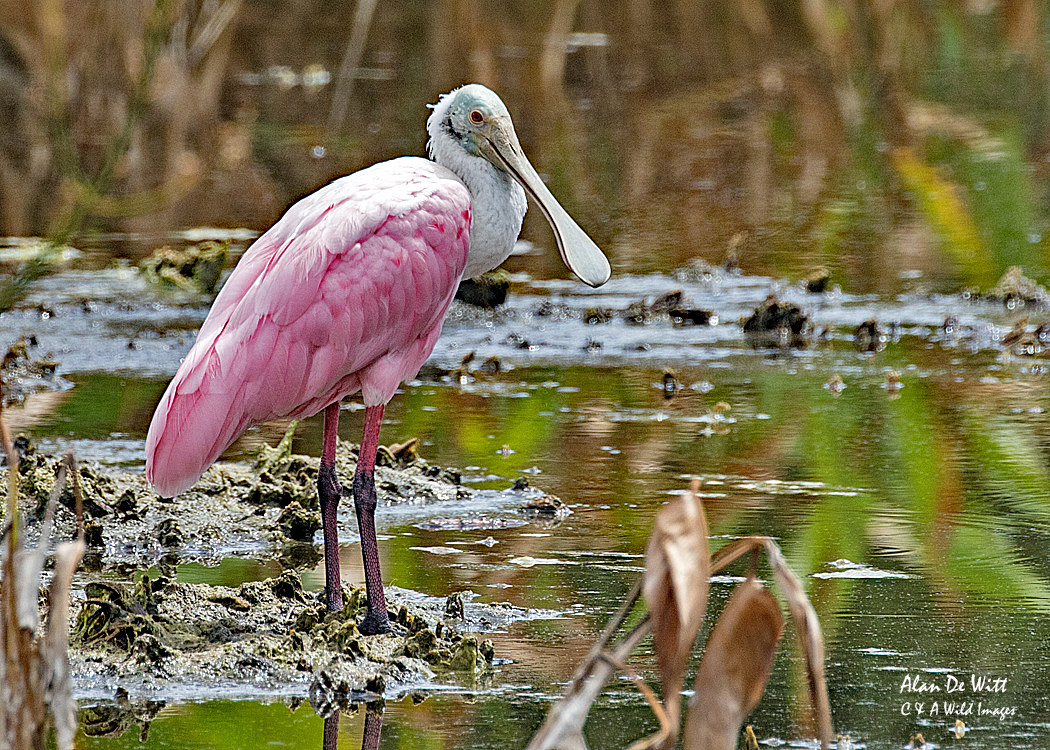
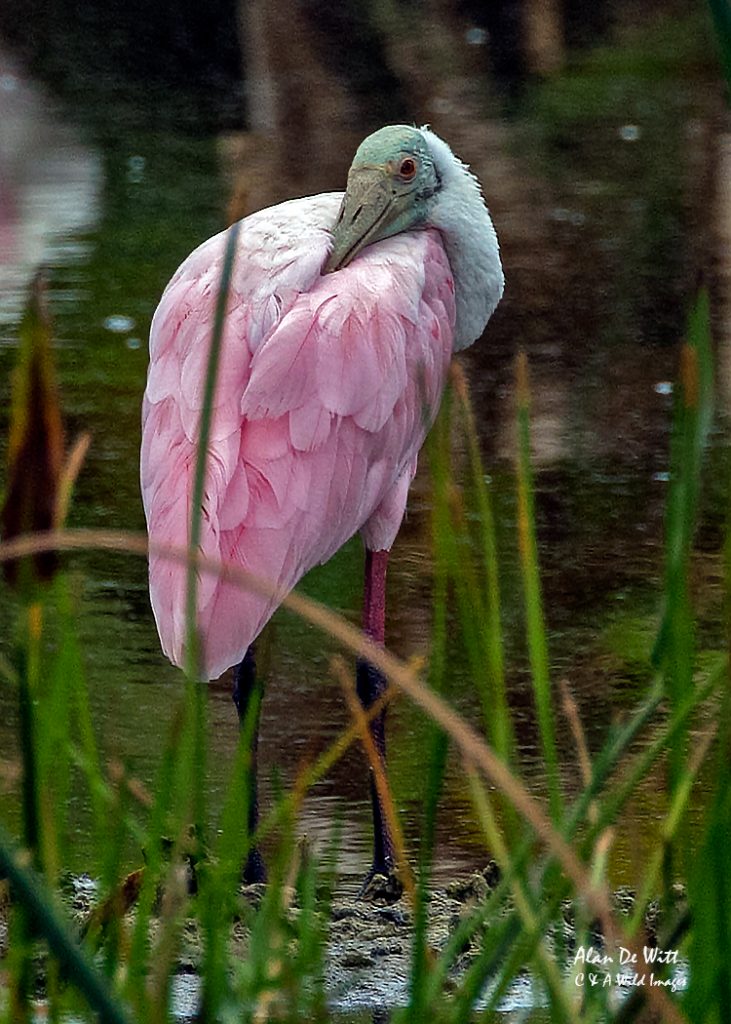
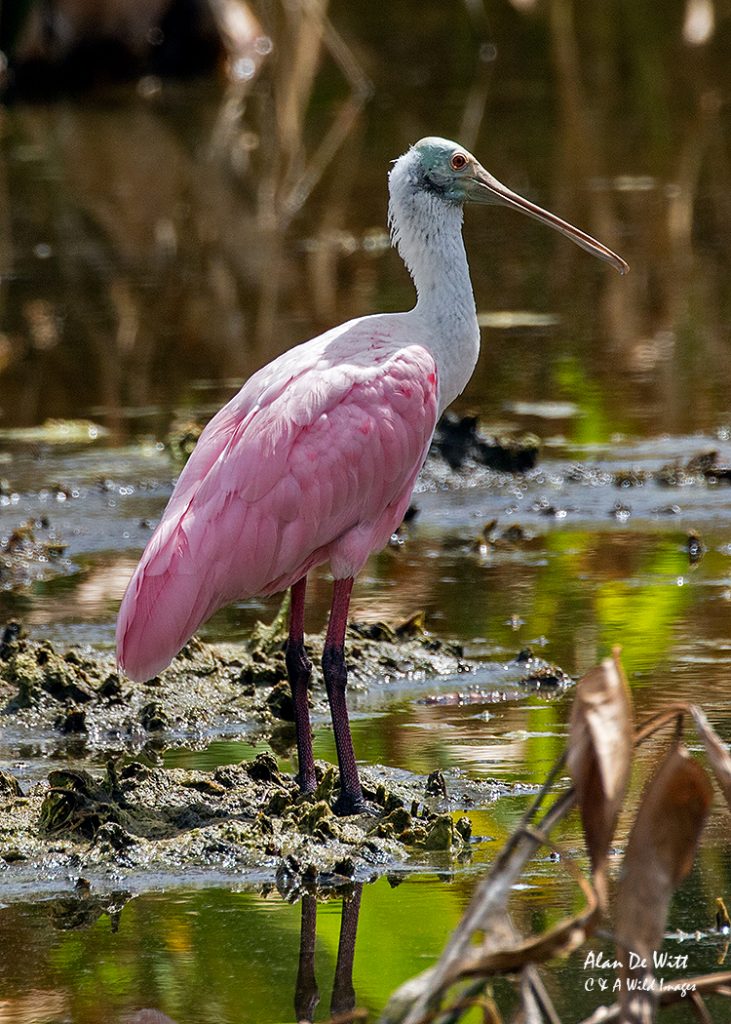
After spending a good few hours at Wakodahatchee we drove the two miles to Green Cay, a much larger and more open preserve. By this time the temperature had increased and much of the wildlife had taken shelter from the heat. However, there was still wildlife to see including young alligators and a group of Roseate Spoonbills. Even in the summer months these two preserves still have a lot to offer, but get out early to avoid the heat.
Would love to follow your blog. GREAT photos and camera details