A Day in Glacier Bay National Park
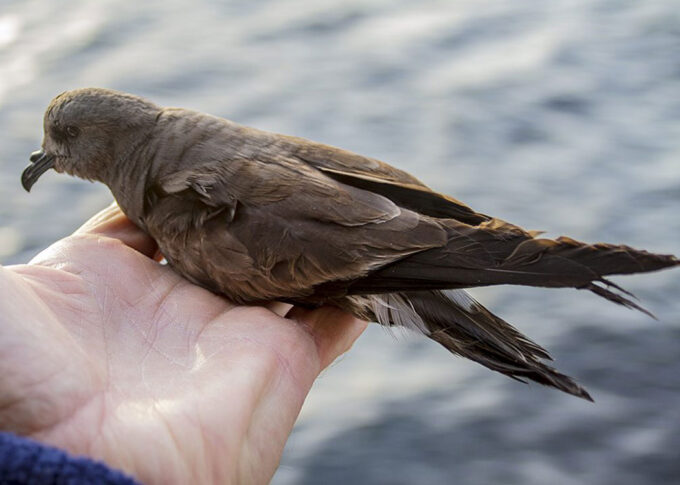
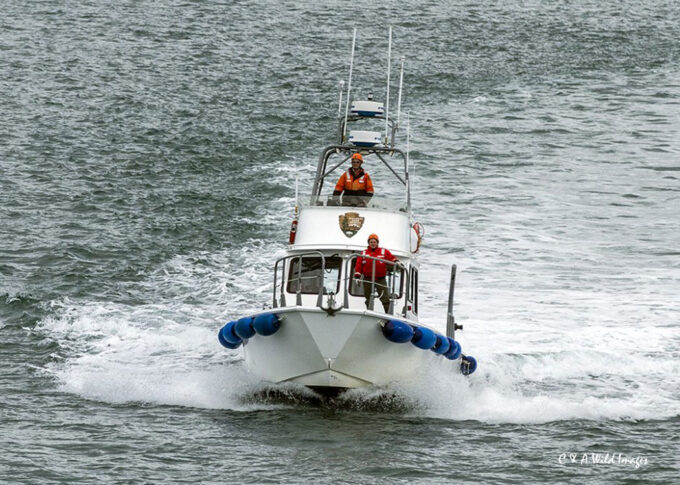
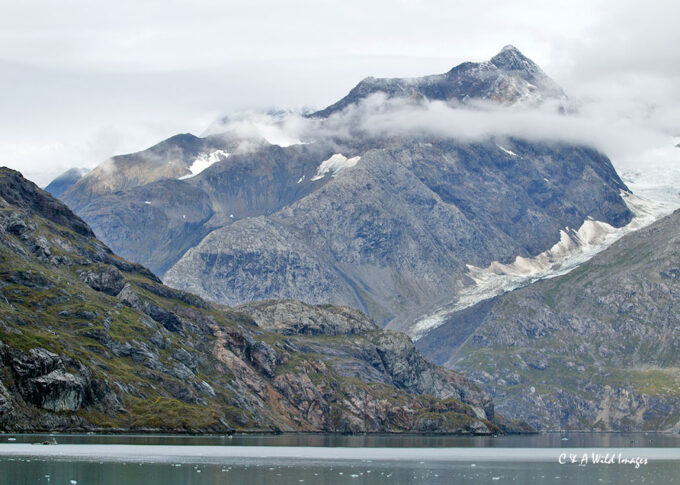
The day started off poorly for our trip to Glacier Bay. Overcast skies and rain loomed, forcing even the Storm petrels to seek shelter on the ship’s deck. The rangers from Bartlett Cove Ranger Station, who joined us on their launch. Promised that as we traveled the 65 miles to the tidewater glaciers and the Fairweather Mountains, the weather would get better, and the sun would shine.
Glacier Bay National Park is a highlight of any journey up the Inside Passage. Its part of a 25 million acre World Heritage Site – one of the world’s largest protected areas. Just 250 years ago, Glacier Bay was all glacier and no bay, a river of ice 100 miles long and thousands of feet thick. Today that glacier has gone, retreating north leaving fewer than a dozen tidewater glaciers.
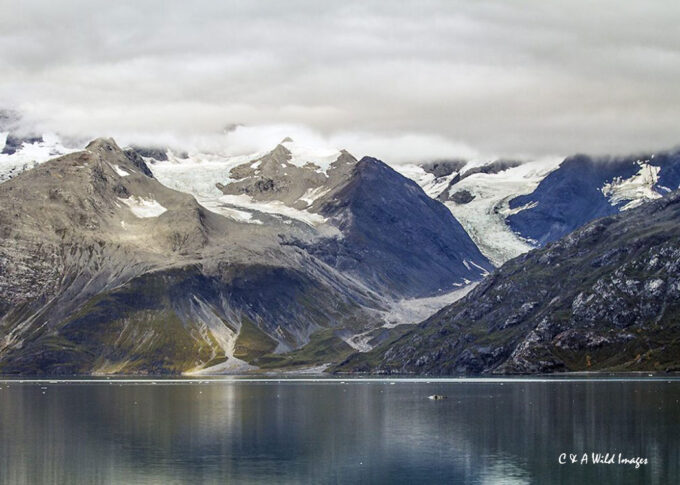
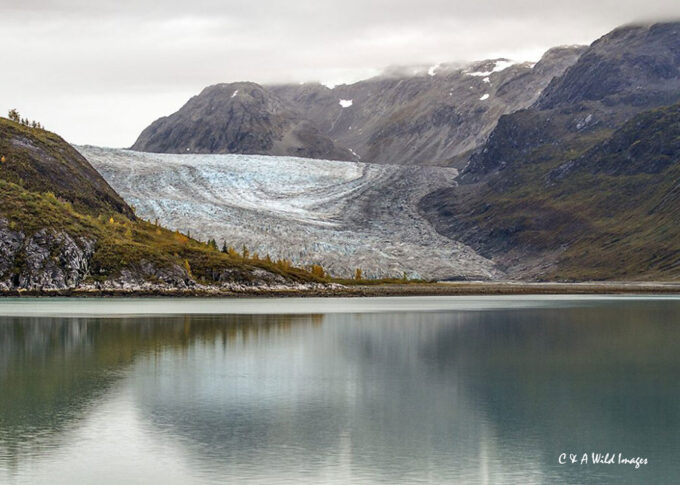
Wrapped in layers, we braved icy cold on deck for hours, watching the glacial scenery unfold as we traveled up the bay. Incredibly, as promised, the sun showed signs of emerging. Ranger commentary explained that, unlike in most areas, some glaciers here were still advancing, though most were retreating. Slowly moving up the John Hopkins inlet, the Lamplugh and John Hopkins glaciers, with their beautiful icy blue, were the first to appear, carving through mountains to the sea.
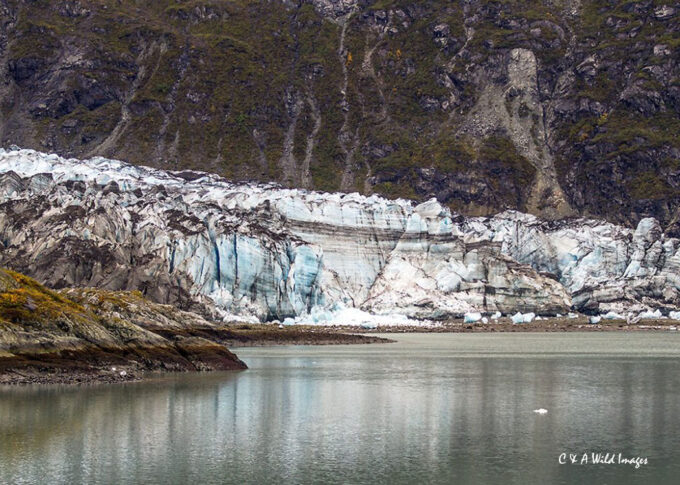
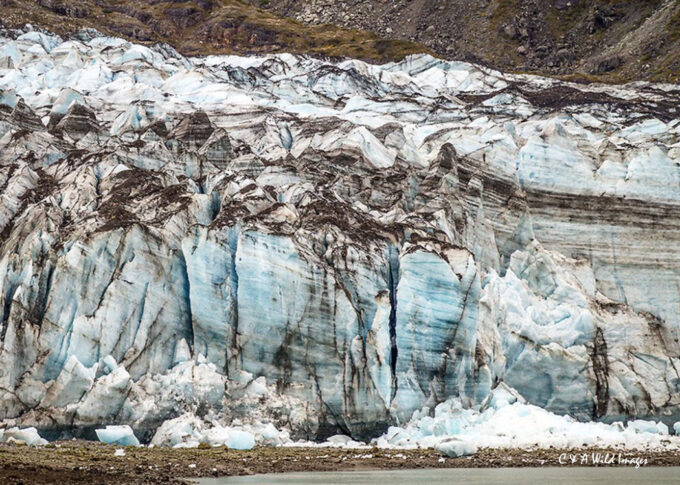
Margerie Glacier.
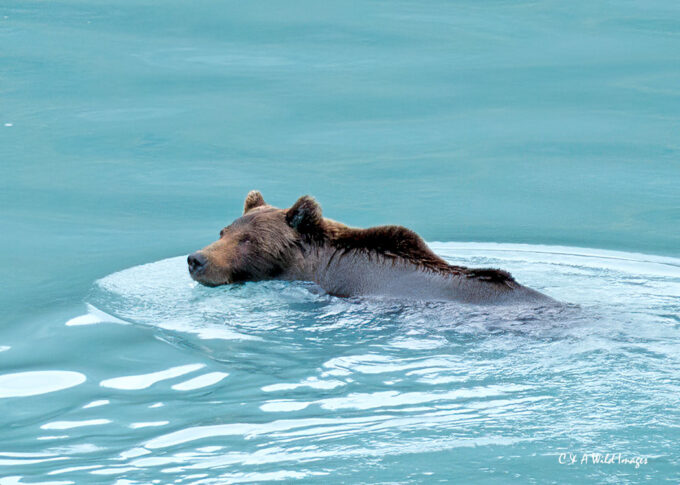
After some time in the inlet, we headed back, then turned into Tarr Inlet en route to Margerie Glacier. Amazingly, while watching, a group of four or five sea otters lying on their backs with heads out of the water. We saw what we thought was another otter swimming towards them, but closer inspection revealed rounded ears and a hump back, identifying it as a grizzly bear. Astonishingly, this was the first time the rangers and the ship’s captain had seen a grizzly swimming in this area of Glacier Bay.
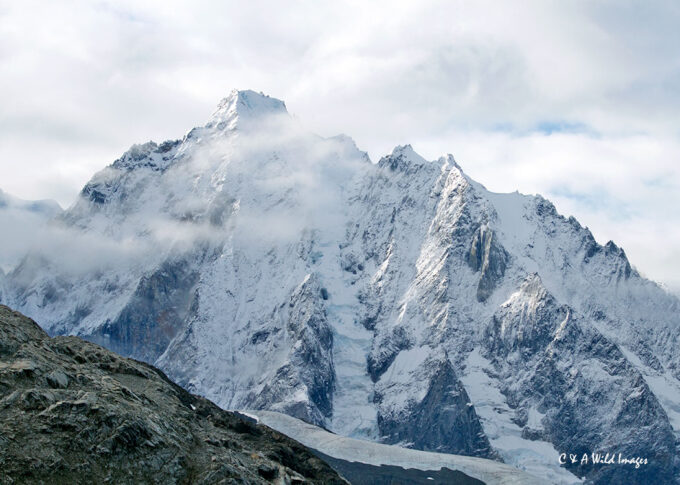
We cruised to the Grand Pacific and Margerie Glaciers. The Grand Pacific glacier, grey-black with terminal moraine, starkly contrasted with the stunning Margerie glacier. Tidewater glaciers flow to the ocean, creating cliffs of sculptured ice. Seawater underneath leads to rapid melting. Often leading to spectacular calvings, with icebergs falling into the sea—an anticipated sight for everyone aboard.
Tidewater glaciers
As we arrived at the glaciers face there were signs that we might experience a calving. After about half an hour a small piece about the size of a car broke off and crashed into the ice floes below the glacier. It was sometime before the sun and tide stirred the glacier into action definitely well worth the two-hour wait to witness this. To begin with the glacier growled and grumbled all the time as the ice moved.

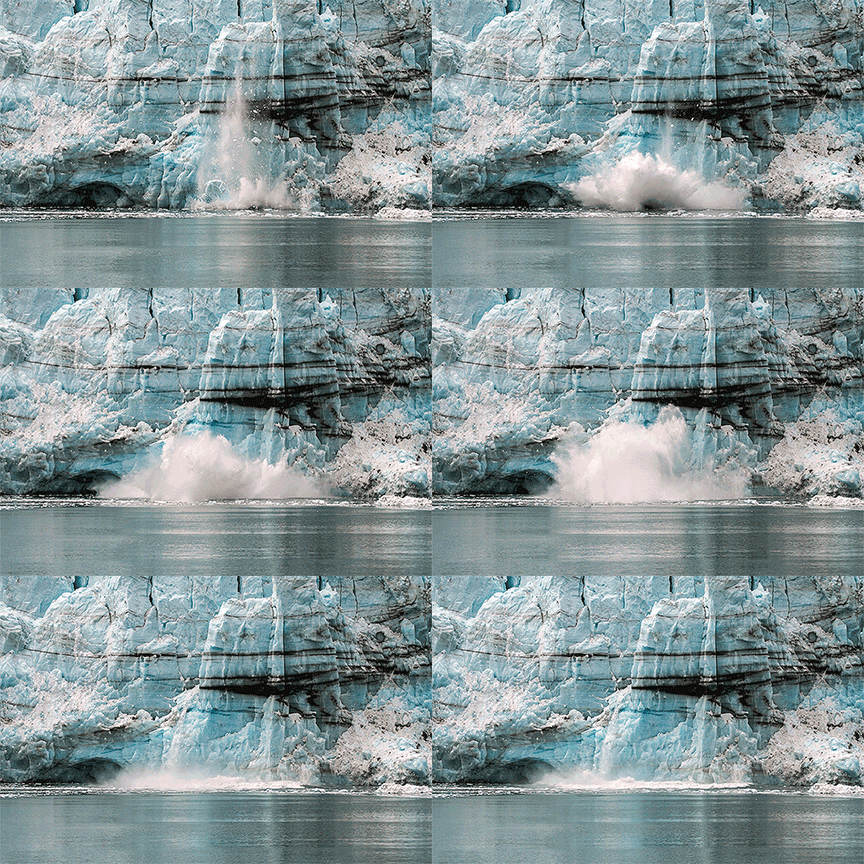
As the glacier calved it was accompanied by a sound like a cannon shot. “White thunder,” the Tlingit (native people) called it. A tiny shower of shards of icy heralded the calving of an iceberg of about 300 feet as it plunged into the sea, submerging with huge splashes and then surfacing, showering the surface with ice and disturbing the seals resting on the ice floes
The sound of “White thunder”