Wakodahatchee Wetlands
For some years now, with family living in Florida we are regular visitors to the Palm Beach area. Each time we visit we have tried to seek out new and interesting places to spot wildlife, particularly the abundant bird life at various times of the year. Whilst looking at the Florida Birding and Wildlife Trail website this year I noticed that not too far away was the Wakodahatchee Wetlands and it mentioned, “This site is one of the best in all of Florida for bird photographers”. Eager to see if this was the case we drove down to Delray Beach to find what can only be described as an oasis of green, in suburban Palm Beach county.
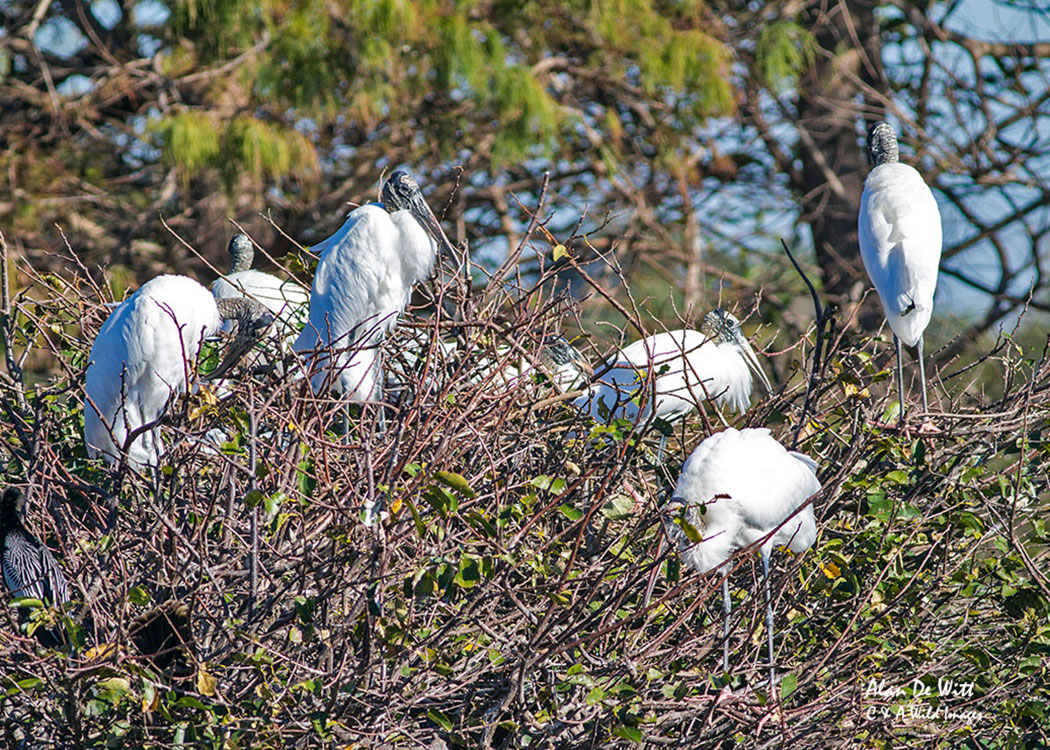
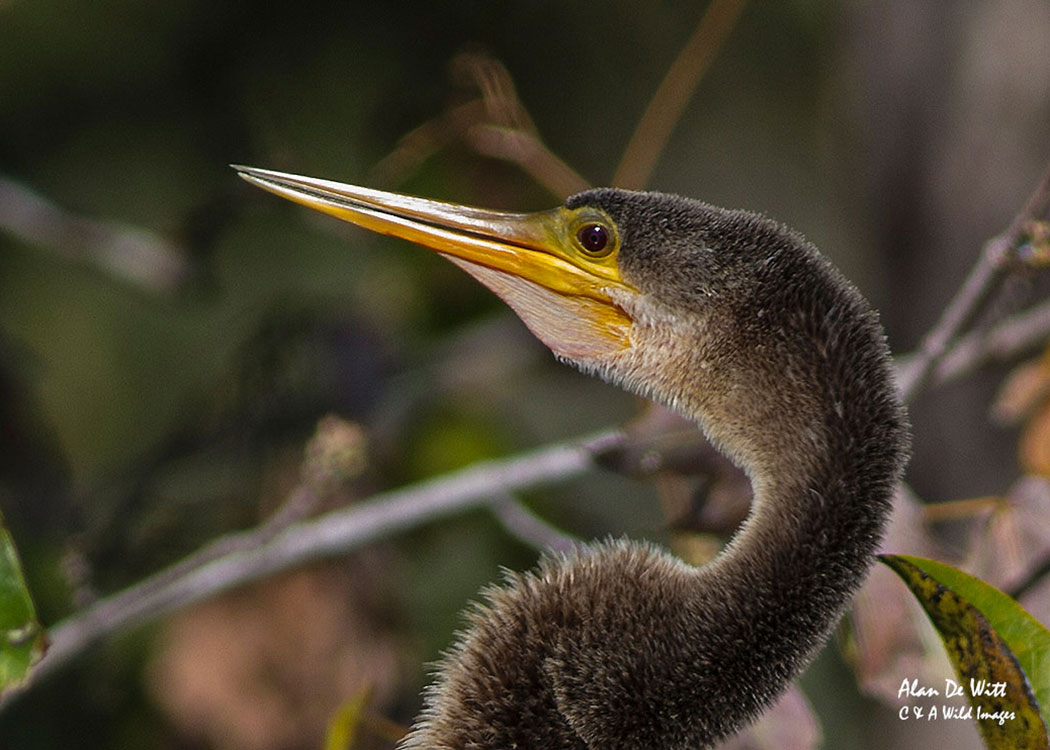
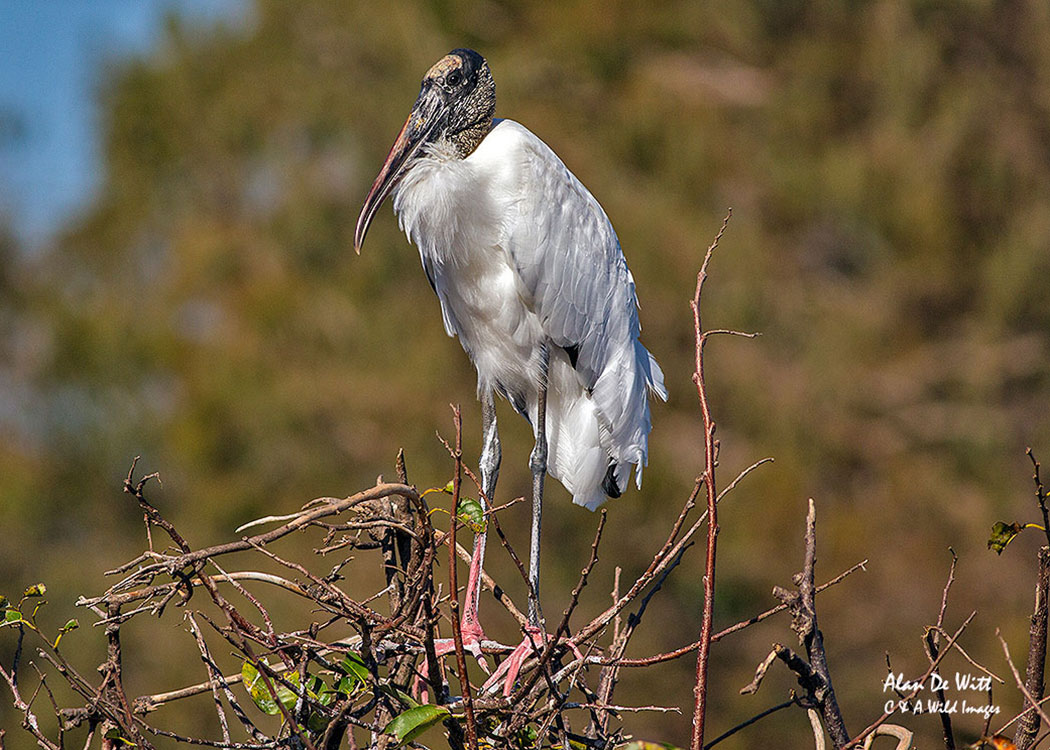
The Wakodahatchee Wetlands are part of county’s Southern Region Water Reclamation Facility. Approximately 50 acres of reclaimed freshwater marsh has been turned into habitat for wetland bird species. The name Wakodahatchee comes from a Seminole Indian word which translates to “created waters”. A three-quarter mile, elevated, handicap-friendly boardwalk crosses the open water areas, and islands with shrubs and snags providing ideal nesting and roosting sites. Around the boardwalk there are plenty of interpretive signs providing visitors with information about the wildlife, as well as shaded areas with seats to rest.
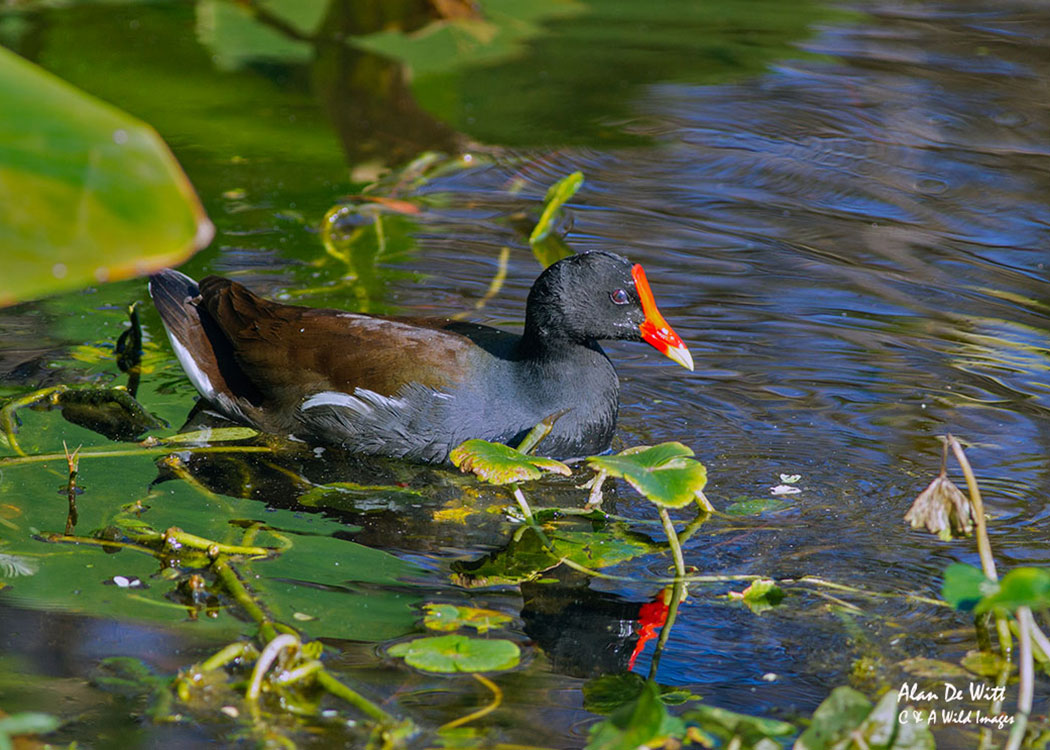
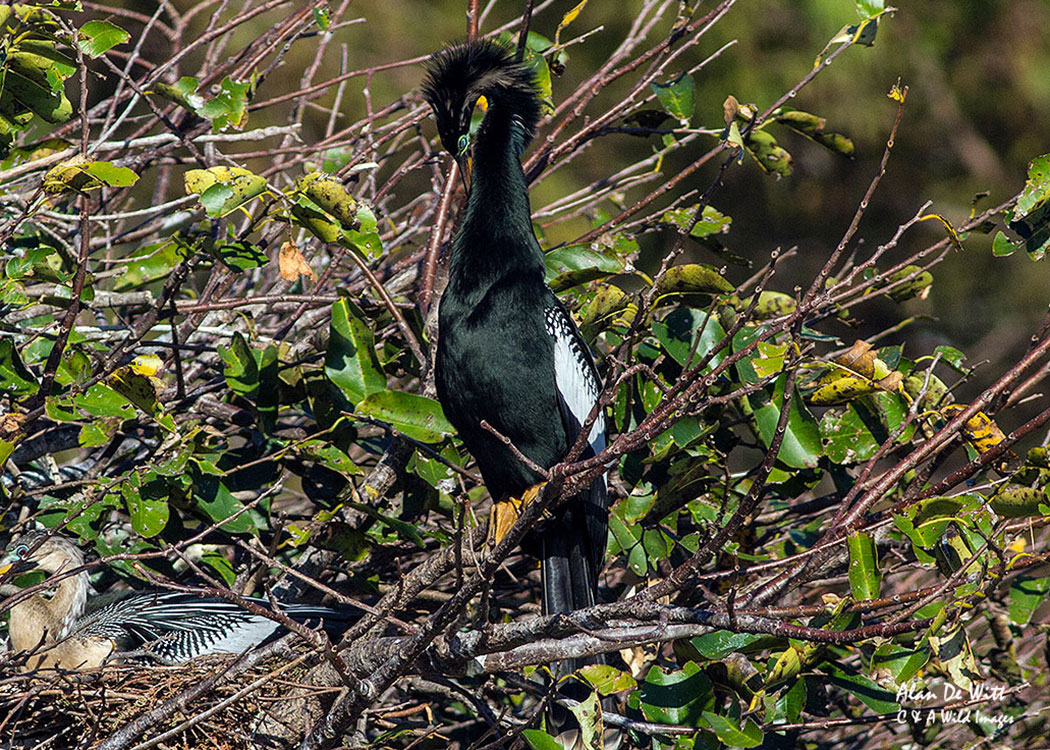
The wetlands provide an amazing wildlife habitat that provides homes for over a 100 different species of birds plus alligators, turtles and other critters found in a wetland ecosystem, including some very large iguanas that have invaded the area. Although there is always something to see at Wakodahatchee, the best time to visit is from mid-January to April when the birds are nest building.
Our Visit.
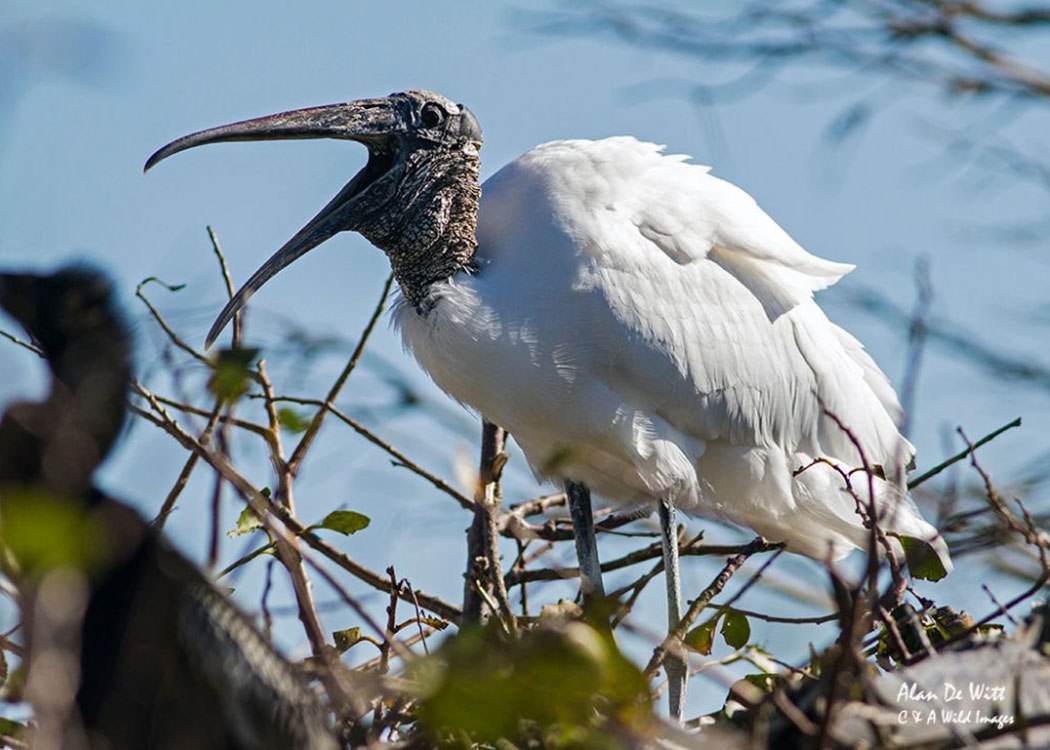
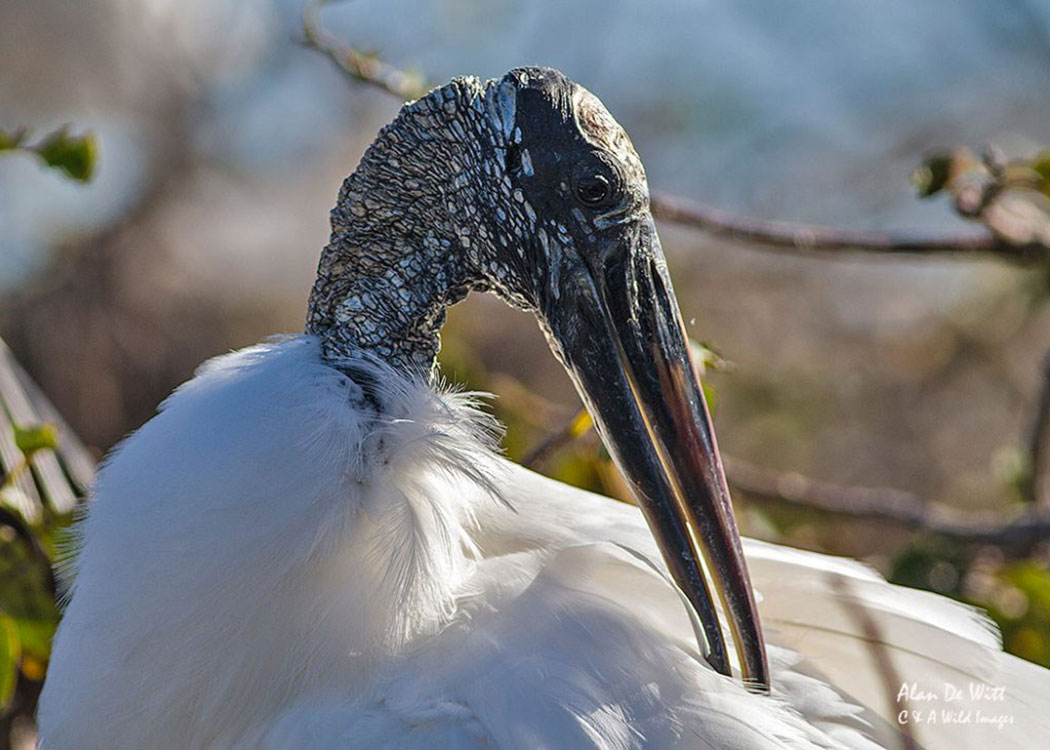
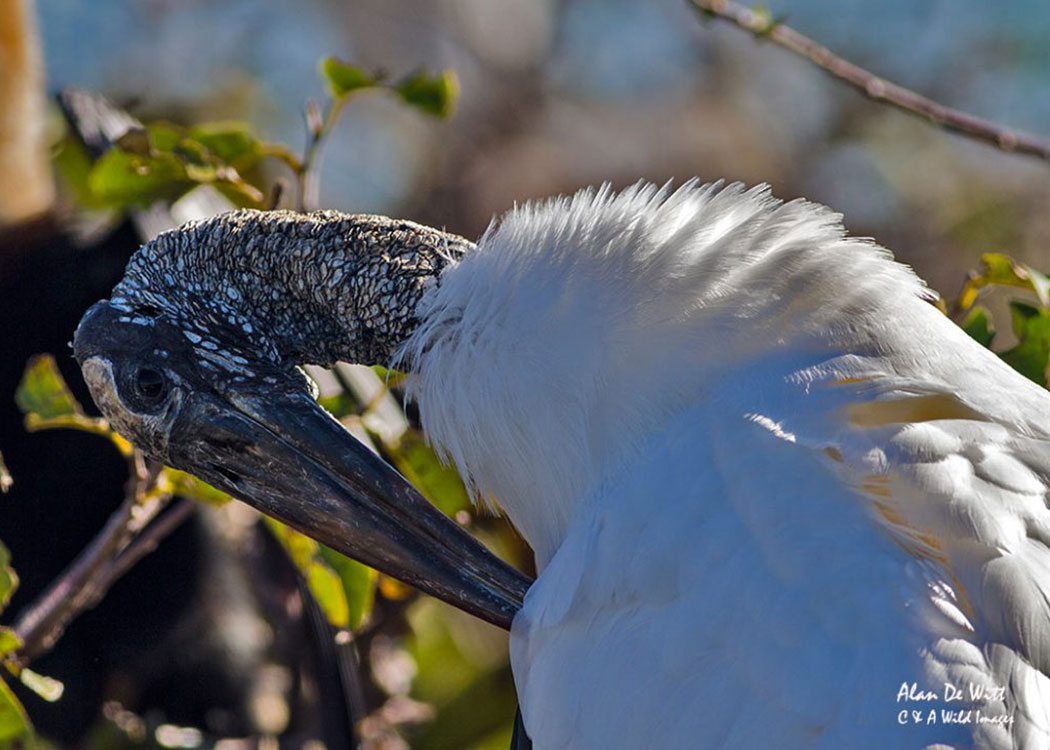
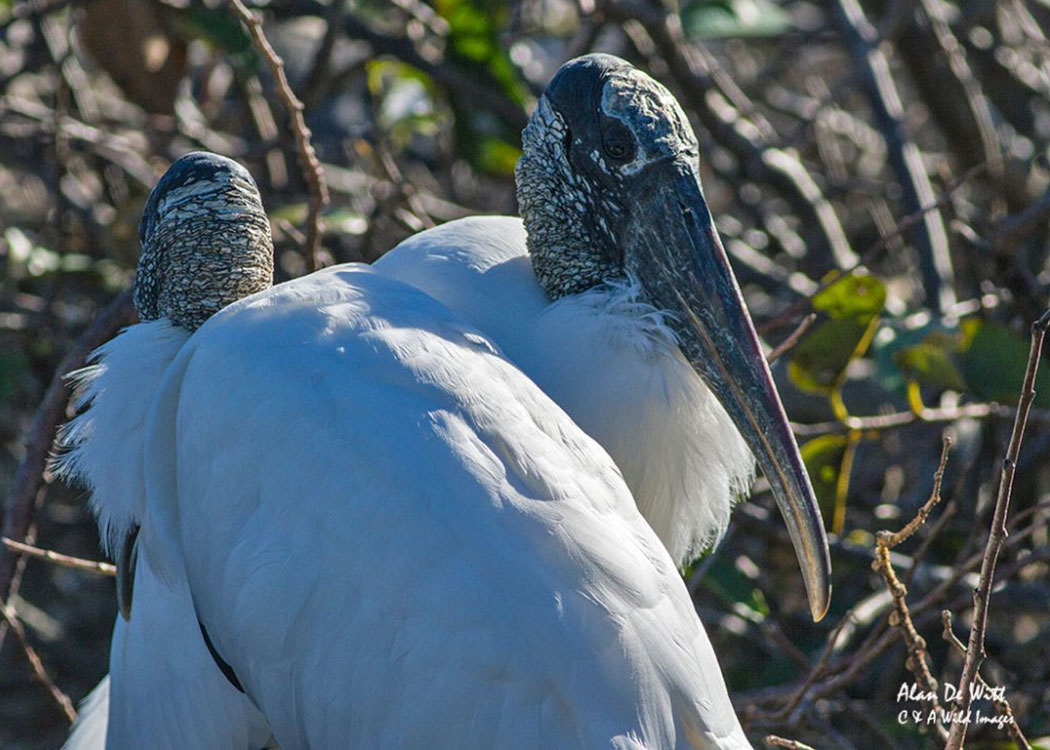
During our visit we had great views of Wood Storks preparing their nest sites, something you wouldn’t have seen five years ago, when there were no wood storks in the wetlands. Now the site attracts between 60 to 80 nesting pairs.
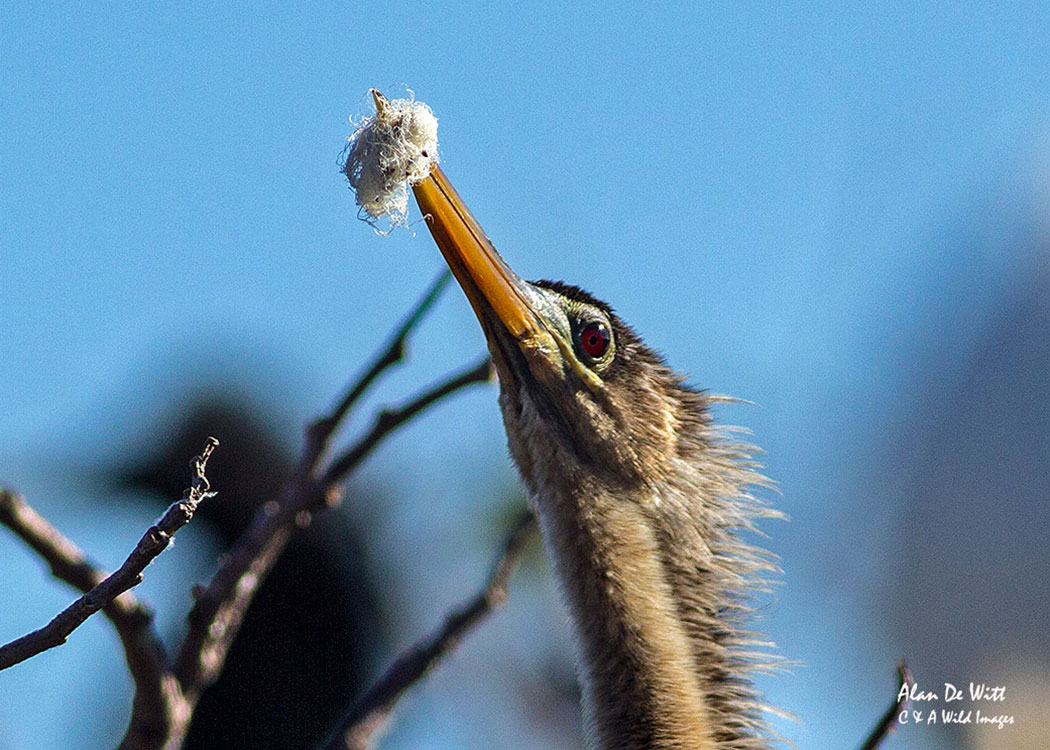
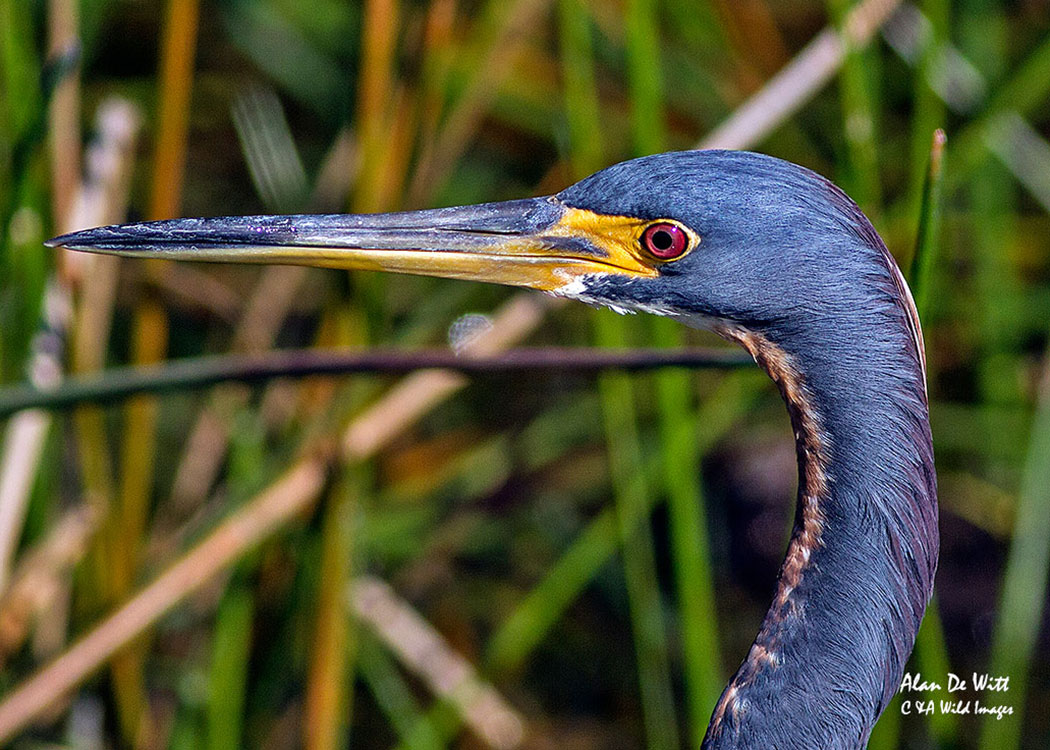
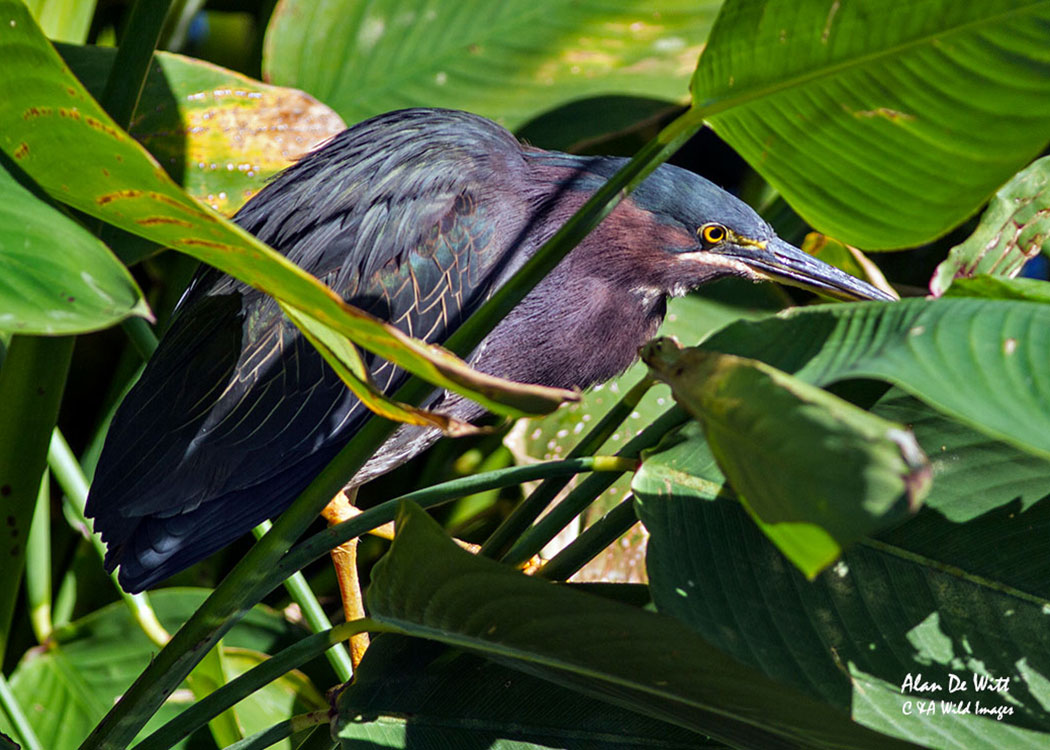
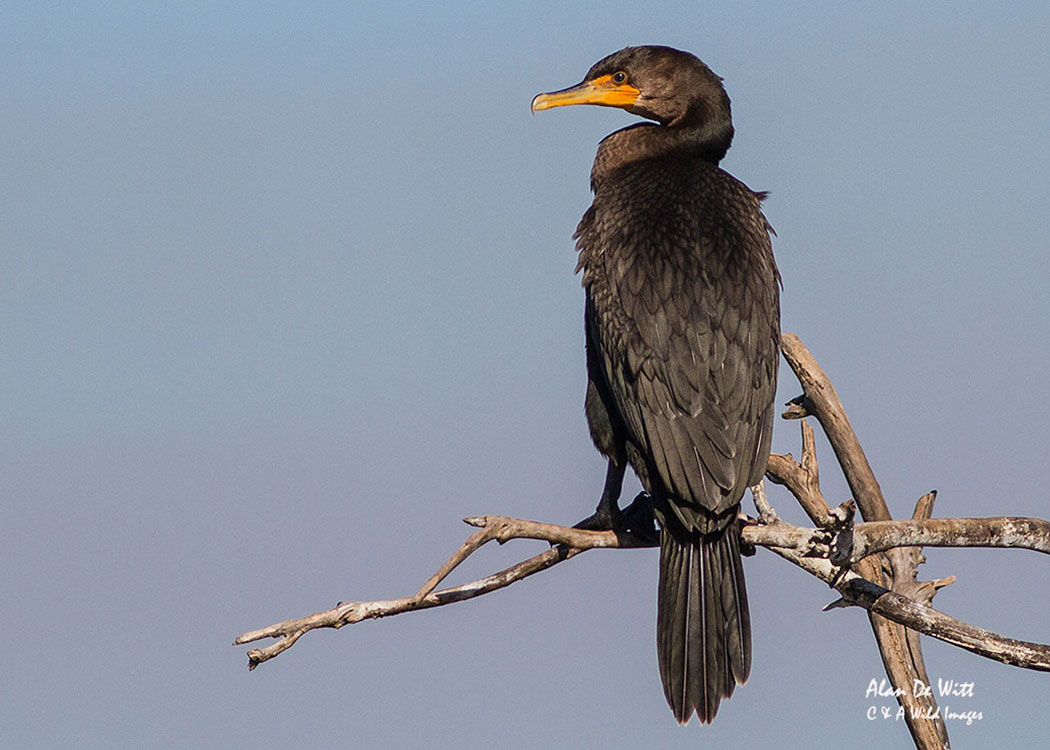
Along the boardwalk there was also a number of Egrets (both Greater and Snowy), Blue Herons, and both White and Glossy Ibis. On another island Anhinga and Double Crested Cormorants had begun nesting together.

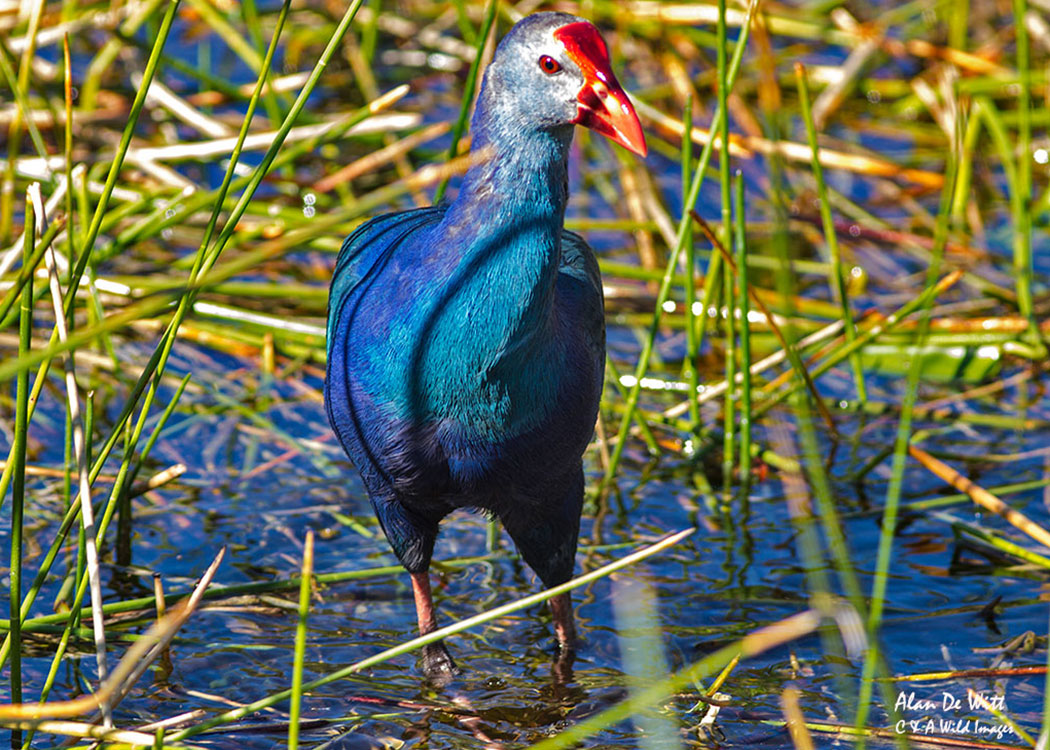
When we were there the Ospreys were busy fishing and bringing their catches back to the snags to feed. As well as the large bird species there were lots of smaller species to look out for including the Purple Gallinule and Swamp sparrows (a winter visitor) . A bird that was attaching some attention was the Purple Swamp Hen. An invasive species, which is a recently arrival to the area, the result of a number of birds escaping during a hurricane some years ago.

The center is free of charge to visit but parking is very limited. Also the boardwalk is popular with fitness and speed walkers. This can cause some vibrations problems for photographers, but otherwise, this place is for the birds. As a tip try going early in the day before the sun gets too hot and the wildlife becomes less active.
Green Cay, a much bigger site, although very similar, is about 2 miles away and also well worth a visit.