Lake Gatun
Once again the morning sun greeted us on the viewing platform as we drank our morning coffee before breakfast. Before going out for the morning we made our rounds of the feeders and checked the whereabouts of the resident boa. This morning we were taking a boat trip starting on the Chagres River and visiting part of Lake Gatun. A large freshwater artificial lake approximately 26 m above sea level. It forms a major part of the Panama Canal, carrying the ships across the Isthmus of Panama

The Chagres River
We arrived at the dock on the outskirts of the town of Gamboa. We started by travelling along part of the Chagres River. Our boatman guiding us into creeks and close to the shore, where we encountered a number of water birds. Among them were the Great Blue, Little Blue, Green, Striated, and Rufous Tiger Herons Also there was a number of Whistling Ducks, Wattled Jacana, and good sightings of the Purple Gallinule that inhabit the shorelines.


Travelling any distance up the Chagres river is made very difficult as the path is blocked by a number of log booms the purpose of which is to stop huge islands of water hyacinth reaching the canal and causing problems to shipping. So our trip now took us on the Panama canal itself. As we motored amidst the colossal cargo ships, we couldn’t help but feel a sense of awe at their sheer size. As we motored along the main canal Magnificent Frigatebirds soared above us, while Sandwich and Elegant Terns were resting on the numerous marker buoys, whilst a Ringed Kingfisher made use of a canal marker post
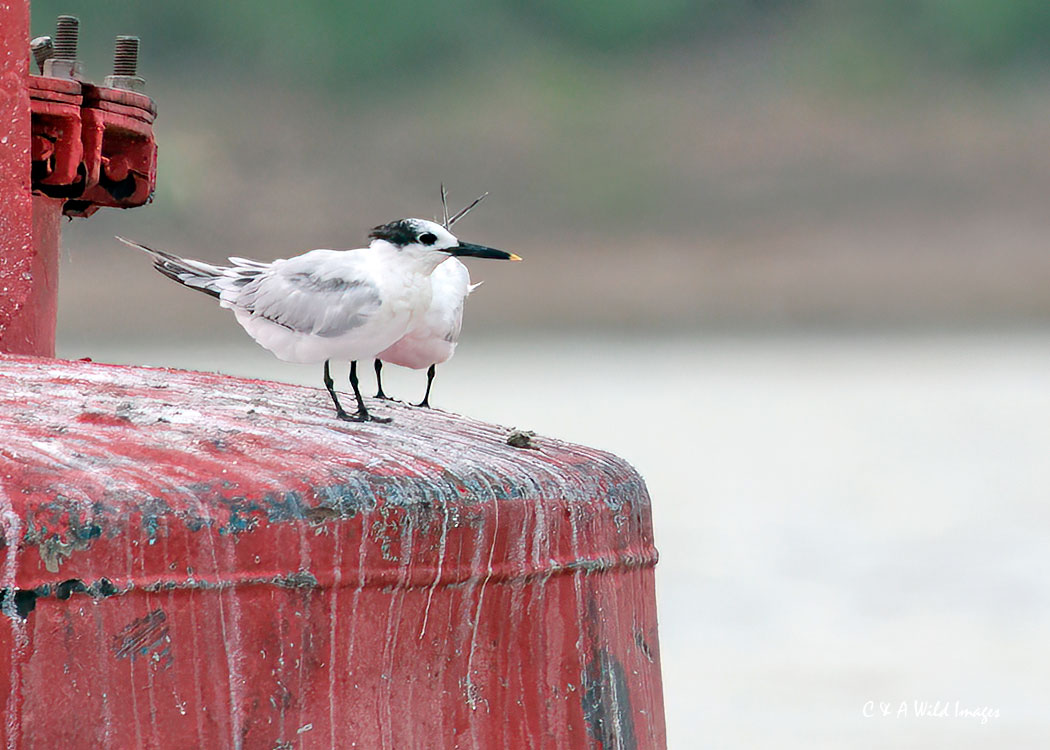
Lake Gatun
After a while we turned off the main channel and set off into part of Lake Gatun, Here, we were treated to sightings of Capuchin Monkeys, Geoffroy’s Tamarins, and Howler Monkeys that were inhabiting various islands in the lake. At one point we came across a line of Proboscis Bats perched on a tree trunk. The banks of the lake were home to a number of other species including some large Basilisks lizards, Green Iguanas, and Crocodiles, further adding to the diversity of the area.

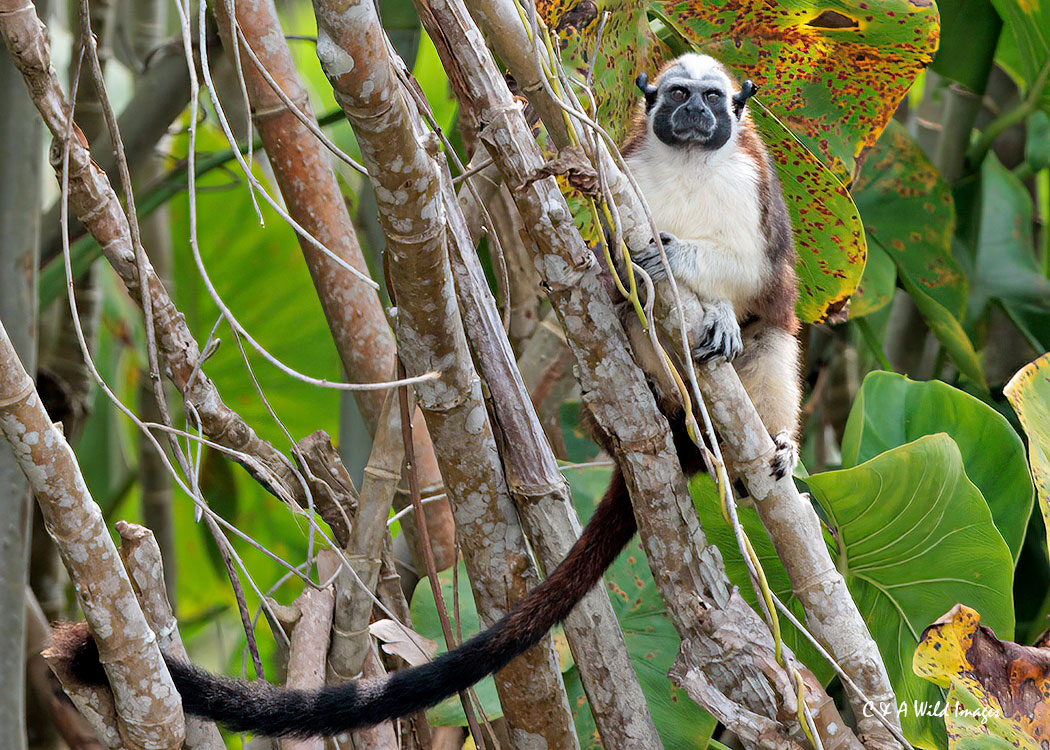
As our journey continued we were able to add a number of new bird species to our growing list. With good views of Limpkins probing the mud , while a pair of Grey-cowled Woodrails maneuvered their way through the reeds. As we entered another branch of the lake we spotted a number of Neotropic Cormorants, Yellow-headed Caracara, elegant Black-necked Stilts, and impressive numbers of Snail Kites. Once these snail kites, a highly specialized raptor, occurred in Panama primarily as a vagrant. However since the introduction of Apple snails to Lake Gatun in the late 1980s., Snail Kites have colonized the area and can now be found throughout the lake.

A persistent keel-billed toucan engaged in a chase with a bat, adding an element of excitement to the scene. Meanwhile, a Ringed Kingfisher perched on a branch, patiently scanning the waters for its next fishy meal.

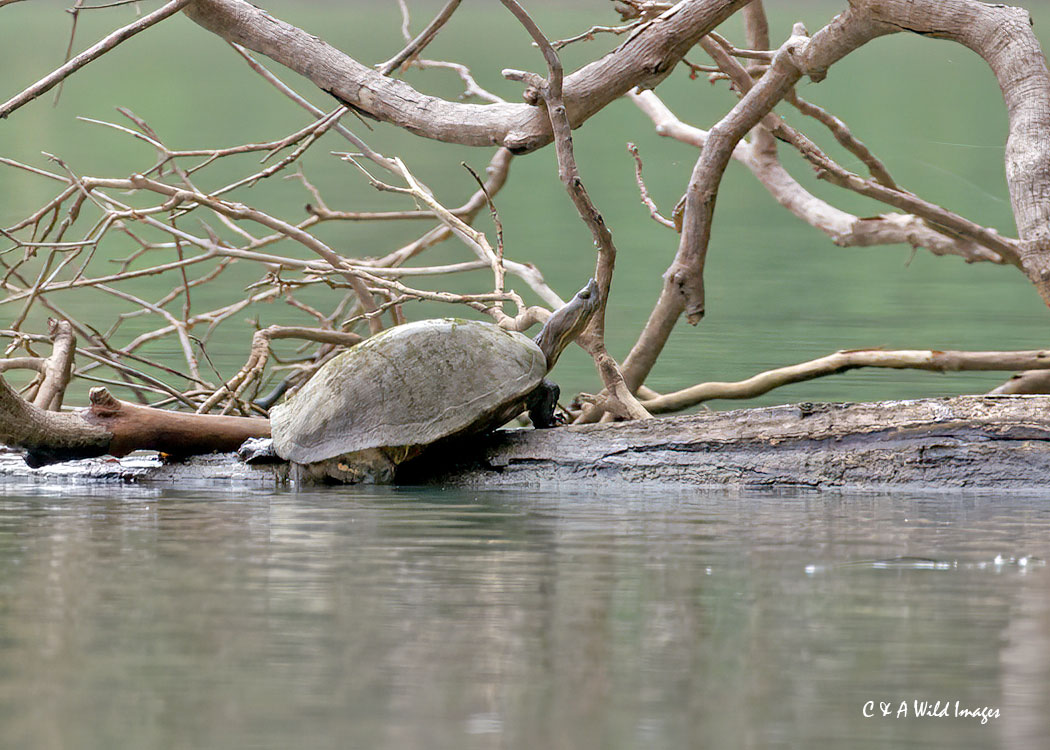

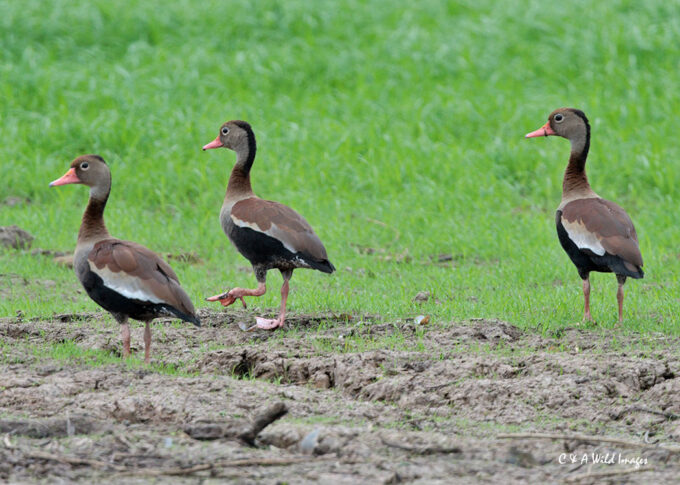
After spending a good four hours exploring the lake we returned to the dock thanked our excellent boat driver and returned to the tower for lunch.
Rainforest Discovery Centre
A thunderstorm, the first of the trip, caused a delay in our afternoon excursion to the Rainforest Discovery Centre and our second trip to Pipeline Road, As we drove along the road in the late afternoon light we were lucky to spot a pair of Great Curassow before they disappeared into the forest. We also came across a Ruddy Quail-Dove perched on a log. Arriving at the centre, we headed straight to the Hummingbird feeders and added a new species, the Crowned Woodnymph, to the bird count.
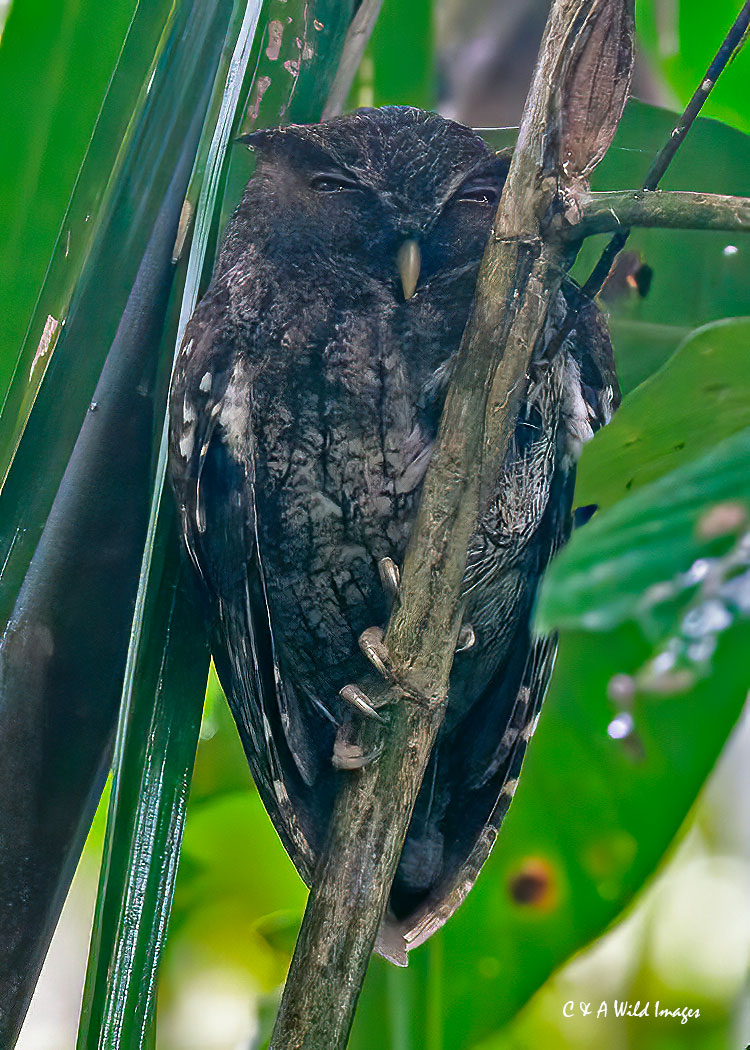
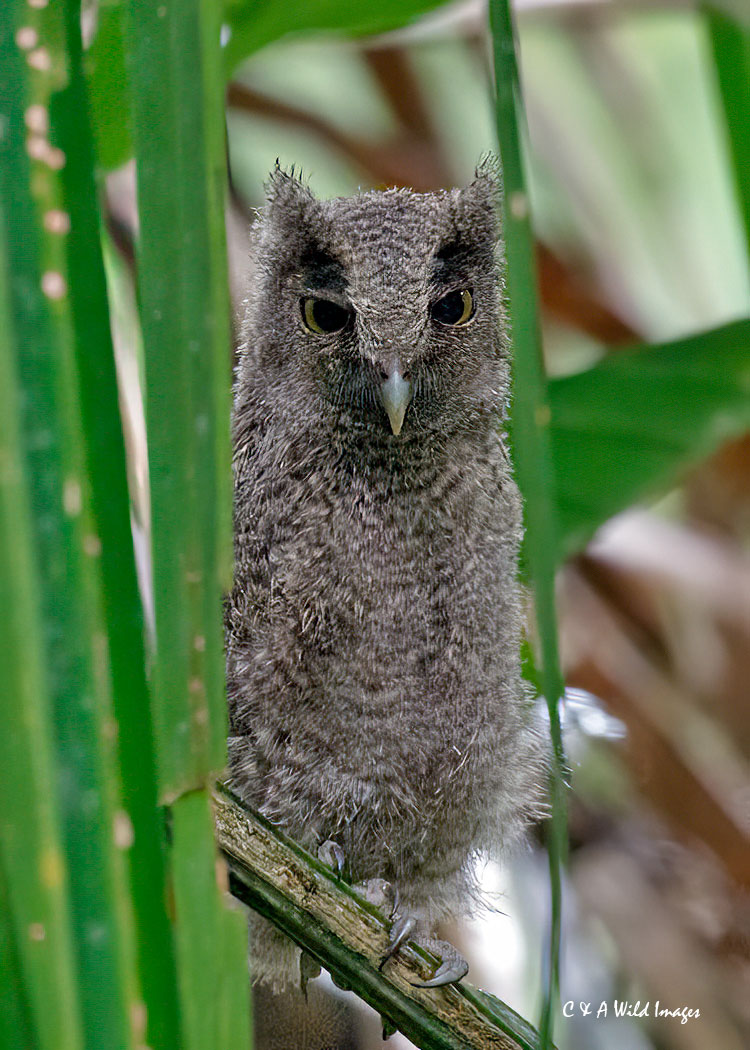
A short distance from the centre in the dim light, Alex skillfully located a male Choco Screech Owl and its hidden chick sitting close by among the branches. After which a number of the group made their way to the observation tower, which had 174 steps. Despite the rising mist, we were still able to catch a glimpse of a group of Howler Monkeys roosting in the distance. Others chose to watch the hummingbirds at the feeders.

For dinner, we enjoyed a delicious meal outdoors, overlooking the hummingbird feeders, courtesy of the Canopy Tower kitchen staff. Now dark we travelled in the bird mobile back to the Canopy Tower.

While driving back, our guides used spotlights to help us see some fascinating creatures. We discovered a well-camouflaged Pauraque nightjar nestled among the leaves, a roosting tinamou, and a slaty-tailed trogon. The lights also revealed a Cottontail, another nine-banded armadillo, night monkeys in a palm tree, a kinkajou, and two and three-toed sloths.