The Gambia’s Mandina Lodge
After just over two years of travel restrictions it was great to once again be heading off to the airport again. This time to Gambia, a part of Africa we had never travelled to before. This was a trip organised by Naturetrek. Although famed for its winter sun and beaches we were heading to a lodge within the Makasutu Forest along a creek of the Gambia river.
We met up with Oliver, the Naturetrek leader, our friends and the rest of the group at Gatwick airport. We were catching the early morning six hour flight to Banjul. Gambia. After negotiating the rather chaotic immigration control and Covid checks we made our way in warm sunshine to the river side Mandina Lodge and our dinner.
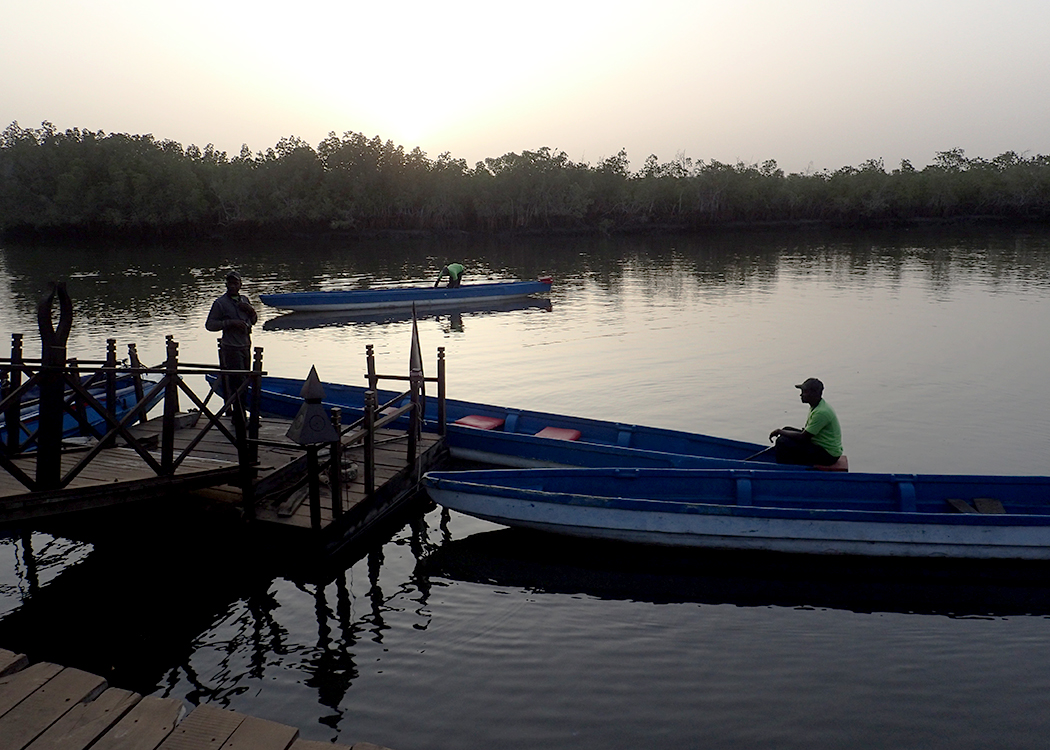

Along the River
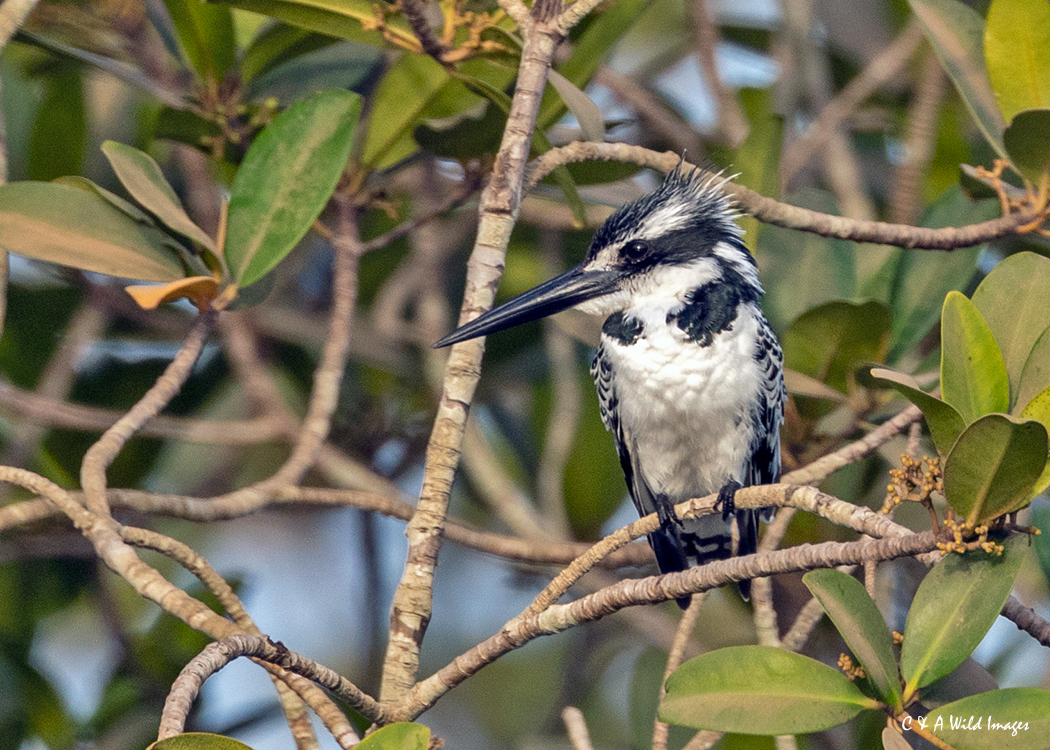
Our first morning started with Tea and biscuits and an early start. We then set off in two canoes towards the village of Buffuloto and the oyster midden. The paddle along the river provided great views of some of the birds particularly the kingfishers. These included Malachite, Blue-breasted, Pied and later Shining Blue. They were feeding along the banks, often using the mangroves as perches. Other birds included African Darters, various Herons and an Osprey.



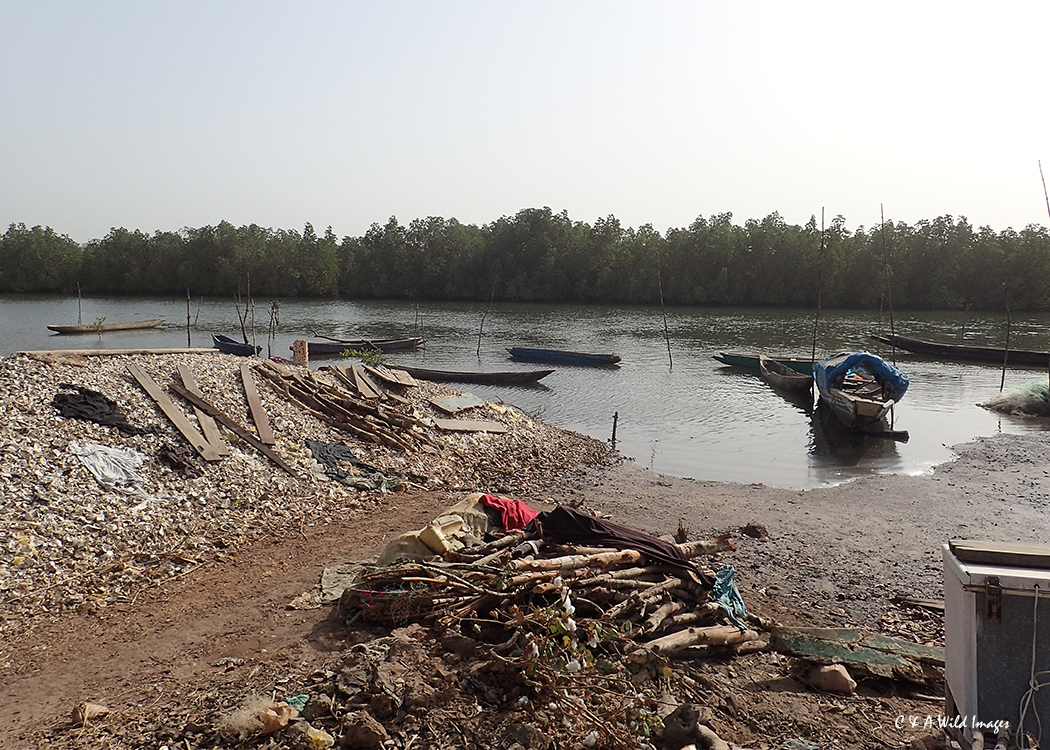
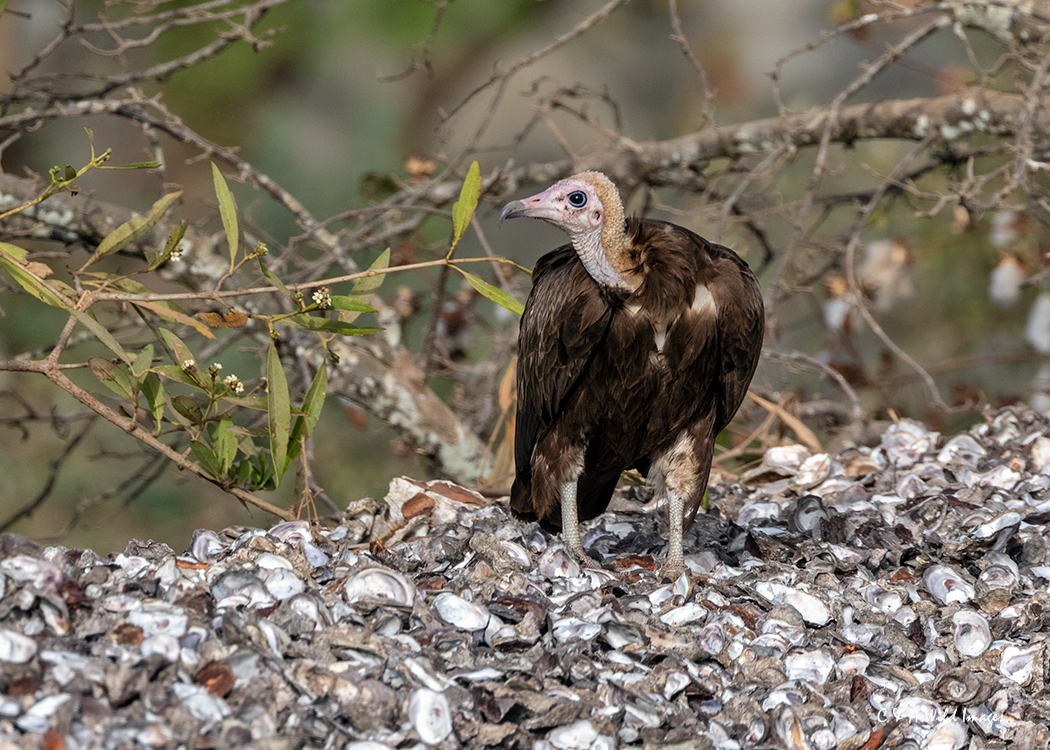
Judging by the number of the oyster middens by the river it was obviously the main occupation of the Buffuloto villagers. The Middens themselves had attracted the attention of a large number of Hooded Vultures and Piapiacs searching for the odd scrap among the piles of shells.

Buffuloto Village
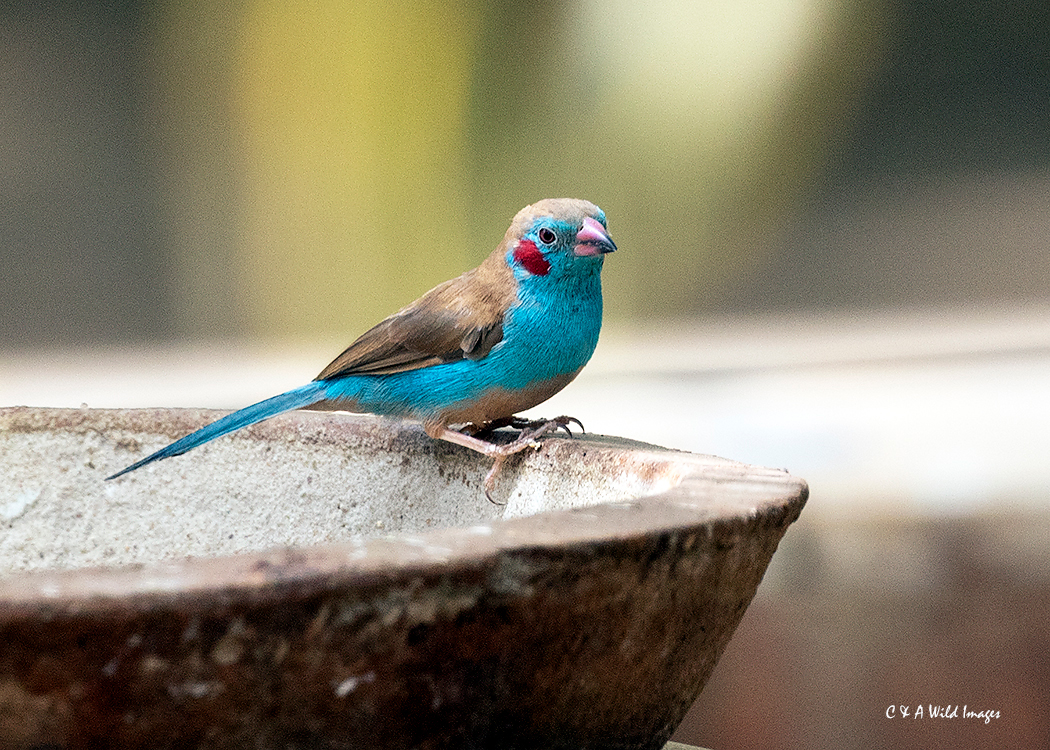
After taking in the atmosphere around the oyster workings we spent time looking around the outskirts of the village at the huge number of birds. These included Yellow-crowned Gonolek, Pied & African Grey Hornbill, Orange-cheeked Waxbill and African Green Pigeon. They were feeding both on the ground and amongst the numerous flowering bushes and trees. As the temperature began to rise the guides decided it was time to return to the canoes and make our way back to the lodge and brunch.


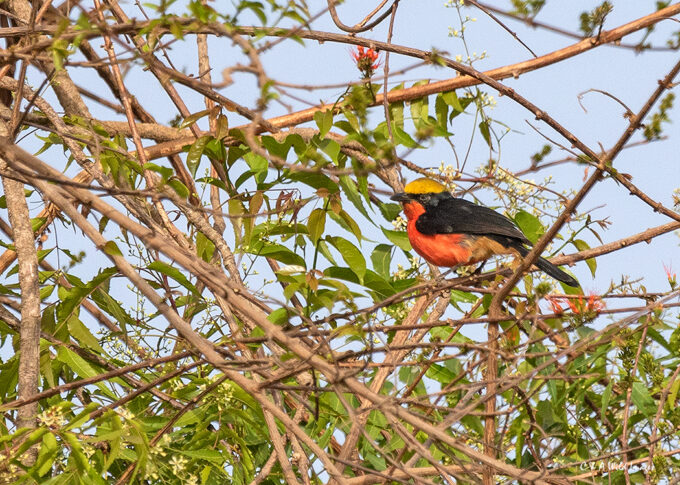
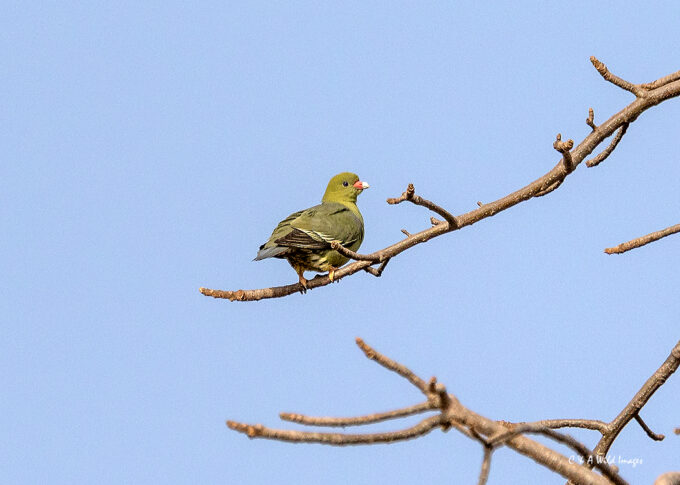

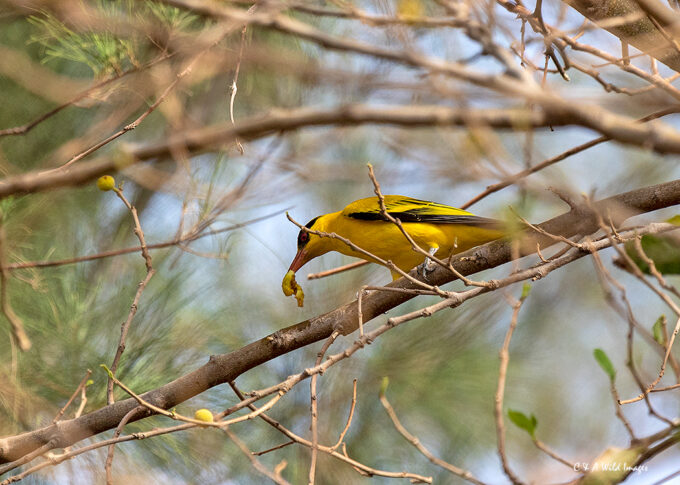
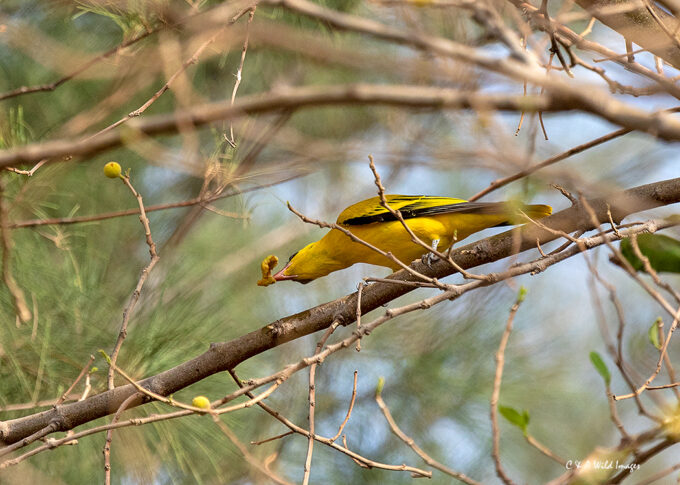

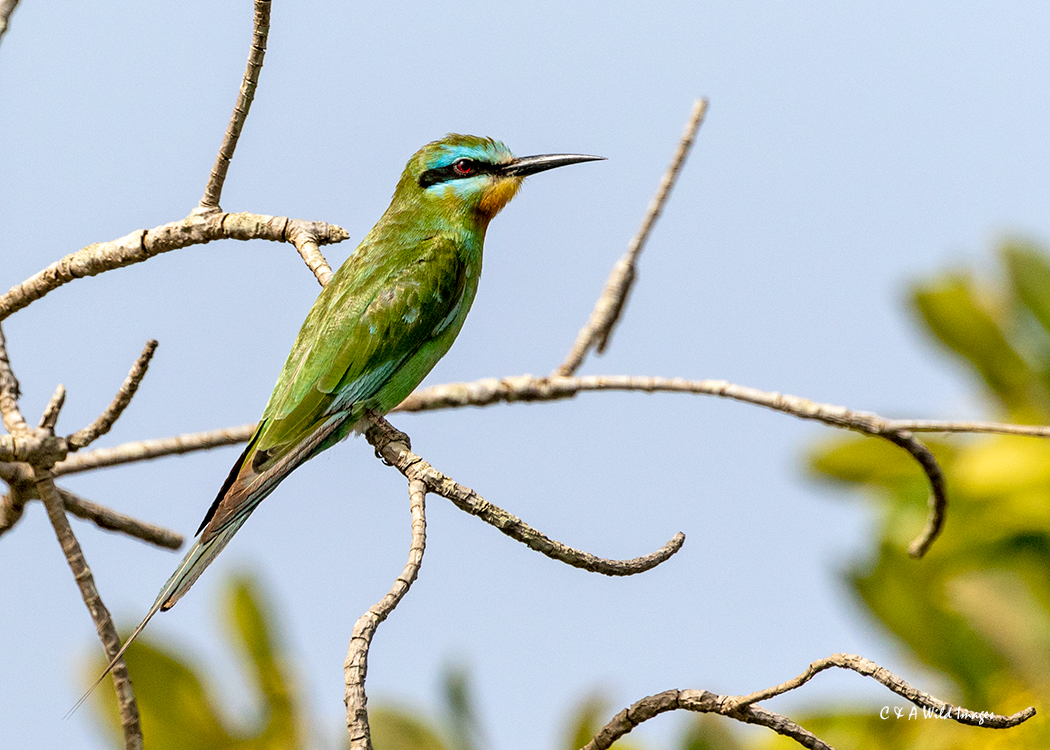
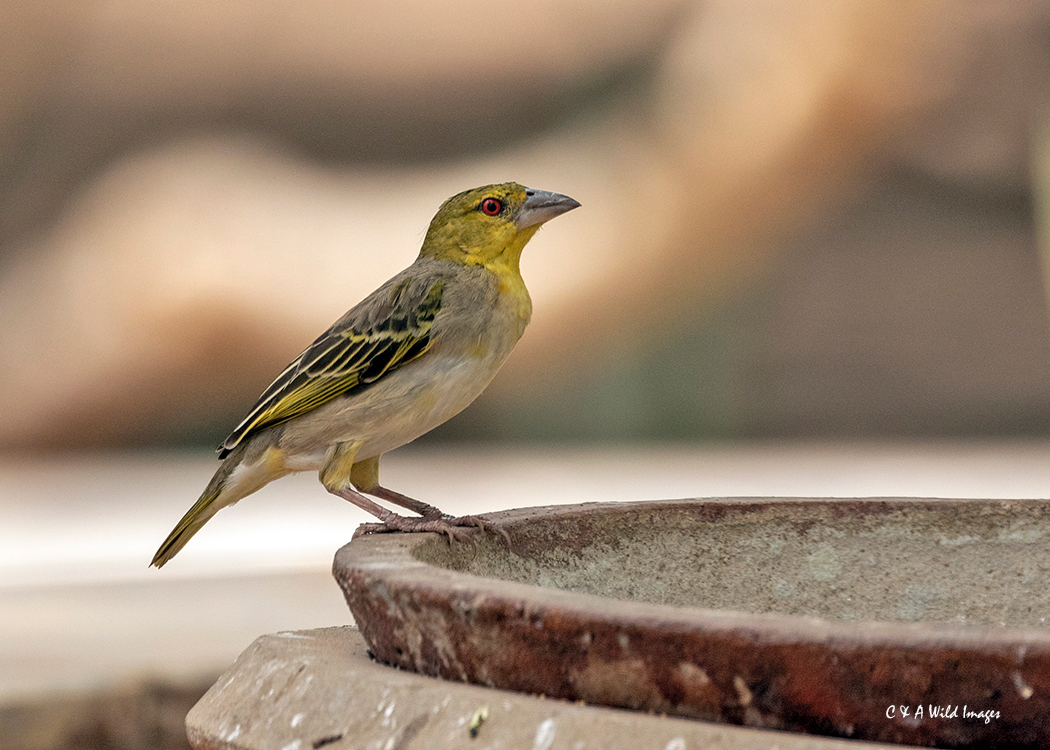
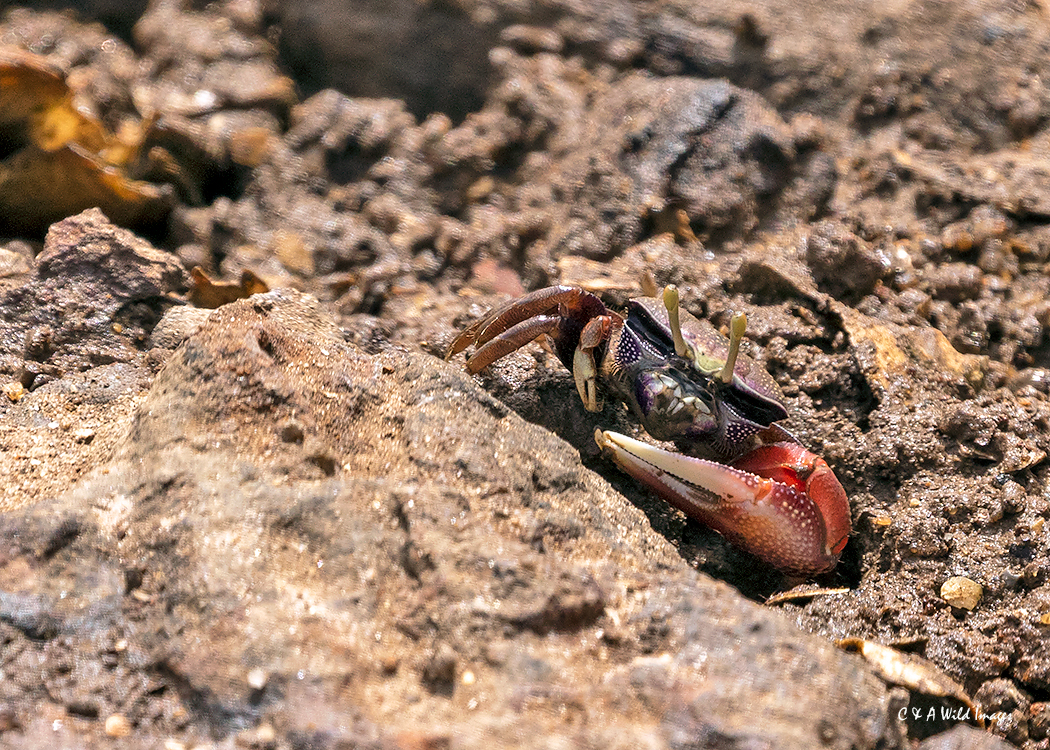
Dring the heat of the day we spent our time freshening up and taking a closer look at the birds and wildlife that make the lodge their home.

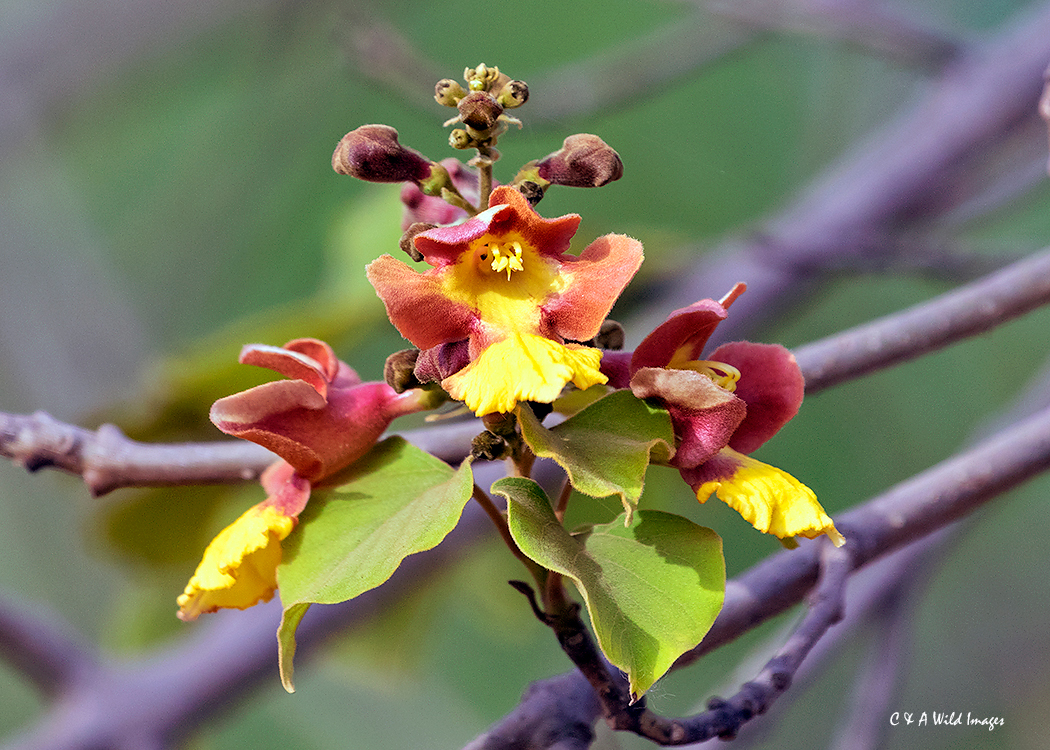
Forest and Mudflats
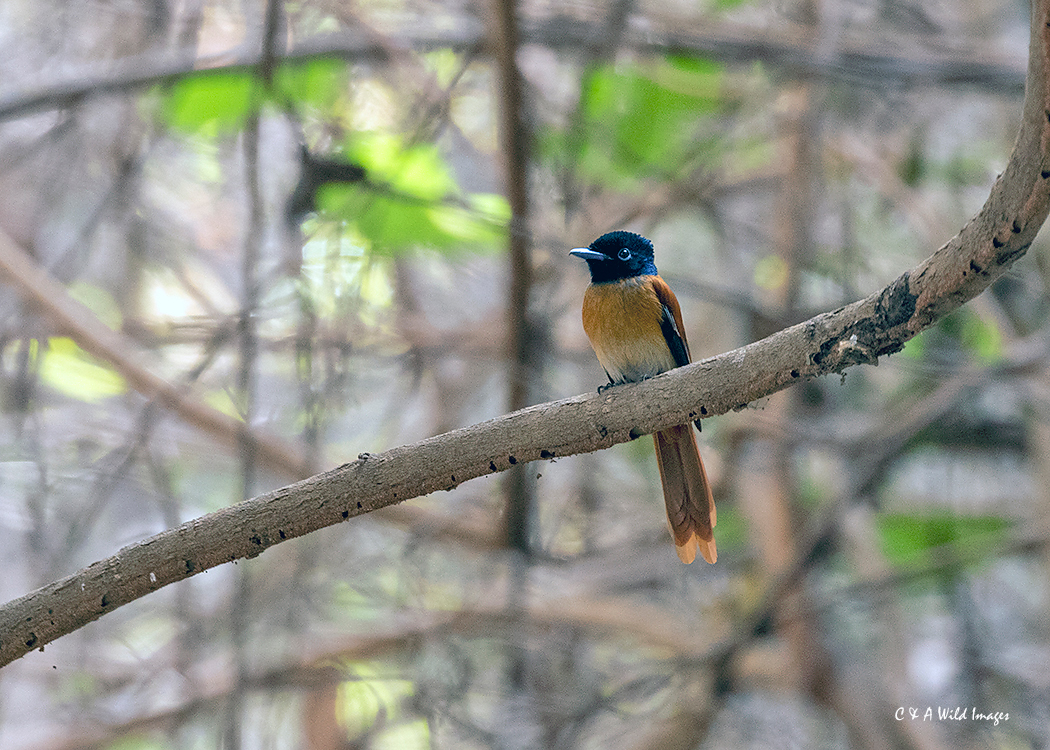
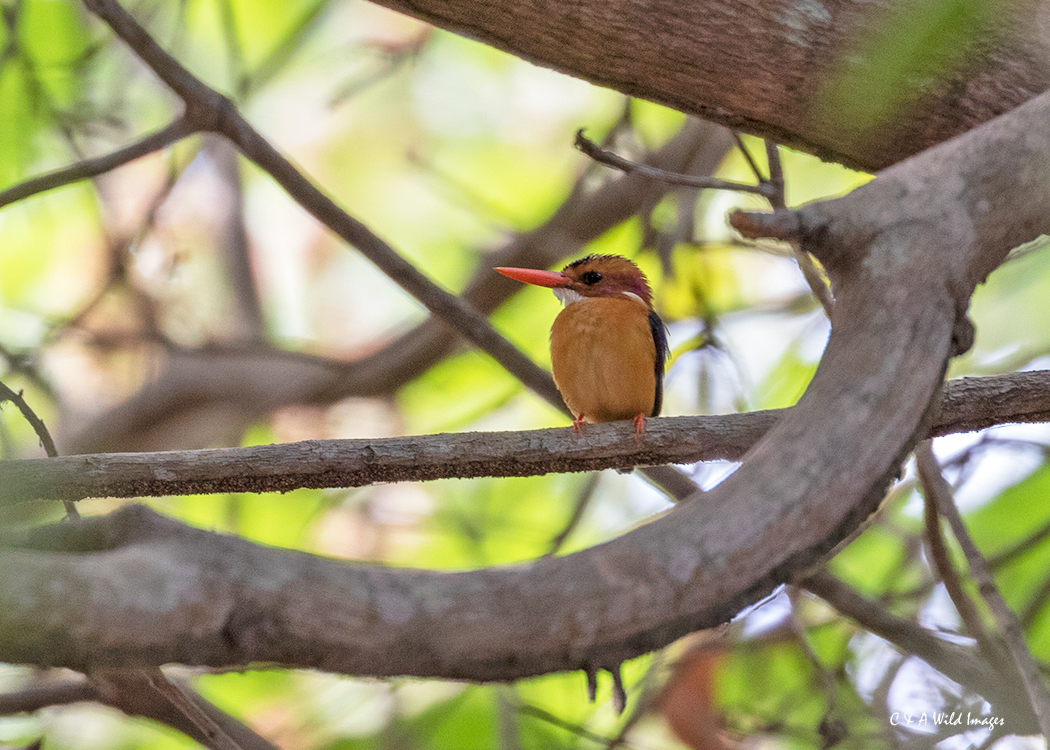
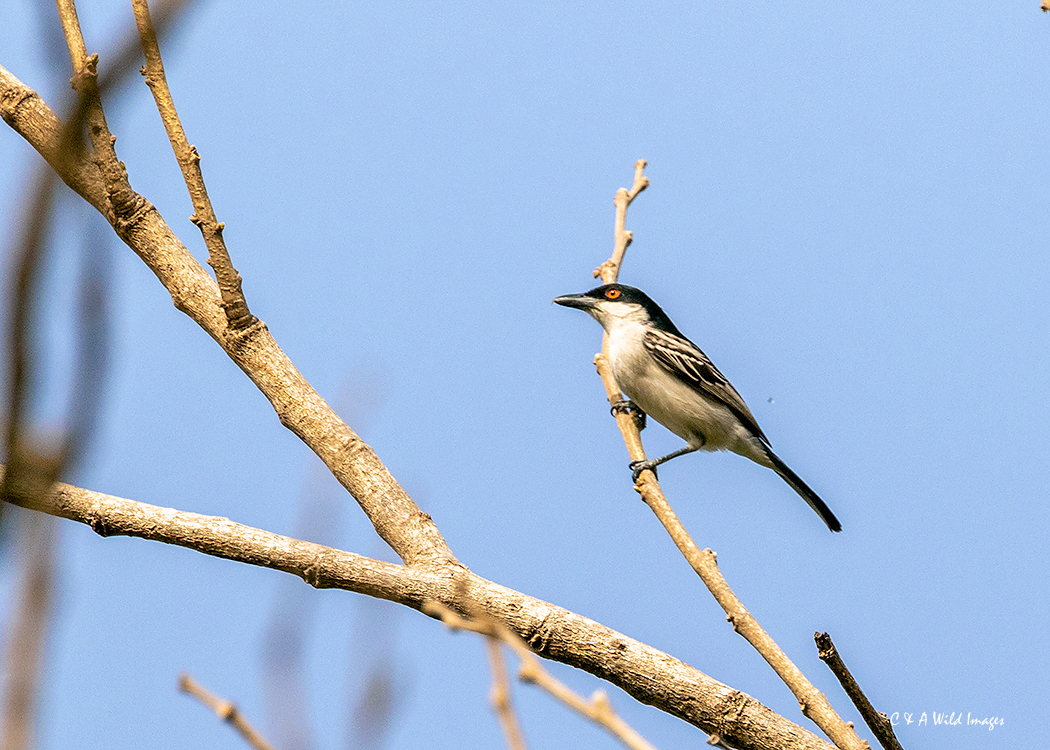
In late afternoon its was time for the our second outting of the day. This time we were walking from the lodge through the forest habitat to the mudflats area alongside Buffulotto village. Although more difficult to spot in the tree canopy we saw a number of forest species. These included Northern Puffback, African Paradise Flycatcher, African Pygmy Kingfisher and a small flock of White-crested Helmetshrikes. We returned to the lodge in time for a fresh shower and an evening meal under the stars as we sat watching and listening to the Gambian Epauletted Fruit Bats.
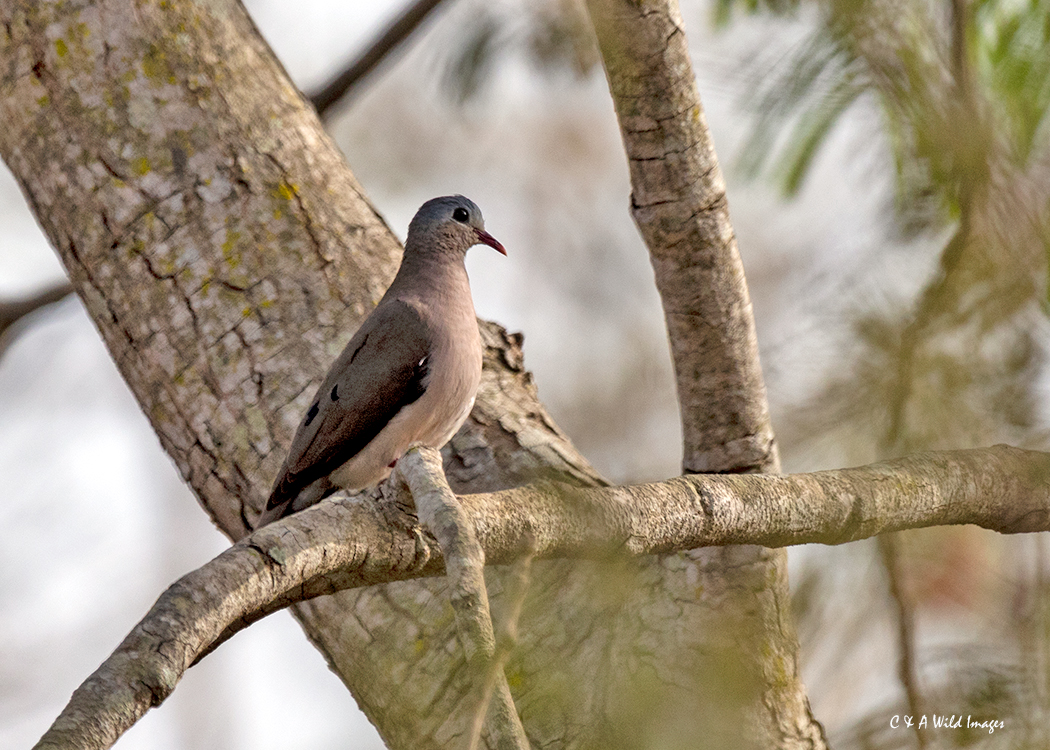
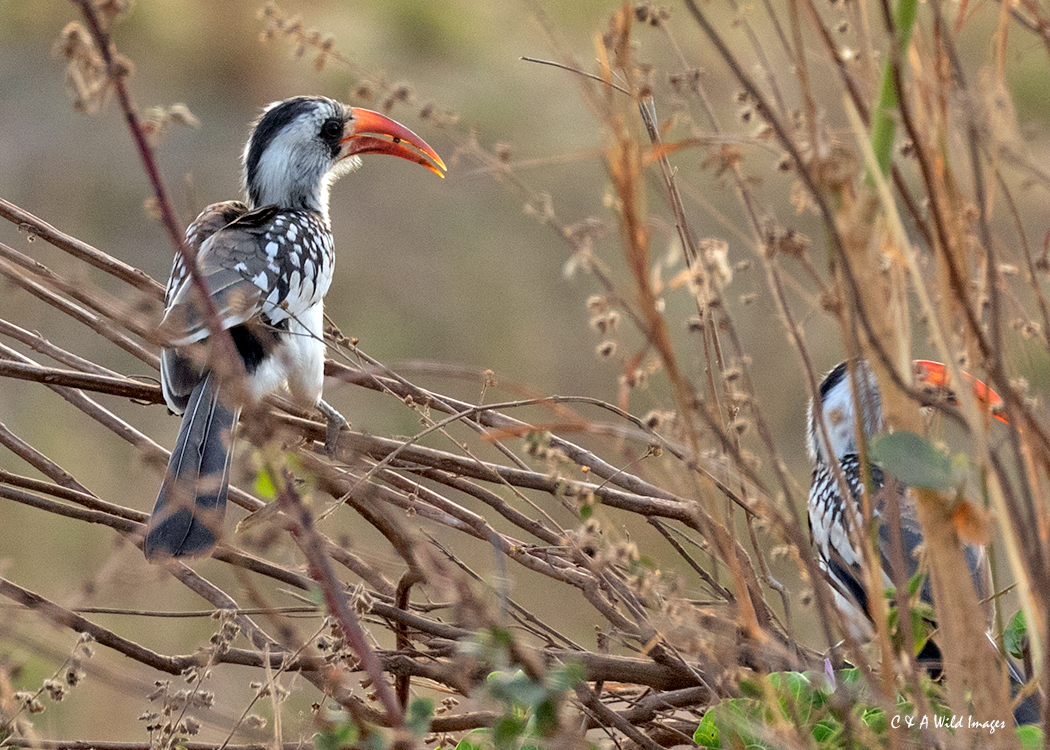
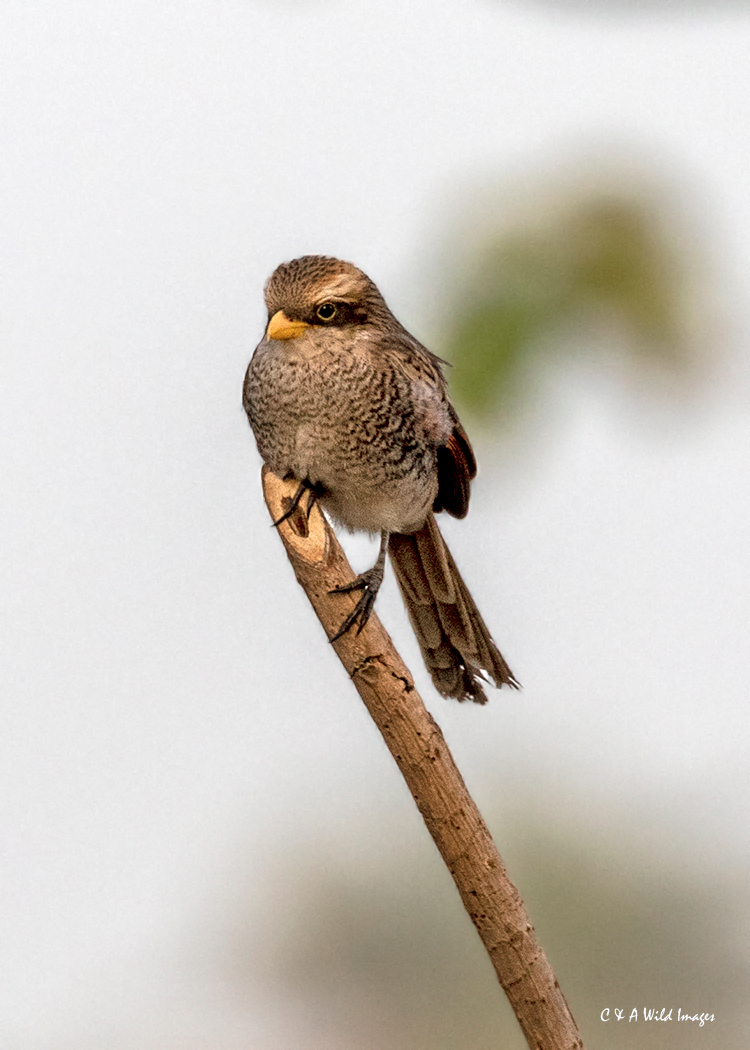
Really enjoyed your blog on The Gambia, I am going back there very soon but will be staying at Mandina for the first time so it was very helpful ?
Thanks for the comments Chris, glad it was useful, I’m sure you will enjoy your stay at Mandina.
Many thanks for this marvellously illustrated account of you trip. It really inspires me to follow in your footsteps. I wonder though about some practicalities: How did you avoid getting your feet wet when climbing in and out of boats ( Bilharzia!) – And getting stung on face and hands when birding in dusk and dawn? Cheers, Chris
Hi Chris, Surprisingly although the boats look very unstable, the guys working them are very skilled. I cant recall anyone getting their feet wet when getting in or out of the craft. As for insects and getting stung, at the we were there in spring not an issue. What I would say is that if you are into photography take a tripod to capture the bee eaters and pied kingfisher drinking from the swimming pool its an art to capture them as they dive.